
Arles
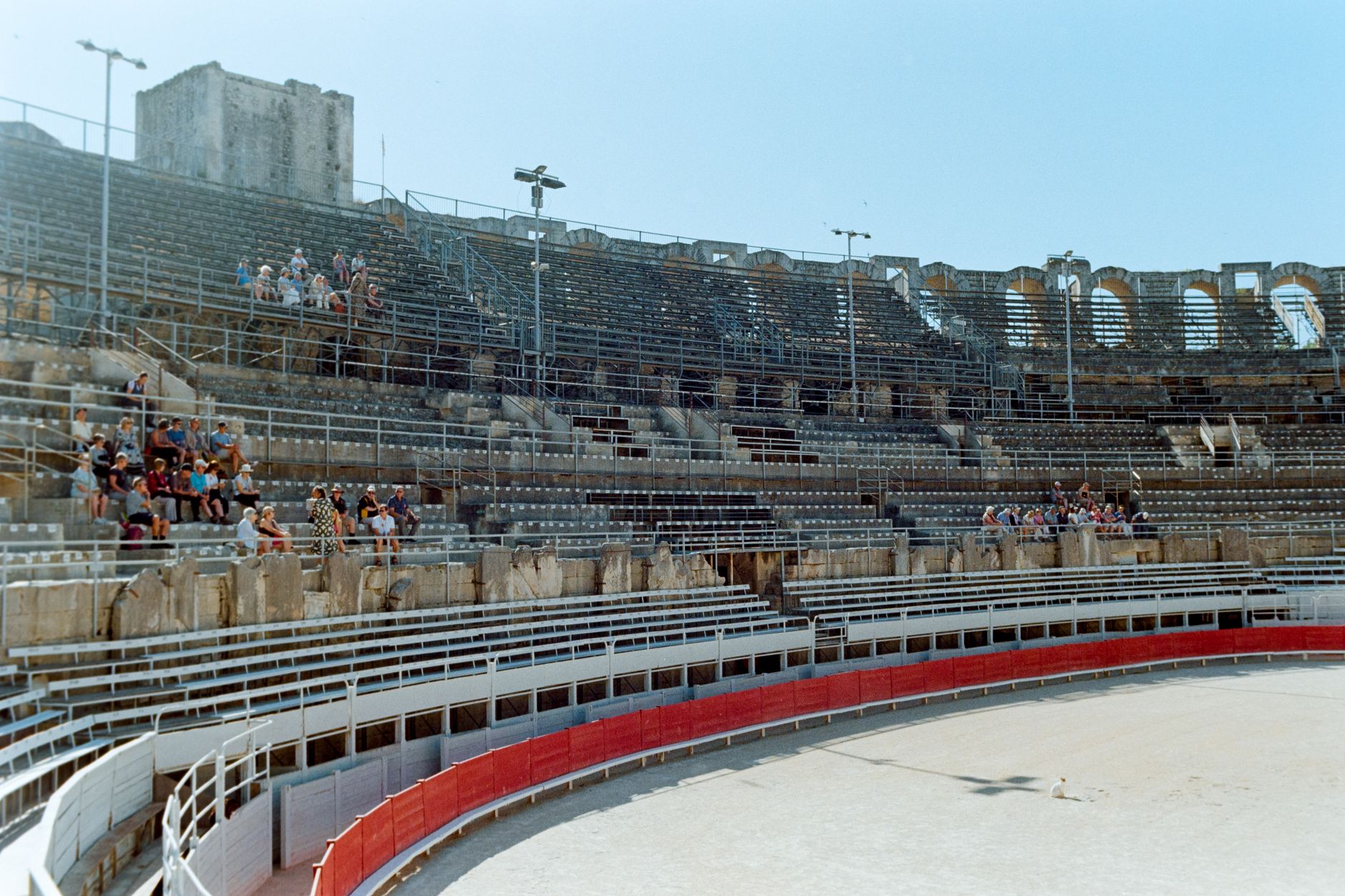
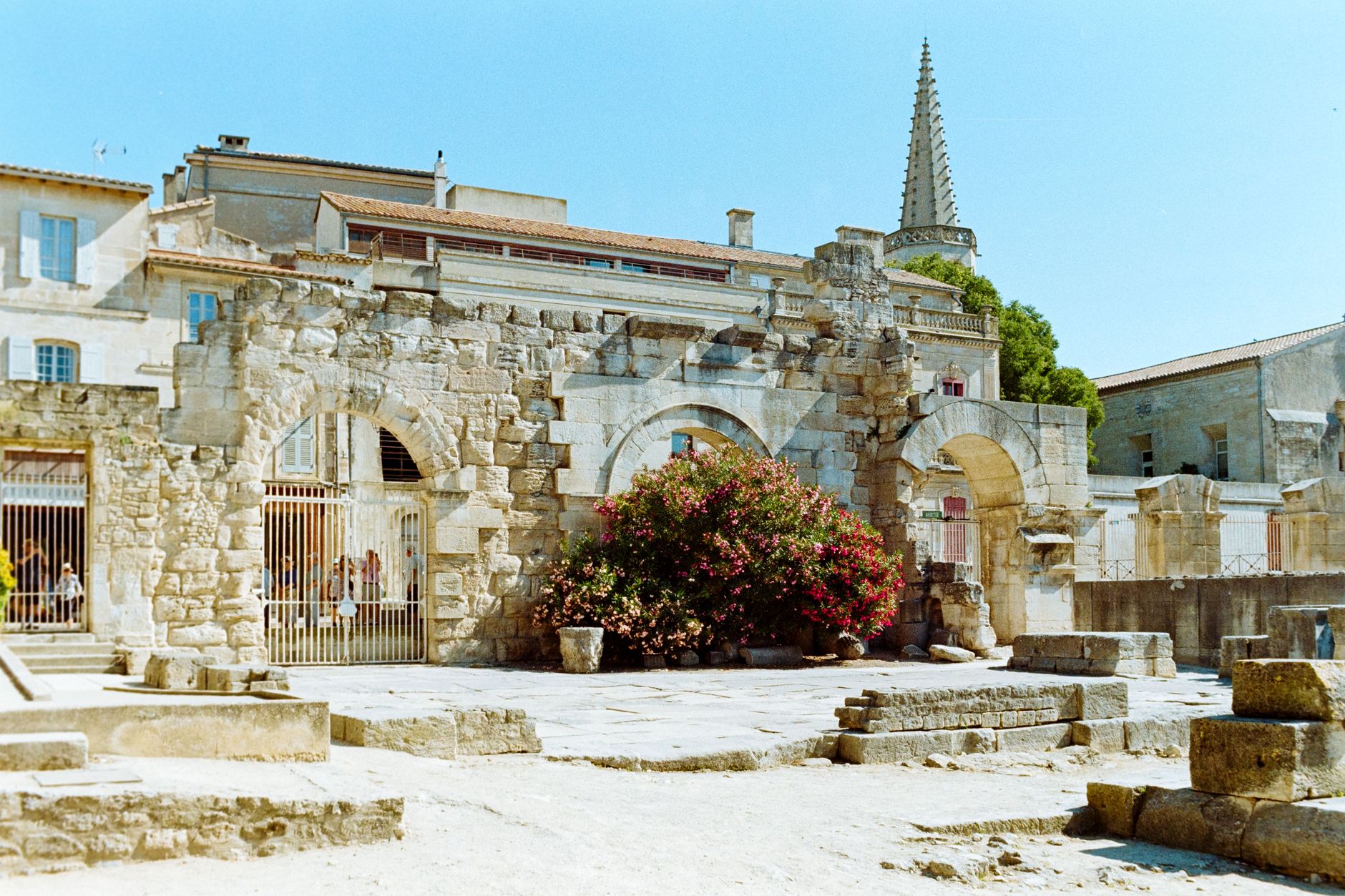
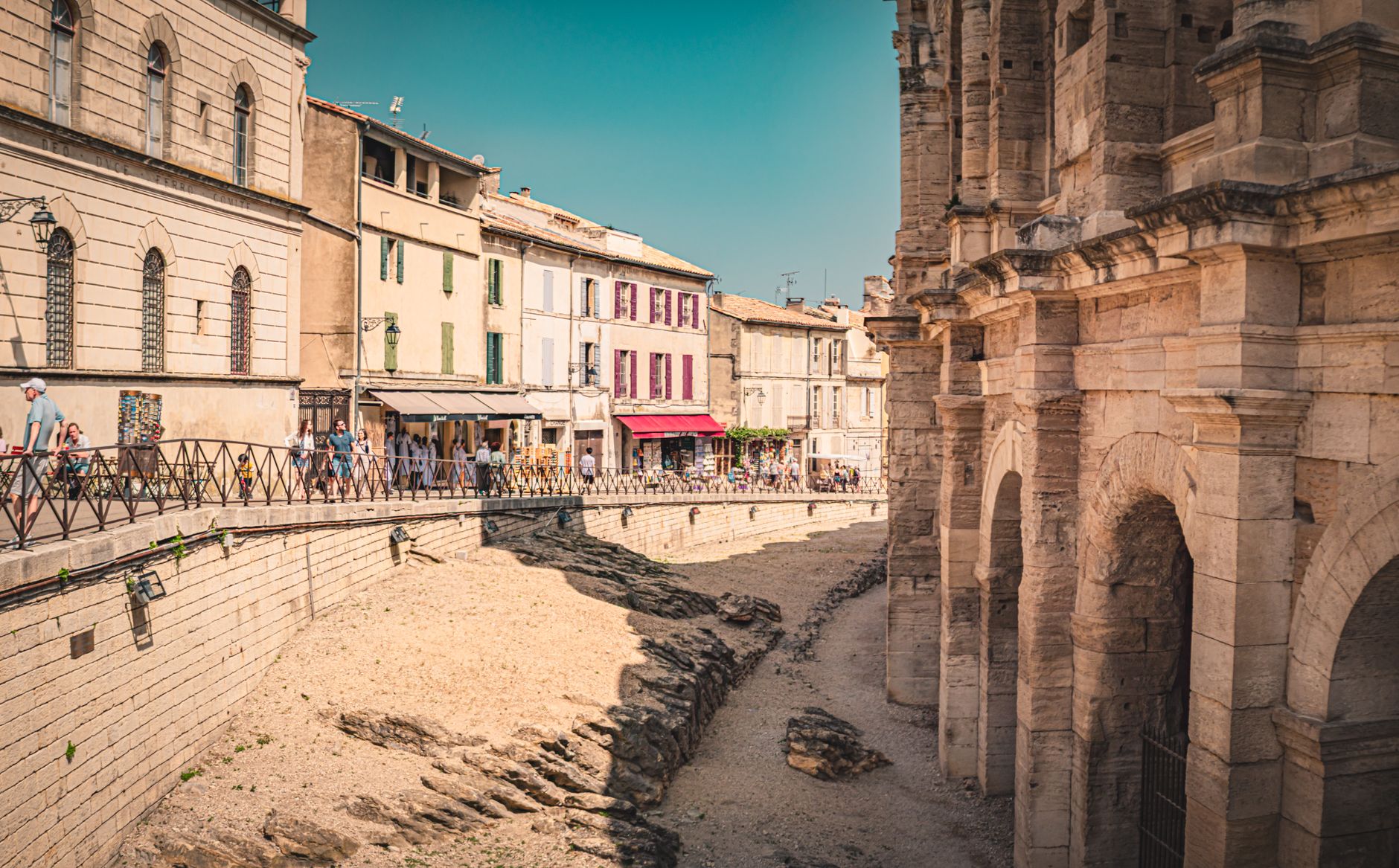
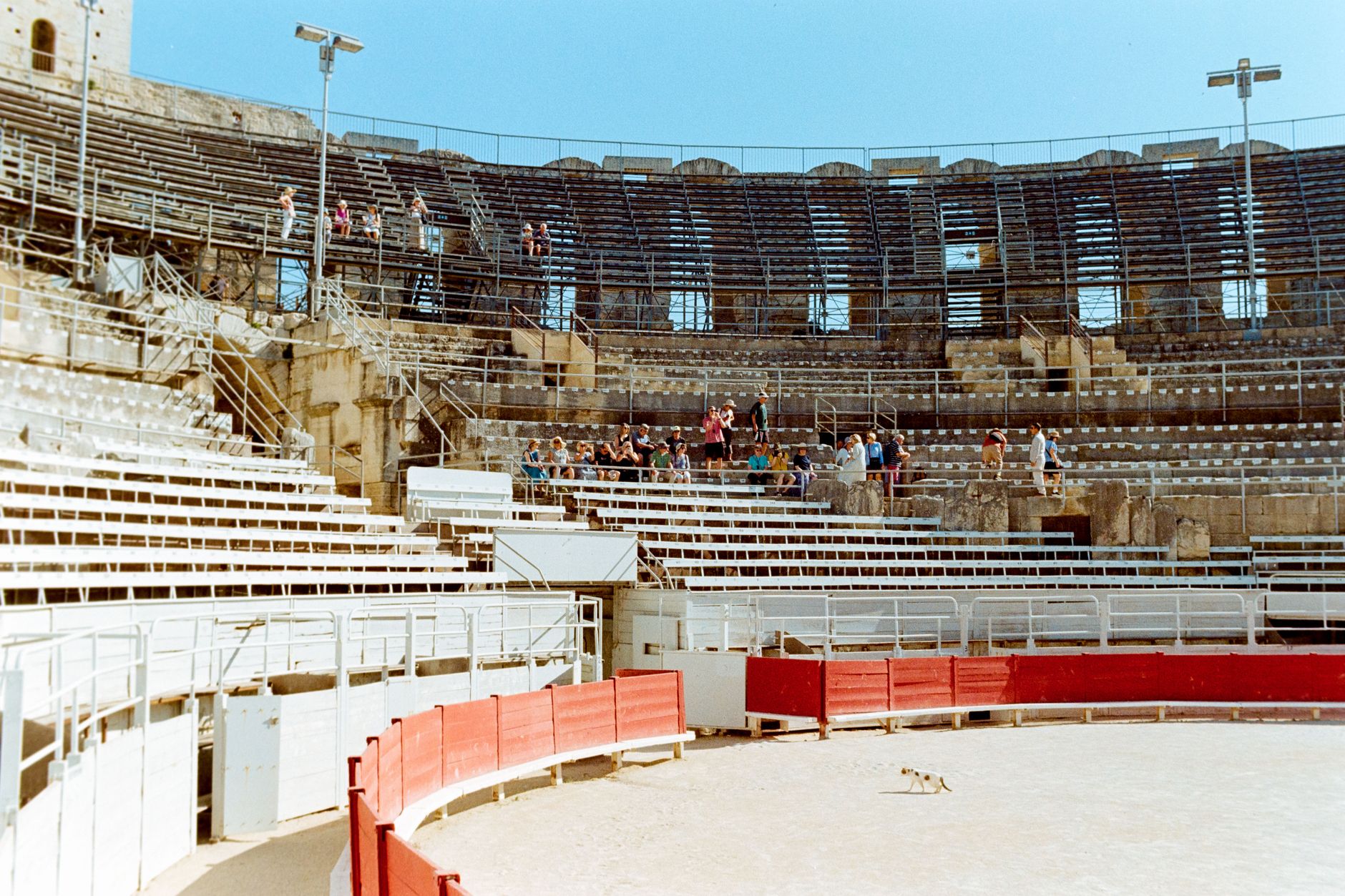
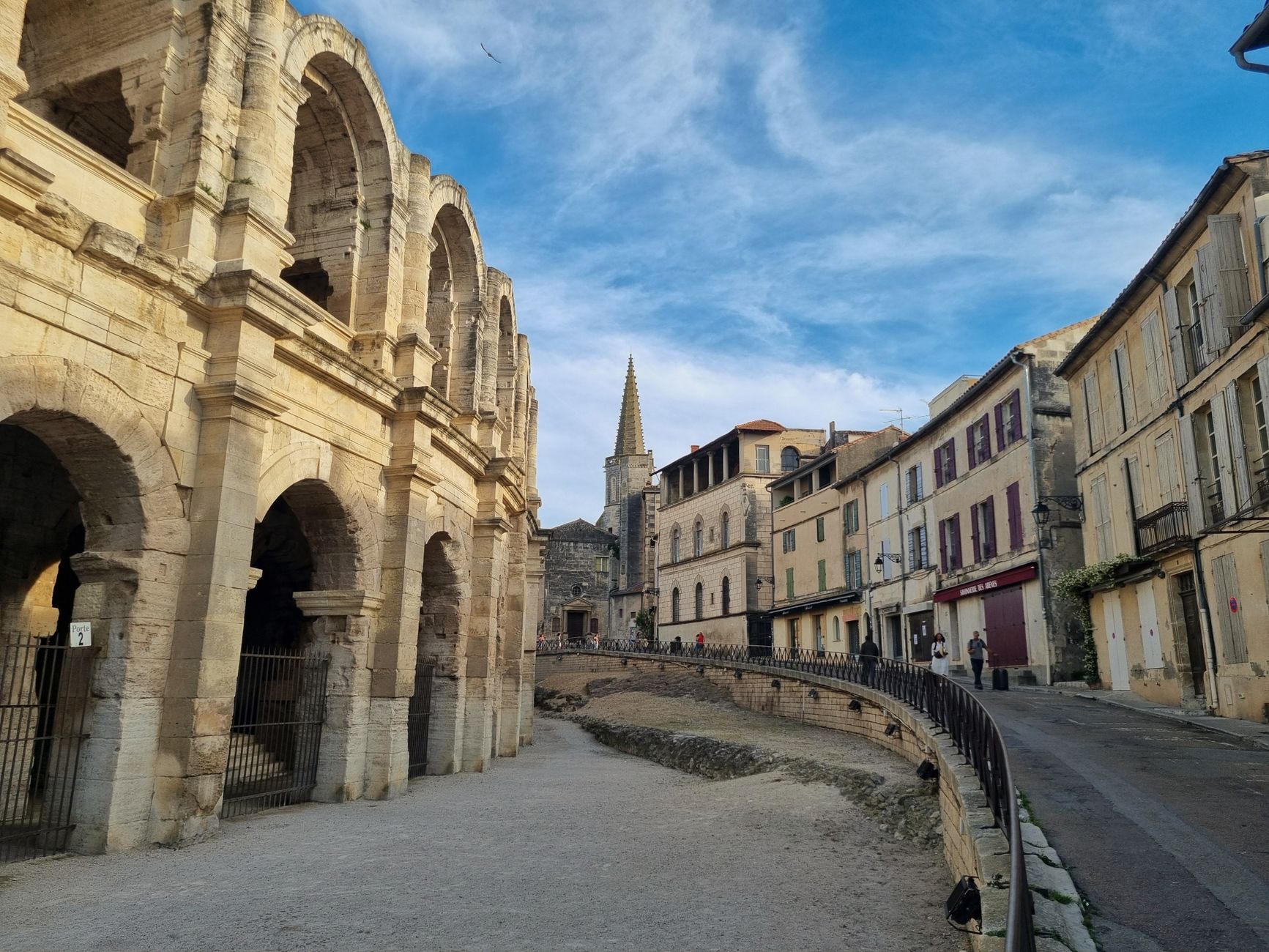
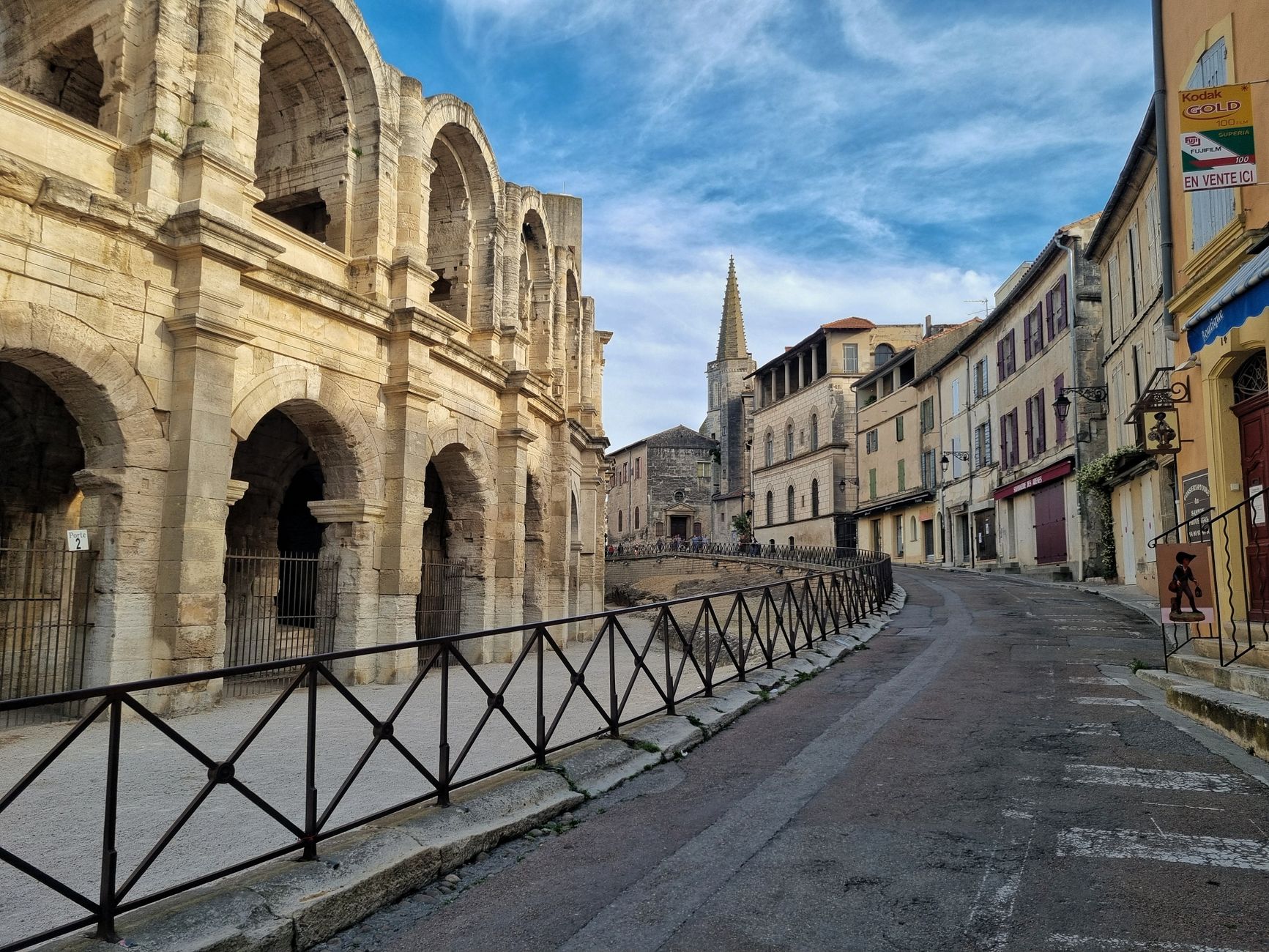
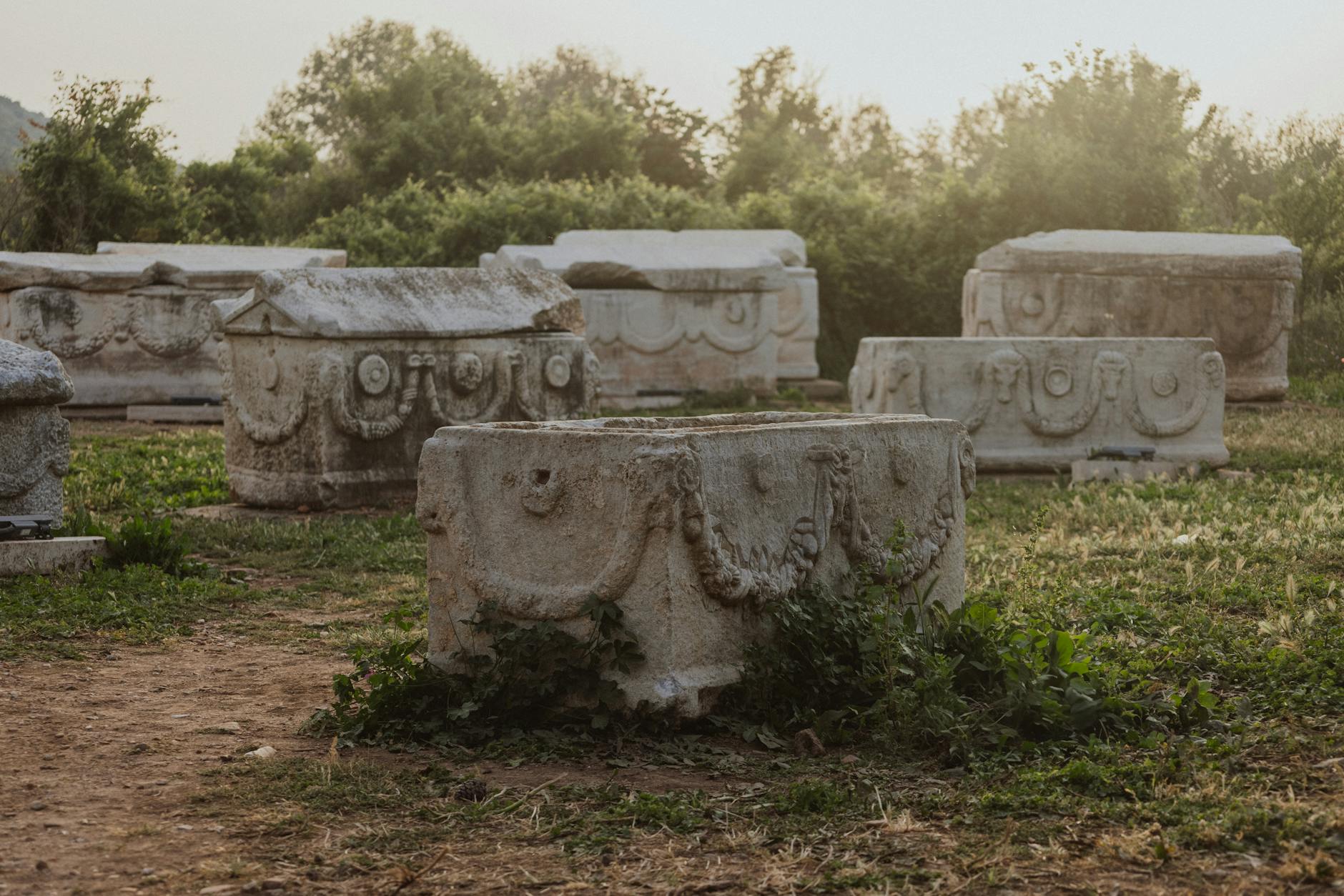
Stand inside the Arènes d'Arles on a quiet morning, before the crowds arrive, and the arithmetic of the place hits you: 120 arches, 20,000 Roman spectators, built in 90 AD and still hosting bullfights and concerts two millennia later. Arles earns its age without making a performance of it — the amphitheatre, the subterranean Cryptoporticus, the Alyscamps necropolis that Dante thought worth mentioning in the Inferno are simply part of the city's daily fabric.
Then, a short walk away, Frank Gehry's crumpled-aluminium tower for LUMA Arles catches the Provençal light in ways that feel genuinely new. The city has always attracted people who looked at it hard — Van Gogh produced more than 300 works here in a single year.
💛 What travellers fall for
People who return tend to mention two things: the free Starlette bus from the train station (small mercy in summer heat) and the tourist pass, which unlocks the amphitheatre, the Roman Theatre, the Baths of Constantine and more for a single combined price. The Cryptoporticus entrance, tucked inside the Hôtel de Ville, rewards those who know to look for it.
Experiences you don't want to miss



Deals in Arles
Book directly at the provider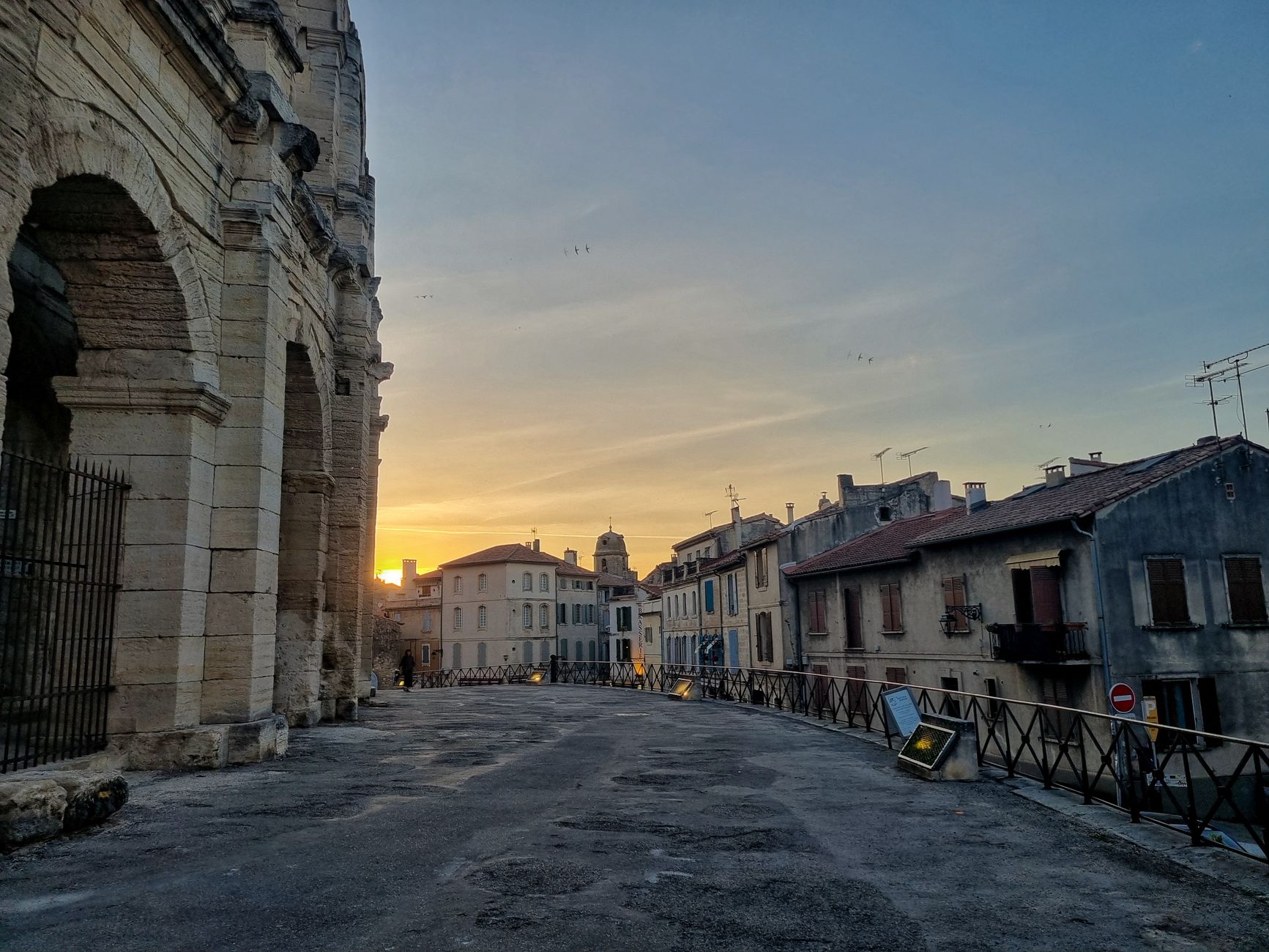


How Arles came to be
Greeks from Massalia sailed up the Rhône in the 6th century BCE and established a trading post with the Ligurian peoples already living here. Julius Caesar formalized what the river had made inevitable: in 46 BCE he founded the Roman colony of Arelate, and the city became one of the most important ports in the western empire — the amphitheatre and forum followed within a century.
After Rome, Arles passed through Visigoth and Arab hands before Hugh of Arles merged surrounding territories into the Kingdom of Burgundy-Arles in 933. Frederick Barbarossa was crowned King of Arles at Saint-Trophime in 1178. By 1239 the city had been absorbed into Provence, and its centre has been accumulating layers — Roman, Romanesque, Baroque, and now Gehry's LUMA campus, inaugurated in 2021 — ever since.
Who and what shaped it
People who shaped it
Landmark buildings
See Arles in motion
Plan your visit
On the map
When to go
Winters are mild but sharp-edged, averaging around 13°C, and the Mistral wind can make January feel colder than it looks on paper. July pushes to 32°C; the stone city holds heat, so summer visits work best early in the day or after five in the afternoon.
Right now
Background & history adapted from Wikipedia (CC BY-SA) · specs from Wikidata (CC0) · weather from Open-Meteo · map data © OpenStreetMap contributors · photos from Wikimedia Commons / Unsplash with per-image credit. No third-party reviews or social posts reproduced.