
Grasse
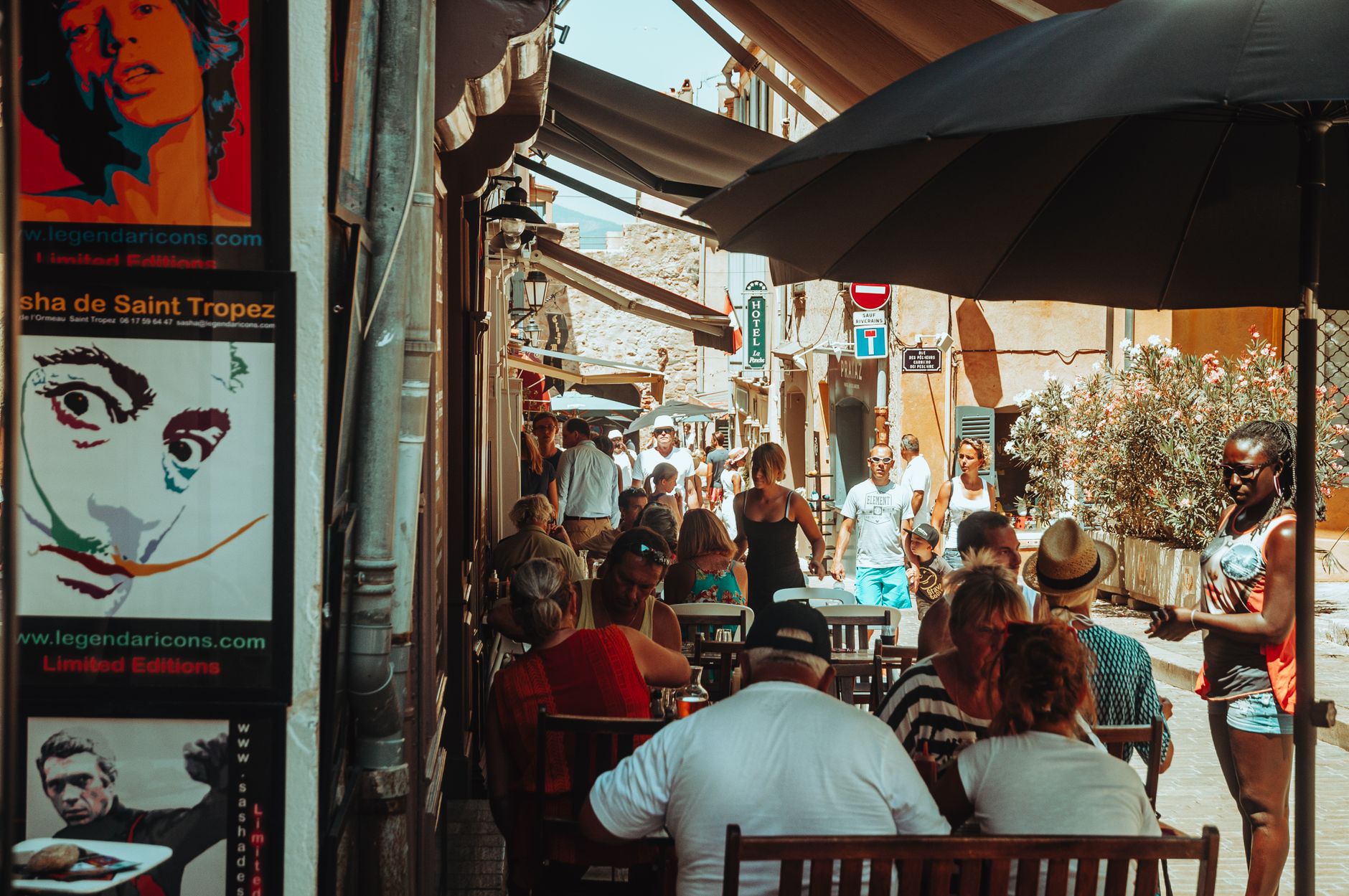
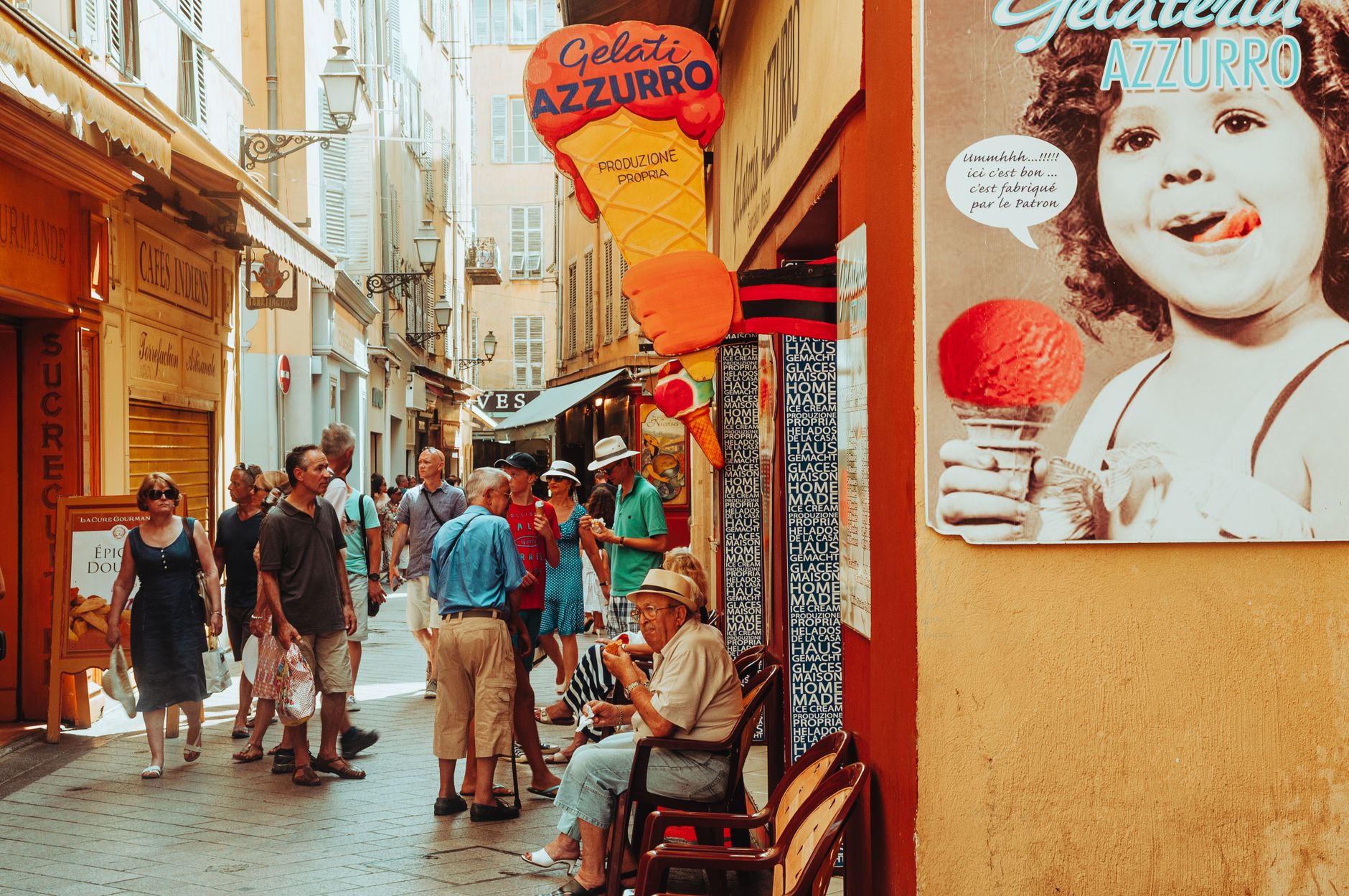
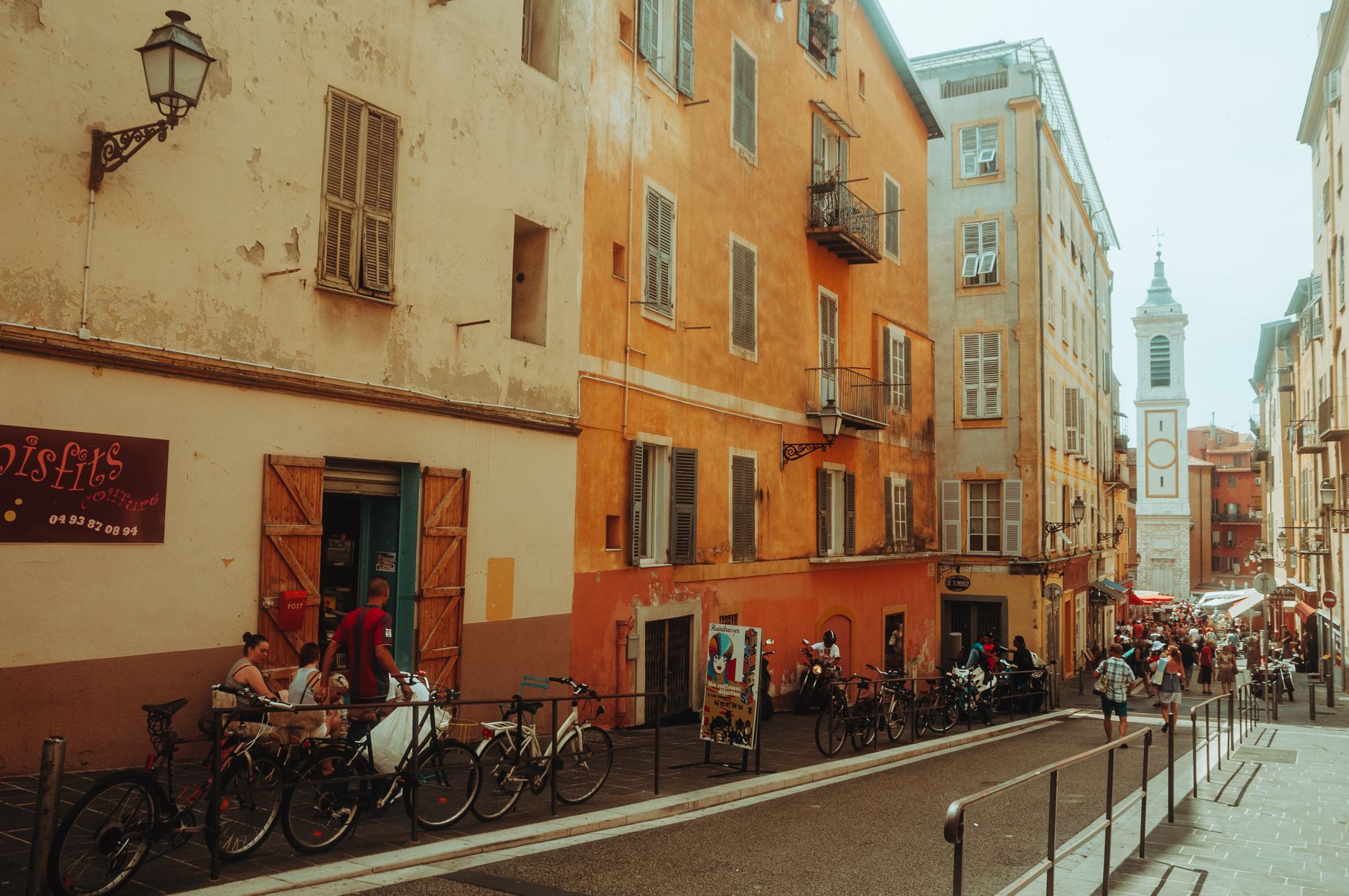
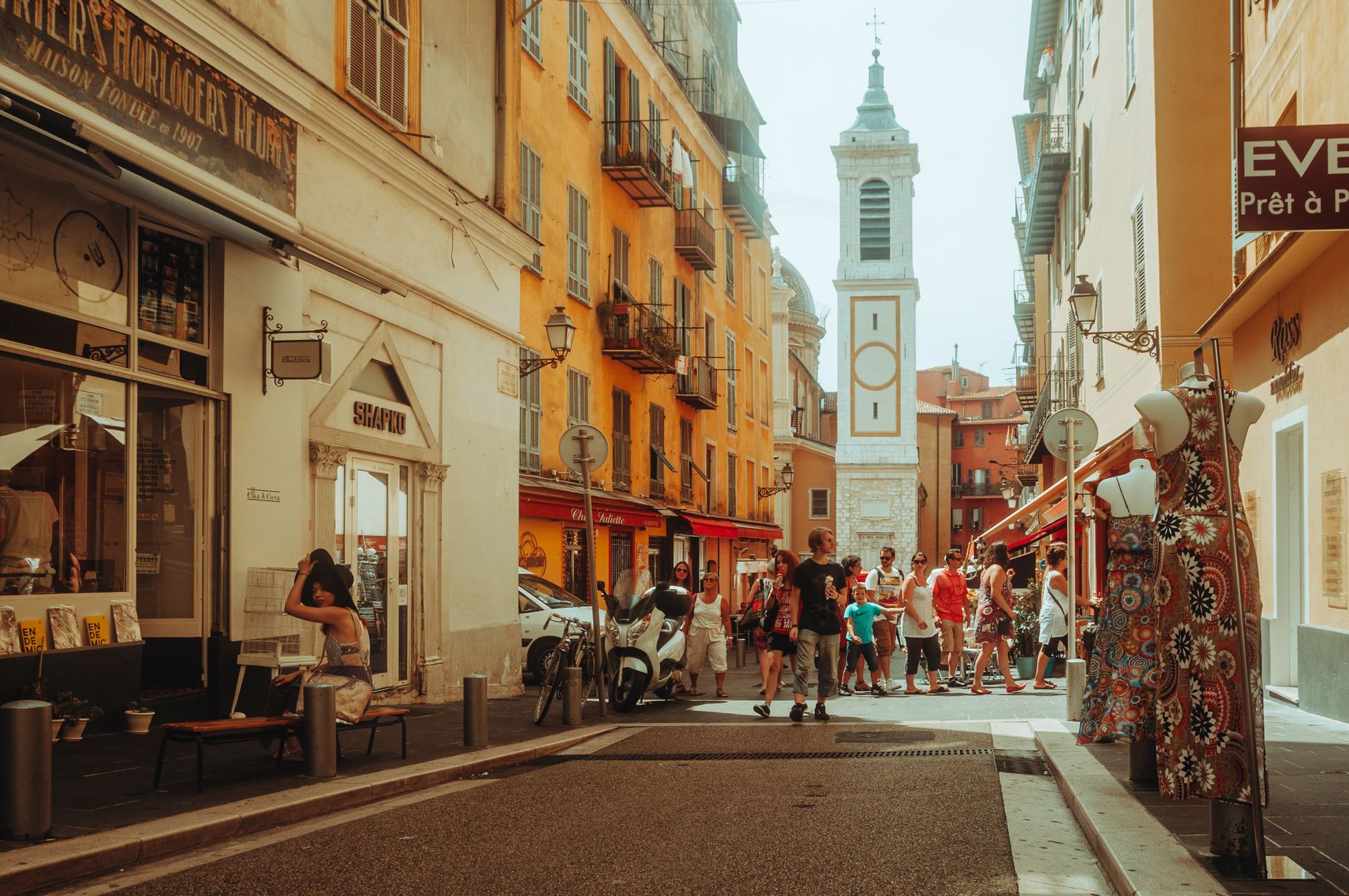
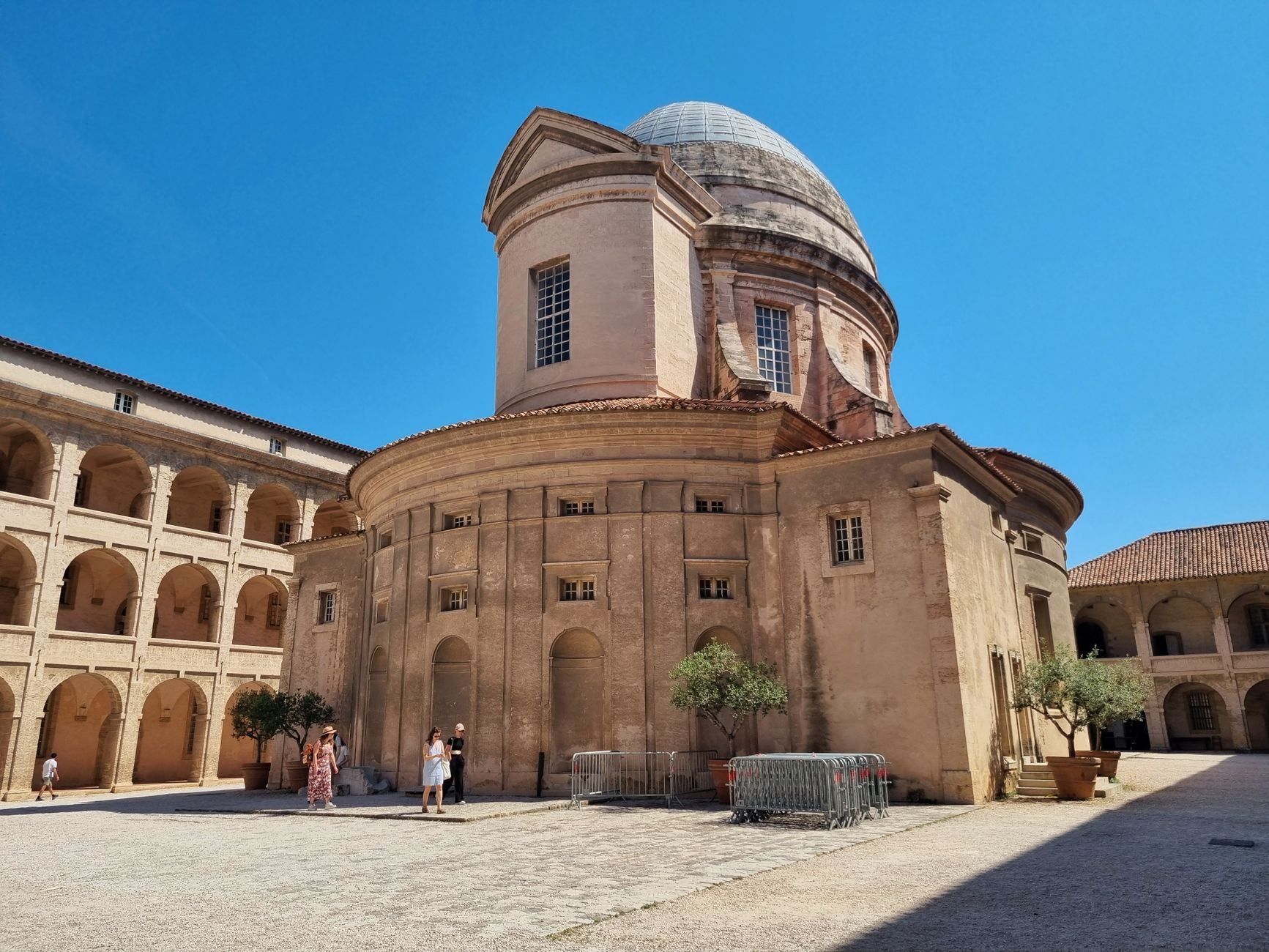
Grasse sits in the hills above the Côte d'Azur, and the air here is different — not metaphorically, but literally. Jasmine, rose, tuberose. The town has been growing and distilling flowers for perfume since the late 18th century, and by 1875 sixty-five companies were trading on that fact. In 2018, UNESCO added Grasse's perfume-making knowledge to its Intangible Cultural Heritage list, a rare acknowledgment that a craft, not just a monument, is worth protecting.
The old town climbs steeply around a cathedral that has been standing, in one form or another, since the 11th century. Inside Notre Dame du Puy, three paintings by Rubens hang alongside a work by Jean-Honoré Fragonard, who was born here. Outside, the streets narrow to the width of a loaded mule, and the whole place smells faintly of something you can't quite name.
💛 What travellers fall for
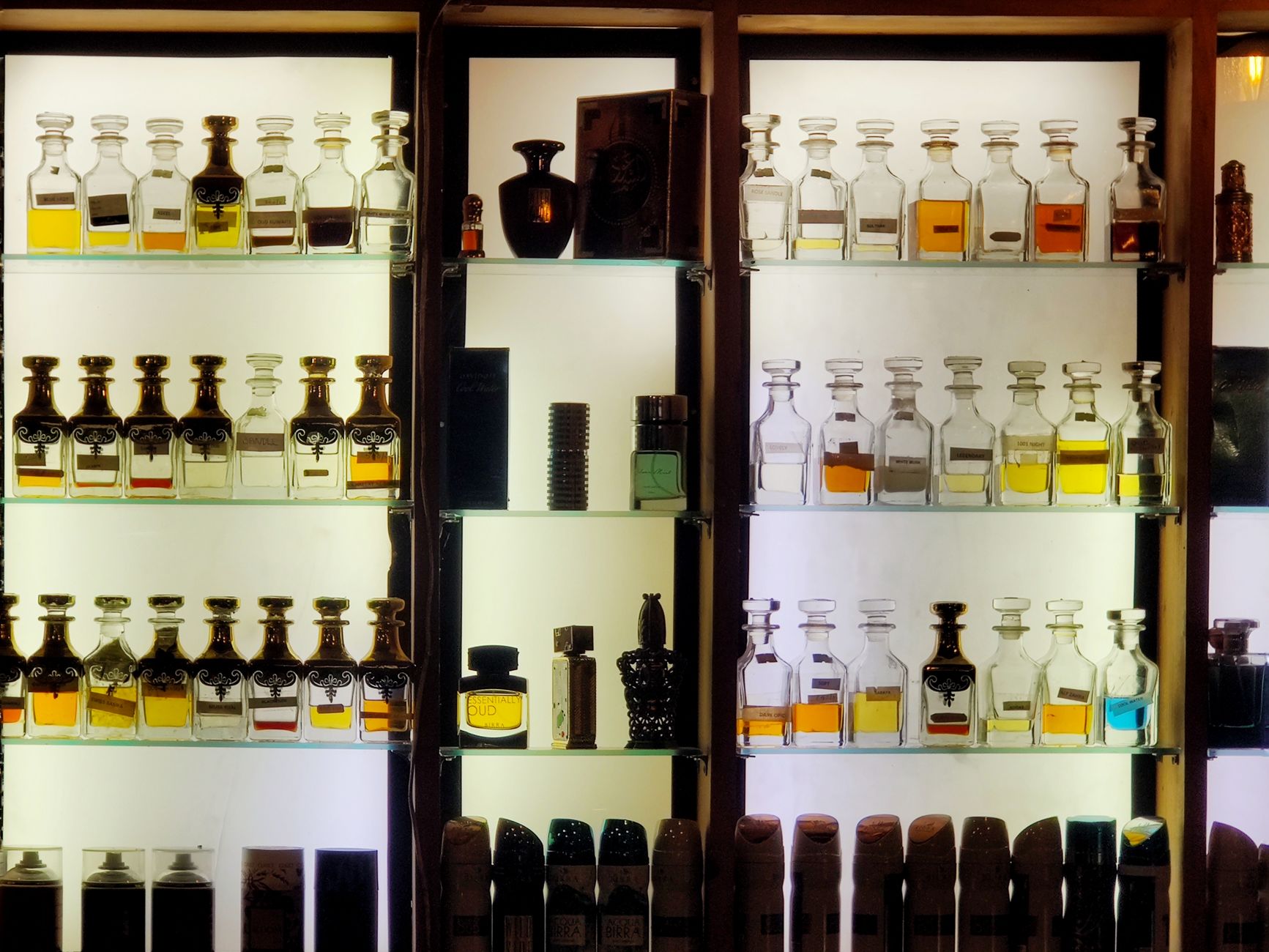
People who return tend to book a workshop at one of the three major houses — Galimard, Molinard or Fragonard — rather than just taking the free tour. The two-hour session at €58 is the one worth doing: you leave with a 100ml bottle of something genuinely your own, which is a better souvenir than anything on the shelf.
Experiences you don't want to miss


Deals in Grasse
Book directly at the provider

How Grasse came to be
Grasse spent the 12th century as a miniature republic, trading in leather and tanning along the small canal that still runs through the city. When Italian fashion arrived with Catherine de Medici's entourage during the Renaissance, local glovers began scenting their leather goods with jasmine and lavender — a pivot that would define the town for centuries. In 1616, the French crown formally recognised the guild of glover-perfumers.
In 1860, the Treaty of Turin folded the County of Nice into France, and Grasse came with it into the new département of Alpes-Maritimes. By then the perfume industry had long since overtaken the tanneries. Queen Victoria wintered here on more than one occasion. The town's most famous native son, the painter Fragonard, had made his name at the French court a century earlier — though the perfume house that bears his name wasn't founded until 1926.
Who and what shaped it
People who shaped it
Landmark buildings
See Grasse in motion
Plan your visit
On the map
When to go
Summers reach around 27°C in August — warm but tempered by the altitude compared with the coast below. Winters are mild, cooling to around 11°C, and Queen Victoria apparently found that agreeable enough to return several times.
Right now
Background & history adapted from Wikipedia (CC BY-SA) · specs from Wikidata (CC0) · weather from Open-Meteo · map data © OpenStreetMap contributors · photos from Wikimedia Commons / Unsplash with per-image credit. No third-party reviews or social posts reproduced.