
Aix-en-Provence
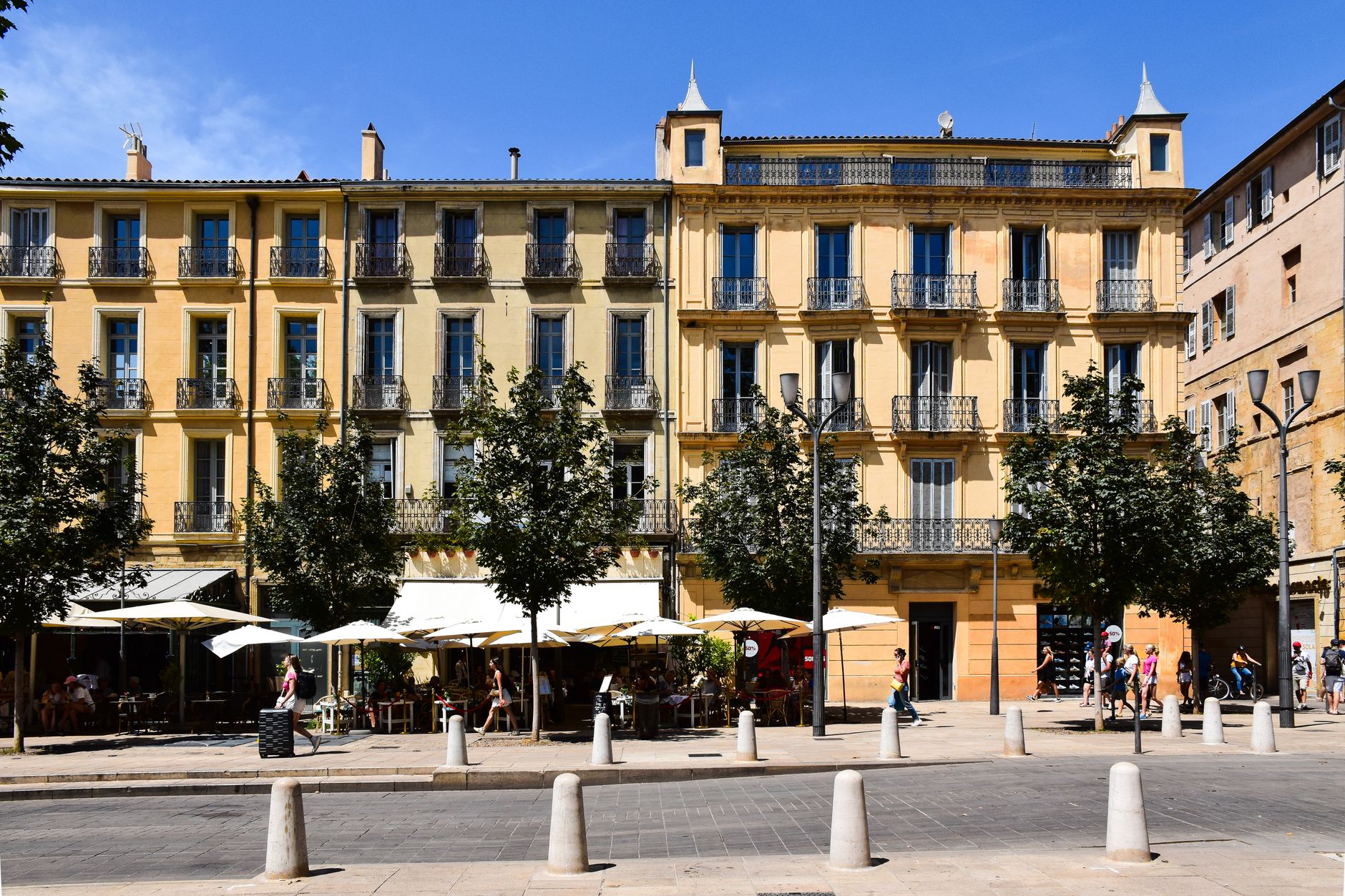
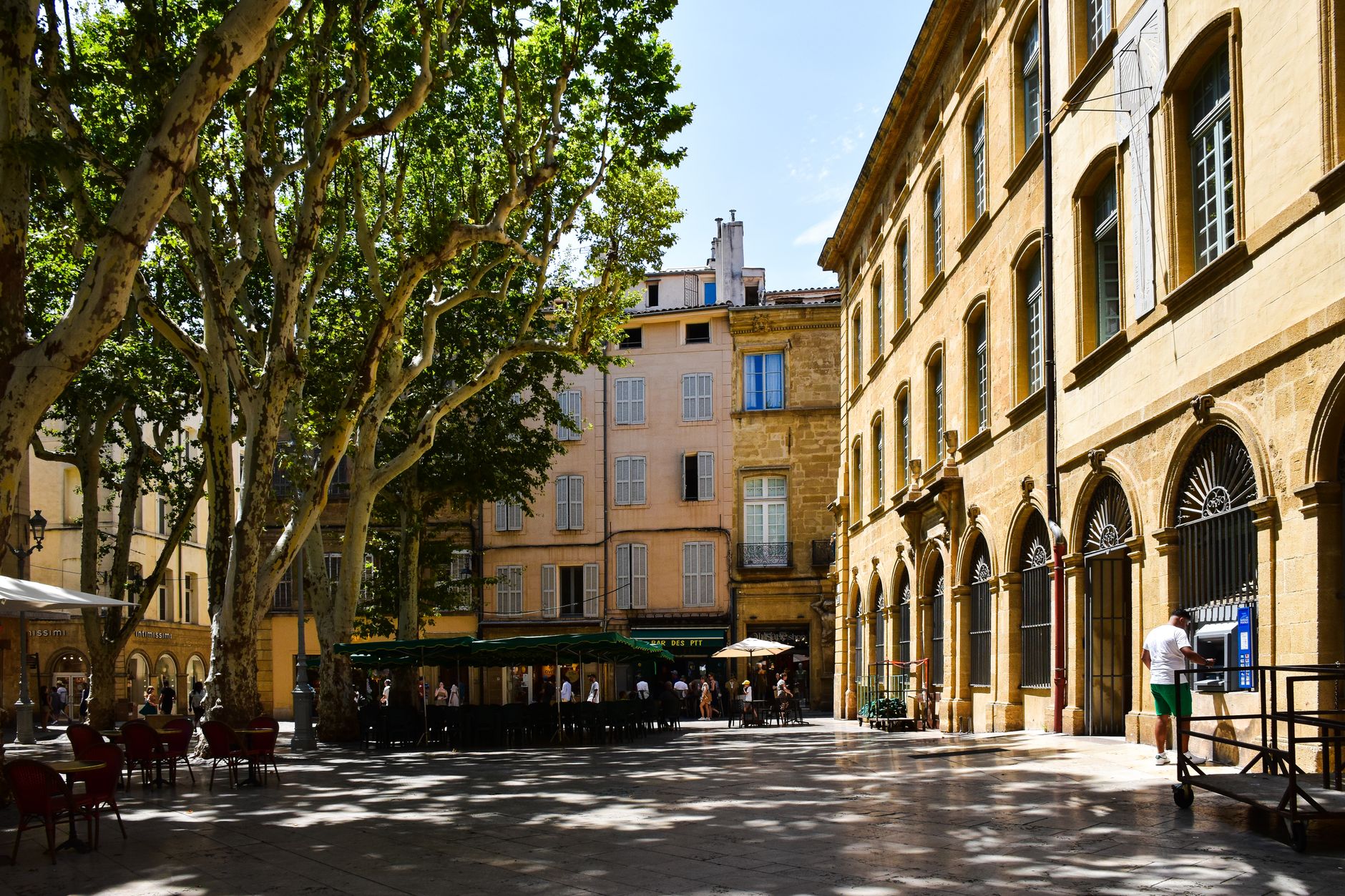
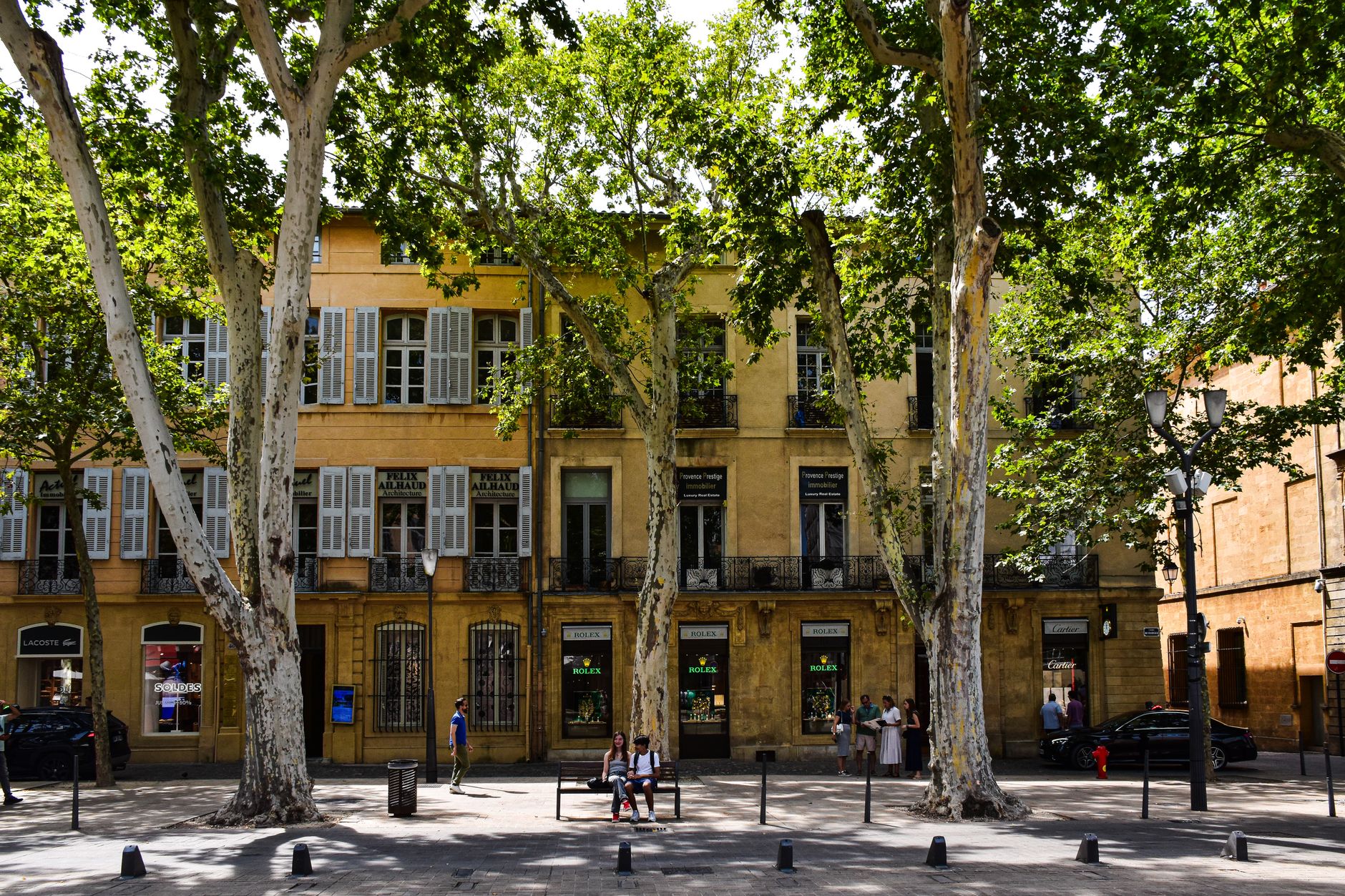
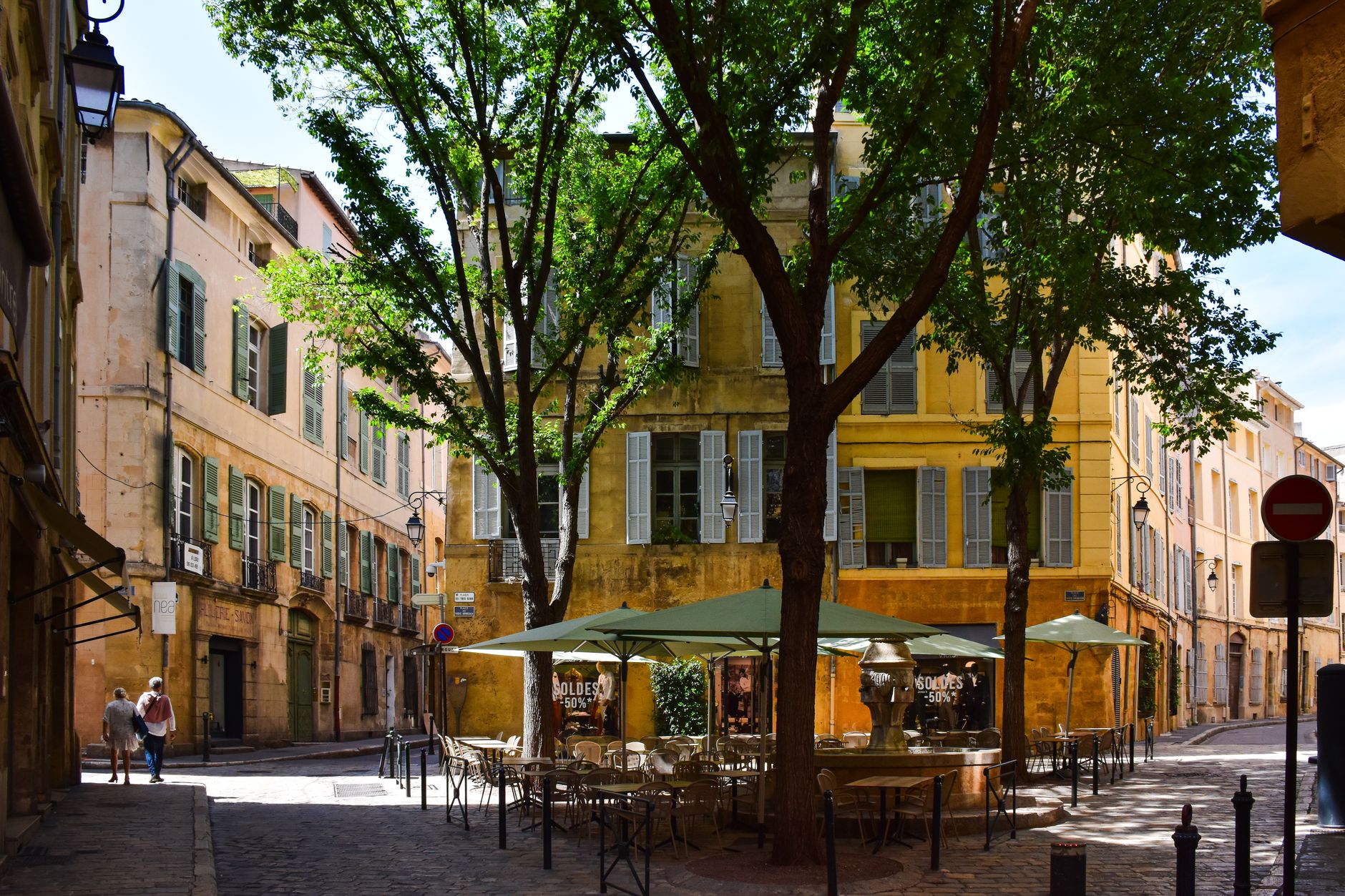
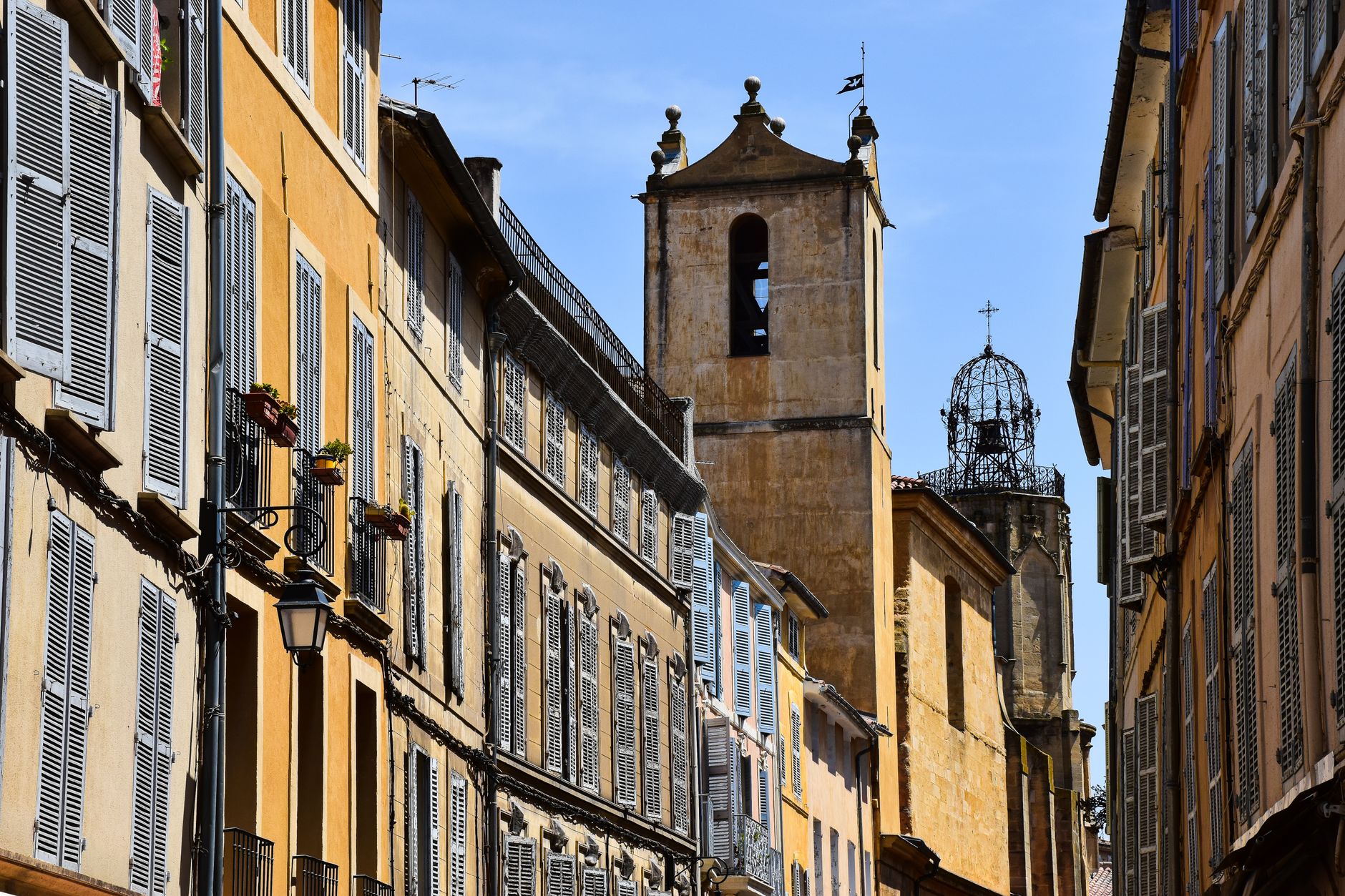
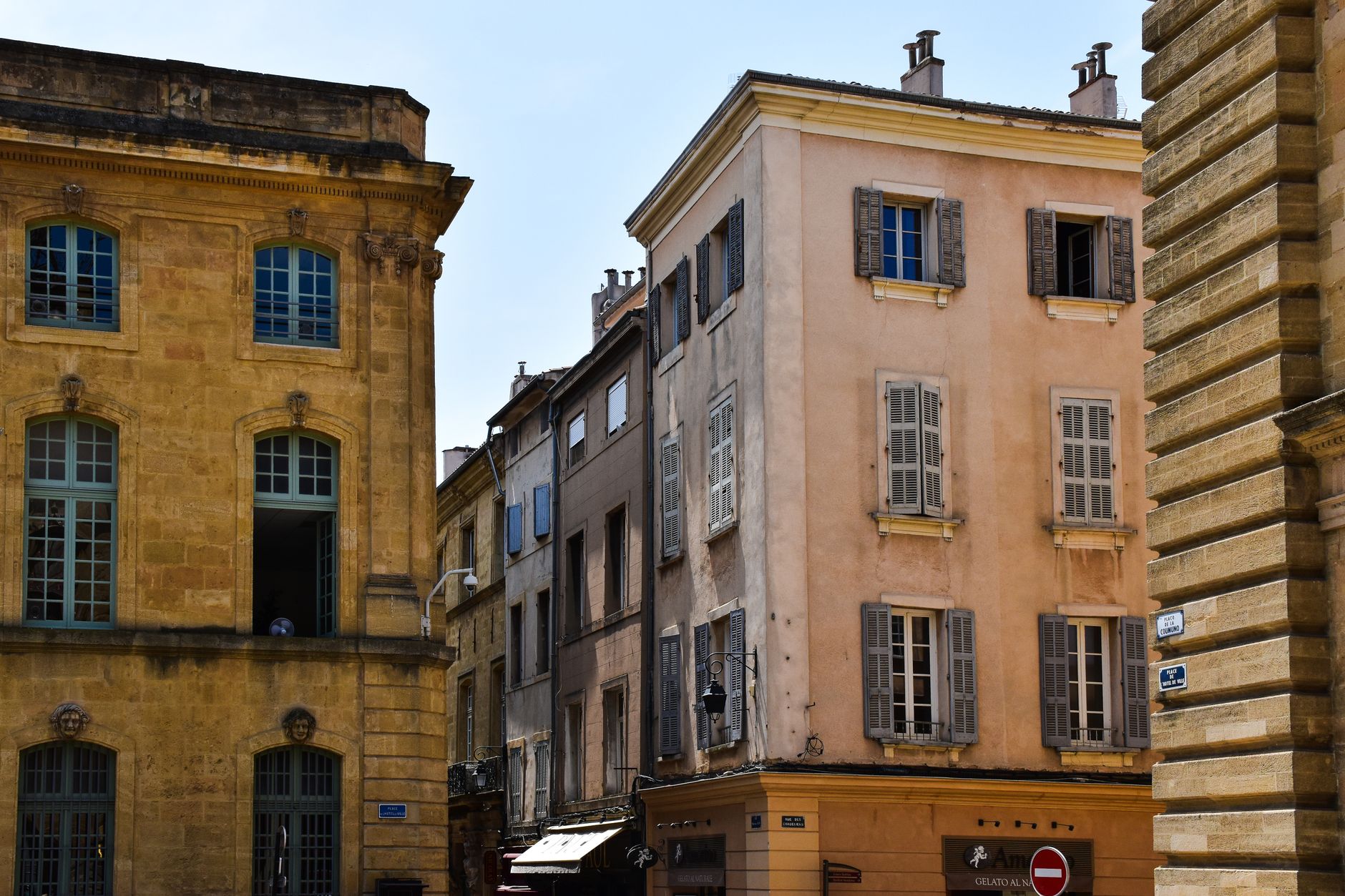
The plane trees on Cours Mirabeau have been dropping their shade over the same limestone pavement since the street was laid out along the old city ramparts in the seventeenth century. Sit long enough at Les Deux Garçons — open since 1792, once a regular haunt of Cézanne and Zola — and you begin to understand why people come to Aix-en-Provence meaning to stay a weekend and end up rearranging their lives.
The city runs on thermal springs the Romans named after their consul Sextius Calvinus, on a university founded in 1409, and on an outsized relationship with one painter who was born here, kept returning here, and built a studio on the northern edge of town specifically so he could walk to his mountain every morning.
💛 What travellers fall for
People who come back tend to time their return around the morning market on Place Richelme, then walk up to the Atelier des Lauves before the tour groups arrive — the light in Cézanne's studio barely changes from the way he arranged it. Afterward, follow the road toward the Bibémus quarries for the ochre rock that kept appearing in his canvases.
Experiences you don't want to miss


Deals in Aix-en-Provence
Book directly at the provider
How Aix-en-Provence came to be
Aix began in 123 BC when the Roman consul Sextius Calvinus established a military camp beside the local thermal springs after destroying the Gallic settlement at Entremont nearby. Twenty years later, Gaius Marius defeated the Ambrones and Teutones at the Battle of Aquae Sextiae on the same ground. By the fourth century the city was the metropolis of Narbonensis Secunda.
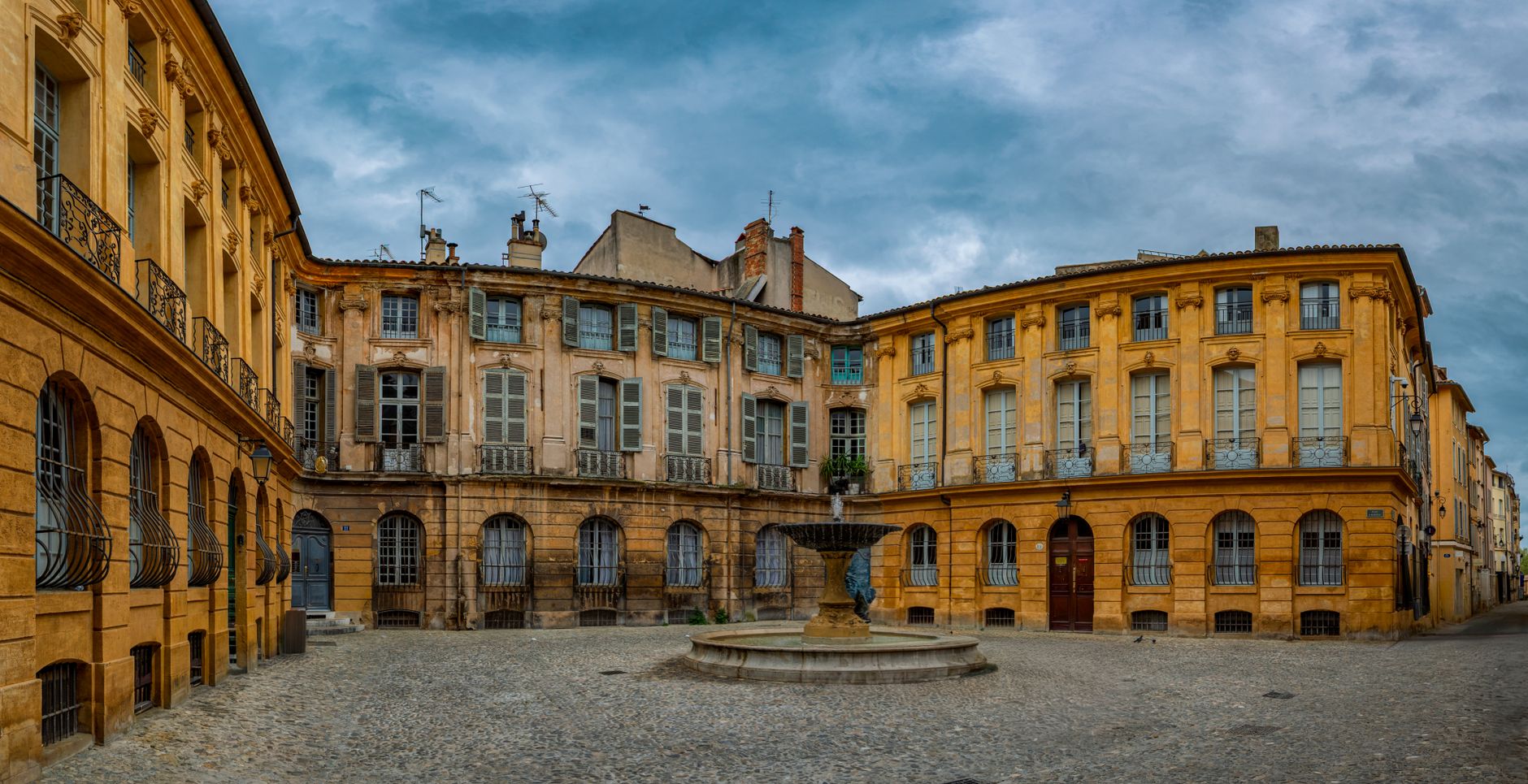
The medieval city found its shape under the Counts of Provence, who made Aix their capital from 1189. Louis II of Anjou founded the university in 1409, and his son René — who died here in 1480 — turned the court into a genuine centre of arts and scholarship. After Provence was absorbed into France in 1481, a new class of magistrates and parlementaires arrived, building the elegant hôtels particuliers of the Mazarin Quarter from 1646 onward and giving the city the architectural character it still carries today.
Who and what shaped it
People who shaped it
Landmark buildings
See Aix-en-Provence in motion
Plan your visit
On the map
When to go
Summers are hot and reliably dry, with the mistral occasionally cutting through even in July and August. Spring and autumn are mild and clear — the light in September in particular has a quality that explains a great deal about Cézanne.
Right now
Background & history adapted from Wikipedia (CC BY-SA) · specs from Wikidata (CC0) · weather from Open-Meteo · map data © OpenStreetMap contributors · photos from Wikimedia Commons / Unsplash with per-image credit. No third-party reviews or social posts reproduced.