
Monaco
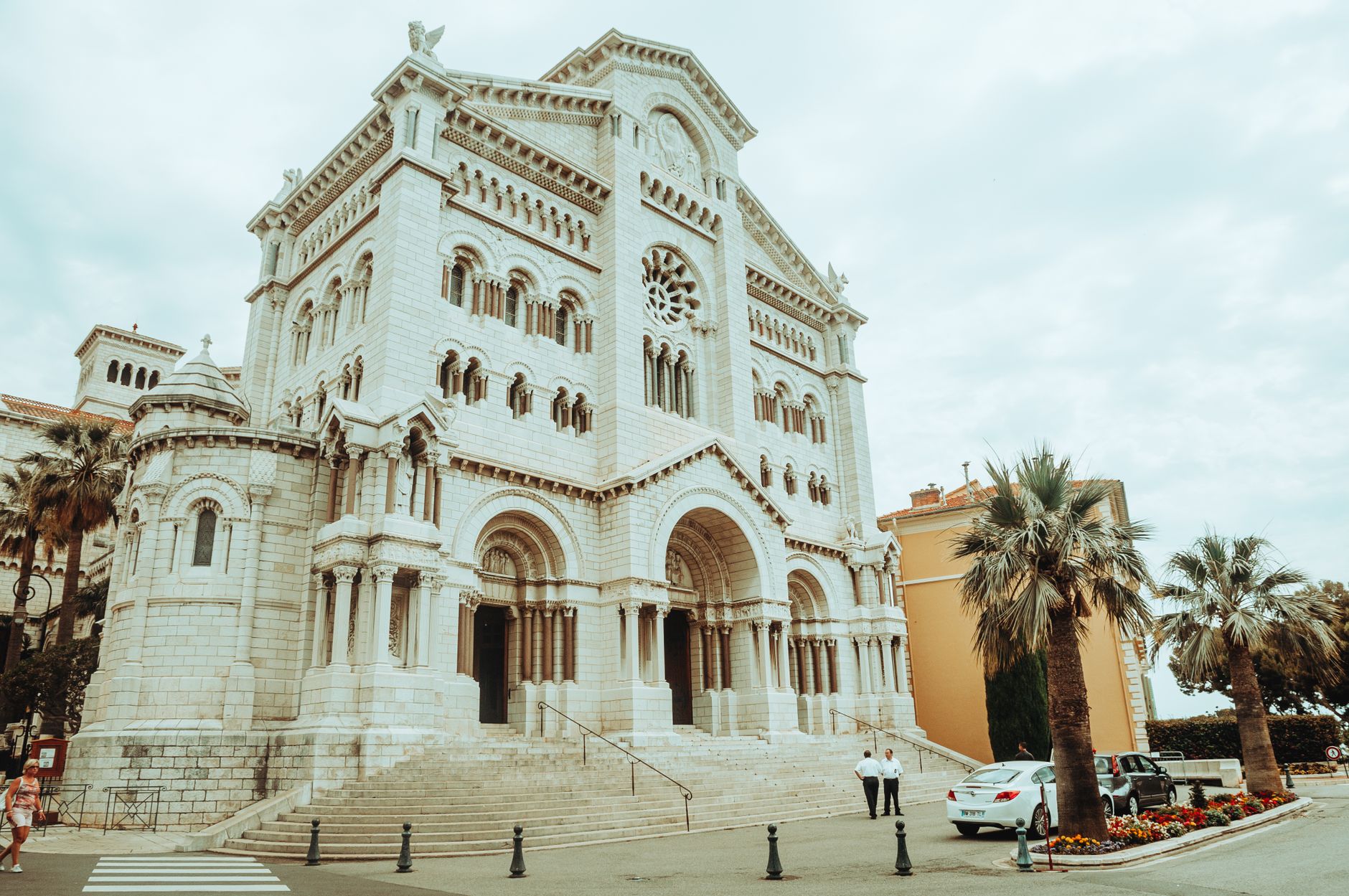
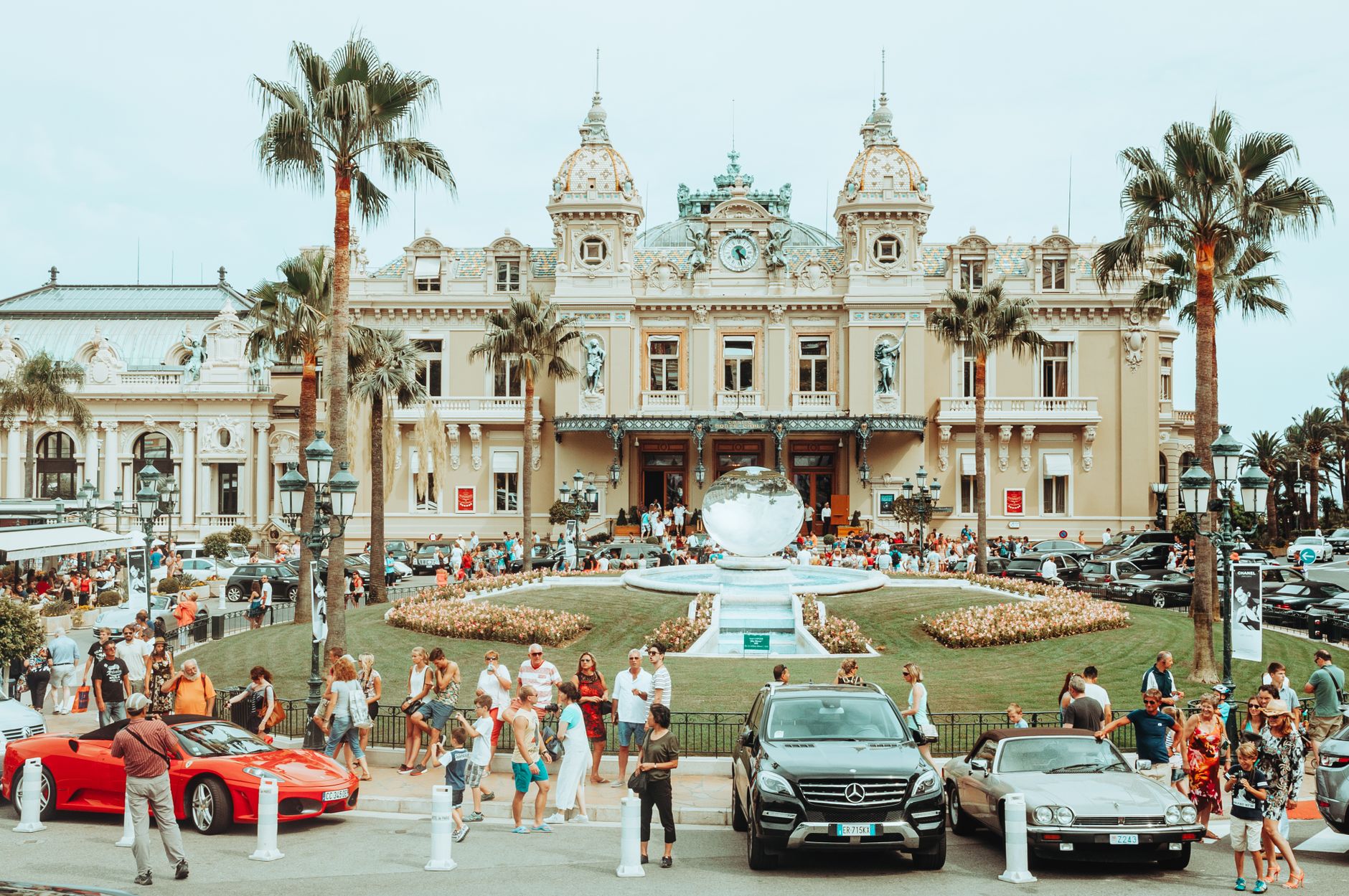
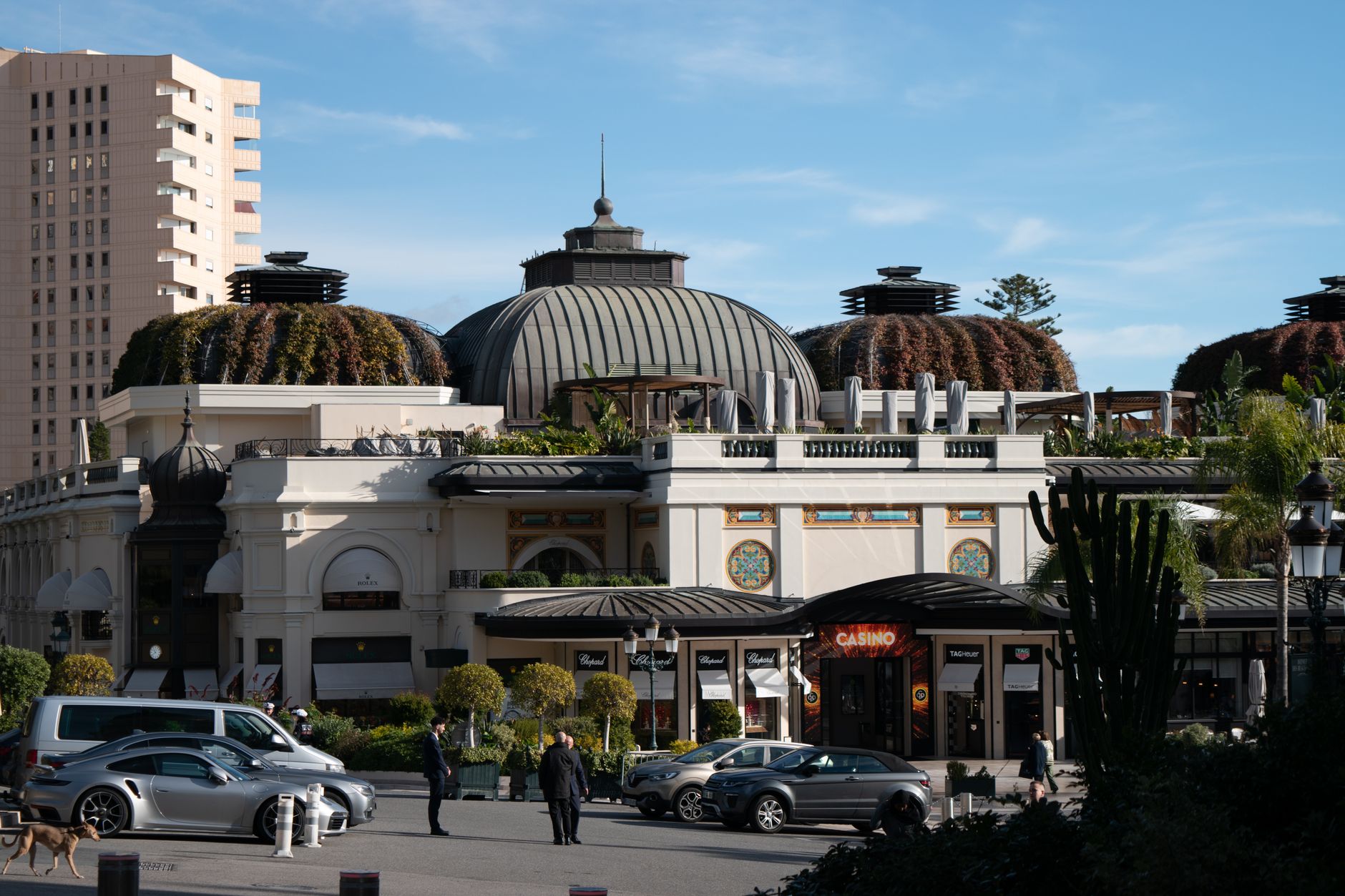
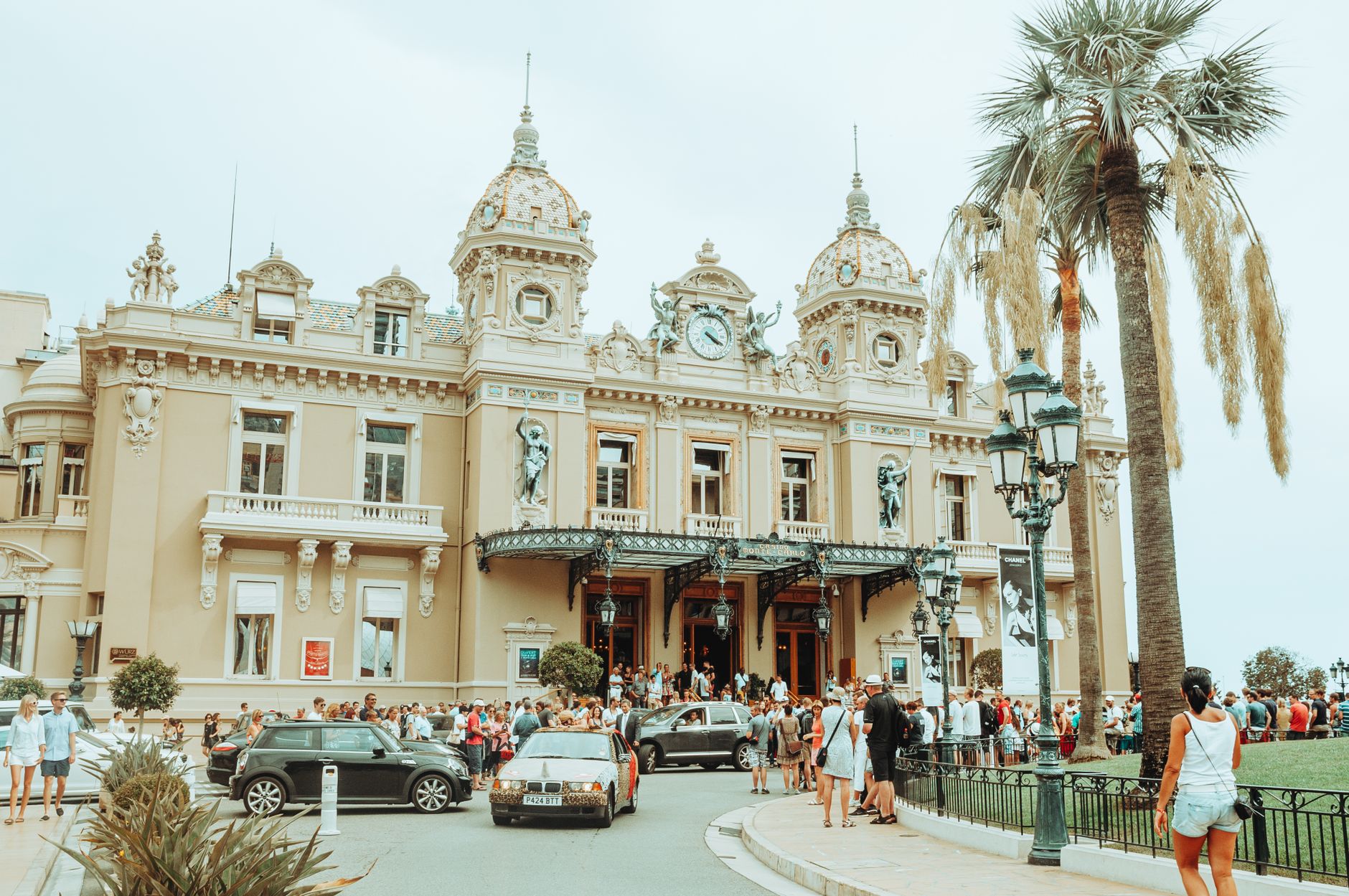
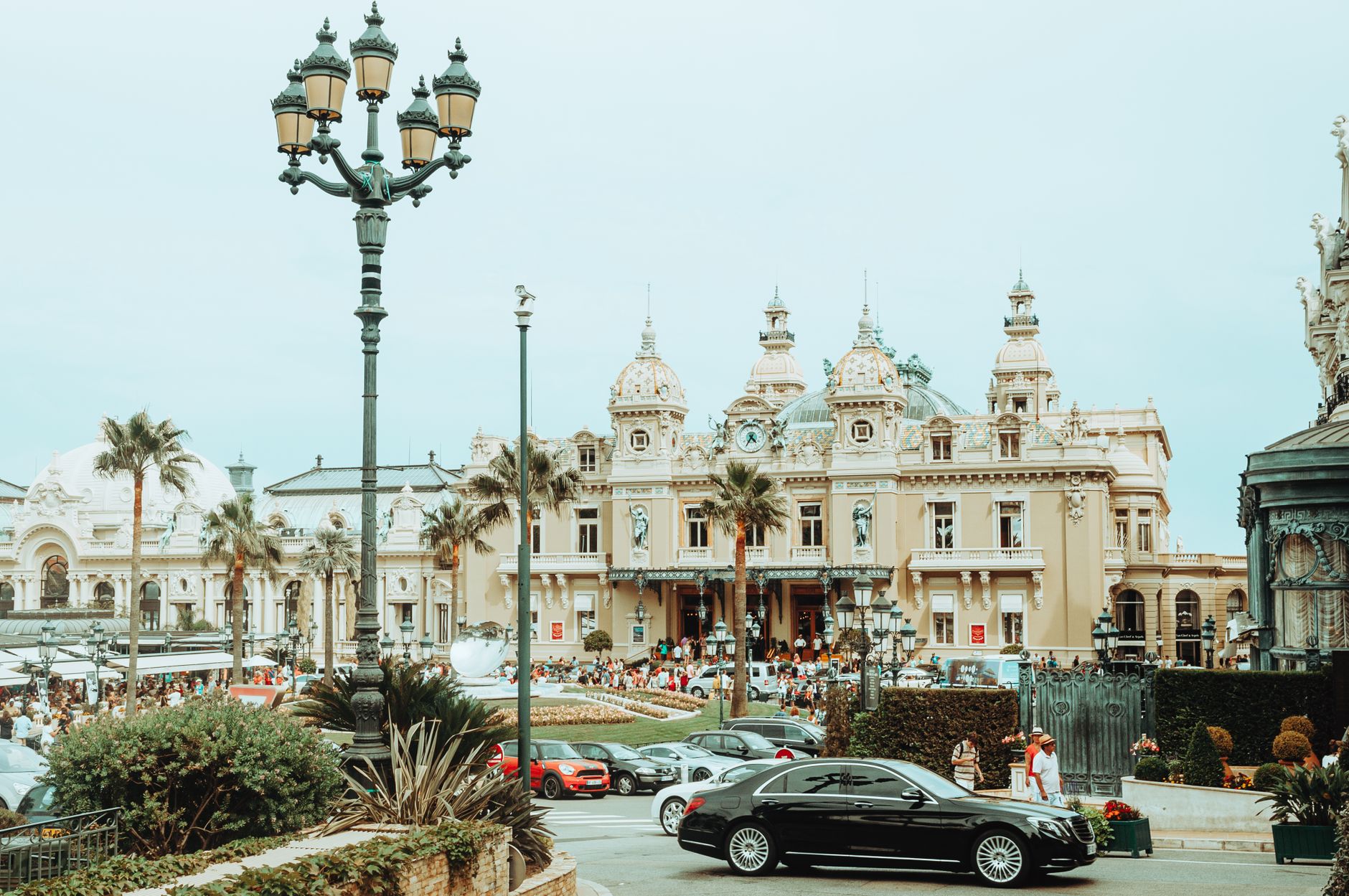
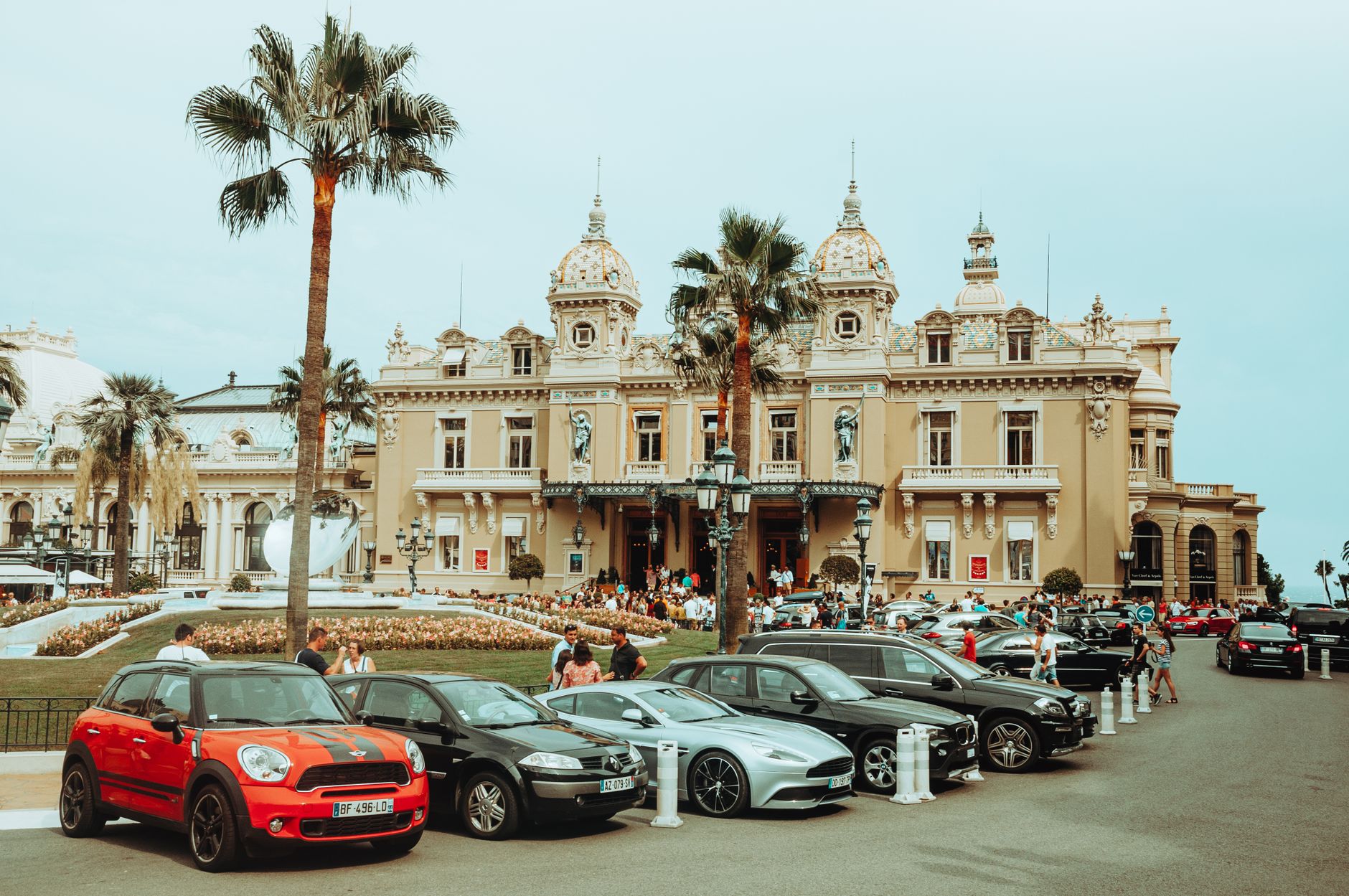
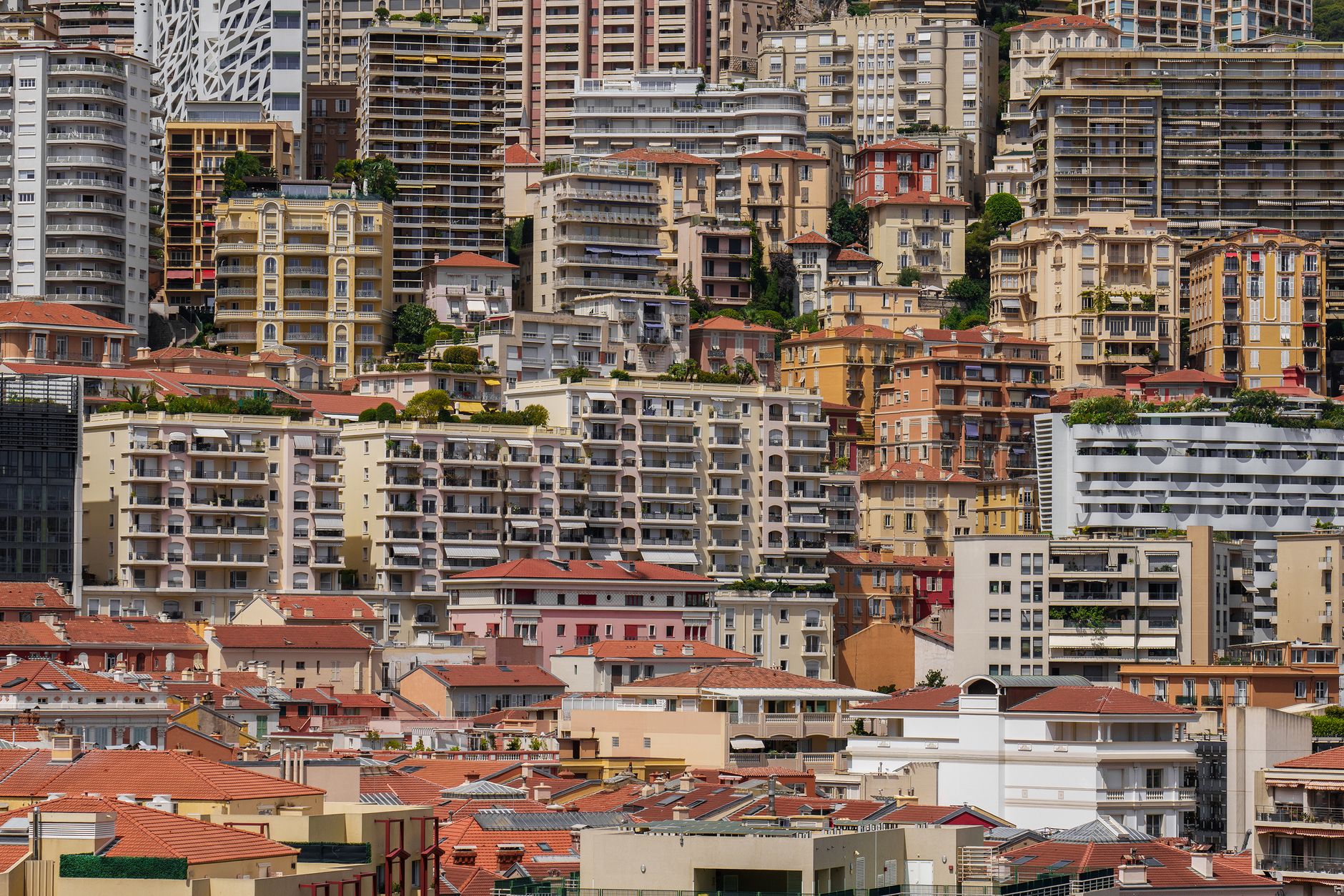
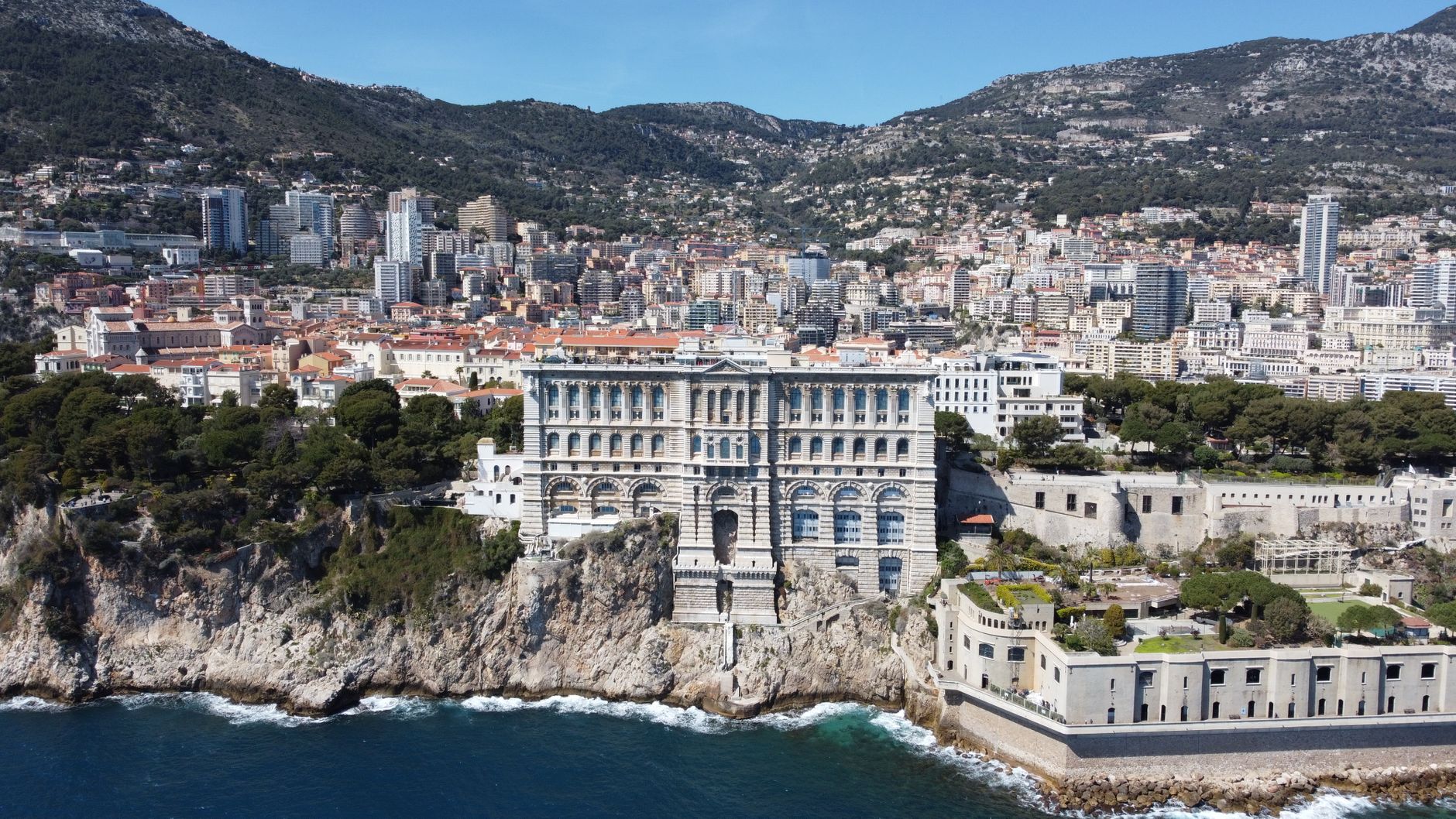
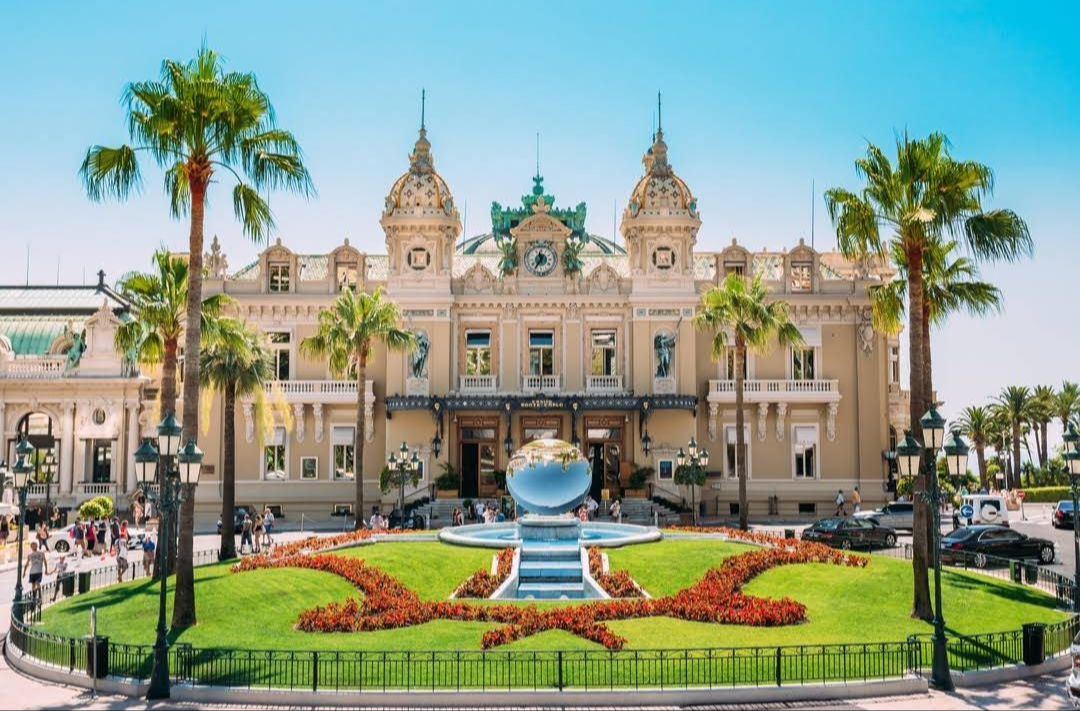
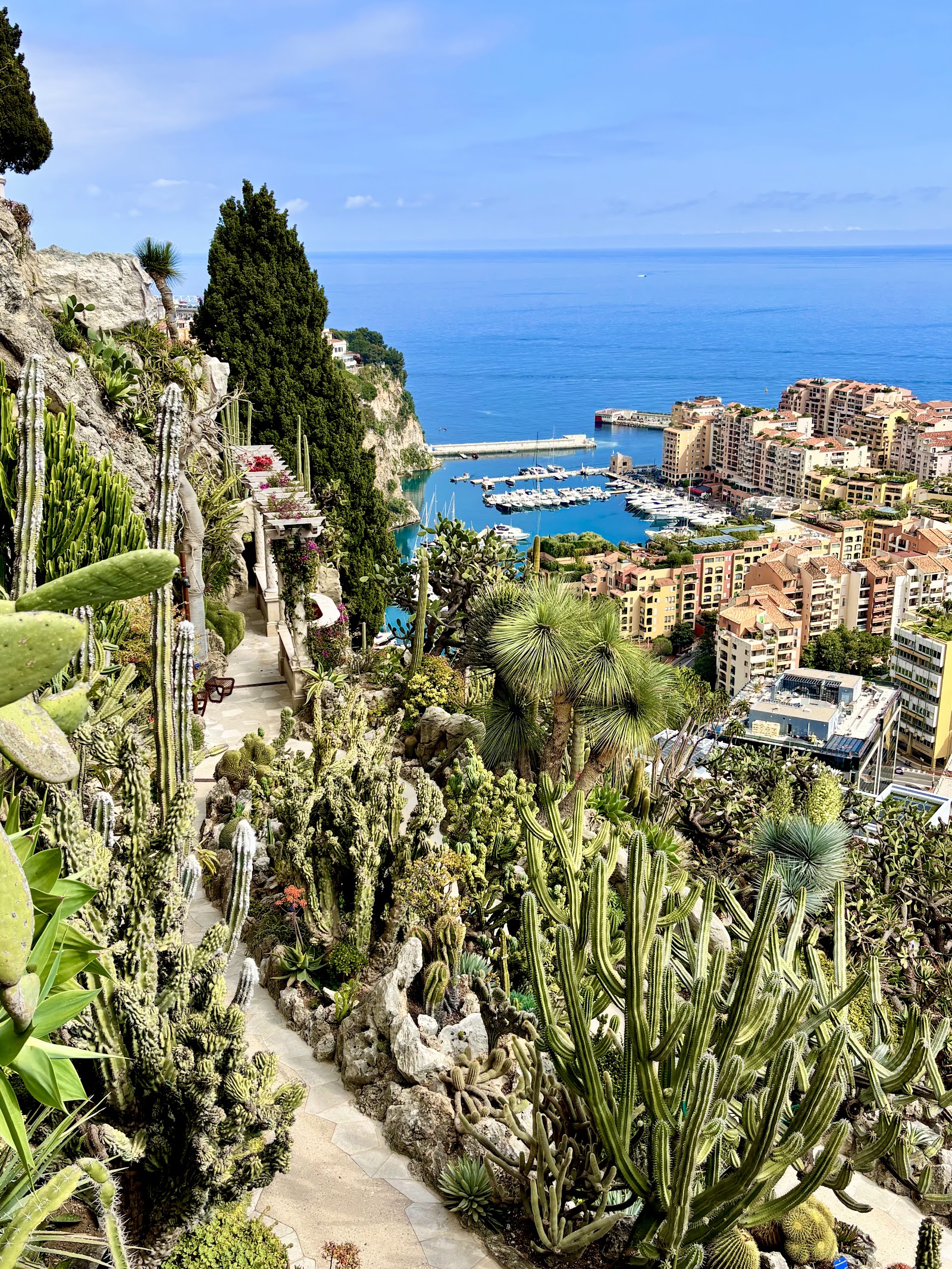
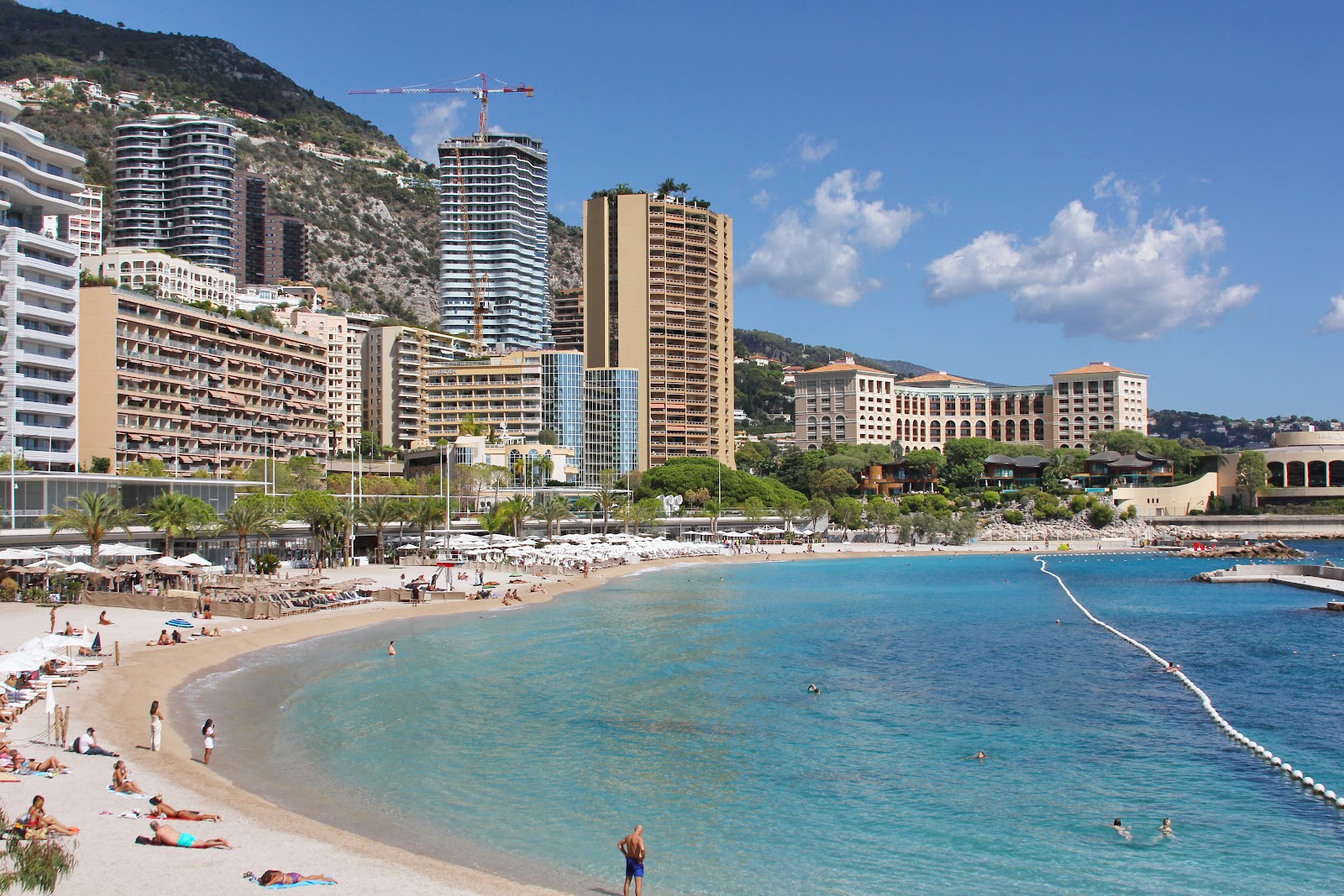
Monaco is smaller than Central Park, yet it contains a working royal palace, a cliff-face oceanographic museum, a Charles Garnier casino, and a Formula 1 circuit that threads through the streets every May. The whole principality covers about two square kilometres of steep Mediterranean hillside, which means you can walk from the Prince's Palace on the Rock to the Casino in Monte-Carlo in under twenty minutes — though the climb back up will remind you of the gradient.
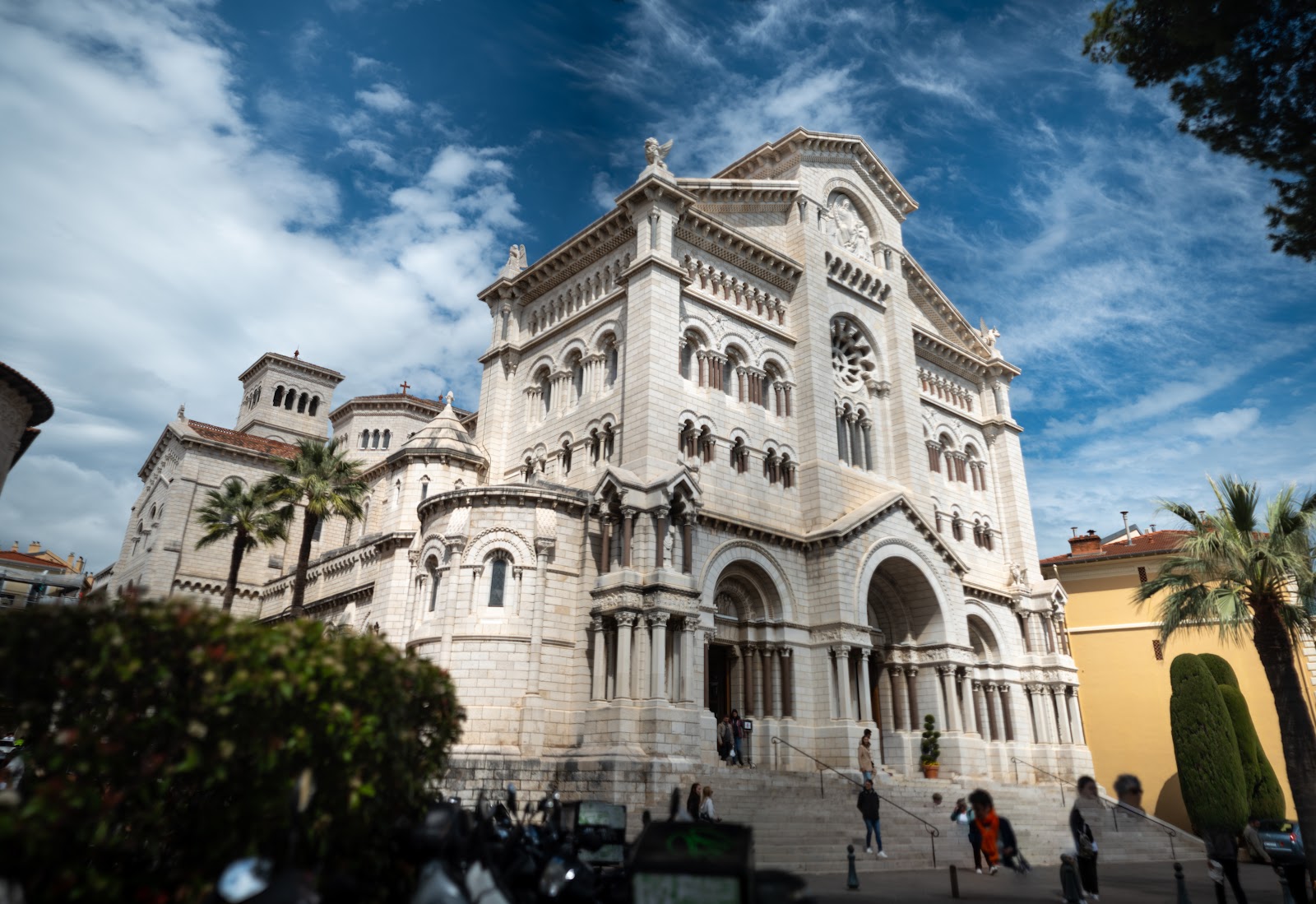
What stops Monaco from being merely a tax-haven curiosity is the density of the specific: the tombs of Grace Kelly and Prince Rainier III in the cathedral, the shark tanks inside a building cantilevered over the sea, the way the pit lane for the Grand Prix sits exactly where the road runs the rest of the year.
💛 What travellers fall for
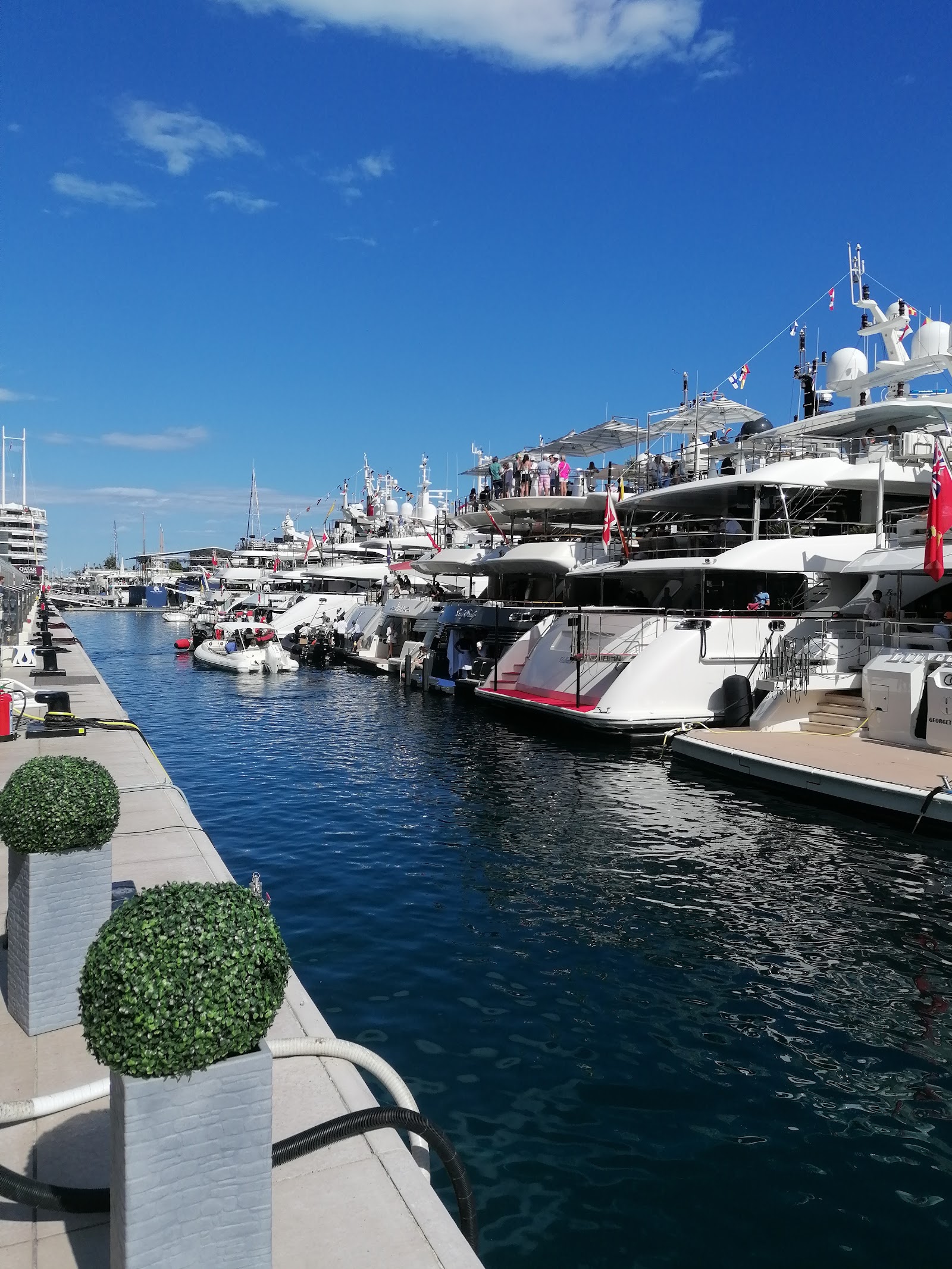
People who return tend to do the same thing: arrive by train so the first view is the harbour from below, not the motorway. They skip the Casino floor unless they want to see Garnier's interior, pay the entry, and leave. They eat somewhere on the Rock rather than on the port, where the prices track the size of the yachts.
Experiences you don't want to miss

Deals in Monaco
Book directly at the provider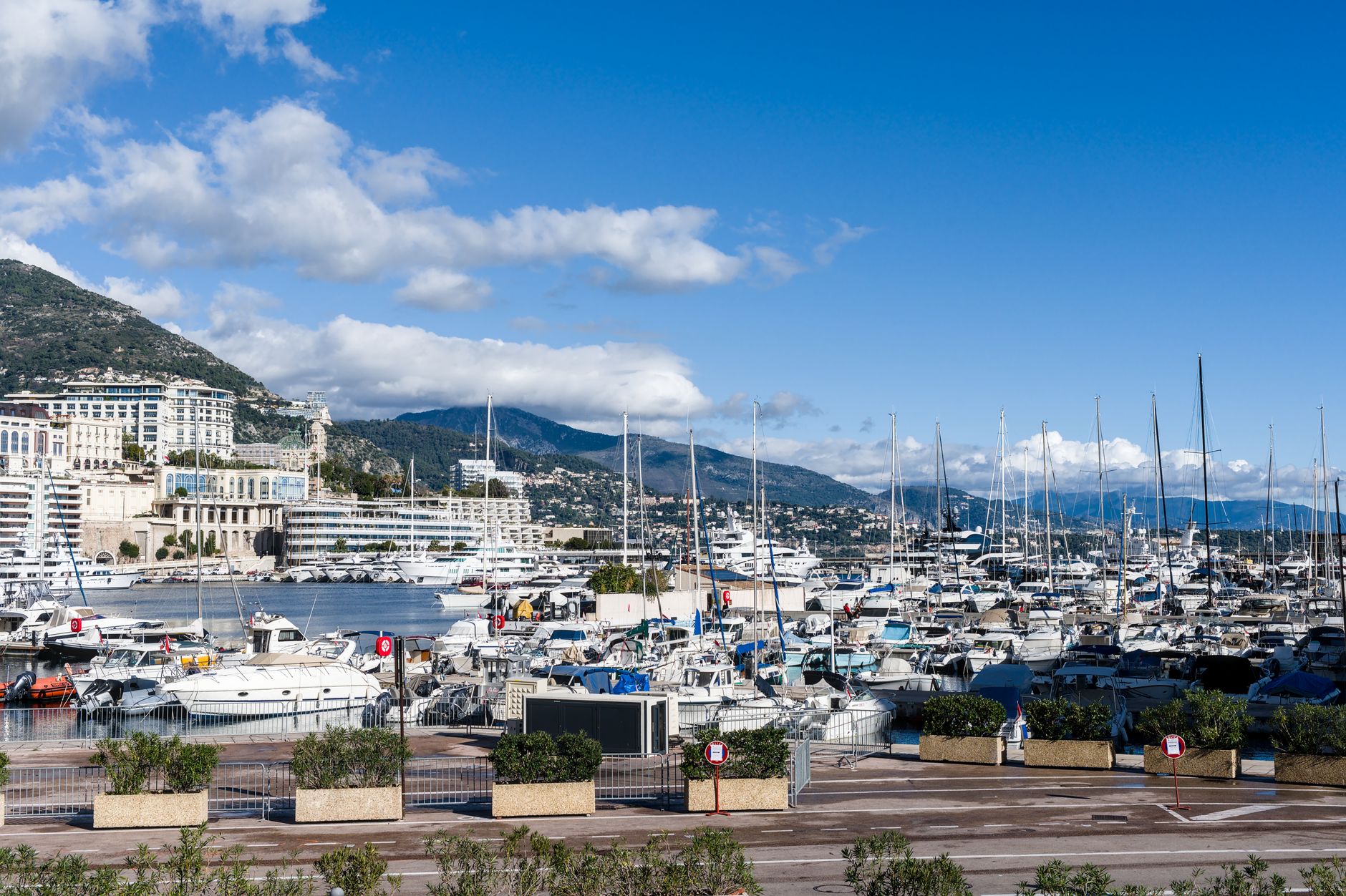

How Monaco came to be
The story starts on a rock. On 10 June 1215, Genoese Ghibellines under Fulco del Cassello began building a fortress on the promontory that still anchors the principality. The Grimaldi claim came later: on 8 January 1297, François Grimaldi — known as Malizia, the cunning one — seized the fortress disguised as a monk, beginning a dynasty that has held the Rock, with interruptions, ever since. Historians credit Charles I, who consolidated territory in the 14th century, as the real founder of the Principality.
The Monaco most visitors recognise was largely the invention of Prince Charles III, who in 1858 conceived a new district on the Spélugues plateau for sea-bathing and leisure. The Casino opened in 1863, the Hôtel de Paris in 1864, and Charles Garnier — the architect of the Paris Opéra — designed the Casino building completed in 1866. The plateau was renamed Monte-Carlo after the prince himself. The principality adopted a constitution in 1911, survived Italian and then German occupation in the early 1940s, was liberated in September 1944, and gained UN recognition in 1993.
Who and what shaped it
People who shaped it
Landmark buildings
See Monaco in motion
Plan your visit
On the map
When to go
Summers are hot and dry, often above 28°C, with the port and casino quarter noticeably warmer than the breezy Rock. Spring and autumn are the most comfortable seasons for walking the hillside streets; winters are mild by northern European standards but can be rainy, and the Grand Prix crowds in May make that week a particular kind of experience.
Right now
↡ Attractions


Background & history adapted from Wikipedia (CC BY-SA) · specs from Wikidata (CC0) · weather from Open-Meteo · map data © OpenStreetMap contributors · photos from Wikimedia Commons / Unsplash with per-image credit. No third-party reviews or social posts reproduced.