
Circuit de Monaco
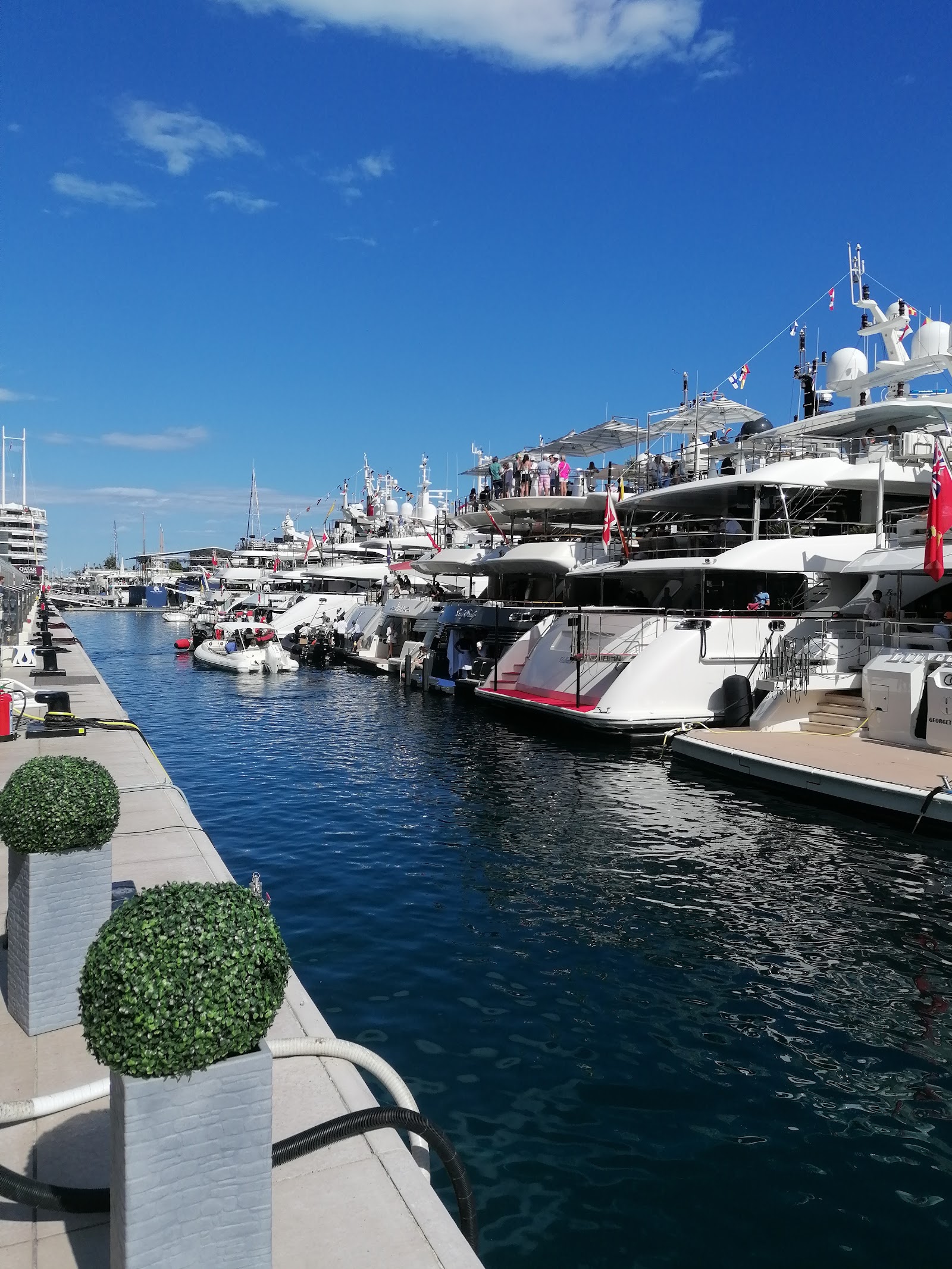
Three-point-three kilometres of public road, and for eleven months of the year you can drive every centimetre of it yourself. The Circuit de Monaco occupies the same streets that carry ordinary traffic through Monte Carlo and La Condamine — the same asphalt, the same barriers removed, the same tunnel where cars brush 260 km/h in near-darkness. Stand at the Fairmont Hairpin on a quiet Tuesday and the geometry of the thing becomes clear: the track is absurdly, almost comically tight, a corkscrew through a city that was never built for speed.
That compression is exactly the point. Nineteen corners in 3.337 kilometres, with the harbour on one side and apartment blocks close enough to touch on the other. No circuit on the Formula One calendar looks remotely like it.
💛 What travellers fall for
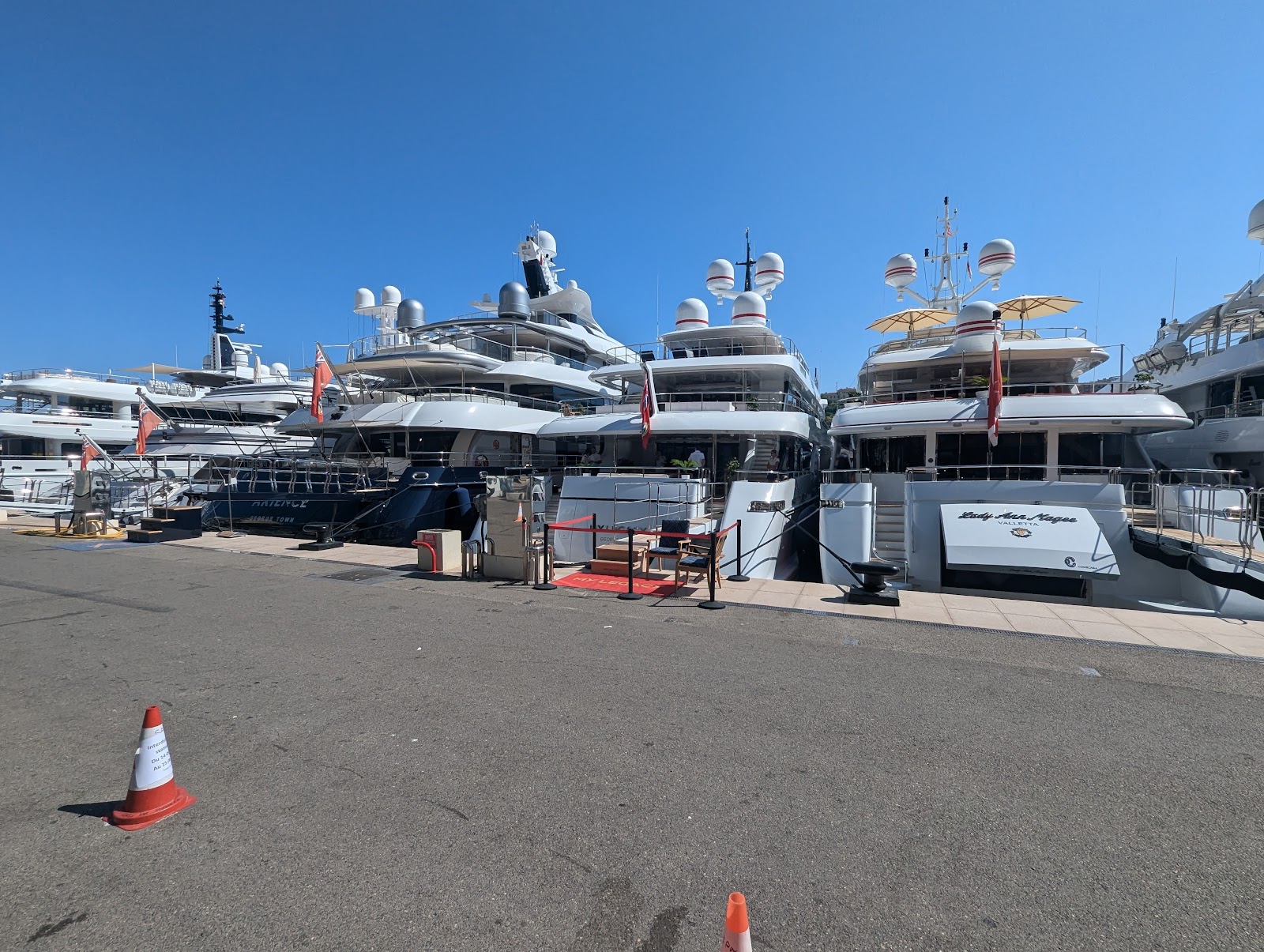
People who've been more than once tend to agree: skip the Rocher standing area — it's a hillside climb for a distant view of little. Grandstand seats at Sainte Dévote or the Swimming Pool section put you close enough to feel the air move. Book tickets the moment they go on sale, and bring a single-lens camera rather than a professional rig, which will be turned away at the gate.
The story behind Circuit de Monaco
The circuit was conceived by Antony Noghès, a wealthy cigarette manufacturer with close ties to the Grimaldi family and the presidency of the Automobile Club de Monaco. He designed the layout himself, and on 14 April 1929 the first Grand Prix ran through these streets — William Grover-Williams winning in a Bugatti. The race joined the inaugural Formula One World Championship calendar in 1950 and, after a brief absence, has run continuously since 1955.
The track has shifted incrementally over the decades. The Swimming Pool section was built on reclaimed harbour land. In 1986 a new concrete extension into the harbour created the Nouvelle Chicane, slowing what had been a fast complex. The Fairmont Hairpin — the slowest corner in Formula One at 48 km/h — takes its name from the hotel that rose over the old Tir-aux-Pigeons Tunnel between 1973 and 1985. Ayrton Senna won here six times, a record that still stands.
Good to know
Fly into Nice, then take a helicopter transfer (seven minutes) or the train (around €65, roughly five to six hours — check connections carefully). The circuit has no dedicated parking; use Monaco's public car parks. Outside race weekends the roads are open to traffic, which is the easiest way to trace the layout at your own pace.
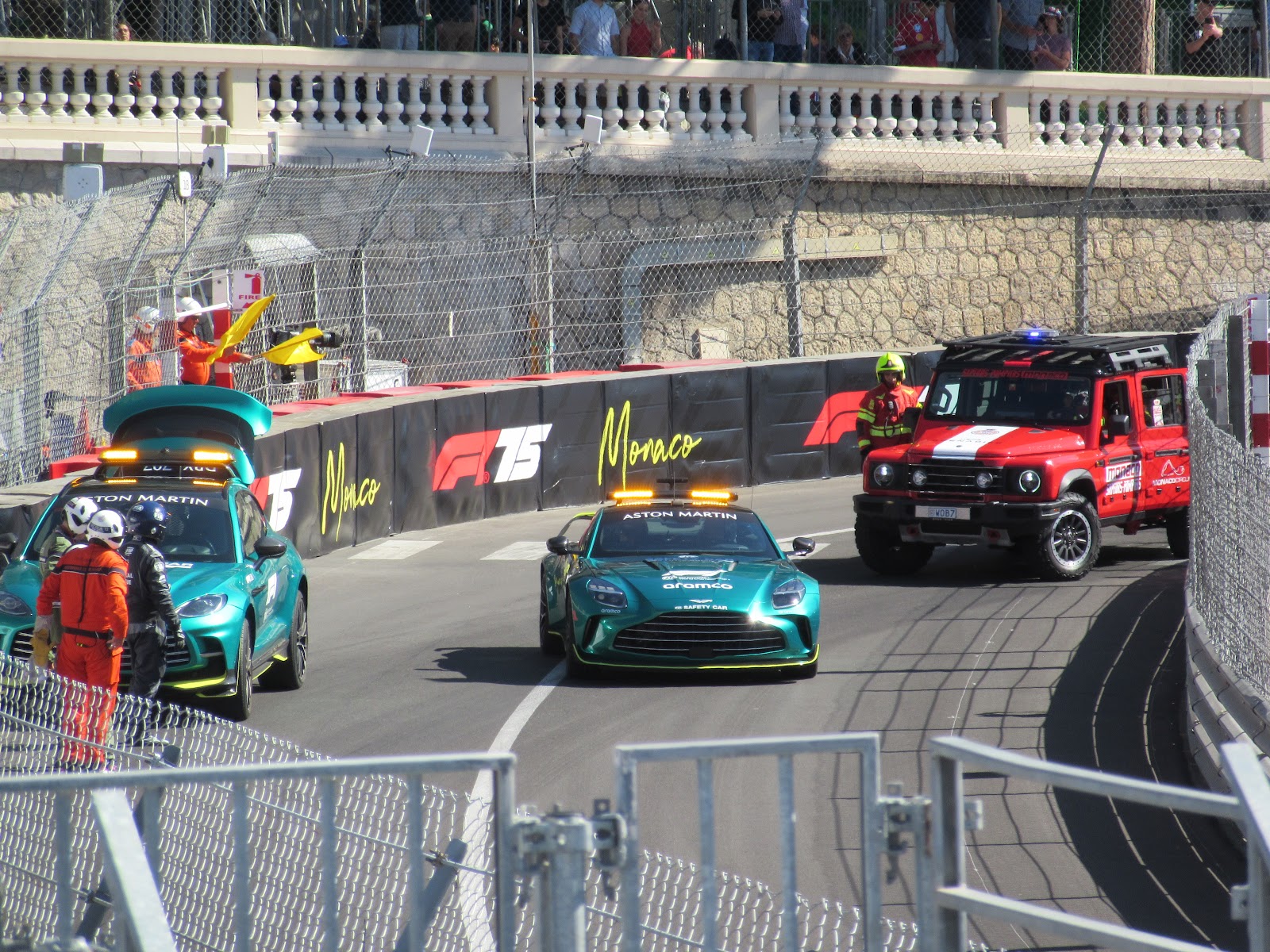
The Grand Prix weekend falls at the end of May, when daytime temperatures sit between 16 and 22°C and the sun is out for the better part of the day. Rain probability is only around 20 percent, but when it arrives — as it did in 1996, when only three cars finished — the narrow streets pool quickly and conditions change fast. Outside race season the circuit roads are pleasant to walk or drive year-round; summers are warm and dry, winters mild.
Where is Circuit de Monaco?
More tickets & tours for Circuit de Monaco
Book directly at the provider
What travellers say about Circuit de Monaco
Well, I was not in an F1 car nor was my car fast lamborghinis were passing me, but I can say I have driven on the Monaco circuit and it was pretty cool in this city to drive on this road. Knowing that cars do 200 miles an hour, when I could barely even stay in between the lines. This was a cool journey through this crazy, cool city
The Circuit de Monaco is world-renowned as one of the most prestigious, demanding, and historic venues in motorsport. It is famously used for the Formula 1 Monaco Grand Prix, held annually on the tight, narrow, and winding streets of Monte Carlo and La Condamine since 1929. Amazing race a little chaotic very fun.
Unbelievable that F1 cars drive through Monaco streets… Unique location with impressive views. Highly recommended for a visit.
Don't even try to walk anywhere apart from the Grand Prix Stand you have tickets for. Everything is blocked off and impossible to move anywhere. Public transport worse than normal. Prepare to stand on Train too from Cannes and Nice
Such a cool place and amazing experience! Beautiful views of the water, amazing views of the track. Really well setup for Formula-E.
More of Monaco
Discover where to stay, what to do and the best deals for your trip.
Explore Monaco →More attractions in Monaco
All of Monaco →


Background adapted from Wikipedia (CC BY-SA) · map data © OpenStreetMap contributors · ratings & place photos via Google · other photos with per-image credit. Ticket links may earn us a commission at no extra cost to you.