
Prince's Palace of Monaco

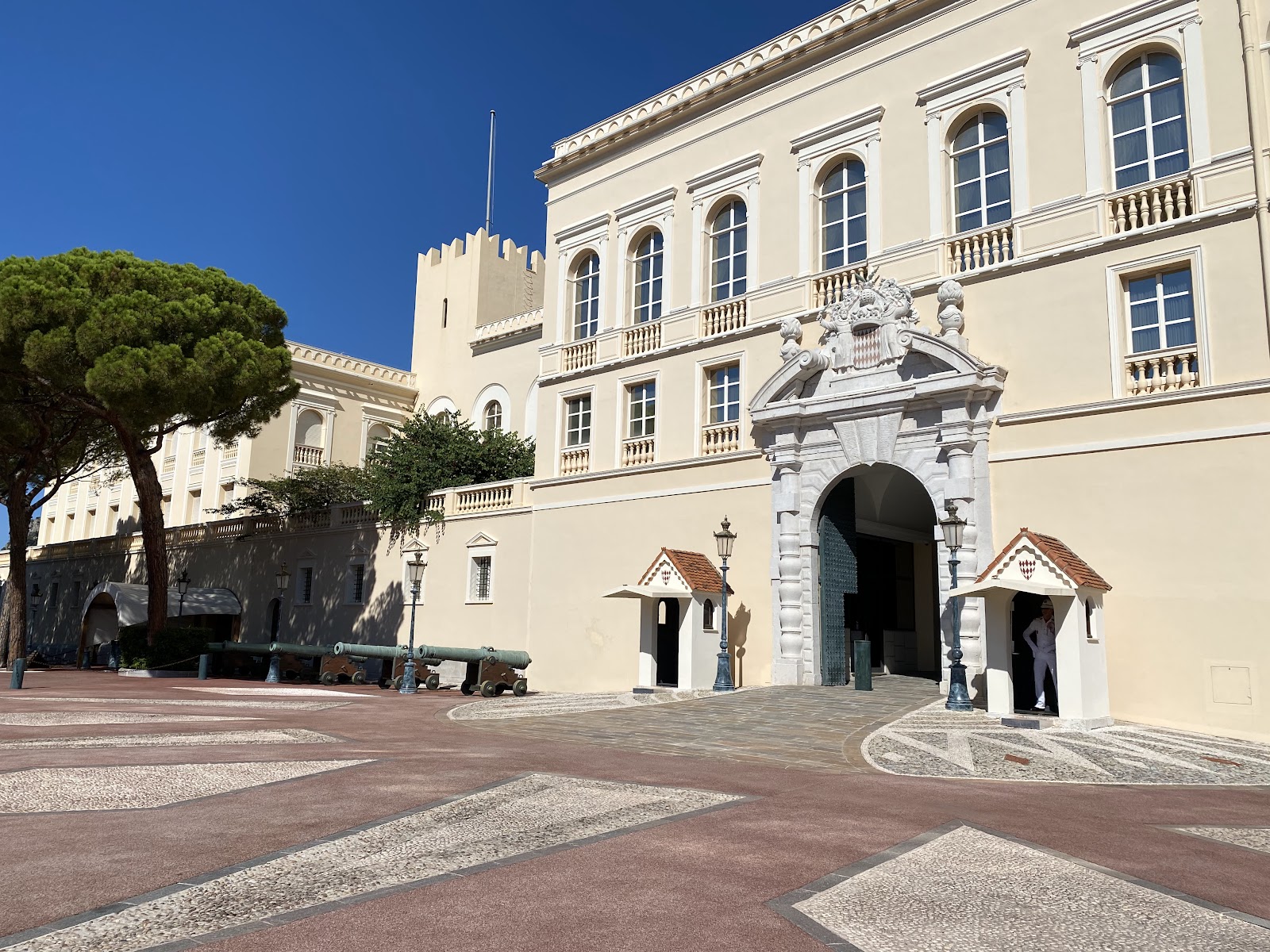
The palace sits at the western tip of the Rock of Monaco, a limestone promontory where a Genoese fortress has stood since 1191. What you see today — the horseshoe staircase of Carrara marble, the Gallerie d'Hercule with its twelve arches per gallery, the enfilade of state apartments — is the result of centuries of layering, from military stronghold to royal residence, each generation of Grimaldis adding or embellishing.
The State Apartments open to visitors for roughly half the year, and the route takes you through rooms that still function: the Throne Room, the Hall of Mirrors, the Blue Room hung with silk brocade. The palace is not a museum of a dead dynasty but the working home of a ruling one.
💛 What travellers fall for
People who come back tend to time their arrival for 11:30 so they can watch the Changing of the Guard at 11:55 before heading inside. They also mention the cistern — not always highlighted, but worth pausing on: a vaulted chamber beneath the courtyard, 80 metres wide, built to sustain a thousand soldiers through a siege of nearly two years.
The story behind Prince's Palace of Monaco
François Grimaldi took the fortress on 8 January 1297 — the founding moment the dynasty still marks — but the building he seized was a Genoese military structure, not a palace. The transformation came gradually. By the reign of Honoré I, who ruled from 1522 to 1581, the old ramparts had been softened into something closer to a residence. Architect Jacques Catone, working under Honoré II, enlarged the building further, adding the decorative façade and creating the sequence of state apartments. Architect Antoine Grigho designed the new entrance and the horseshoe staircase, while Dominique Gallo laid out the Gallerie d'Hercule.
The palace's lowest point came in January 1793, when the National Convention ordered Monaco absorbed into France. The State Apartments became a military hospital, the Throne Room a kitchen. Monaco was returned to the Grimaldis in 1814, and restoration work has continued in various forms ever since — as recently as 2015, renovation uncovered 16th-century frescoes hidden behind a false ceiling in the Royal Courtyard.

Good to know
State Apartments open 30 March to 15 October; 10am–7pm in July and August, 10am–6pm the rest of the season. Avoid the F1 Grand Prix weekend — the palace closes. Photography is banned inside. Allow 1 to 1.5 hours for the tour. Tickets are non-refundable but valid all season. Walk up via Rampe Major from Place d'Armes (10 minutes) or cut through the alleys from Place de la Visitation (5 minutes). The site has limited accessibility for visitors with disabilities.
Where is Prince's Palace of Monaco?
More tickets & tours for Prince's Palace of Monaco
Book directly at the provider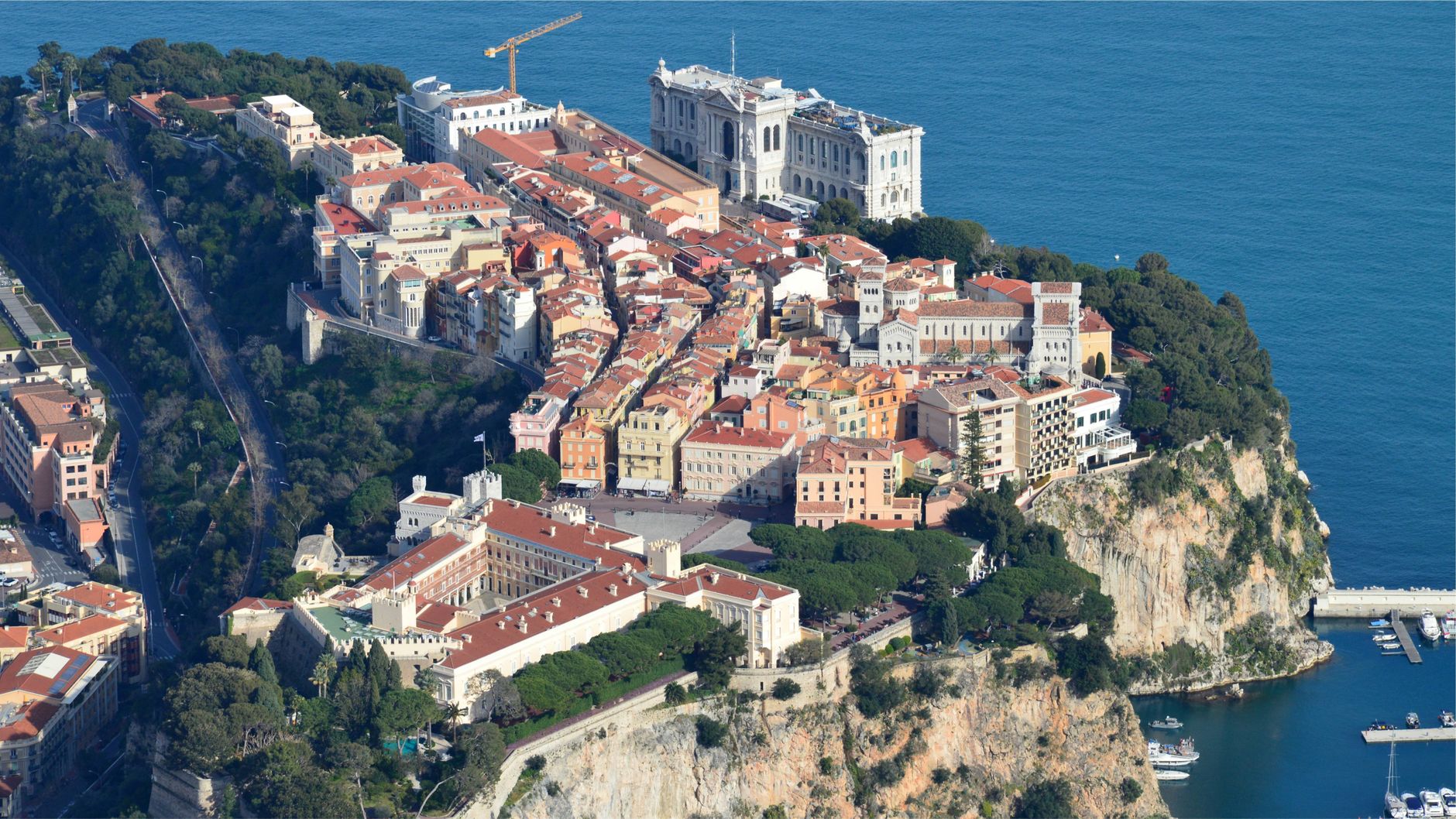
What travellers say about Prince's Palace of Monaco
Prince's Palace of Monaco is an absolutely stunning place to visit and one of the highlights of Monaco. The palace is full of history, elegance, and incredible views overlooking the sea and the city. The atmosphere around the palace feels peaceful, luxurious, and very special. Walking through the area feels like stepping into another world, with beautiful streets, classic architecture, and breathtaking scenery everywhere around you. The views from the top are unforgettable and perfect for photos, especially on a sunny day. Whether you are interested in history, architecture, or simply enjoying the beauty of Monaco, this place is definitely worth visiting and creates a truly memorable experience.
The Palace was absolutely wonderful. I wasn't sure what to expect with the low price of admission and how much access there would be to visitors. The rooms we saw on the tour were just beautiful with so much art to enjoy. The highlight of the tour was seeing workers restoring hundreds of years old frescoes. The Prince's Palace was quite enjoyable!
Visiting the Prince's Palace of Monaco was such a fun and memorable experience! I didn't even realise you could actually go inside and see the State Apartments until someone pointed it out to me, and I am so glad they did. The staff and guards were incredibly friendly and helpful. Speaking of the guards—they are very handsome! Ladies, a top tip: make sure you wear your sunglasses so no one can tell exactly where you're looking! 😉 Unlike Buckingham Palace, where photo restrictions are strict, you have much more freedom here, which I loved. The walk up to the palace through the winding streets of Old Monaco is absolutely unforgettable on its own. During my visit, they also had a beautiful exhibition on Grace Kelly’s wedding, filled with historic photos and videos, and artefacts that give you a great look into Monaco's royal history. I loved every minute of it and highly recommend that everyone visits at least once!
I was so intrigued because i kept on seeing this lovely place from far away. It has the most beautiful view of Monaco and when you done at the castle there is so much more down the road to discover. A lovely walk.
A lifetime experience while visiting from California. Seeing the Changing of the Guard in front of the Prince’s Palace was truly special and something I will always remember. I do wish I had visited during the period when interior tours are open, but even from the outside, the palace is absolutely stunning. The views overlooking the hillside and harbor, along with the historic setting, make it incredibly beautiful and meaningful. A must-see landmark in Monaco — full of history, elegance, and unforgettable scenery.
More of Monaco
Discover where to stay, what to do and the best deals for your trip.
Explore Monaco →More attractions in Monaco
All of Monaco →

Background adapted from Wikipedia (CC BY-SA) · map data © OpenStreetMap contributors · ratings & place photos via Google · other photos with per-image credit. Ticket links may earn us a commission at no extra cost to you.