
Jardin Exotique de Monaco
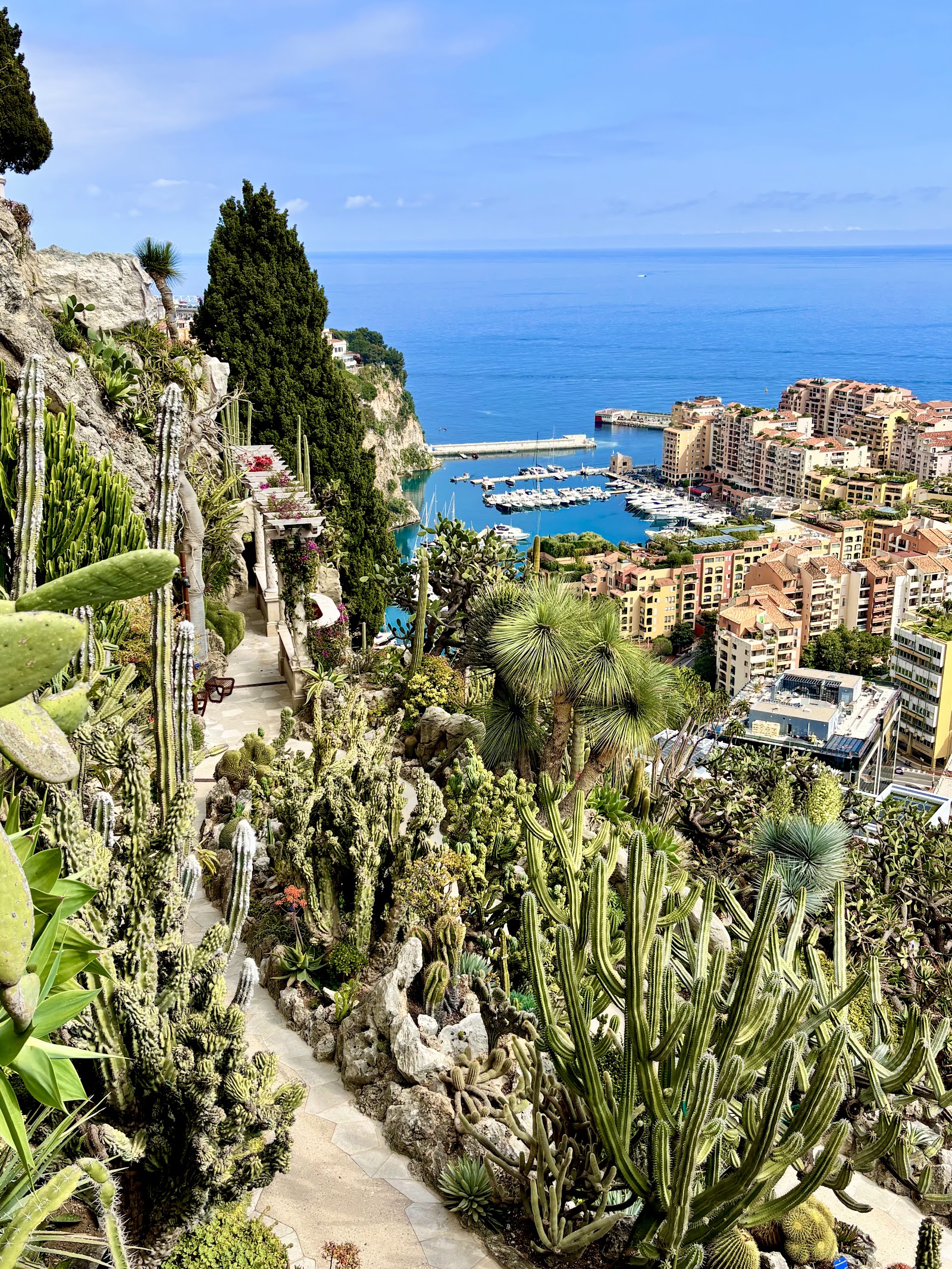
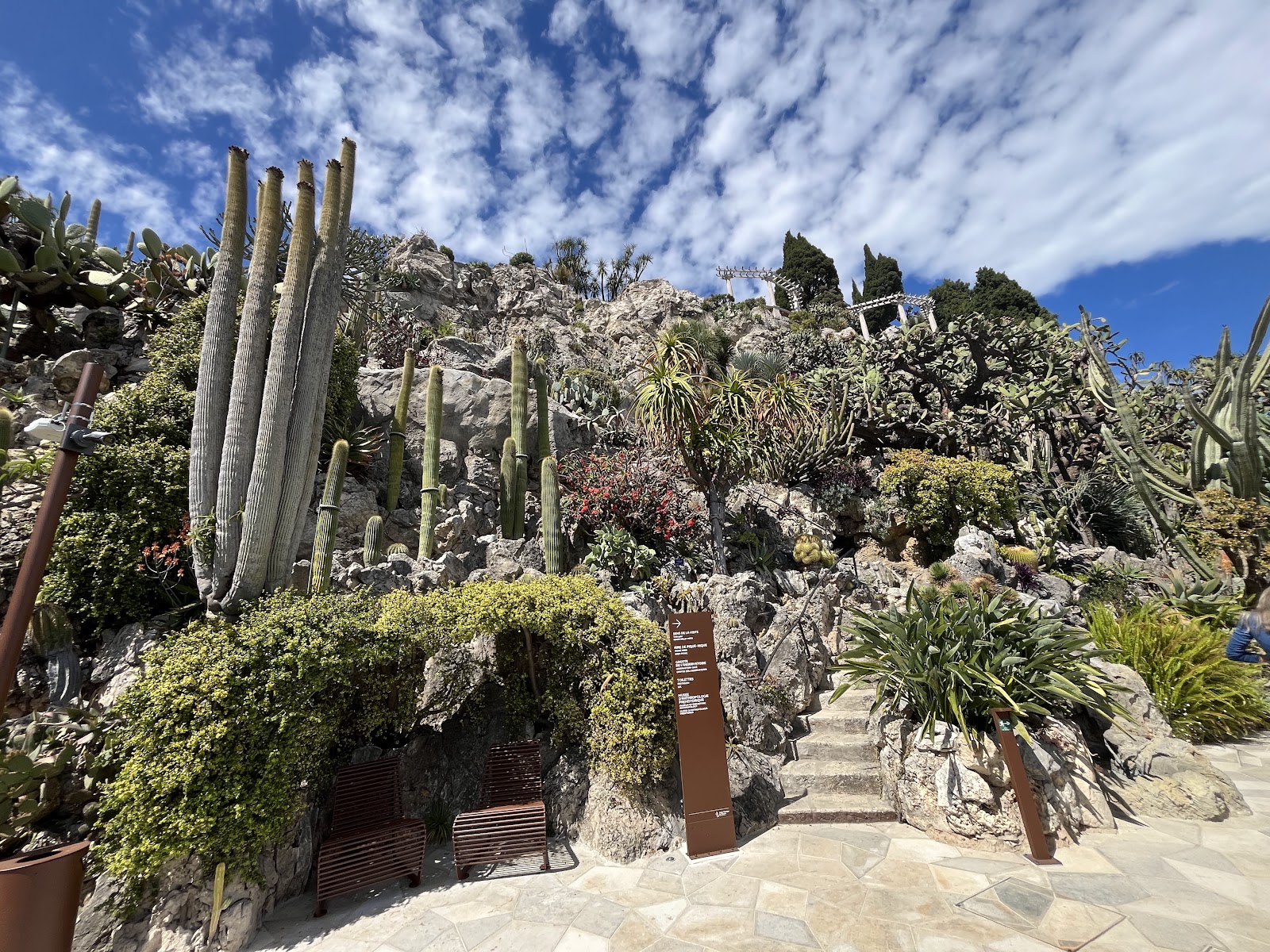
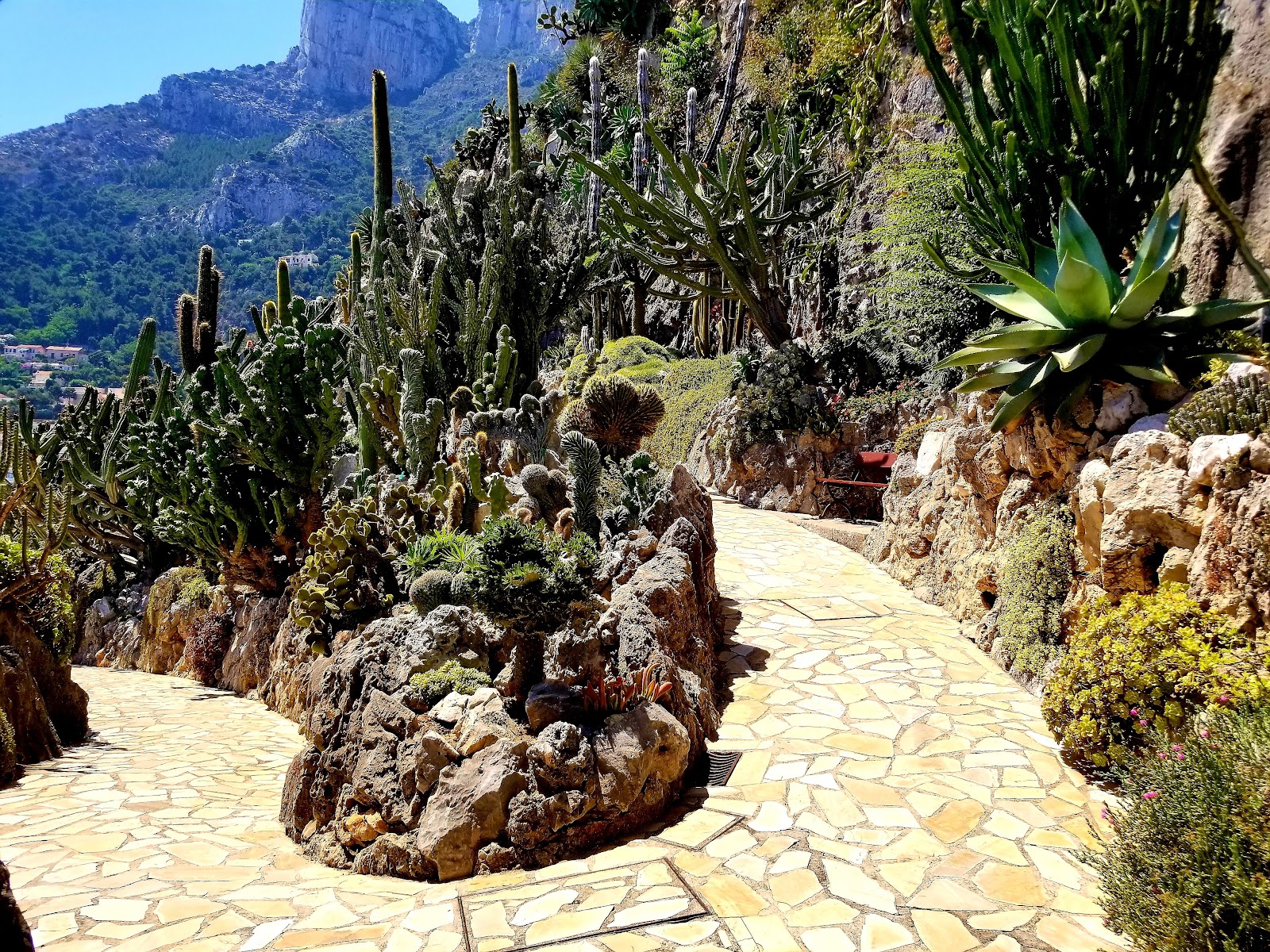
A cliff garden of cacti and succulents hanging 65 to 100 metres above the Mediterranean sounds improbable, and yet here it is — over 6,000 varieties of plants from the arid zones of the Americas, Africa and Arabia clinging to a near-vertical promontory above Monaco. Candelabra euphorbias rise beside columnar cacti; century-old agaves spread their rosettes at the path's edge; specimens planted in the 1930s have grown into something closer to sculpture than horticulture.
Below the garden, a staircase of 300 steps descends into the Observatory Cave, where evidence of early human habitation sits alongside the bones of animals long gone from this part of the world. The Museum of Prehistoric Anthropology shares the site, making this one of the few places where you move in a single visit from living desert flora to the deep past.
💛 What travellers fall for
People who come back tend to time it around the aloes — January and February, when the African species flower in reds and oranges against the winter light. The cave tour runs hourly from 10am and fills up; arriving early gets you a quieter group. The panoramic views down to the coast are best from the upper paths before the afternoon haze sets in.
The story behind Jardin Exotique de Monaco
Prince Albert I acquired this promontory in 1912 and set his Chief Engineer, Louis Notari, to work the following year. The project had an unlikely champion in Augustin Gastaud, the State Gardens' chief gardener, who had become absorbed by succulent plants, and botanist Auguste Chevalier, who pushed the concept forward. Construction ran through the 1910s and 1920s; the garden opened informally in 1931 and was formally inaugurated on 7 February 1933 by Prince Louis II.
In 1916, workers uncovered what became known as the Observatory Cave in the eastern section — a grotto with traces of prehistoric animal life and early human settlement. The Museum of Prehistoric Anthropology, originally founded by Prince Albert I in 1901, was relocated here in 1959. After closing in 2020, the garden underwent extensive renovation and reopened on 30 March 2026.
Good to know
Bus Line 2 runs directly to the Jardin Exotique stop from Monaco's train station and city centre. The garden is open daily (closed during the Monaco Grand Prix, 19 November and 25 December). Adults pay €12 for the garden alone; €15 adds the cave or botanical centre. The cave descent is not accessible to wheelchairs or pushchairs. Allow two to three hours minimum.
The garden reads differently by season: aloes and African crassulas flower in the cooler months of January and February, while most cacti bloom through spring and summer. The upper cliff paths are exposed, so a hat matters more than a coat for most of the year.
Where is Jardin Exotique de Monaco?
More tickets & tours for Jardin Exotique de Monaco
Book directly at the provider
What travellers say about Jardin Exotique de Monaco
Very recently re-opened to public, these garden offers except of cacti and plants and possibility to visit a cave also wonderful breathtaking views of the whole Principality of Monaco from above. Specially nice view is from the entrance terrace, between the cafeteria and ticket office.
Very pleasantly surprised with this place! I’m usually not the biggest fan of gardens but this one was simply beautiful. The plant choice, the architecture, the paths between the plants and of course the occasional panorama of Monte Carlo were amazing. Highly recommend if you’re in the area and looking for a relaxed activity.
Amazing number of plants around a twisting path leading down the hill to the cave tour, which is a must-do when visiting. Been to Monaco many times, but never knew about the 40m deep caves underneath.
Good place, but entry only every 1h. Terrace very nice with very cheap prices €2 soft drink and €5 for a beer. Beautiful view of Monaco
The Garden is really pretty and you get a nice view from there. If you only want to see Monaco from the top I recommend walking a bit farther up and save the entry for the Garden.
More of Monaco
Discover where to stay, what to do and the best deals for your trip.
Explore Monaco →More attractions in Monaco
All of Monaco →

Background adapted from Wikipedia (CC BY-SA) · map data © OpenStreetMap contributors · ratings & place photos via Google · other photos with per-image credit. Ticket links may earn us a commission at no extra cost to you.