
Saint-Tropez
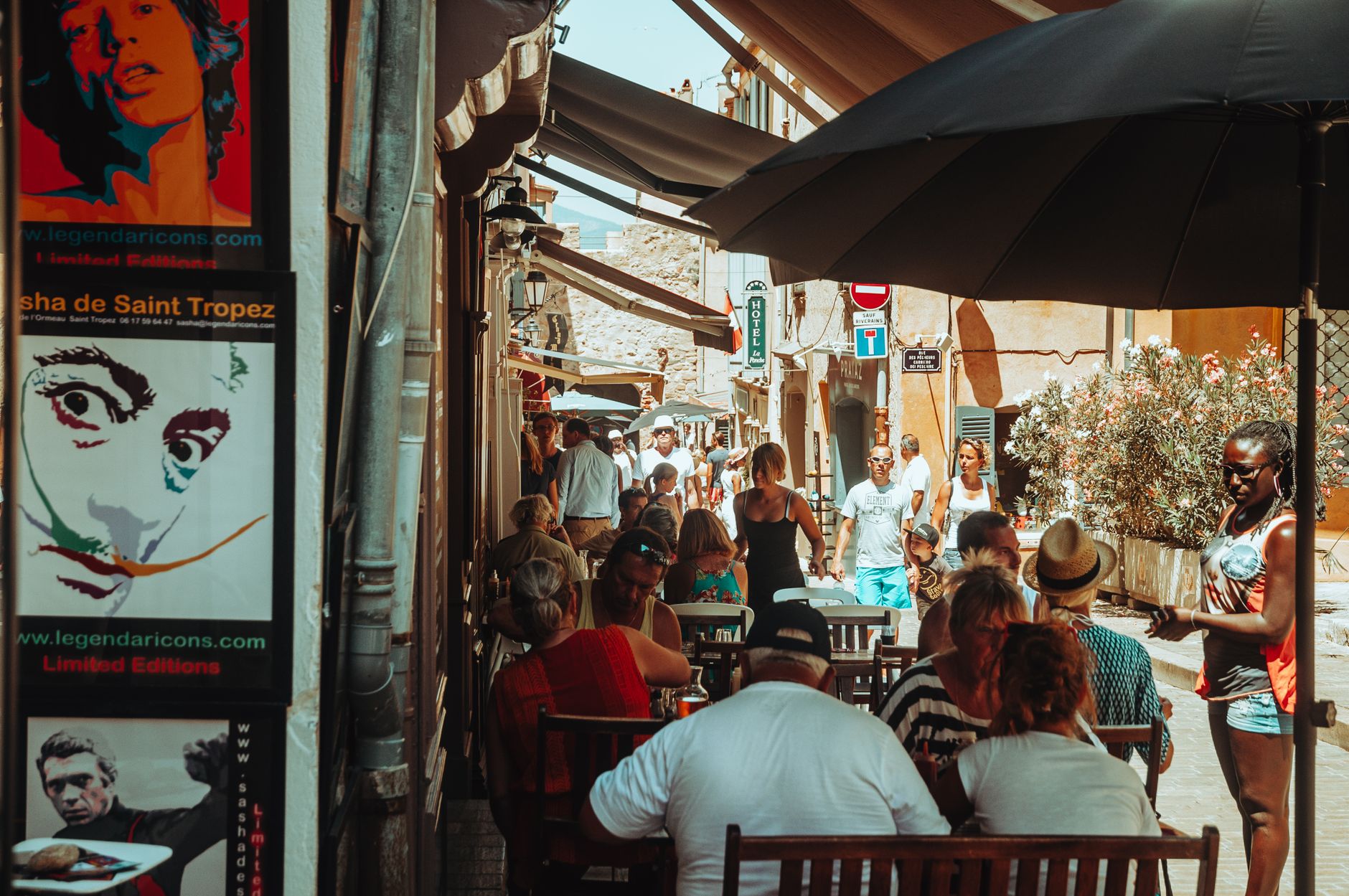
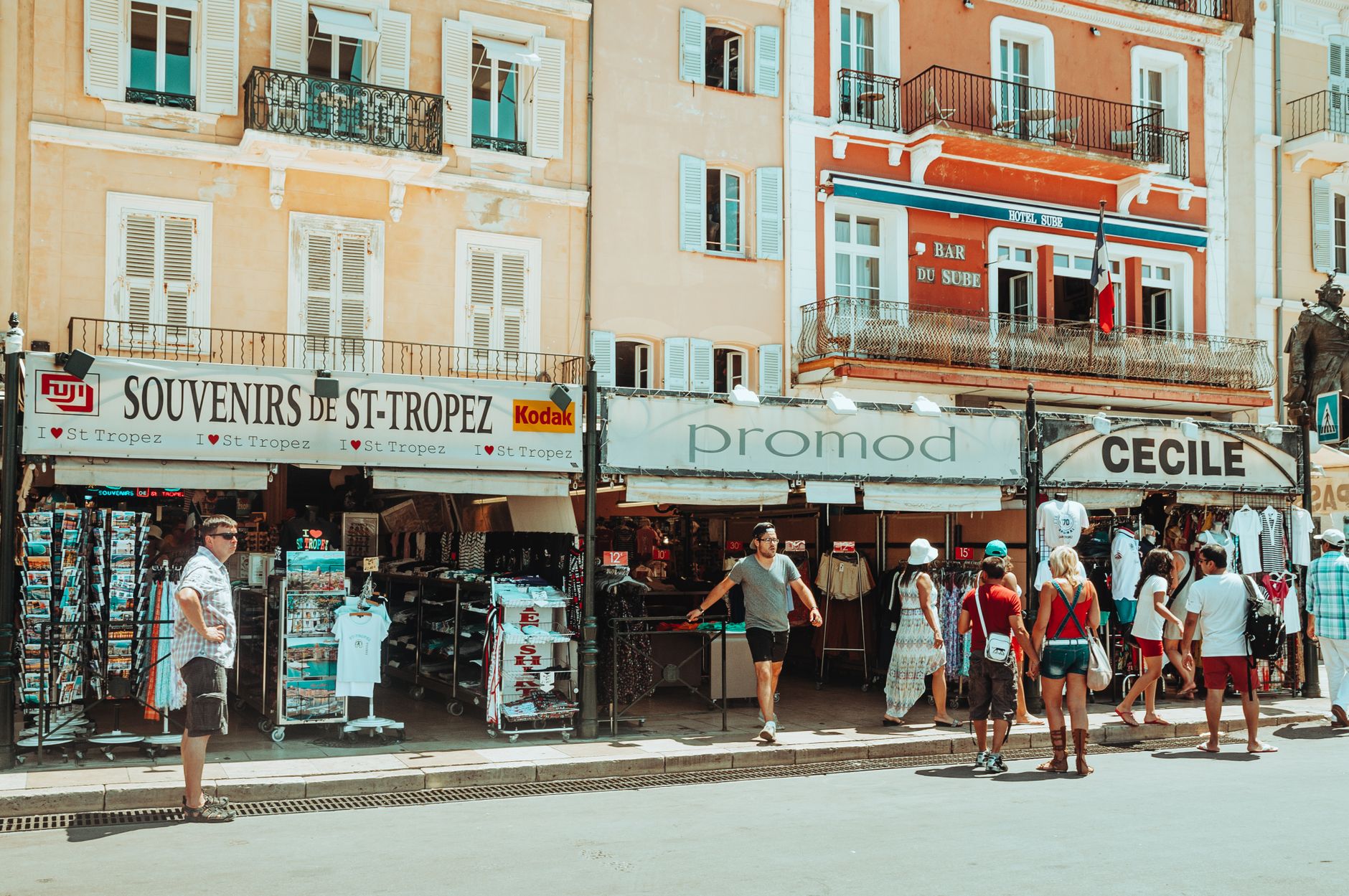
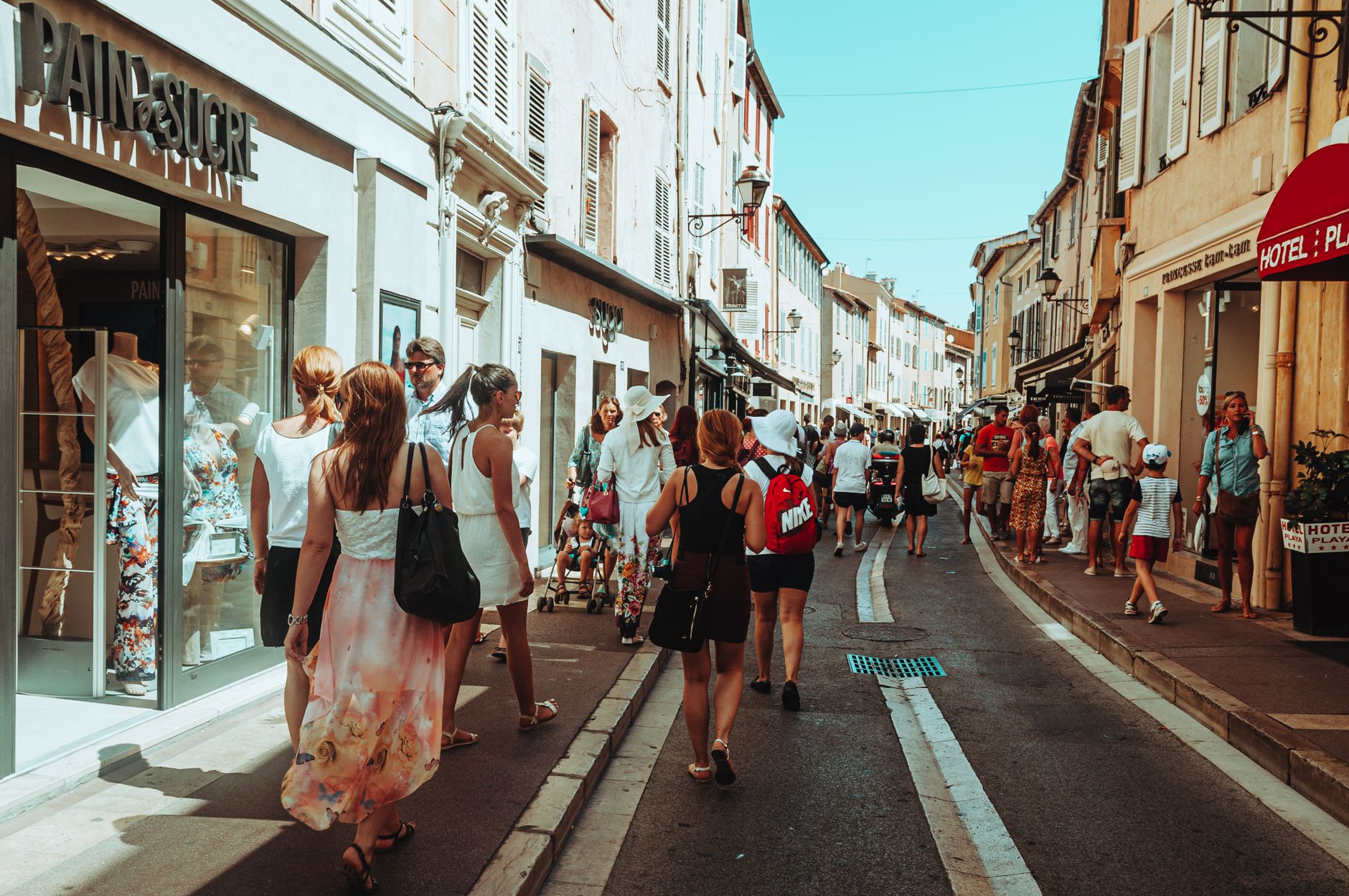
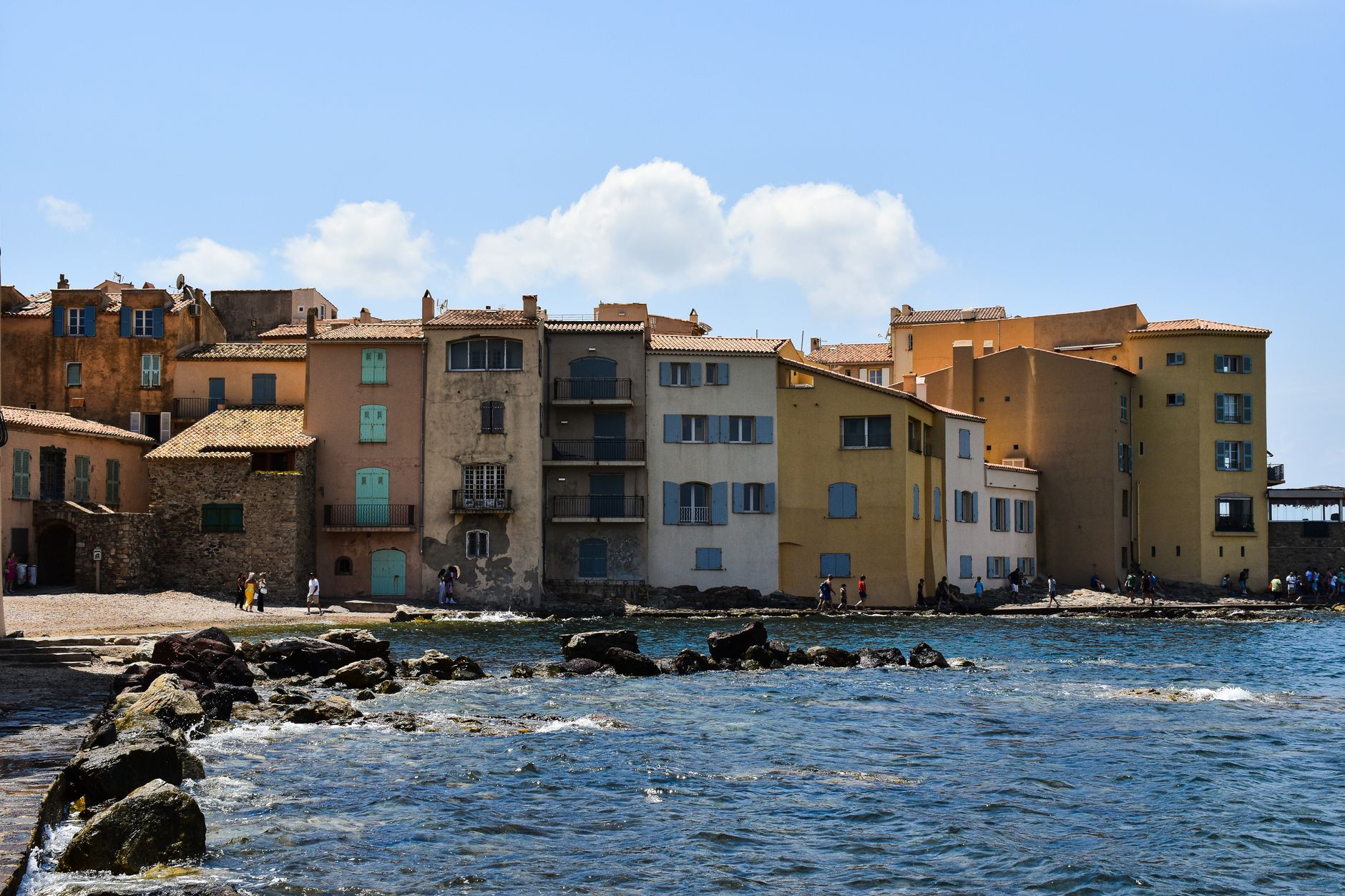
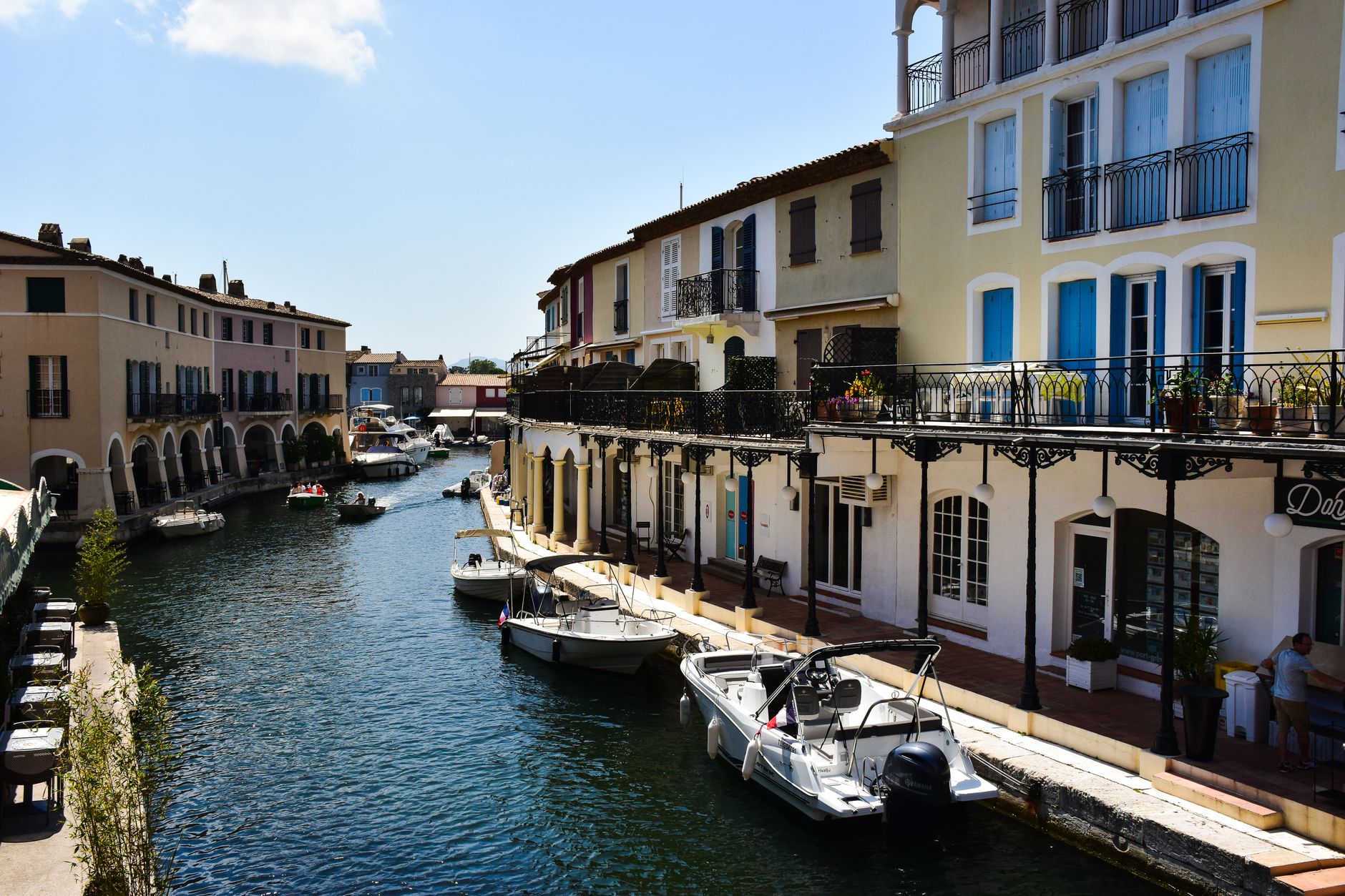
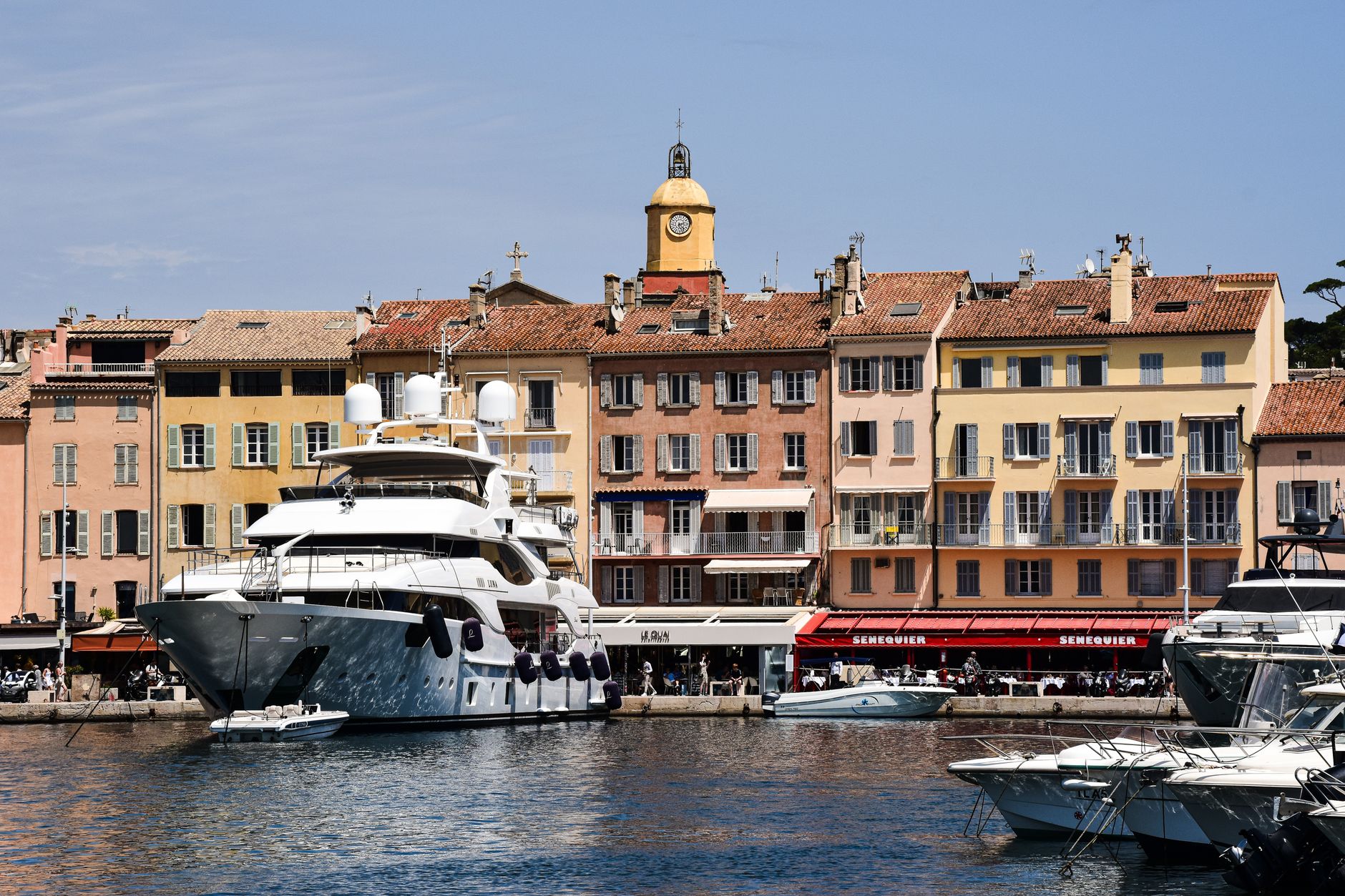
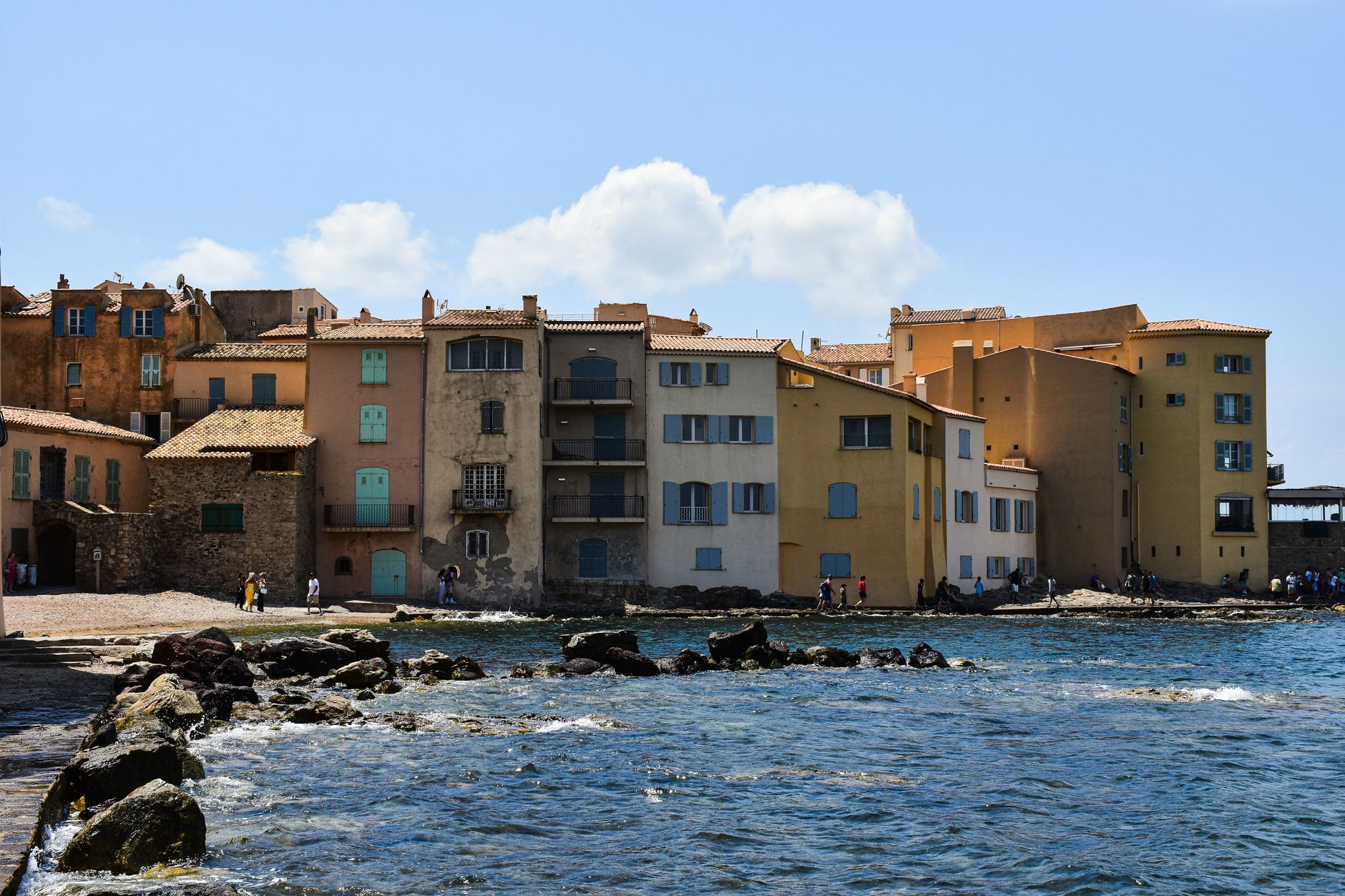
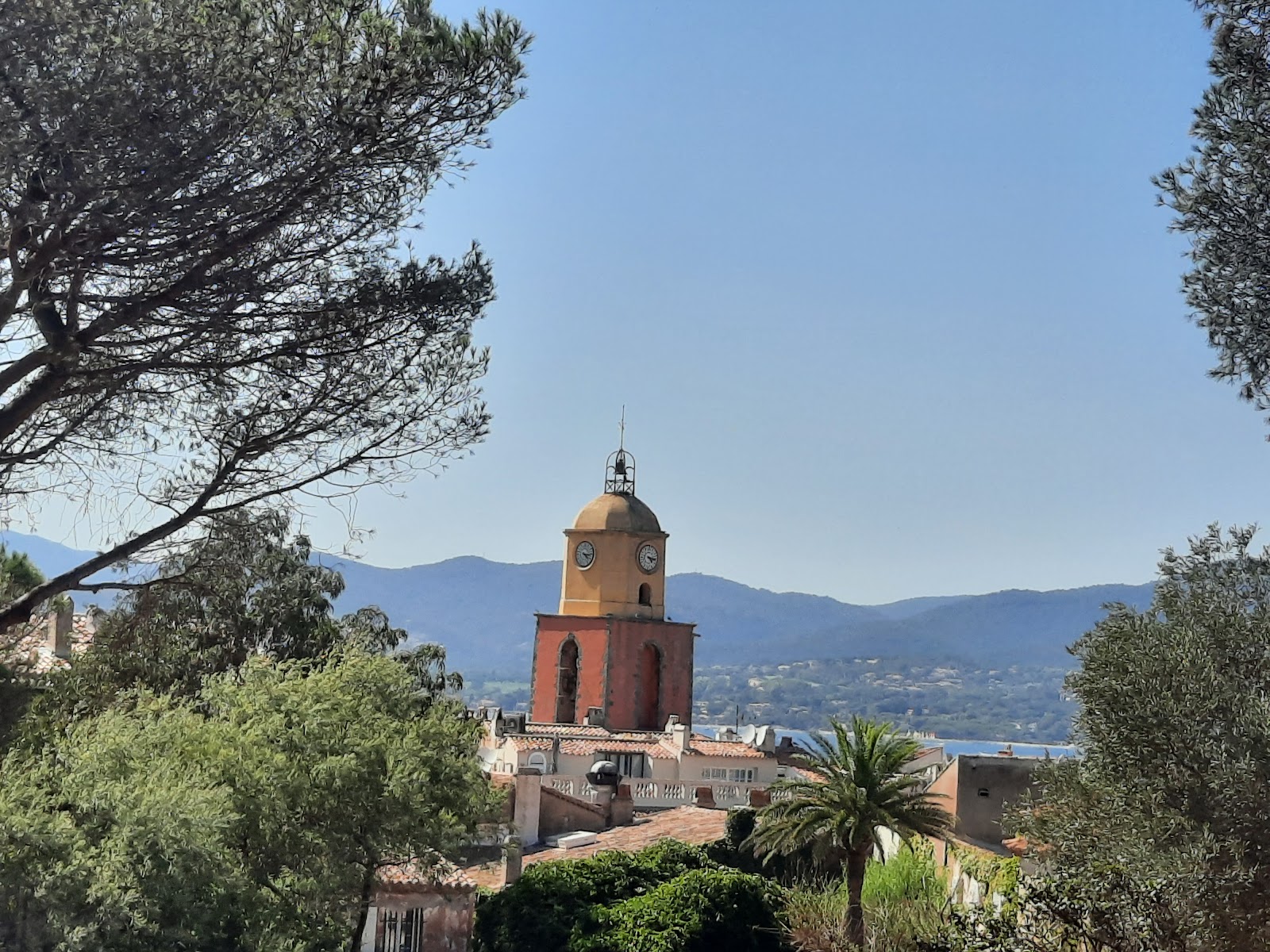
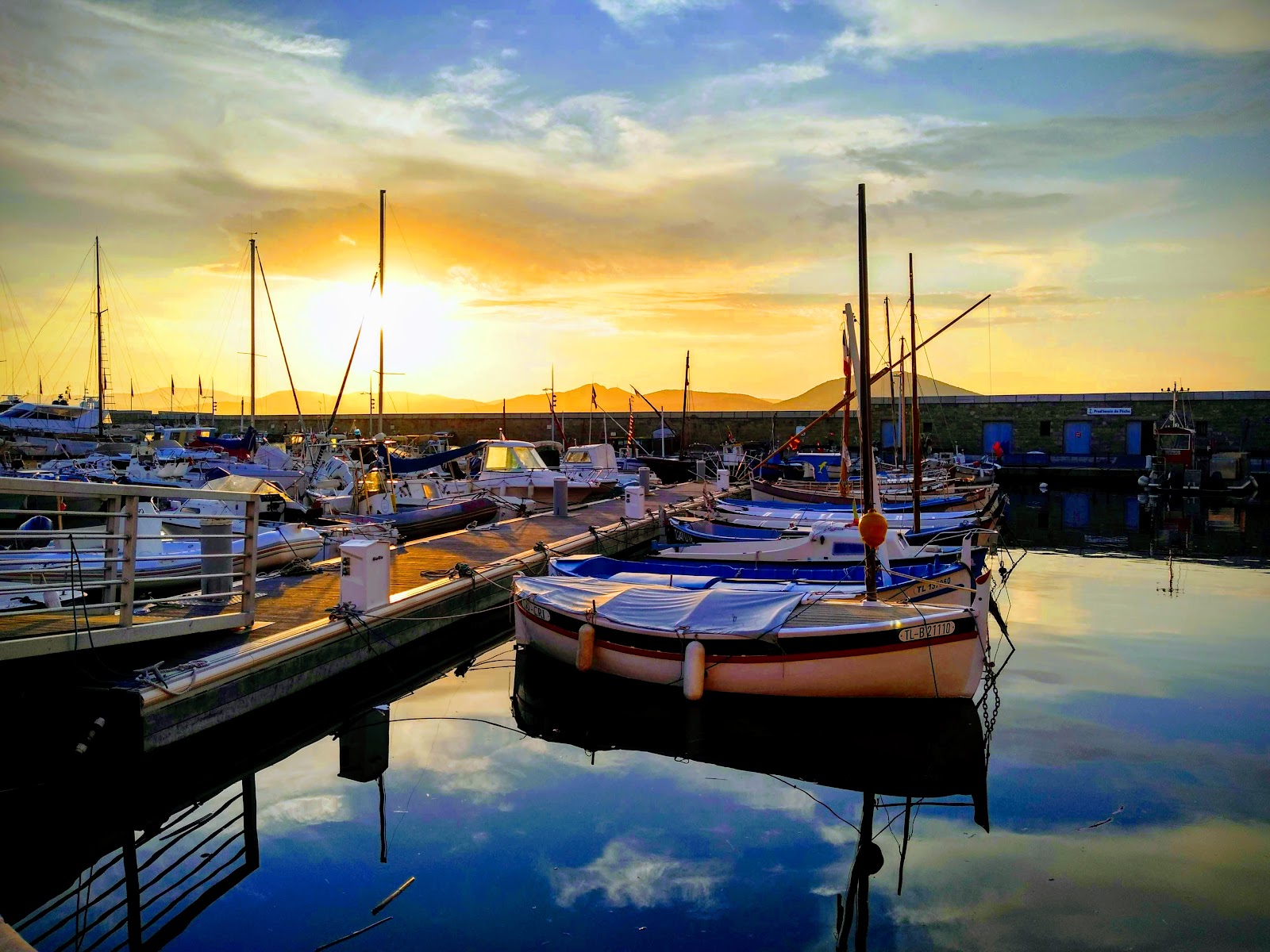
The port at Saint-Tropez is small enough that you can walk its length in ten minutes, which makes it all the stranger that so much of the world seems to want to be here at once. Yachts queue up in the harbour like a floating real-estate listing, and the café terraces along the Quai Jean Jaurès fill before noon. But step one street back and the old fishing-village geometry reasserts itself: narrow lanes, ochre plaster, the bell tower of Notre-Dame de l'Assomption rising above the rooftops.
The town's transformation from military outpost to global byword happened fast. Paul Signac arrived in the 1890s and told everyone about the light; Matisse and Bonnard followed. Then came the cameras, and in 1956, Brigitte Bardot in Roger Vadim's film, and Saint-Tropez became something else entirely — a place that now has to be navigated as much as visited.
💛 What travellers fall for
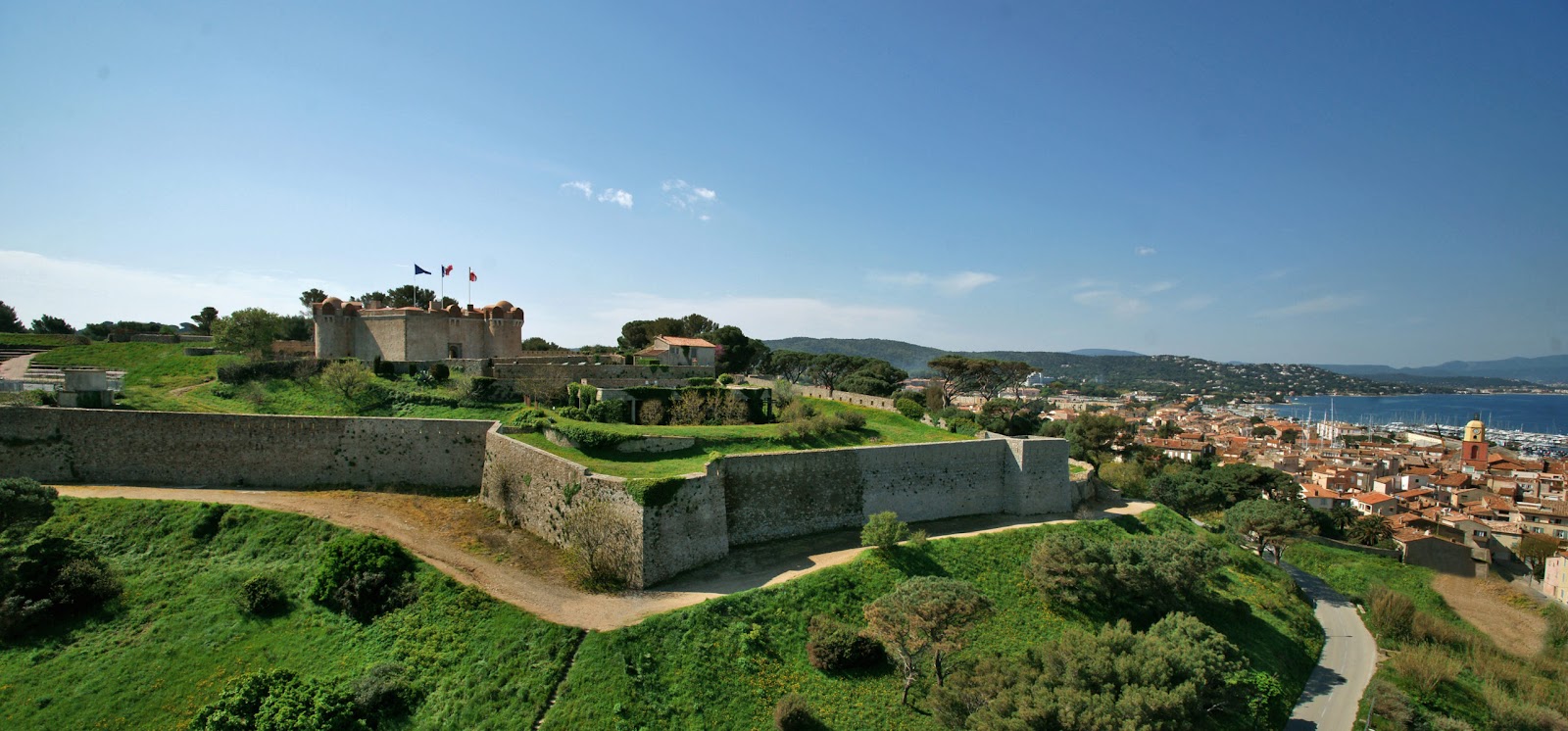
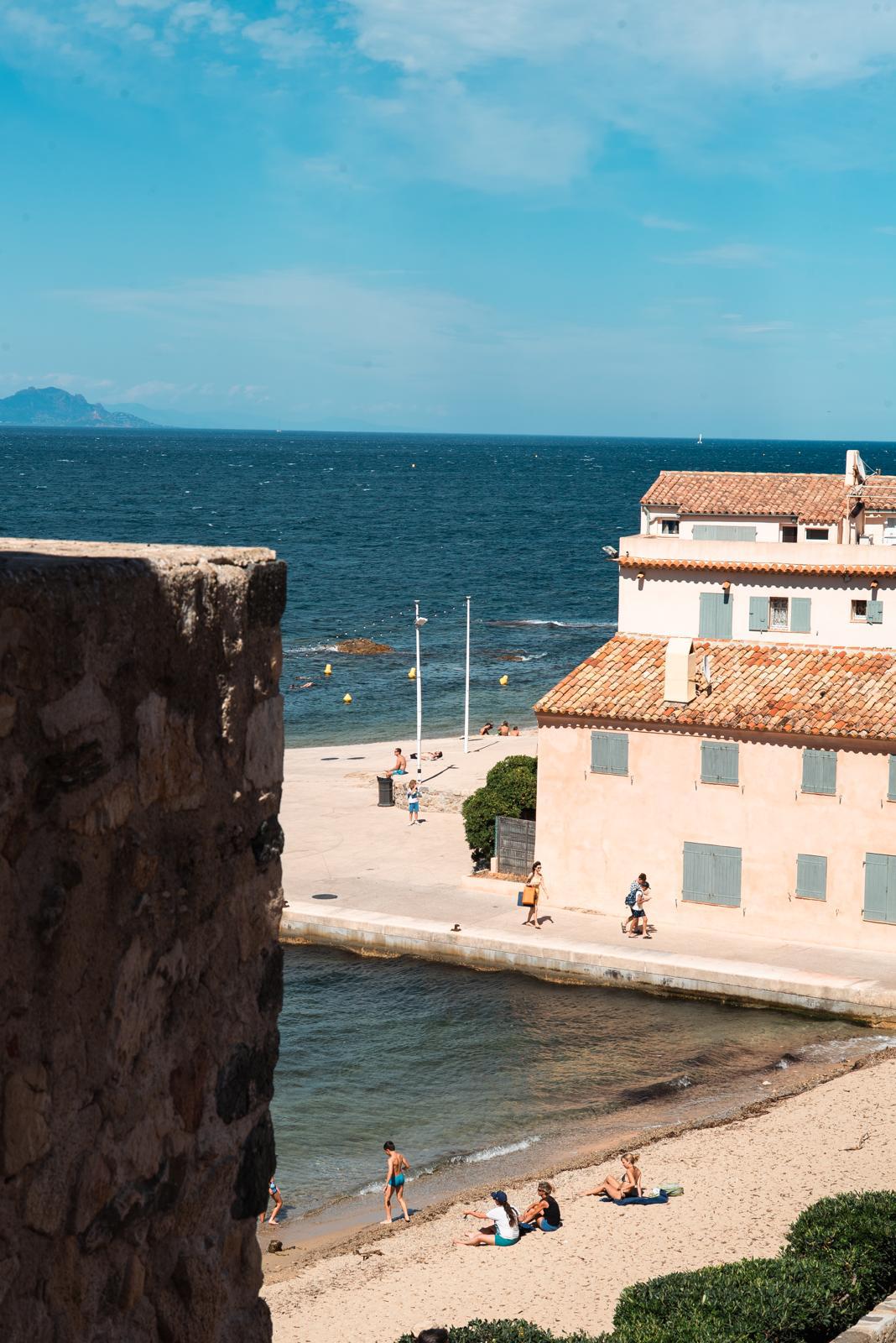
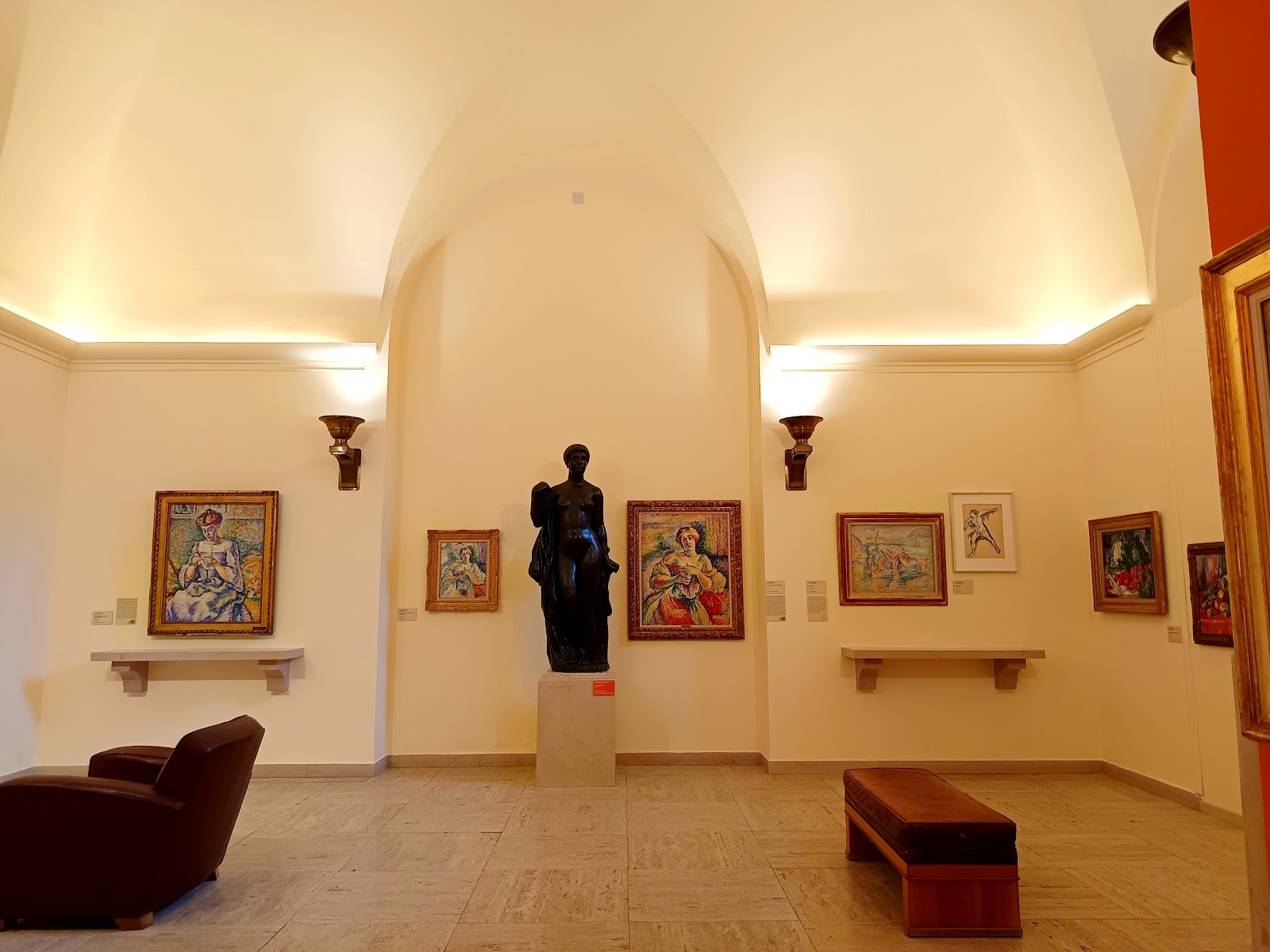
People who keep coming back tend to arrive in May or early October, when the harbour isn't a traffic jam of superyachts. They go to the Annonciade Museum on a quiet morning — Signac, Bonnard, Matisse all in one small room — and they walk up to the Citadel at dusk, when the Gulf turns the colour of old copper.
Experiences you don't want to miss



Deals in Saint-Tropez
Book directly at the providerHow Saint-Tropez came to be
The site has been inhabited since antiquity — the Greeks knew it as Athenopolis, a coastal stop linked to their colony at Massilia. The Romans arrived in 31 BC, and the town's current name traces to an early Christian martyr, Saint Torpes, executed at Pisa under Nero: legend holds that his body, set adrift in a boat with a rooster and a dog, washed ashore here. By the tenth century, the area had become an Arab Muslim colony for nearly a century, and the town was repeatedly depopulated by piracy.
In 1470, Raphaël de Garesio arrived with 22 men and a formal agreement to resettle the village with Genoese families — the founding act of the town that exists today. Saint-Tropez remained a fishing village and military stronghold until the 20th century, when Paul Signac's arrival set off an artists' migration. On 15 August 1944, Allied forces landed here as part of Operation Dragoon, liberating the town from German occupation.
Who and what shaped it
People who shaped it
Landmark buildings
See Saint-Tropez in motion
Plan your visit
On the map
When to go
Summers are hot, dry and relentlessly sunny, with July and August temperatures regularly above 30°C and crowds to match. Spring and early autumn offer warm days, calmer seas and a town that feels more like itself; winters are mild and quiet, with occasional sharp mistral winds rolling down from the north.
Right now
↡ Attractions
Background & history adapted from Wikipedia (CC BY-SA) · specs from Wikidata (CC0) · weather from Open-Meteo · map data © OpenStreetMap contributors · photos from Wikimedia Commons / Unsplash with per-image credit. No third-party reviews or social posts reproduced.