
Citadelle de Saint-Tropez
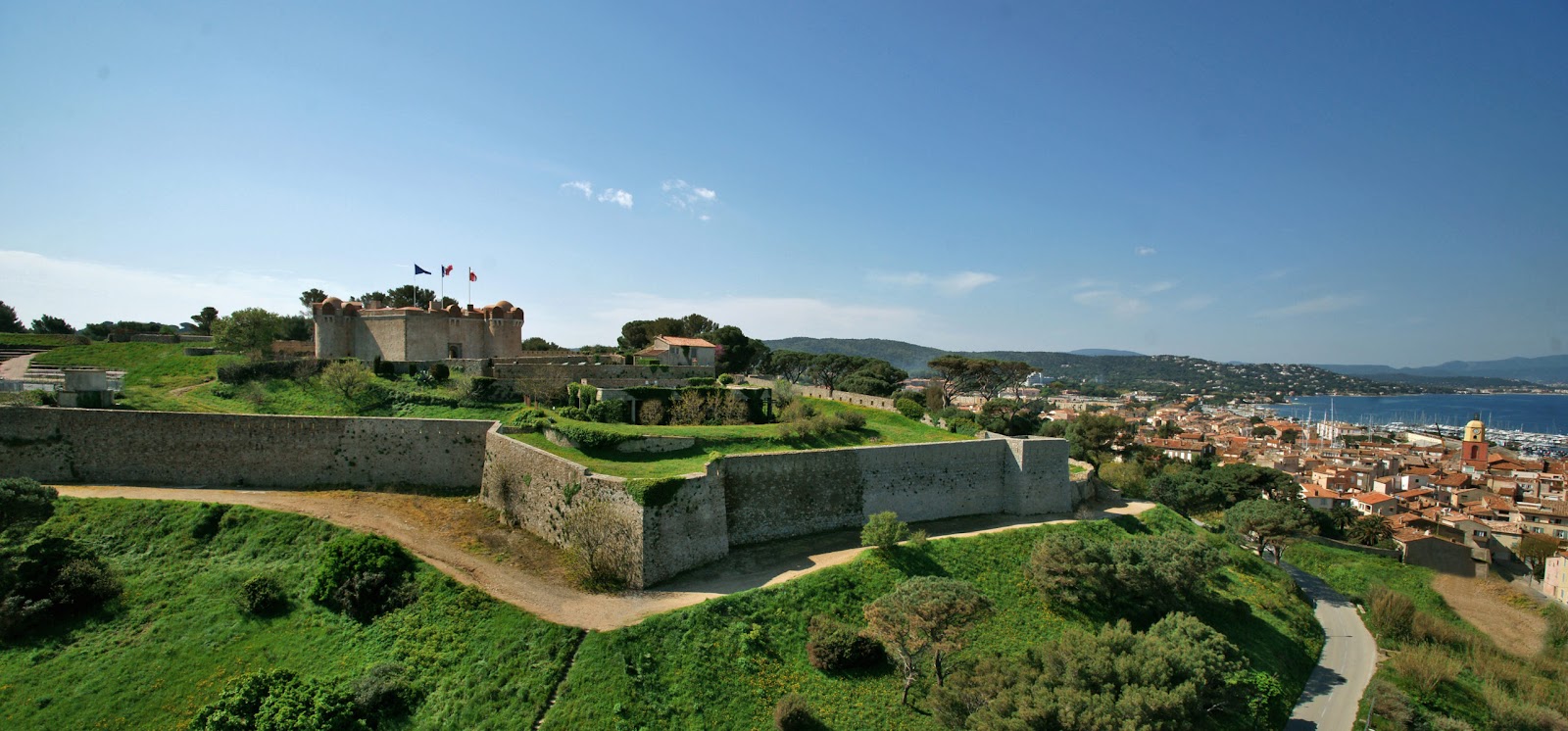
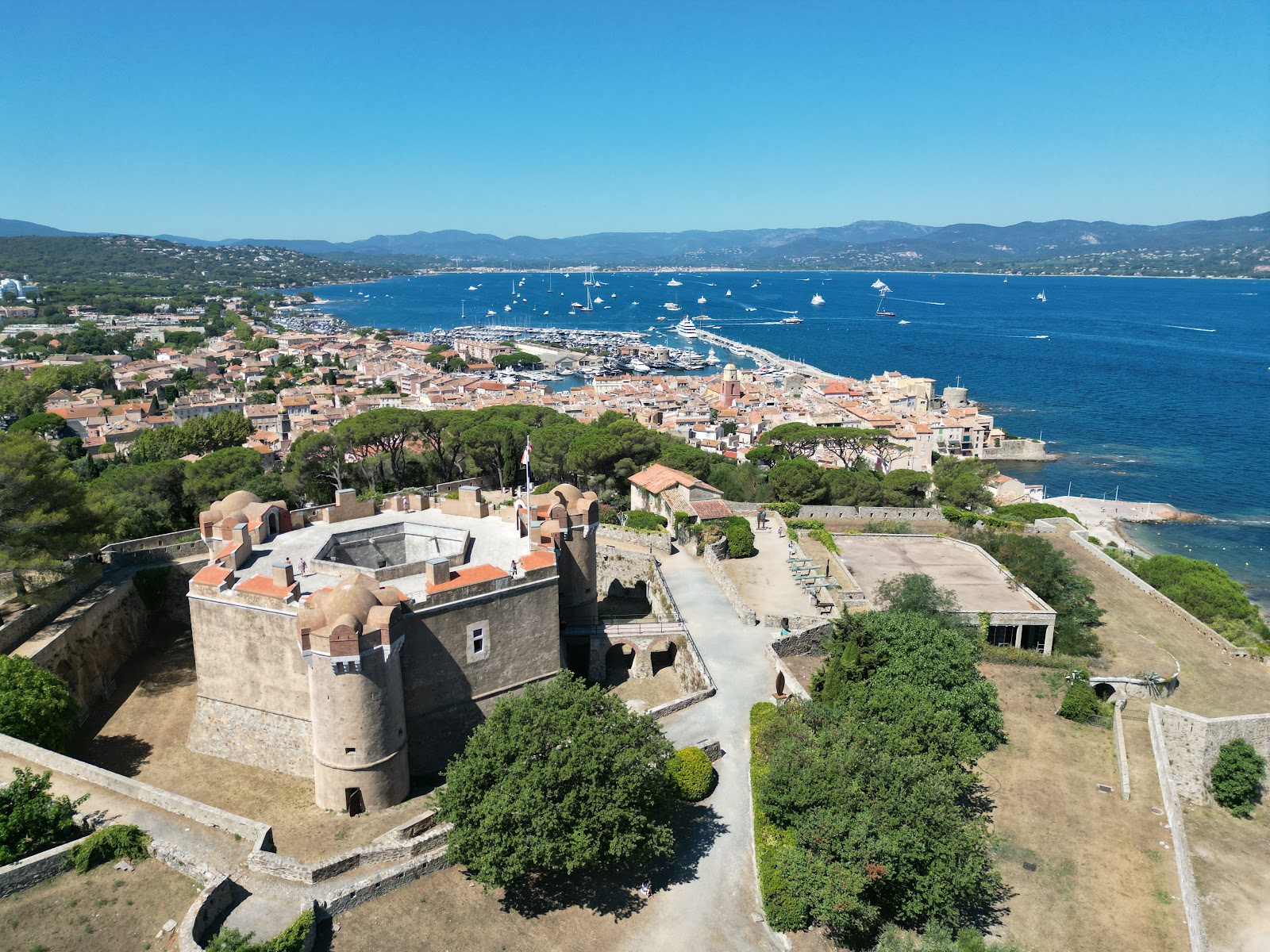
A hexagonal stone keep rises above Saint-Tropez on the hill the old maps call 'Moulins', and most visitors walk straight past the turning to get there. That's their loss. From the ramparts you look out over the Gulf of Lions in one direction and back across the terracotta rooftops of the town in the other — a view that makes the uphill climb immediately worthwhile.
The grounds belong to about thirty peacocks, who treat the lawns and cannon emplacements as their own and are largely indifferent to your presence. Inside the keep, the Musée d'histoire maritime de Saint-Tropez tells the town's seafaring story through objects, maps and the careers of sailors who left here and ended up changing the world.
💛 What travellers fall for
People who come back tend to time it for late afternoon on a weekday, when the peacocks are most active and the light on the Gulf turns copper. The museum panels are detailed enough that you don't need a guide, but the guided tours — available in several languages — add context that the labels skip. Pick up the site map flyer at the entrance; the chapel-turned-magazine is easy to miss otherwise.
The story behind Citadelle de Saint-Tropez
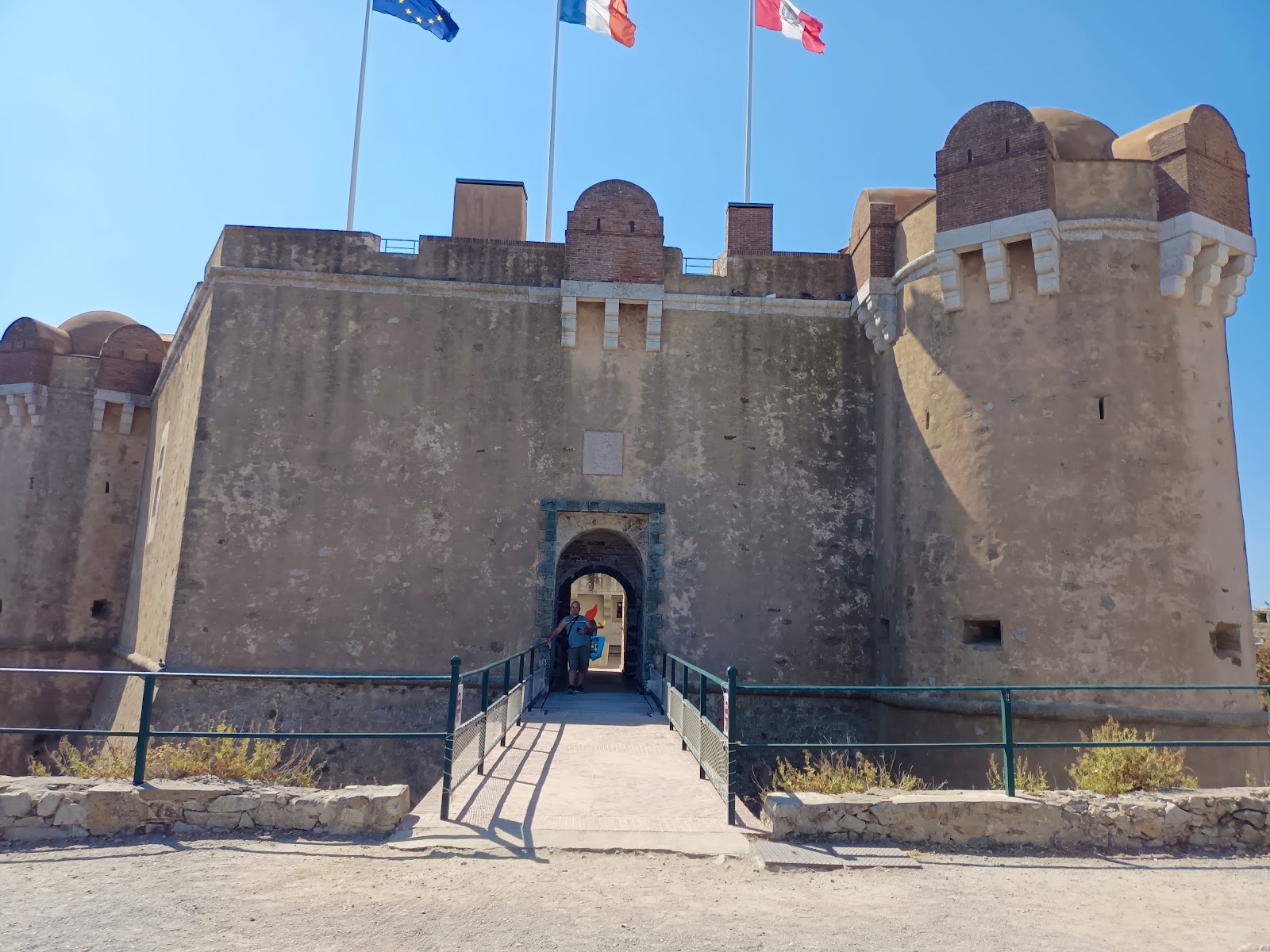
The hill above Saint-Tropez got its first defensive structure in the late sixteenth century, during the Religious Wars, when a simple watchtower was thrown up to guard the coast. The more substantial hexagonal keep was built between 1602 and 1607 under military engineer Raymond de Bonnefons, and within a few years it was joined by a bastioned enclosure, moats and counterscarps that gave the whole complex its current shape.
A chapel dedicated to Saint Geneviève was established within the fortifications in 1730, moved in 1774, and by 1817 the building had been converted into a stores magazine — a practical reuse that says much about how the citadelle's military role was winding down. The town purchased the complex in 1993 and had it listed as a monument. After a long cycle of closures and renovation, the maritime museum opened here on 24 July 2013.
Good to know
Walk up from the town centre via Montée de la Citadelle — comfortable shoes matter on the cobbles. Open April–September 10am–6:30pm, October–March until 5:30pm; closed 1 Jan, 1 May, 11 Nov and Christmas Day. Currently closed for works and reopening 18 April 2026. Adults €8, children 7–17 €4, under 7 free. Budget an hour minimum.
Spring and autumn offer the clearest air and the quietest grounds — the views across the Gulf read best when there's no summer haze. Midsummer is perfectly doable but the uphill walk in July heat demands water and patience; the stone walls of the keep stay cool inside regardless of the temperature outside.
Where is Citadelle de Saint-Tropez?
More tickets & tours for Citadelle de Saint-Tropez
Book directly at the provider
What travellers say about Citadelle de Saint-Tropez
A brilliant experience to see the history of St Tropez come alive. The citadel is perched on top of a hill with a panoramic view of the bay. The museum is fascinating and makes the history come alive. It covers the sea faring tradition of St Tropez up to current times . Must visit
Good views. A small history museum of the area with lots in English. The creative side of the museum is excellent with lots of multi-media. We missed the entrance the first time and did a circuit of the most (the entrance is directly beside the sign).
So glad we got up to the Citadelle right after we arrived in Saint Tropez! A few tourists, lots of fascinating facts to discover about the town and its people! Plus, unique, very-well presented exibits. And, of course, the view!🤩 Entrance fee of just 5€ was nothing compare to the experience we had!
Great grounds and fascinating museum of the fort and local history. 5 Euro entrance fee.
Steeped in history and overlooking the sparkling gulf, the Citadel is one of the most beautiful viewpoints on the Riviera. I loved exploring its cobblestone paths and the maritime museum inside. This was my second time visiting Saint-Tropez and I’m so glad I made the time to come up to the citadel.
More of Saint-Tropez
Discover where to stay, what to do and the best deals for your trip.
Explore Saint-Tropez →More attractions in Saint-Tropez
All of Saint-Tropez →
Background adapted from Wikipedia (CC BY-SA) · map data © OpenStreetMap contributors · ratings & place photos via Google · other photos with per-image credit. Ticket links may earn us a commission at no extra cost to you.