
Vieux Port de Saint-Tropez
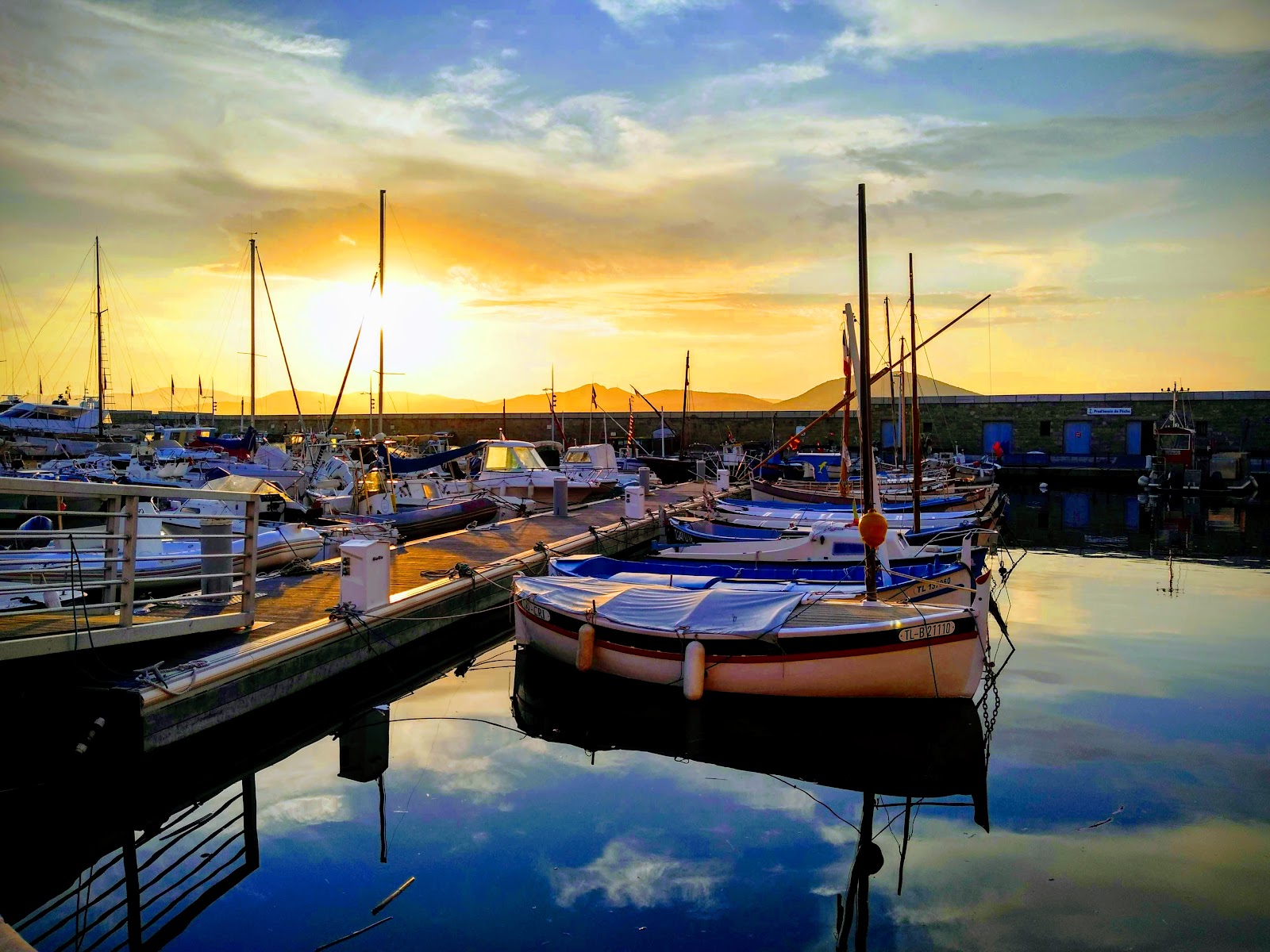
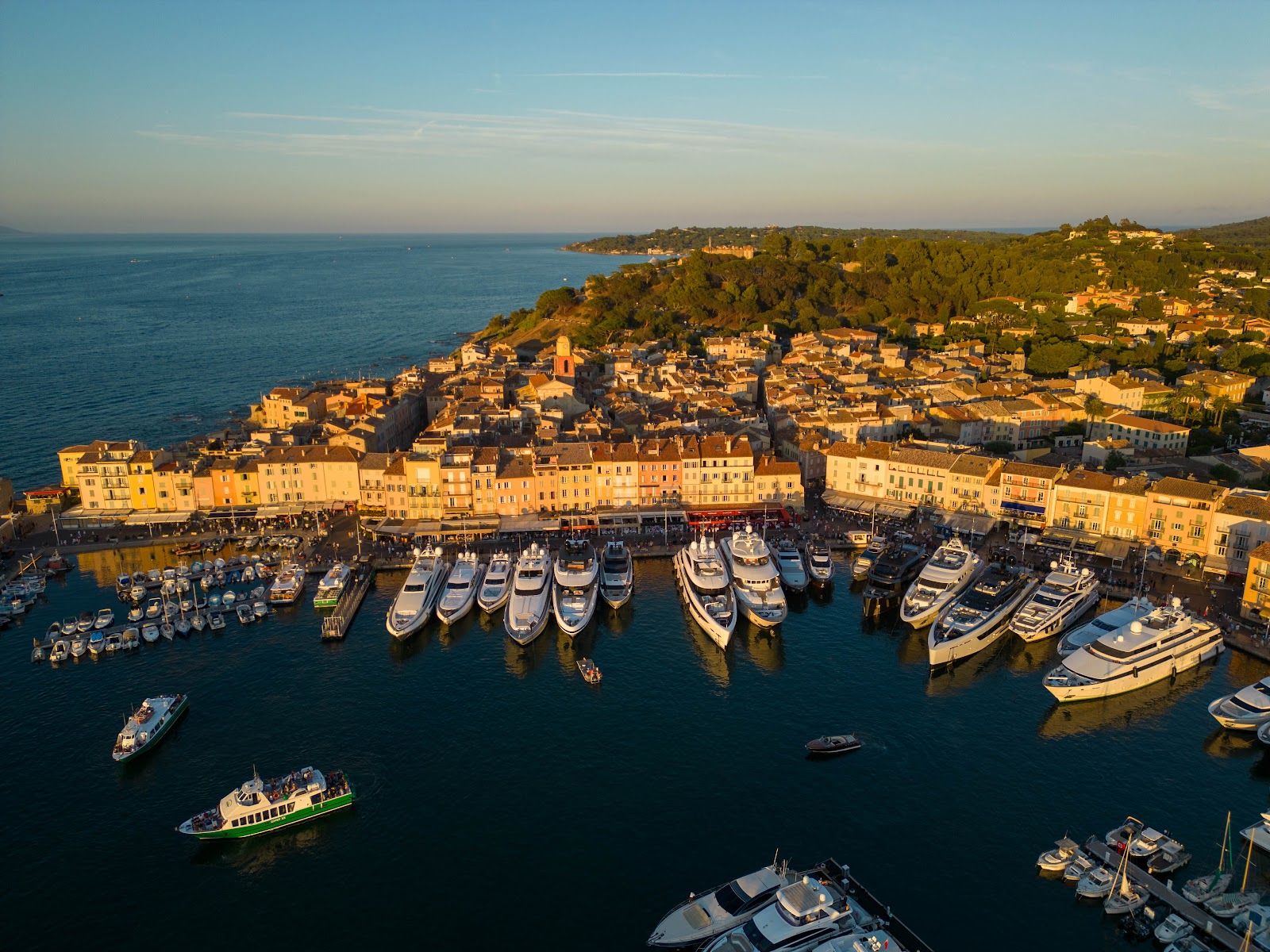
The Môle du Portalet has stood at the harbour entrance since the end of the 15th century, its lighthouse tower modified so many times that the stonework reads like a palimpsest of the port's changing fortunes. What was once a working Genoese anchorage — wine, cork, and wood moving through its cellars, ranked among France's twenty most important merchant ports by the First World War — is now lined with yachts so large they dwarf the ochre-fronted buildings behind them.
The quai Jean Jaurès runs the length of the harbour's most photographed side, where the café Sénéquier's red terrace has been a fixture long enough to be furniture. The Bailli de Suffren statue, cast from 19th-century cannon, stands at the water's edge — a 17th-century naval hero rendered in the metal of a later war.
💛 What travellers fall for
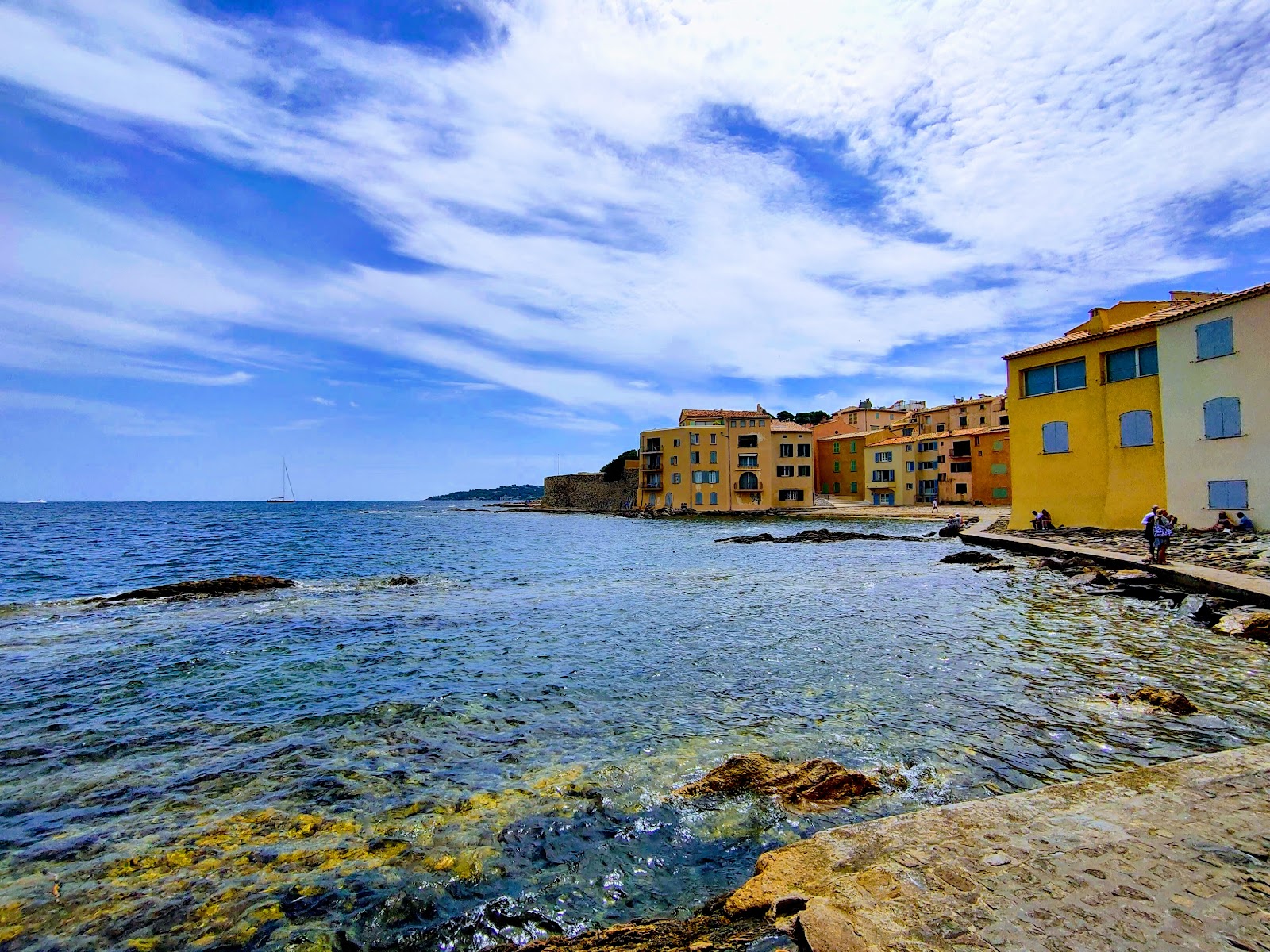
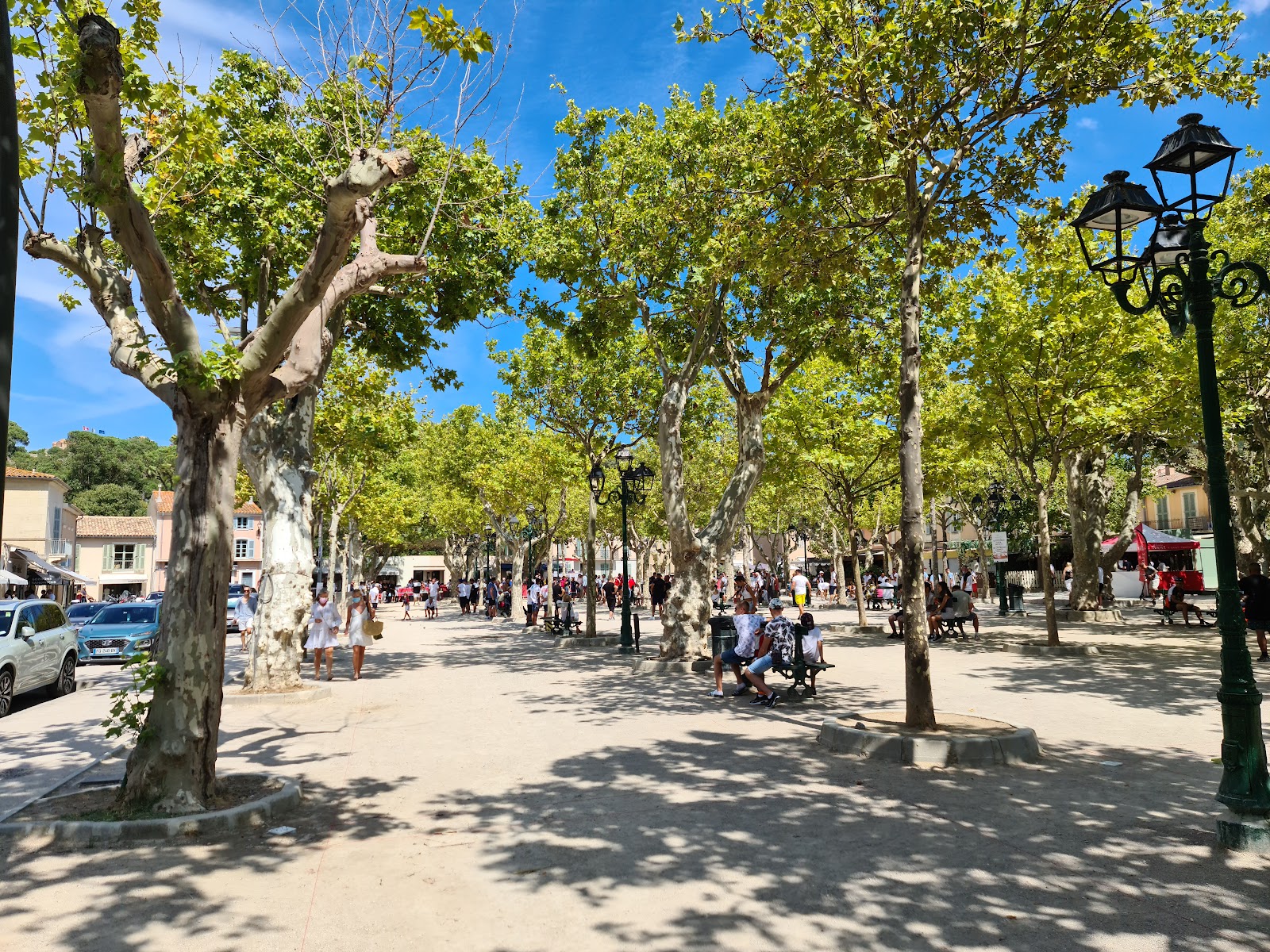
Return visitors tend to arrive early, before the tour groups, and head straight to Place aux Herbes — the daily fish market under the archway beside the tourist office — then walk the stone docks when the light is still low. The floating wooden wharves creak differently in the morning quiet. Café Sénéquier comes later, once the terrace has warmed up.
The story behind Vieux Port de Saint-Tropez
Genoese seamen established the port at the close of the 15th century, and the waterfront buildings they raised still stand — their ground-floor cellars once held the goods moving in and out. Through the 18th century the trade was wine, cork, and wood. By 1914 the port ranked among France's twenty most important commercial harbours.
Both World Wars gradually stripped it of that purpose. Shipyards fell quiet. In 1963, Mayor Louis Fabre proposed an extension; the work began in 1965 under Mayor Jean Lescudier, the same year the port received its official name — Vieux Port — and its first dedicated pleasure pool on the western side. It now covers nine hectares with 734 moorings across two pools.
Good to know
No entrance fee; the port is walkable any time. The most practical approach from Nice is train to Saint-Raphaël, then ferry — tickets run €15–35 return. September earns its local name 'velvet season': warm, quieter, and the restaurants are still open. October turns wet fast.
Summer runs warm and dry — highs between 23 and 27°C, with August offering over 350 hours of sunshine — but the port is also at its most crowded. September offers similar temperatures with noticeably fewer boats. October is the rainiest month, and by November most waterfront restaurants have closed for winter.
Where is Vieux Port de Saint-Tropez?
More tickets & tours for Vieux Port de Saint-Tropez
Book directly at the provider
What travellers say about Vieux Port de Saint-Tropez
The port of Saint-Tropez is one of the most iconic spots on the French Riviera, colorful old buildings, and lively atmosphere. Walking along the harbor, you’ll see a mix of fishermen’s boats and multi-million-euro yachts, creating a unique blend of tradition and glamour. We liked it!! A simple lunch menu can start from around €20-30. Parking also perfect, safe, big enough near port 6–7 € pentru 2 h
As a child, I grew up watching Louis de Funès, especially the iconic Gendarme series. Visiting this place felt truly magical—it instantly transported me back to those cherished moments of watching those hilarious and heartwarming films with my family. The excitement of seeing it for the first time was unforgettable.
Wow. Easy arrival with the taxi boat and wonderful old city.
I heard so much about St Tropez that I skipped other places just to be here. It was very unfortunate that it wasn't as I expected. We took a ferry from Nice on Tuesday. There was town market at the market square. I didn't find anything really special there. Of course there were rows of high end boutiques and shops for those who go for branded goods. The self operated public toilet which cost 50 cent was very dirty. The only cafe we found was the one near the market square. There were many restaurants at the port. Personally, will not be going there again.
Nice place for a walk and lunch
More of Saint-Tropez
Discover where to stay, what to do and the best deals for your trip.
Explore Saint-Tropez →More attractions in Saint-Tropez
All of Saint-Tropez →
Background adapted from Wikipedia (CC BY-SA) · map data © OpenStreetMap contributors · ratings & place photos via Google · other photos with per-image credit. Ticket links may earn us a commission at no extra cost to you.