
La Ponche Quarter
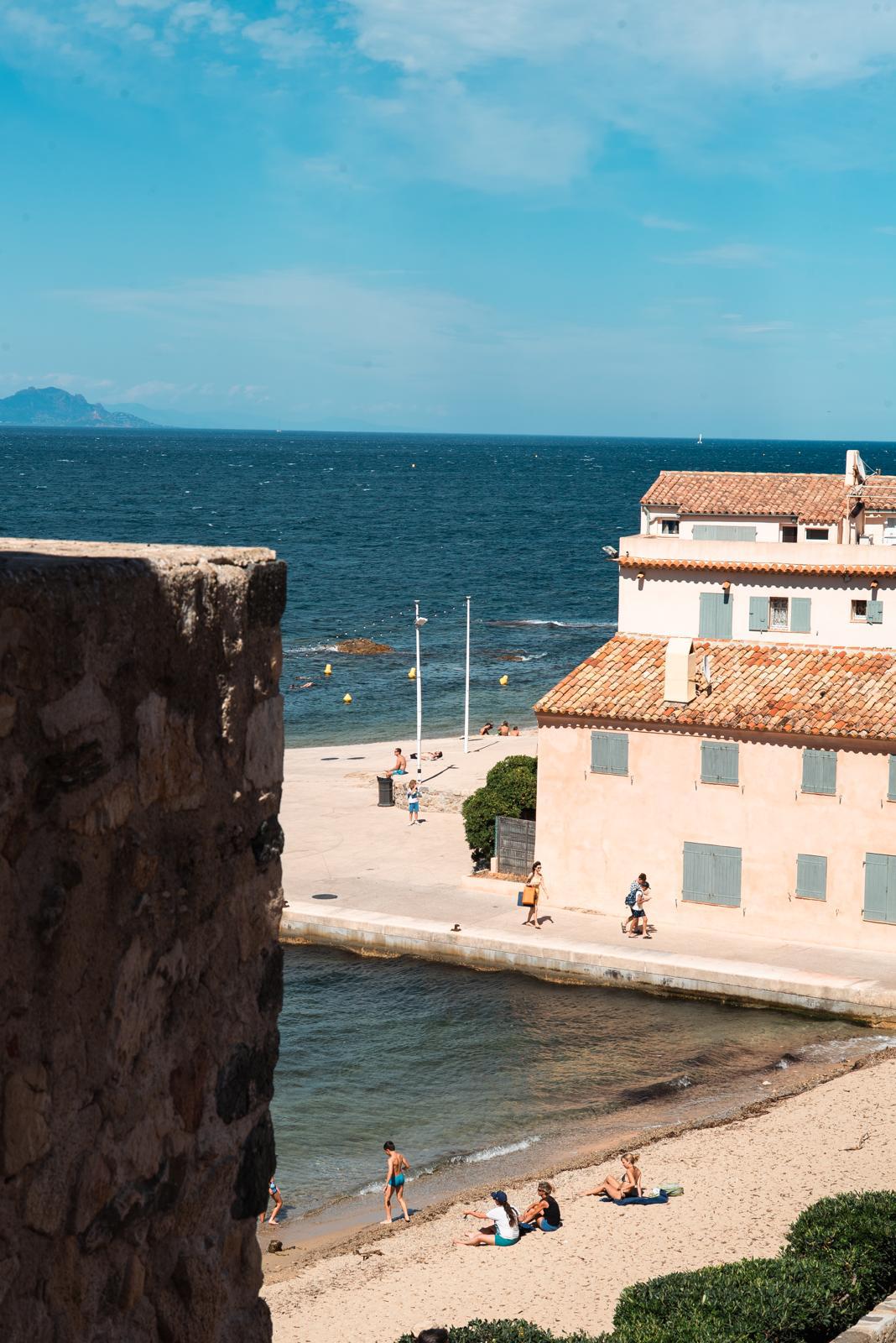
La Ponche is the oldest corner of Saint-Tropez — a tight maze of cobbled lanes running down to a 50-metre strip of sand and gravel that was once the town's working waterfront. No cars get in. The alleys are narrow enough that neighbours could shake hands across them, and the ochre and sienna bell tower of Notre-Dame de l'Assomption marks where you are from almost any angle.
This is the part of the old fishing village that Allied bombing spared in 1944, which is why the scale and texture still feel genuinely old. Spanish, Italian and Greek fishermen once unloaded anchovies and tuna here alongside the locals. The catch is long gone, but the bones of the place remain.
💛 What travellers fall for
People who come back tend to time a coffee for mid-morning, when the lanes are quiet enough to hear your own footsteps. The terrace at Hôtel La Ponche, facing the water, is the reference point — grab a table before noon. Rue du Portail Neuf, leading south to the Chapelle de la Miséricorde, is consistently the least-walked street in the quarter.
The story behind La Ponche Quarter
The quarter takes its name from the Provençal 'la pouncho' — the point — describing the headland it occupies. By the 15th century it was already the town's main fishing port, drawing crews from across the Mediterranean to work waters rich in sea bass, tuna and calamari. The Tour Suffren, dating to the 10th century, anchors the eastern edge of what is now Place Garrezio.
The 1940s marked a rupture: Allied air attacks in 1944 destroyed much of Saint-Tropez before the landings, but La Ponche, tucked into the old town's core, came through largely intact. A decade later the quarter became something else entirely. Roger Vadim shot 'And God Created Woman' here in 1956, Brigitte Bardot kept a house in the neighbourhood, and by the early 1950s Picasso and Simone de Beauvoir were sitting at tables where fishermen had once argued over nets. Boris Vian converted a barn adjoining what would become the Hôtel La Ponche into a bar in 1949, naming it after Saint-Germain-des-Prés.
Good to know
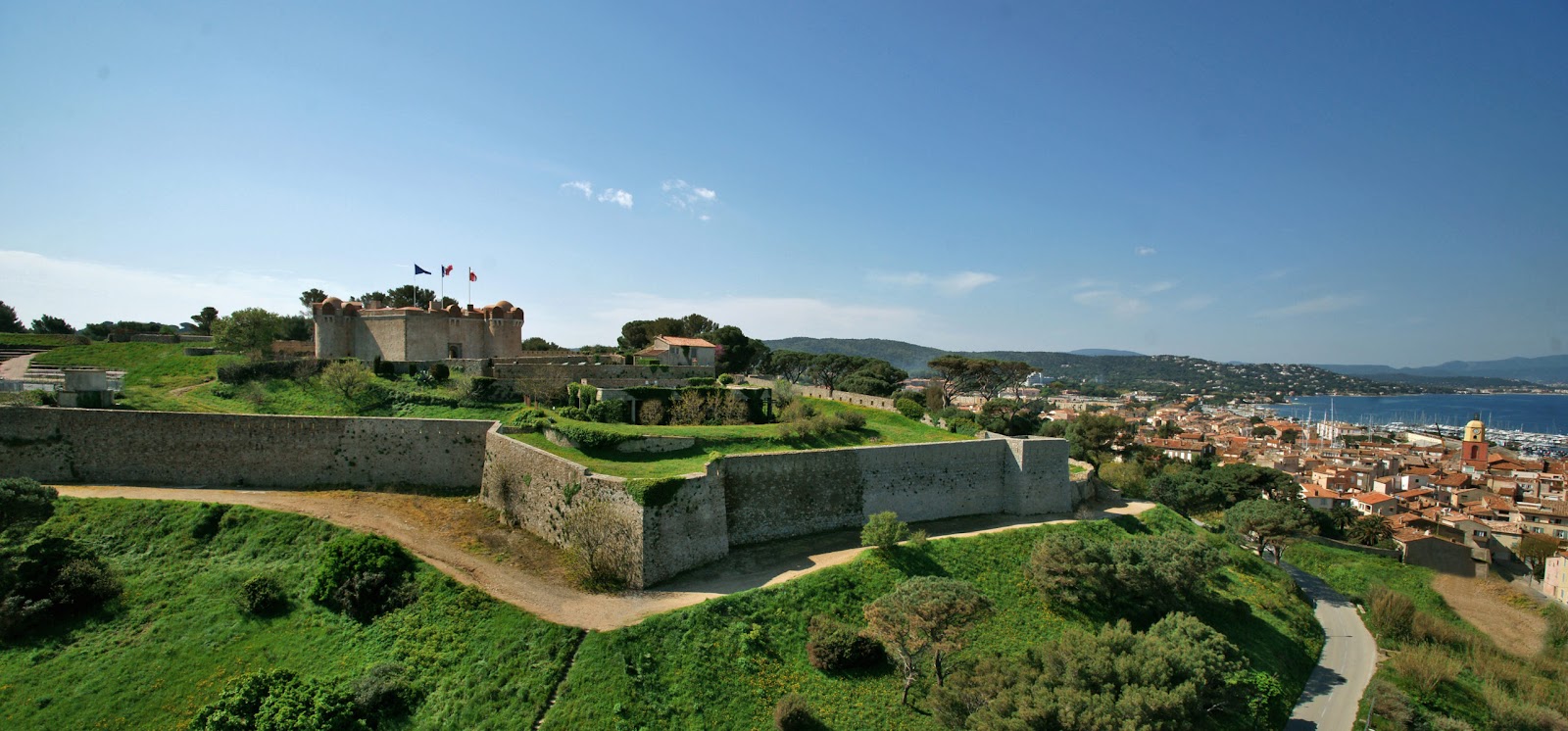
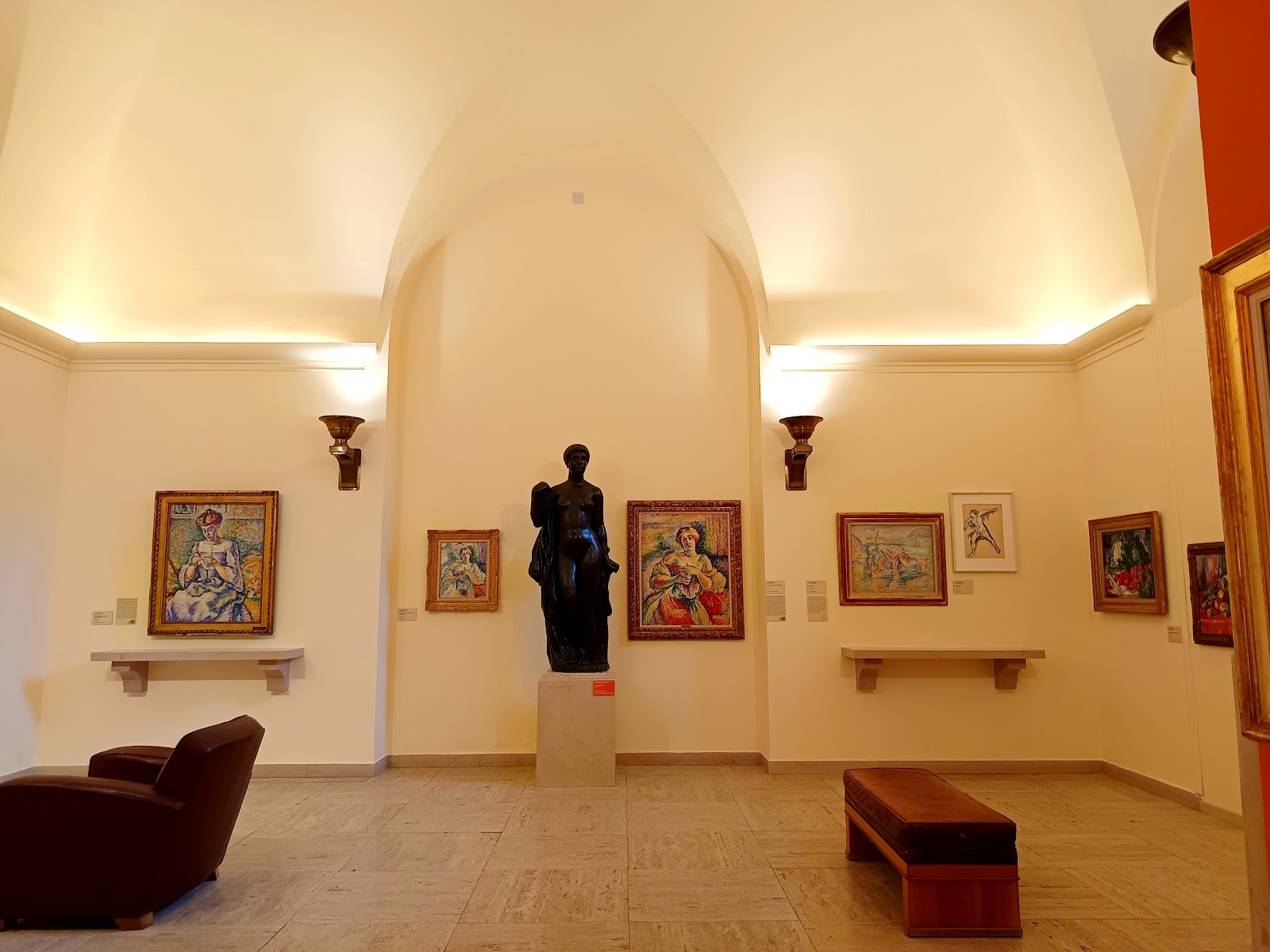
La Ponche is on foot only — leave any vehicle well outside. April and May keep the crowds manageable and the light sharp. The quarter takes an easy hour to walk; combine it with the Citadelle above or the Musée de l'Annonciade nearby rather than treating it as a standalone stop.
April and May bring comfortable warmth and manageable foot traffic — the best conditions for walking the lanes without the press of summer. June through August the quarter fills quickly; mornings are the only reliable window for quiet. The hotel and most businesses close from early November to mid-March.
Where is La Ponche Quarter?
More tickets & tours for La Ponche Quarter
Book directly at the provider
What travellers say about La Ponche Quarter
Very well-located apartment, just steps from the port and the city center. Quiet despite its location. Very clean and well-equipped.
A wonderful experience. The apartment is bright, well laid out, and ideal for a stay in Saint-Tropez.
Sumptuous apartment in the heart of the incredible holiday village
More of Saint-Tropez
Discover where to stay, what to do and the best deals for your trip.
Explore Saint-Tropez →More attractions in Saint-Tropez
All of Saint-Tropez →
Background adapted from Wikipedia (CC BY-SA) · map data © OpenStreetMap contributors · ratings & place photos via Google · other photos with per-image credit. Ticket links may earn us a commission at no extra cost to you.