
Église Notre-Dame de l'Assomption de Saint-Tropez
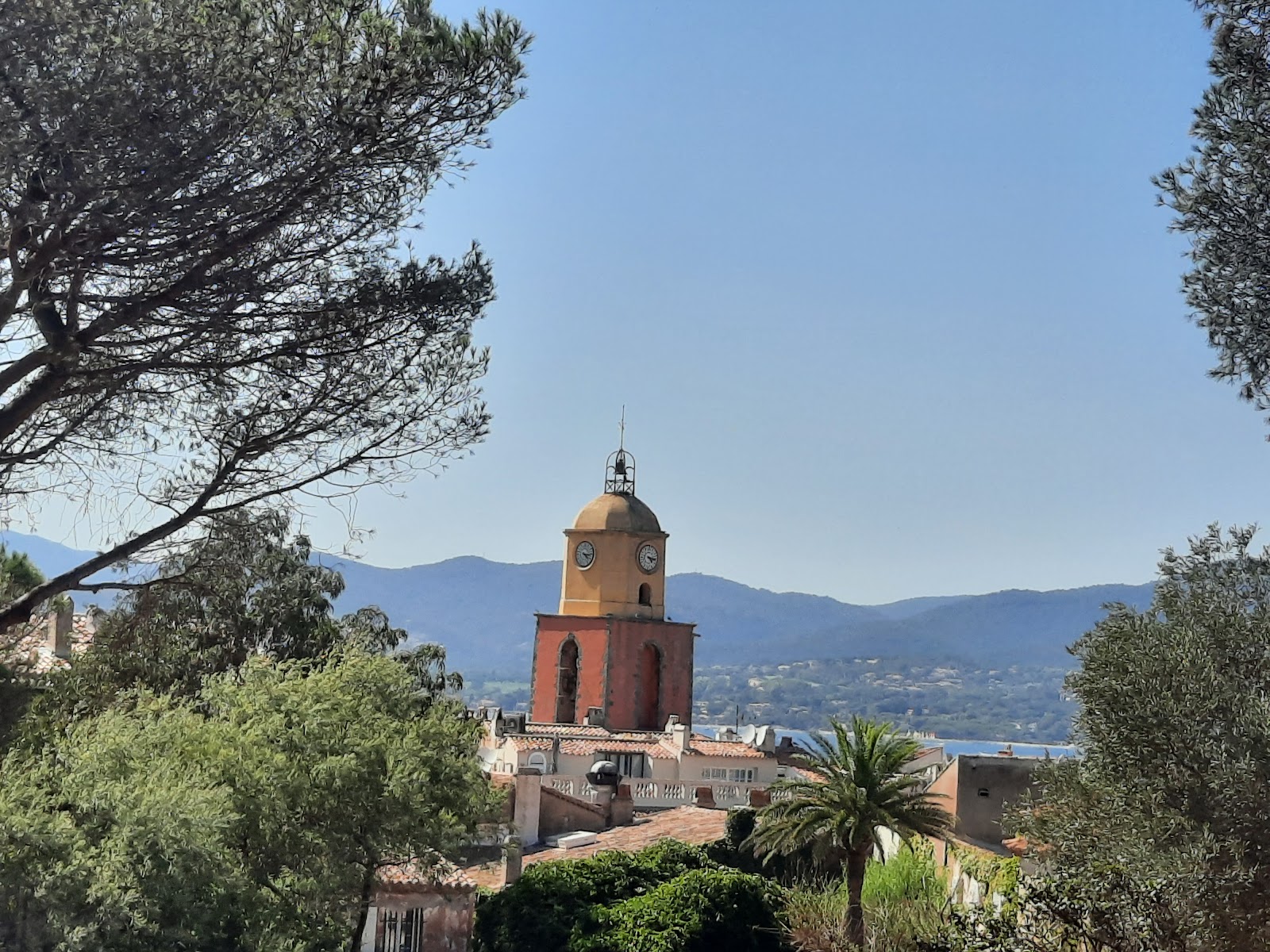
The bell tower of Notre-Dame de l'Assomption is the thing you orient yourself by in Saint-Tropez — ochre and sienna against the sky, 40 metres of Italian baroque rising above the old-town rooftops, visible from the water long before you reach the quay. The clock faces tell their own small story: there are three of them, not four, and local legend holds that the missing face was turned away to avoid showing the time to the rival town of Sainte-Maxime across the gulf.
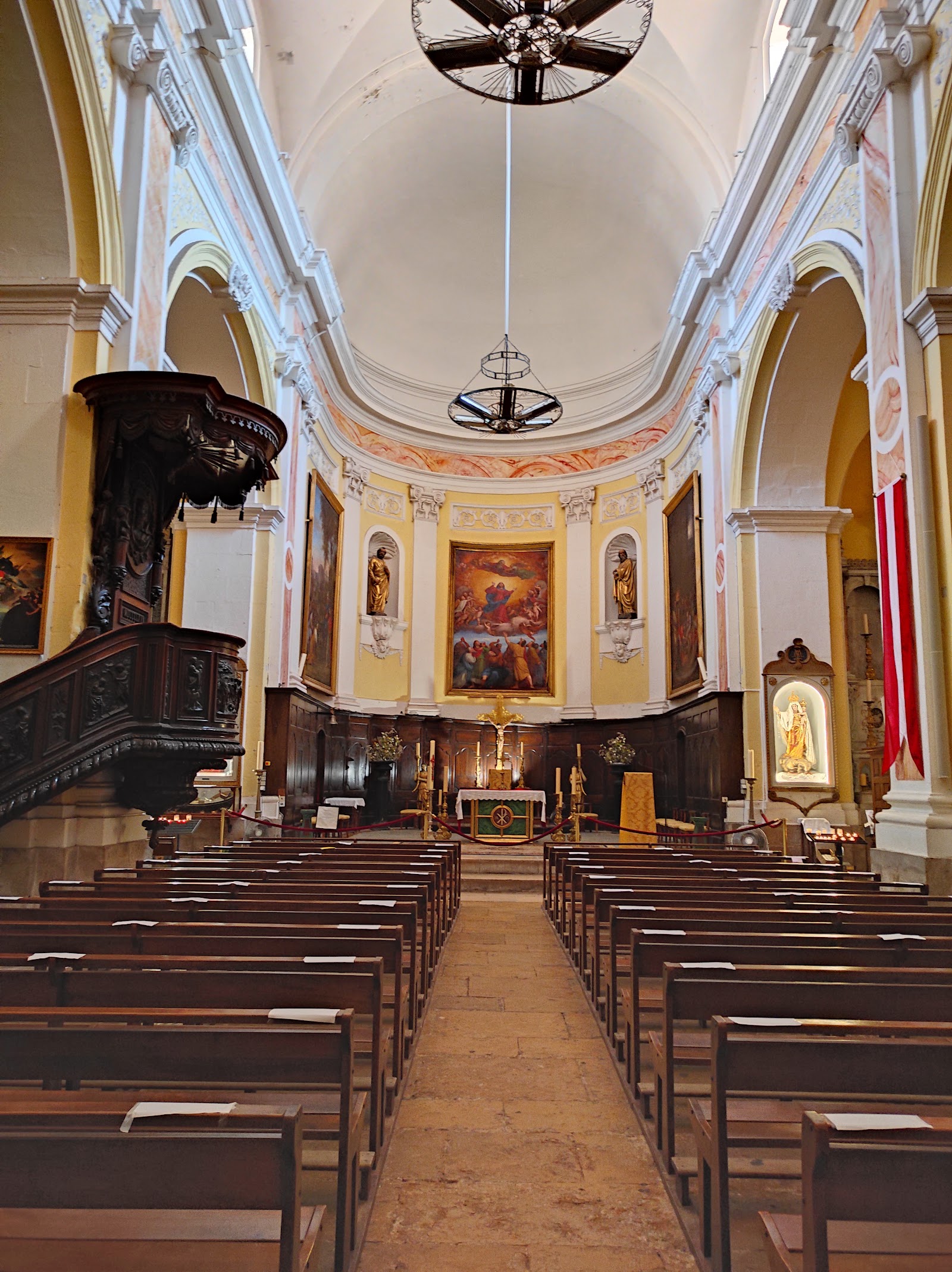
Inside, the church is quieter than you might expect for a town this famous. The late 18th-century Italian-style decoration has a certain worn warmth to it, and the wooden bust of Saint-Tropez — the patron who gives the town its name — sits here between its annual outings during the Bravades procession.
💛 What travellers fall for
People who come back tend to time a visit for late morning, when the light catches the tower's forged-iron campanile cleanly. If the Amis de l'Orgue de Saint-Tropez have a concert scheduled, it's worth arranging your day around it — the acoustics reward the effort in a way the exterior alone doesn't prepare you for.
The story behind Église Notre-Dame de l'Assomption de Saint-Tropez
A religious building has stood on this site since the 11th century, though that structure was destroyed during the wars over Queen Jeanne's succession. A 16th-century church replaced it, and that in turn gave way to the current building, completed in 1784 in the Italian baroque style then fashionable along this stretch of the Mediterranean coast. The Revolution interrupted its sacred use almost immediately — for decades it served as a weapons store — before being consecrated in 1820 by the Archbishop of Aix-en-Provence, Mgr de Bausset-Roquefort.
The 1944 Allied bombardments that helped liberate the town also damaged the church, cracking the clock faces that had been installed on the tower in 1872. Classified as a Monument Historique in 1981, the interior was restored between 1988 and 1990. Paul Signac, who lived in Saint-Tropez and painted the harbour repeatedly, turned his eye to the bell tower in 1896; the resulting canvas, 'Le Clocher de Saint-Tropez', is now held at the Fondation Bemberg in Toulouse.
Good to know
Entry is free. Opening hours shift seasonally and the church sometimes closes midday, so checking the door before you walk over from the Vieux Port saves a wasted trip. The address is Rue Commandant Guichard. No special dress code is posted, but shoulders and knees covered is standard courtesy.
Where is Église Notre-Dame de l'Assomption de Saint-Tropez?
More tickets & tours for Église Notre-Dame de l'Assomption de Saint-Tropez
Book directly at the provider
What travellers say about Église Notre-Dame de l'Assomption de Saint-Tropez
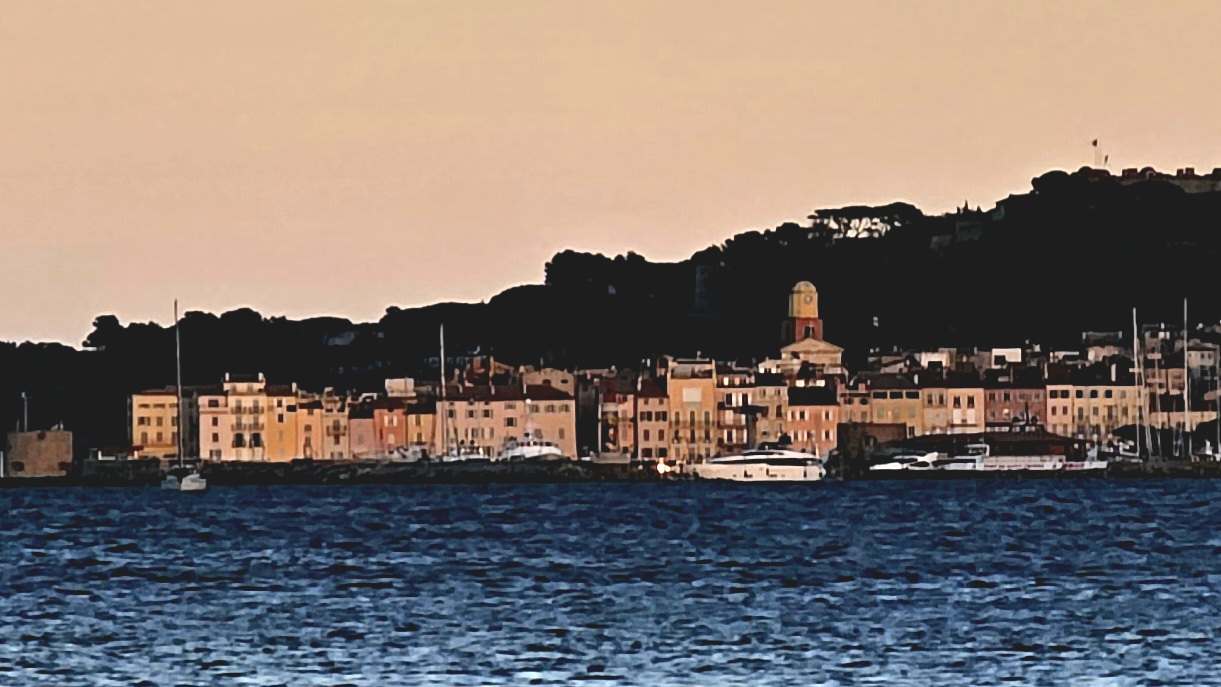
It is a church located in the center of Saint Tropez and is the symbol of the village. But not the church in general, but more specifically its colorful bell tower! The bell tower dominates over the houses of Saint Tropez while arriving by boat and is visible from many points within the village. Around the church there are many restaurants and shops.
Nice church from outside, the opening times are very disappointing though. You cannot go in when you want.
From around the cathedral you can hike up to see the most incredible sights and views of the city and village. Breathtaking. Do the hike if you can and do some if not all. Still worth it.
There is only one mass on Sunday at 10h30 ! During the week, no mass on Monday. The only catholic church in Saint Tropez.
Very nice place! Make sure to attend a mass. God bless you all 🙏🏼
More of Saint-Tropez
Discover where to stay, what to do and the best deals for your trip.
Explore Saint-Tropez →More attractions in Saint-Tropez
All of Saint-Tropez →
Background adapted from Wikipedia (CC BY-SA) · map data © OpenStreetMap contributors · ratings & place photos via Google · other photos with per-image credit. Ticket links may earn us a commission at no extra cost to you.