
Toulon
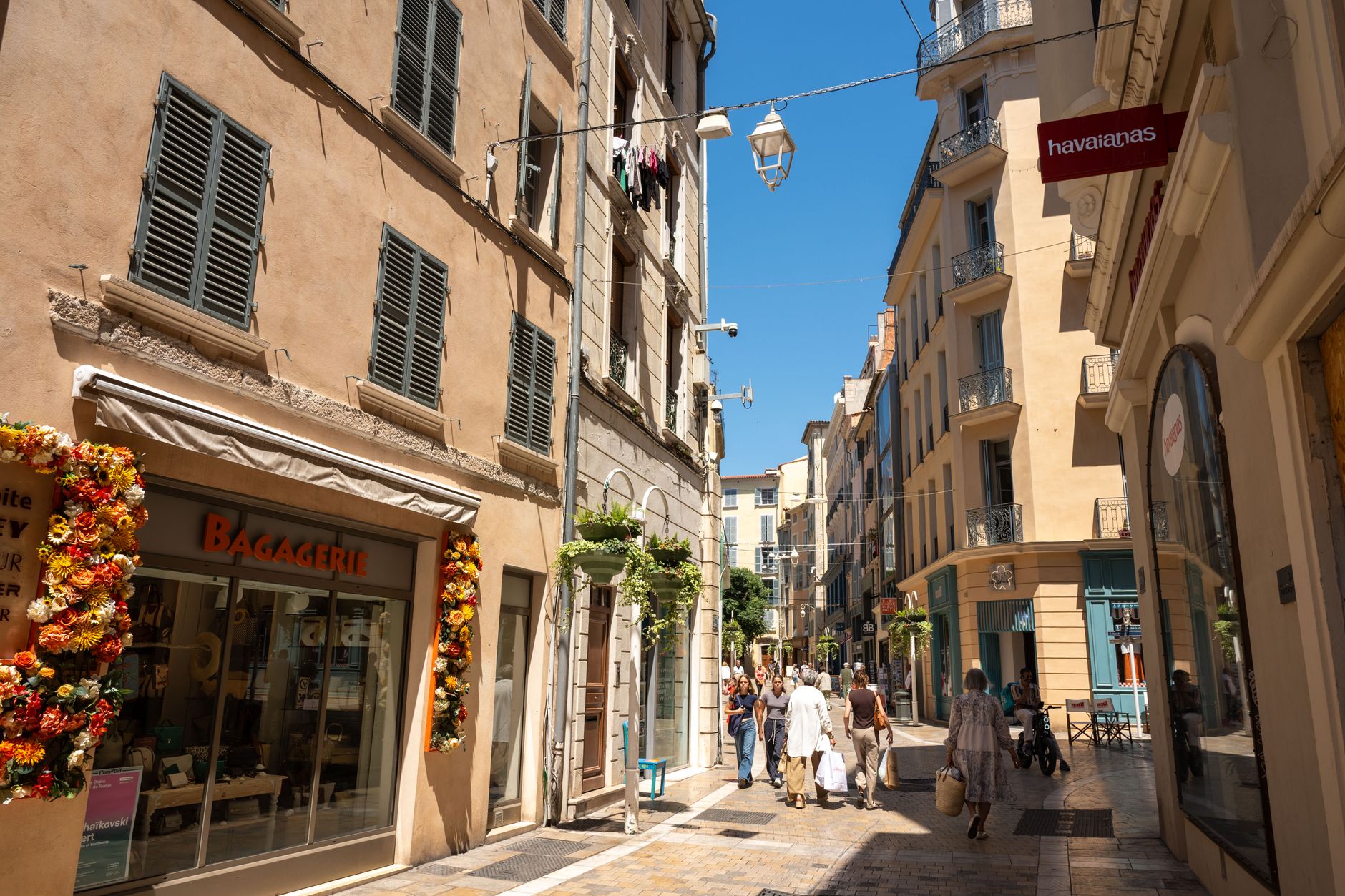
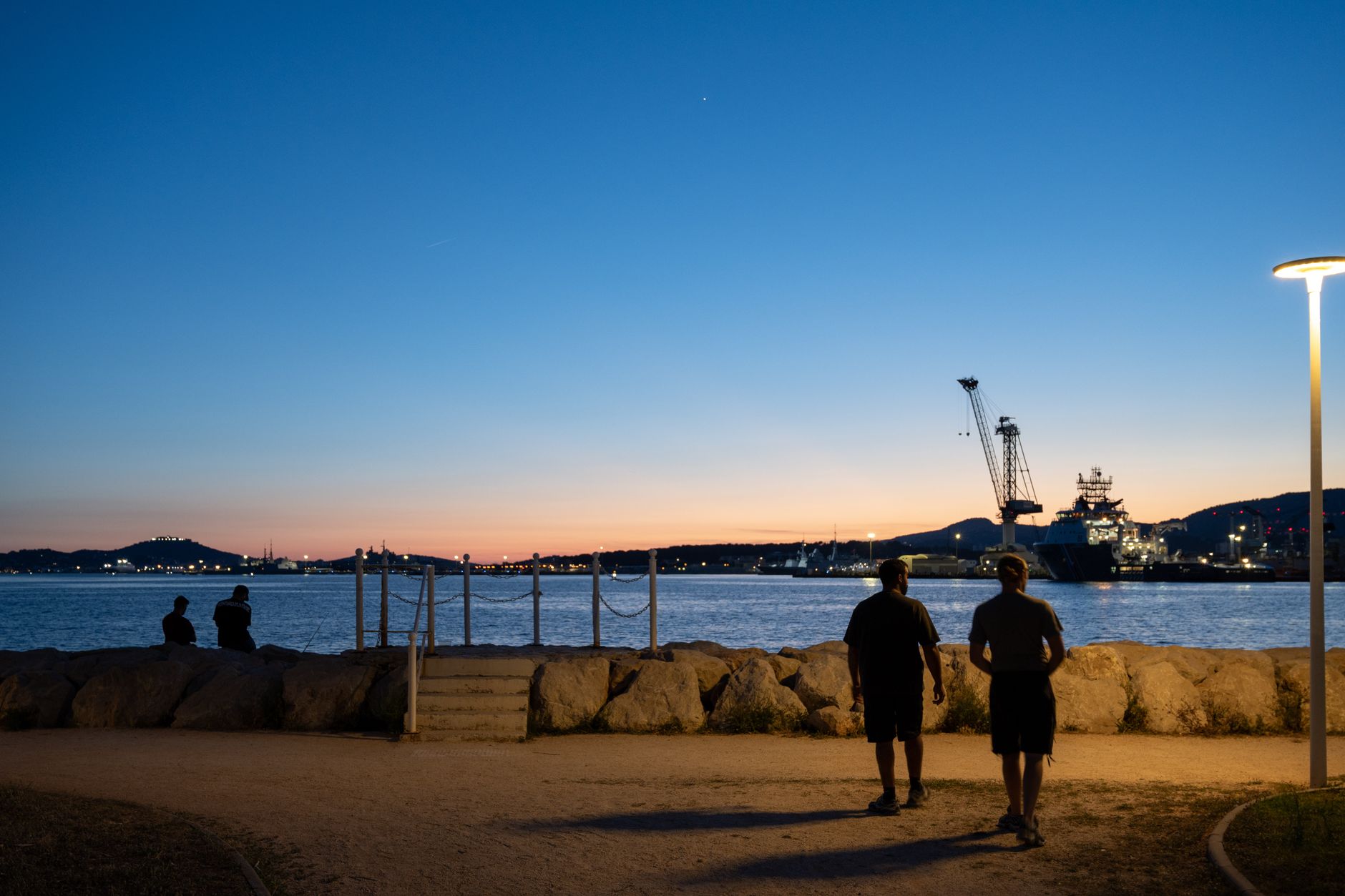
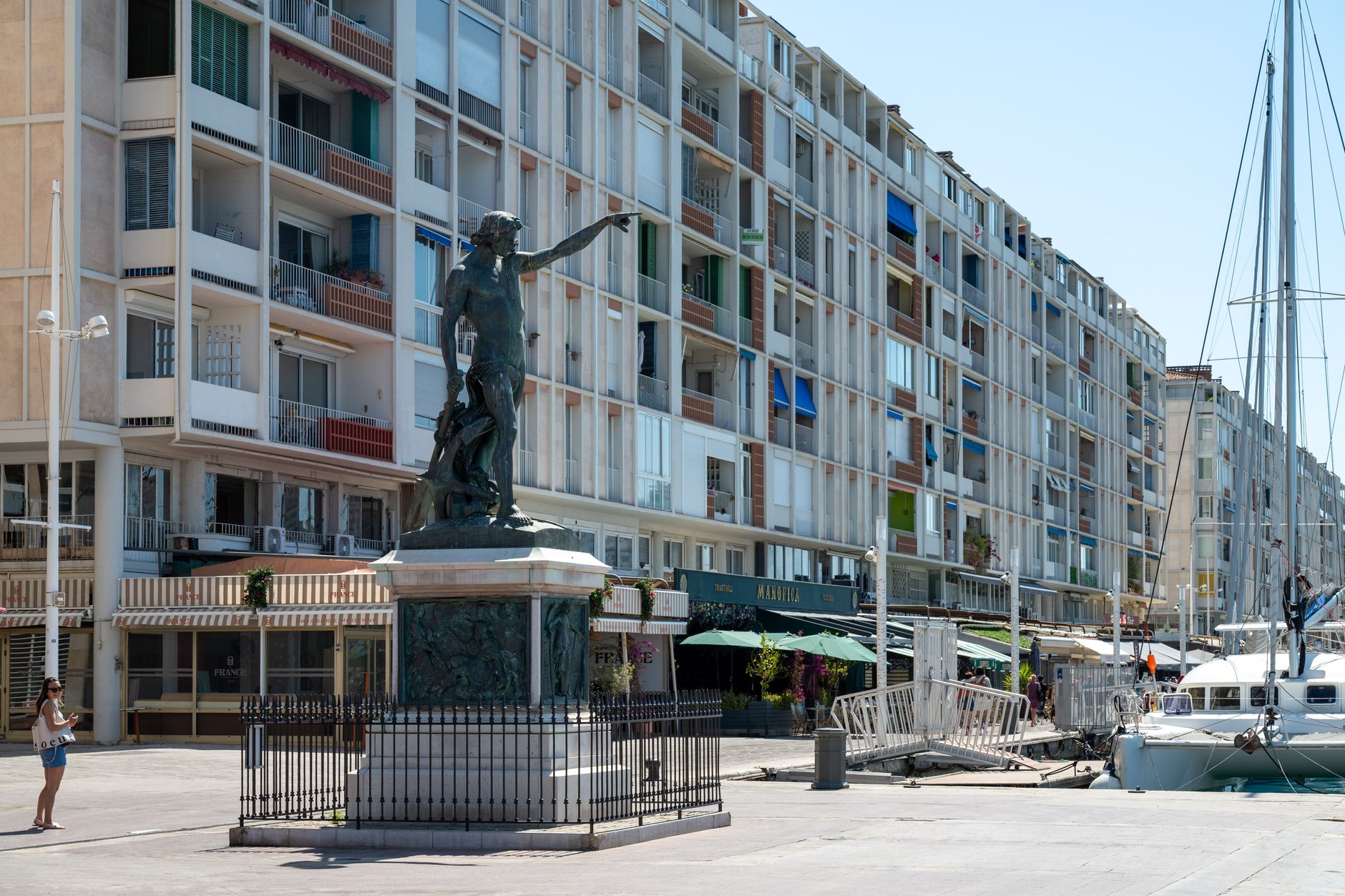
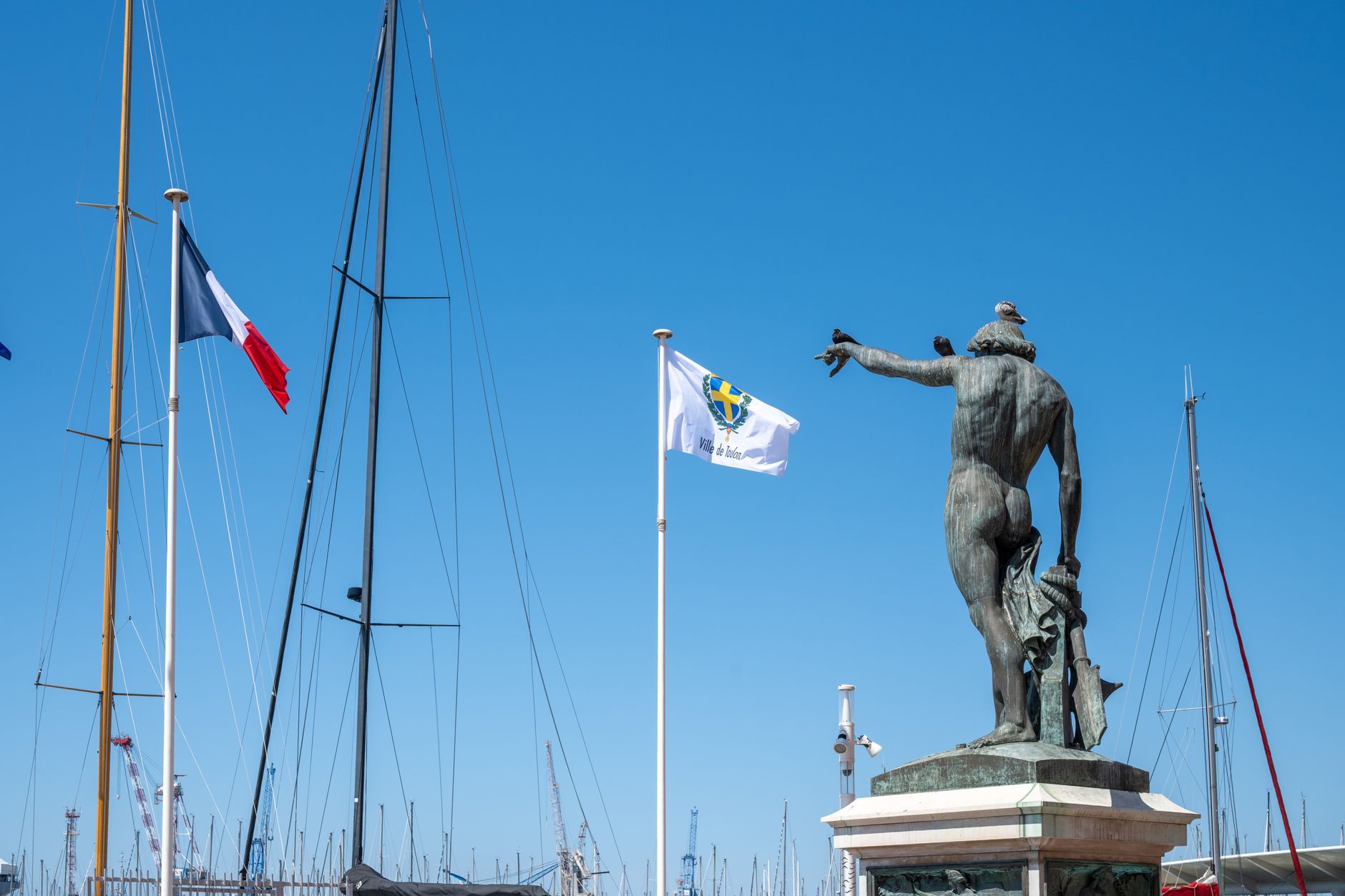
Toulon's harbour is where France keeps its Mediterranean fleet, and the city has never quite let you forget it. The waterfront Quai Constradt is anchored by a bronze figure — the Génie de la Navigation, inaugurated 1847 — pointing one finger out to sea, which is roughly what Toulon has been doing since the Romans worked murex snails here to dye imperial purple robes.
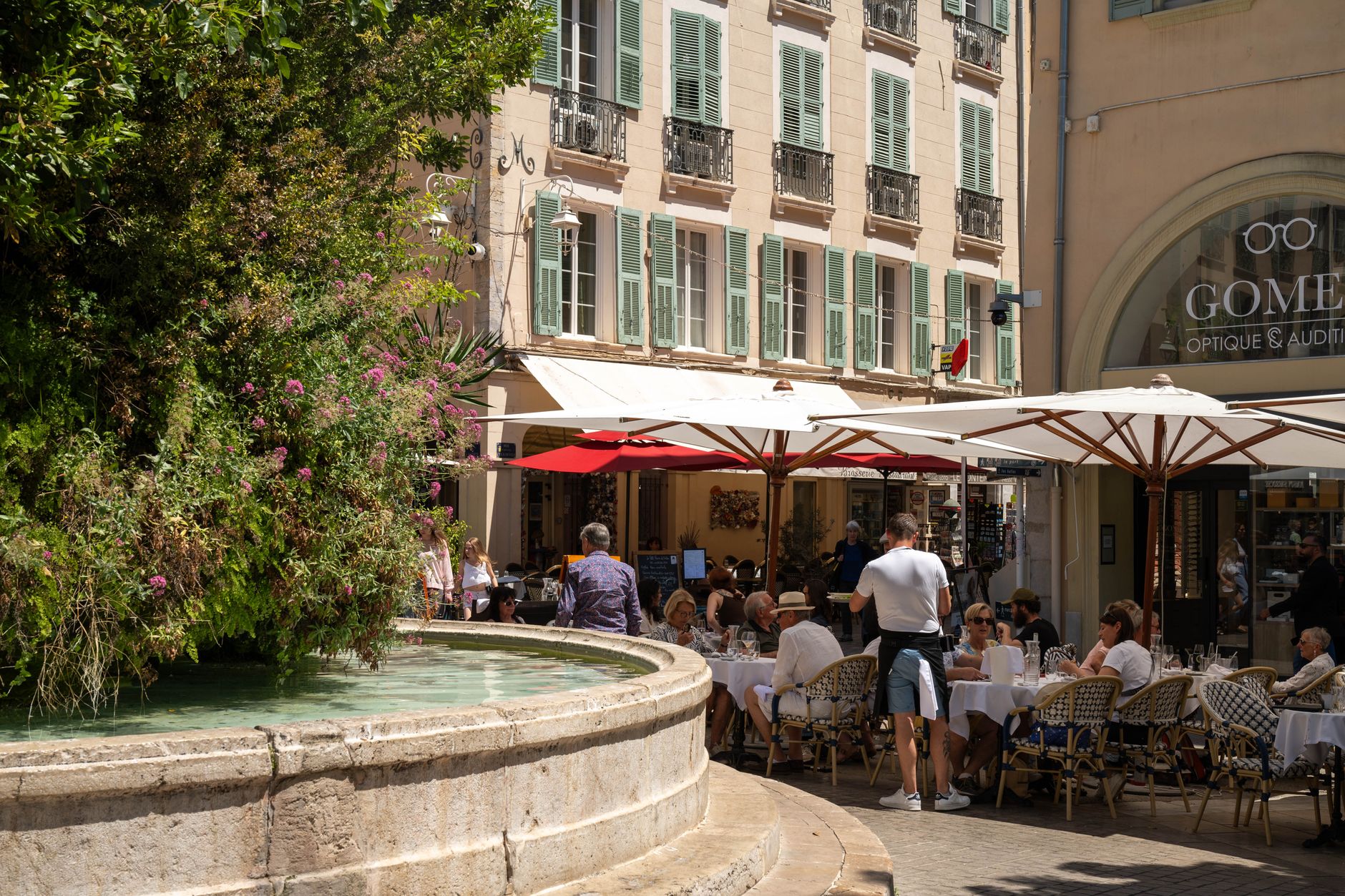
Behind the port, the old town presses up against the Cathédrale Sainte-Marie-de-la-Seds, whose bell tower's wrought-iron campanile went up in 1740. The city is a working naval base first, a tourist destination somewhere further down the list — and that ordering gives it an authenticity that the more polished Côte d'Azur towns have largely traded away.
💛 What travellers fall for
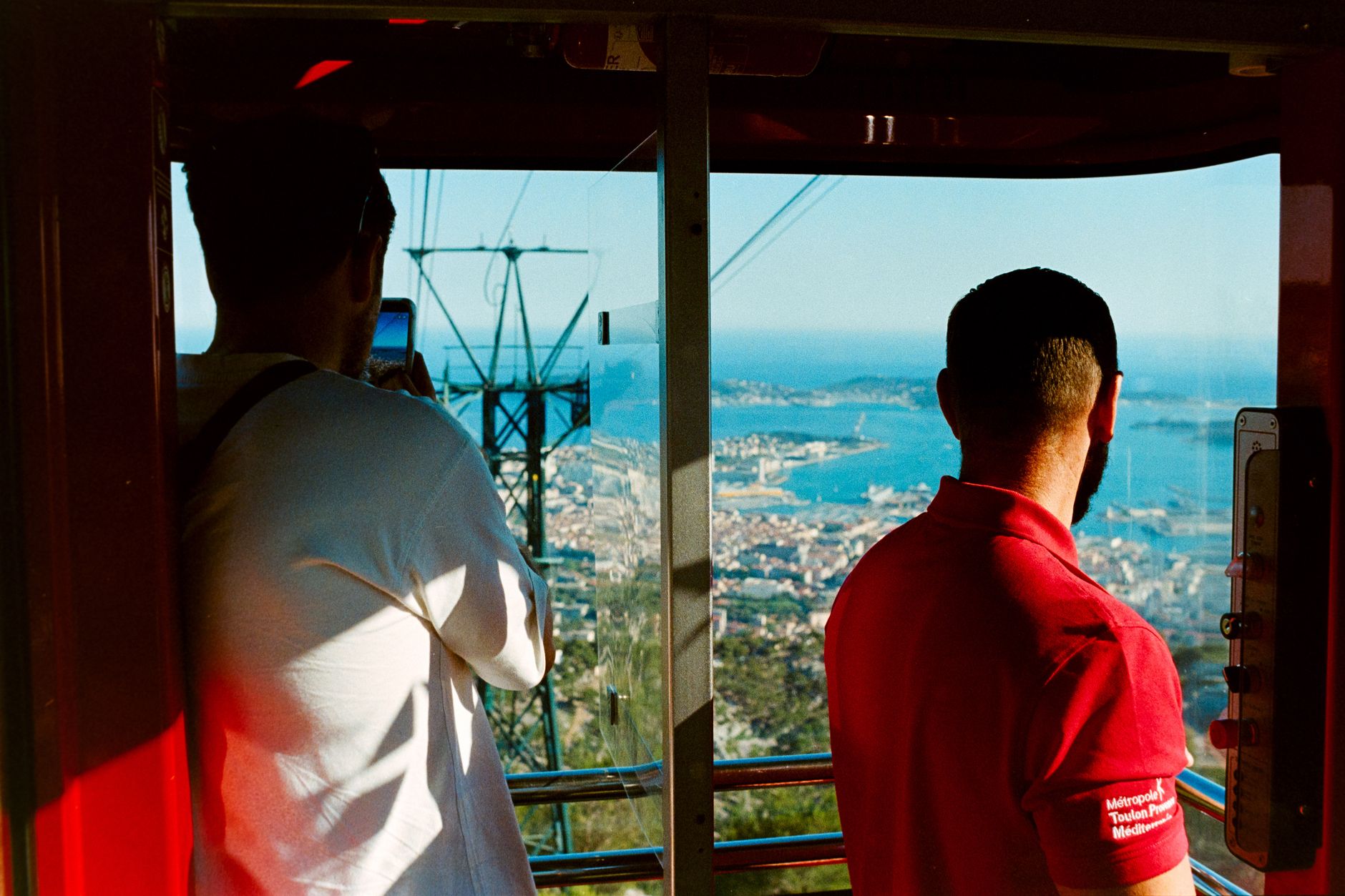
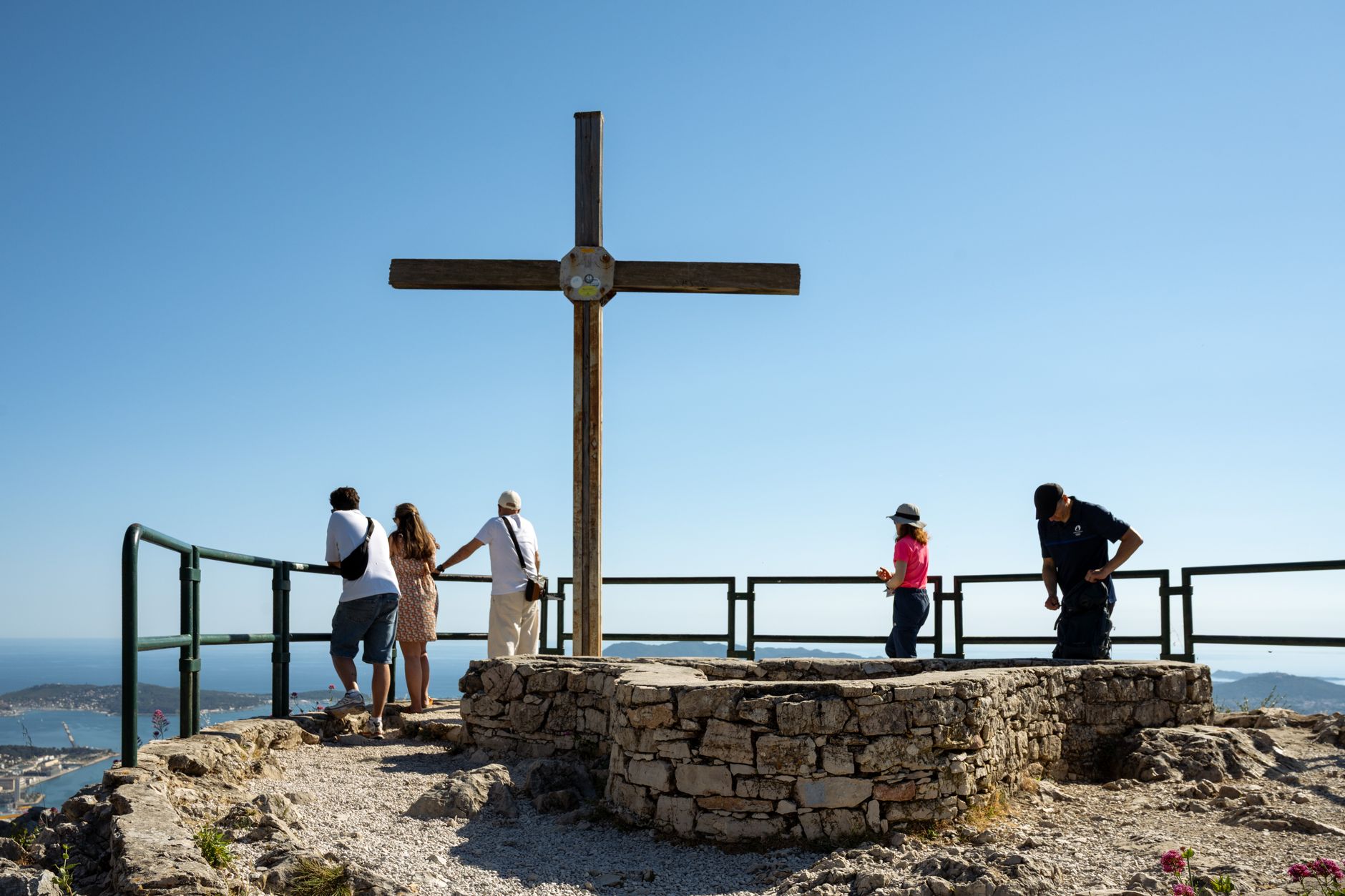
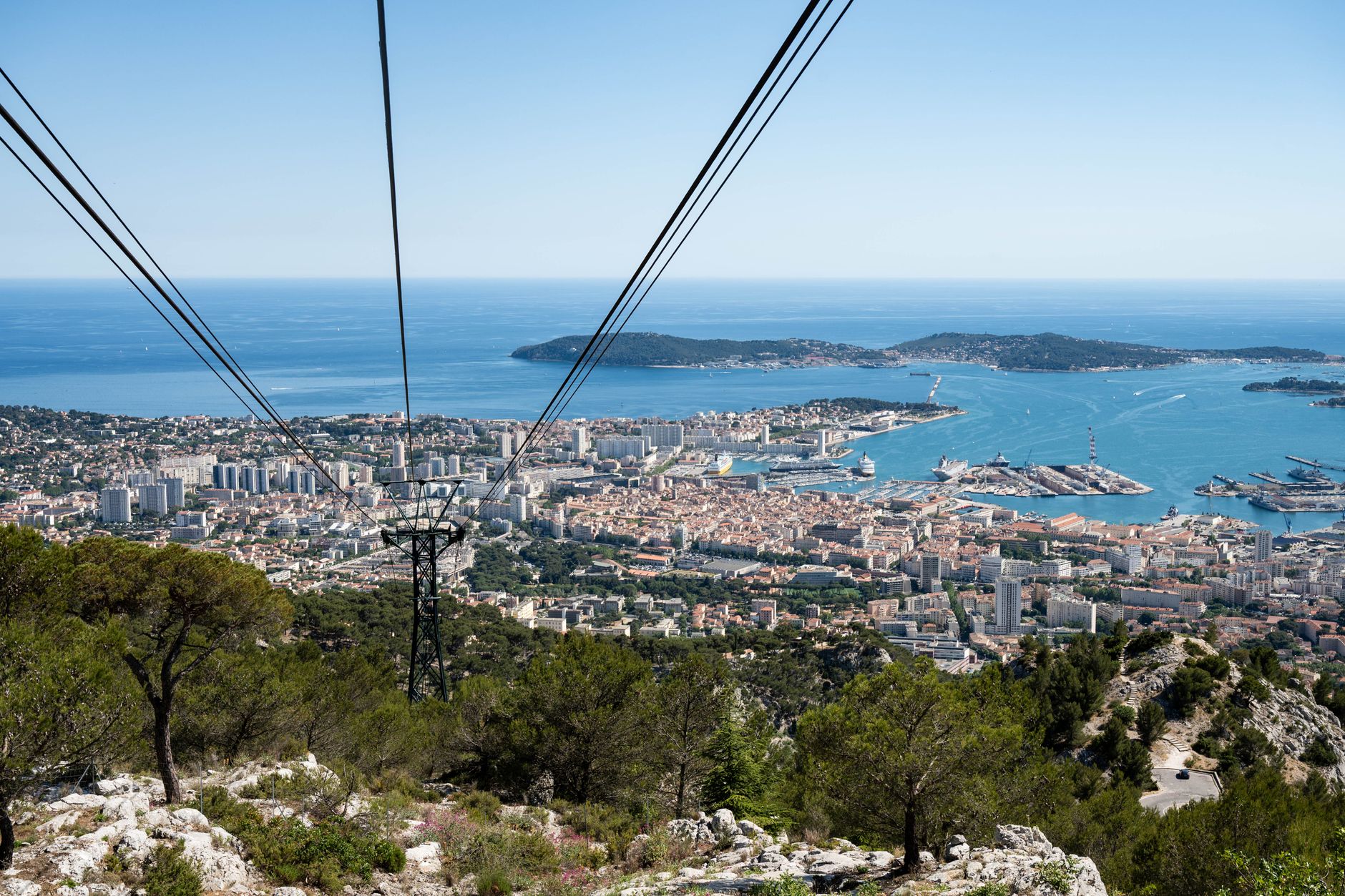
People who come back tend to mention the cable car to Mont Faron — 584 metres up, one of the only coastal cable cars in Europe — less for any single attraction at the top than for the view of the fleet laid out below. The Musée National de la Marine, tucked behind the Arsenal's 1738 monumental gate, rewards a second visit more than a first.
Experiences you don't want to miss



Deals in Toulon
Book directly at the provider


How Toulon came to be
Rome planted Telo Martius here for the springs and the sea access, and ran one of its principal purple-dye industries from the harbour. By 1543, Francis I's Franco-Ottoman alliance brought Admiral Barbarossa's fleet to winter in the port — residents were cleared from their homes for the season. Henry IV established the military arsenal in 1599, and Richelieu, Colbert, and the engineer Vauban each deepened Toulon's role as France's Mediterranean naval nerve centre over the following century.
The city's most dramatic single day came on 27 November 1942, when Admiral Jean-Baptiste Laborde ordered 73 ships scuttled in the harbour to keep them from German hands — cruisers, destroyers, submarines, one battleship, all sent to the bottom by their own crews. The Allies liberated Toulon in August 1944.
Who and what shaped it
People who shaped it
Landmark buildings
See Toulon in motion
Plan your visit
On the map
When to go
Summers are hot and dry, with July and August bringing the full Mediterranean intensity — fine for the beaches at Mourillon, less ideal for walking the old town at midday. April through June and September through October offer warm, clear days with manageable temperatures and fewer crowds.
Right now
Background & history adapted from Wikipedia (CC BY-SA) · specs from Wikidata (CC0) · weather from Open-Meteo · map data © OpenStreetMap contributors · photos from Wikimedia Commons / Unsplash with per-image credit. No third-party reviews or social posts reproduced.