
Antibes
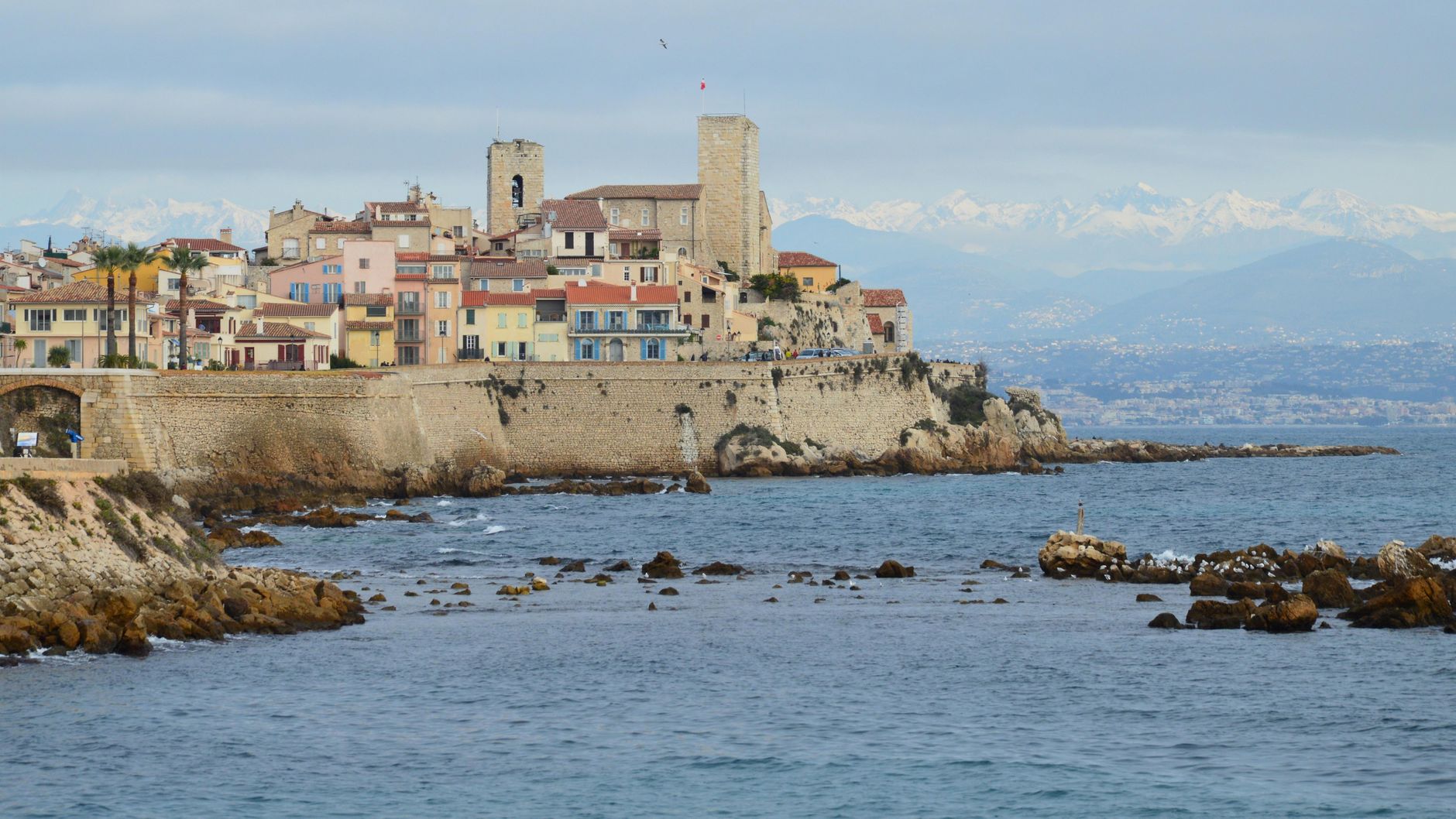
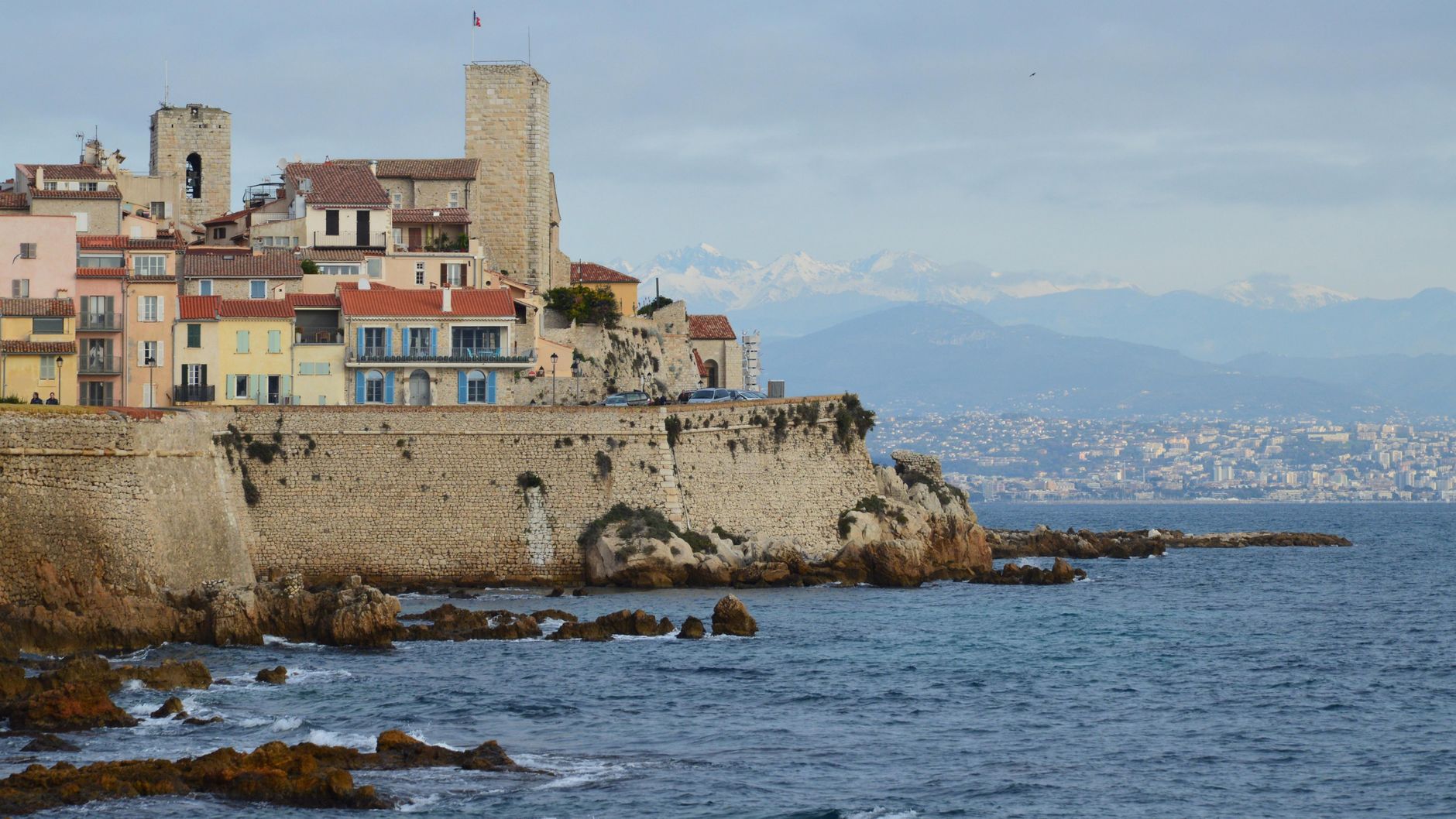
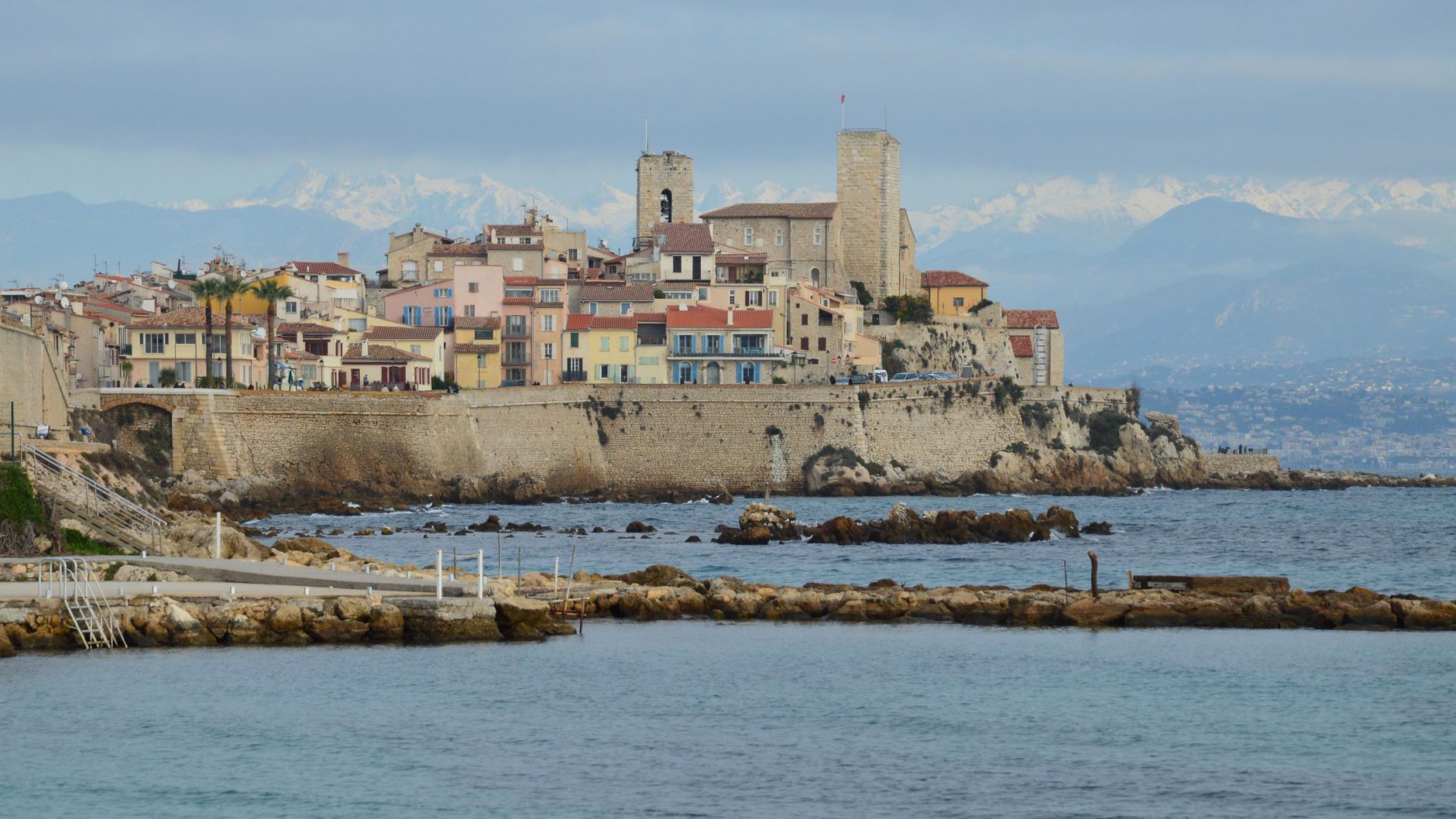
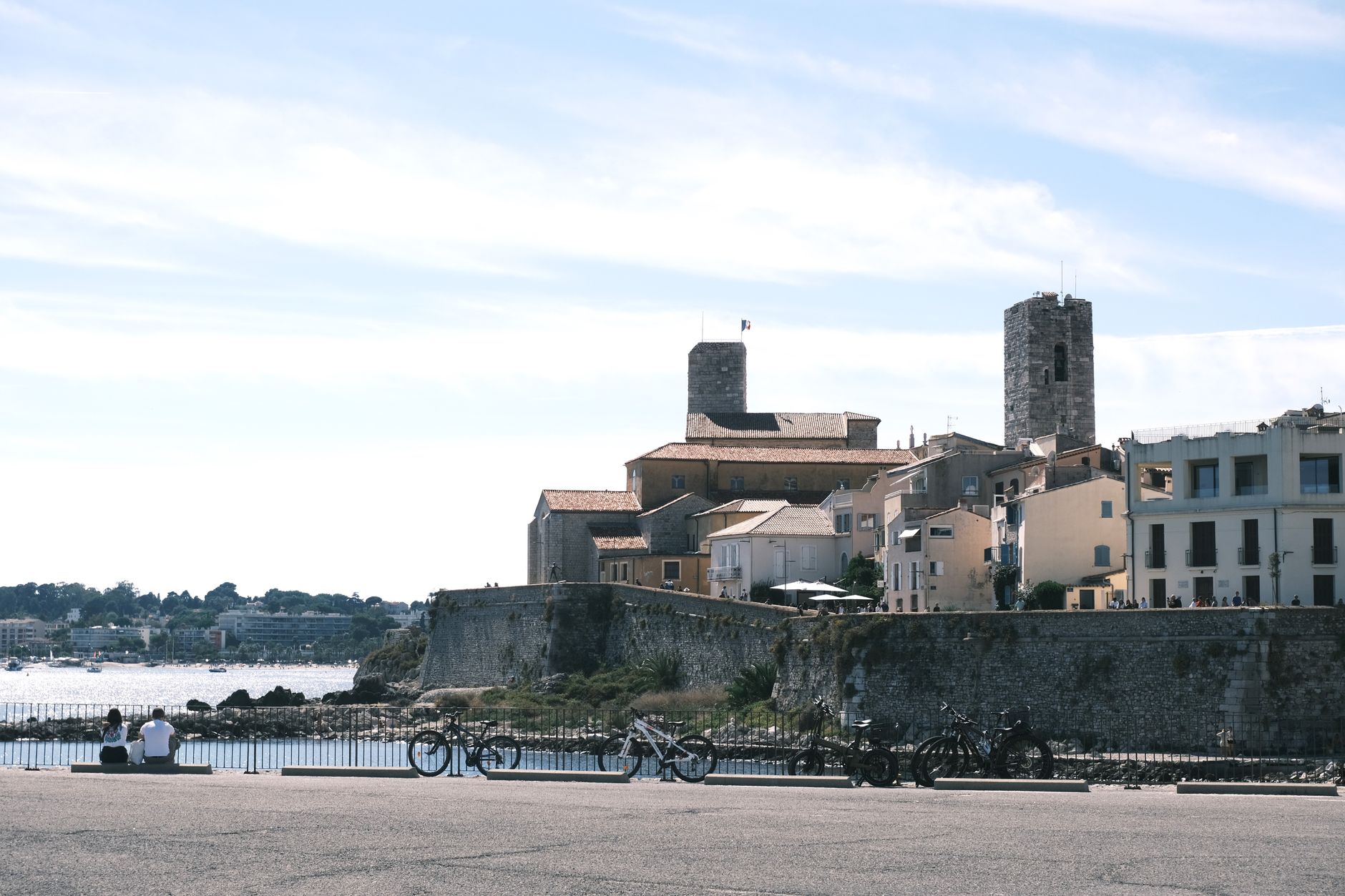
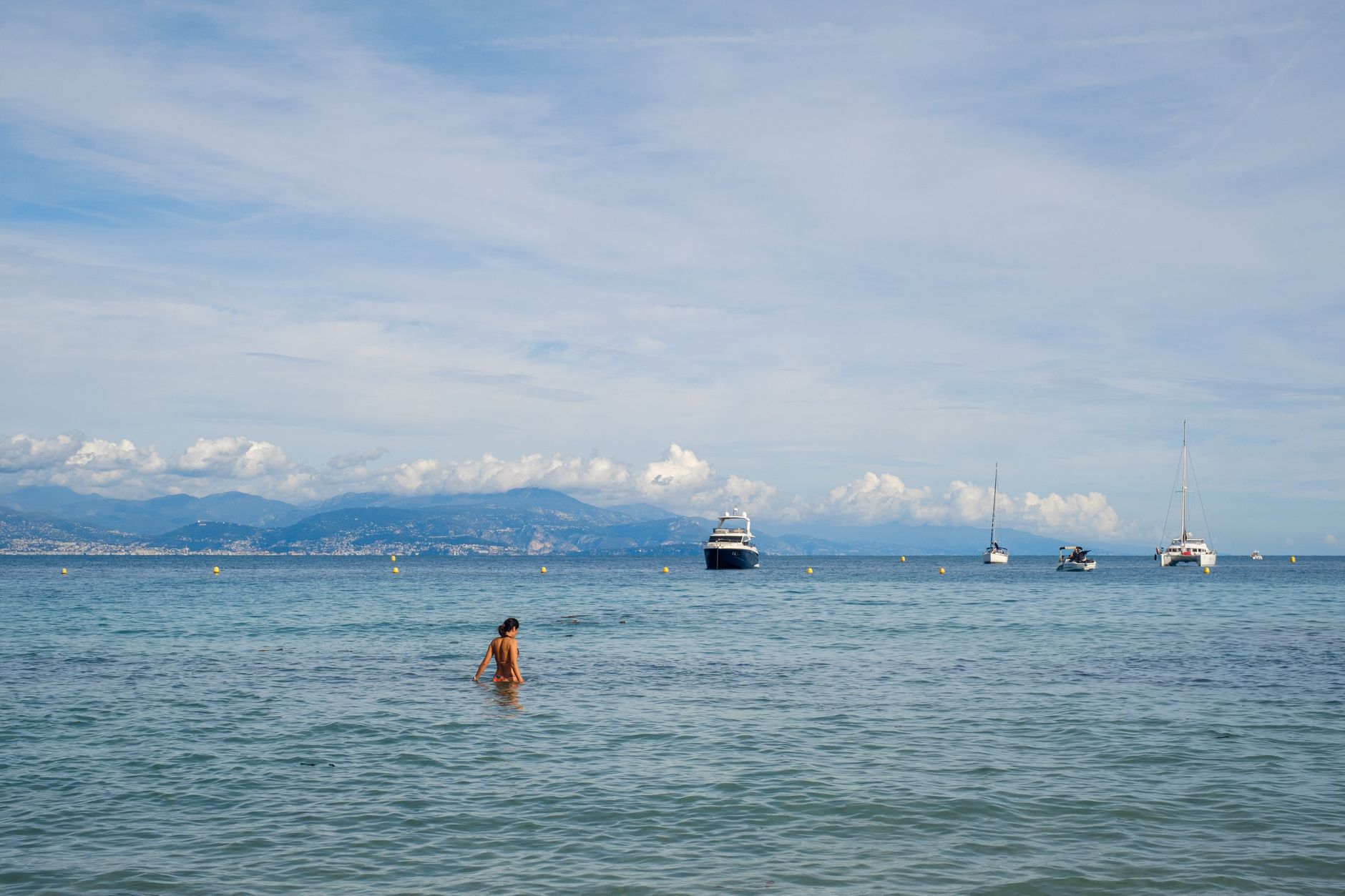
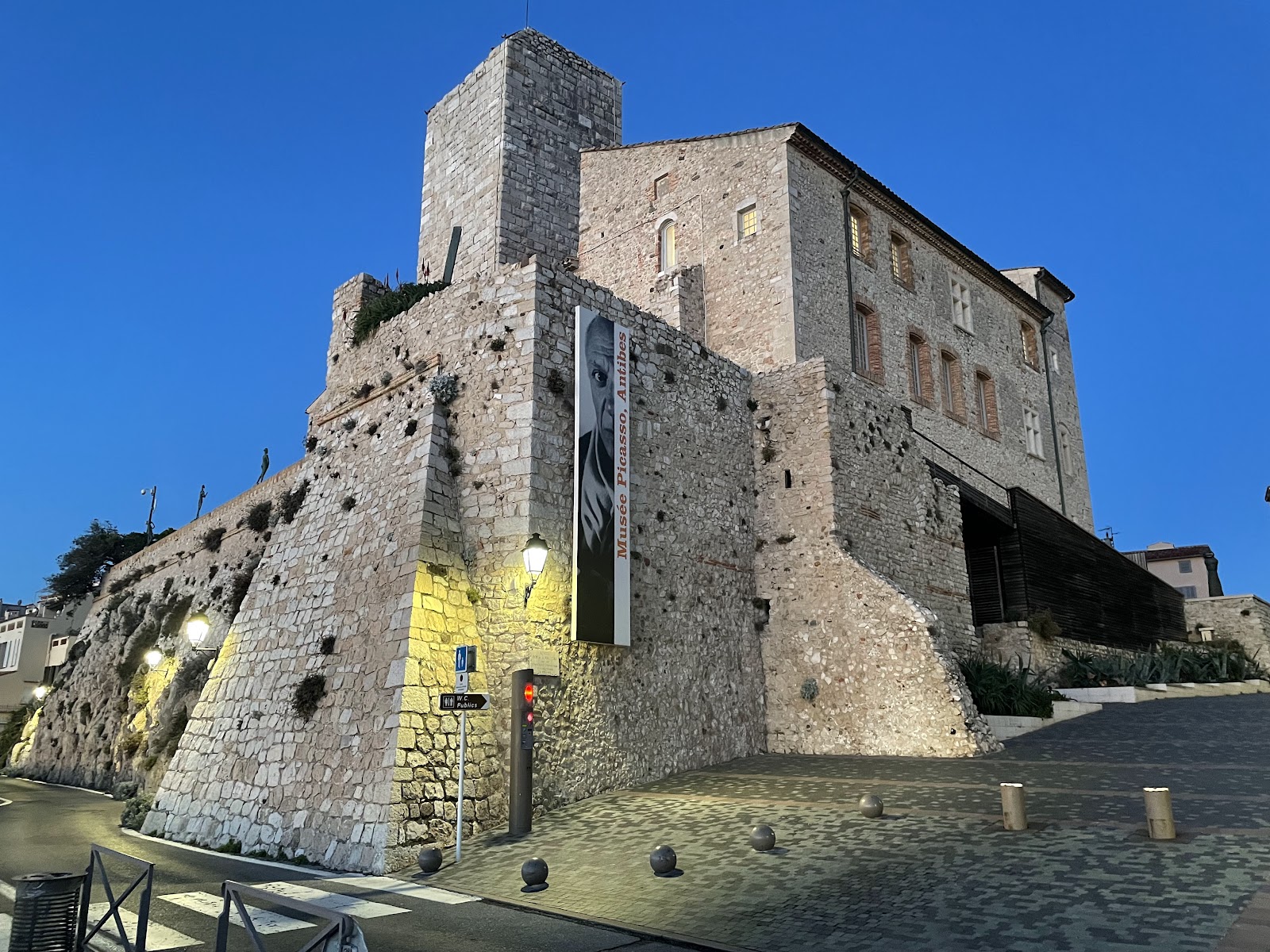
Stand on the ramparts of Antibes at dusk and you're looking at the same sea the Phocaean Greeks sailed when they founded this place — Antipolis, the city opposite — sometime in the fourth century BC. The old town still sits behind Vauban's fortifications, stone pressed against the Mediterranean, and the Château Grimaldi rises above it all, which is where Picasso spent six months in 1946 and left behind 24 paintings, dozens of drawings, ceramics, tapestries.
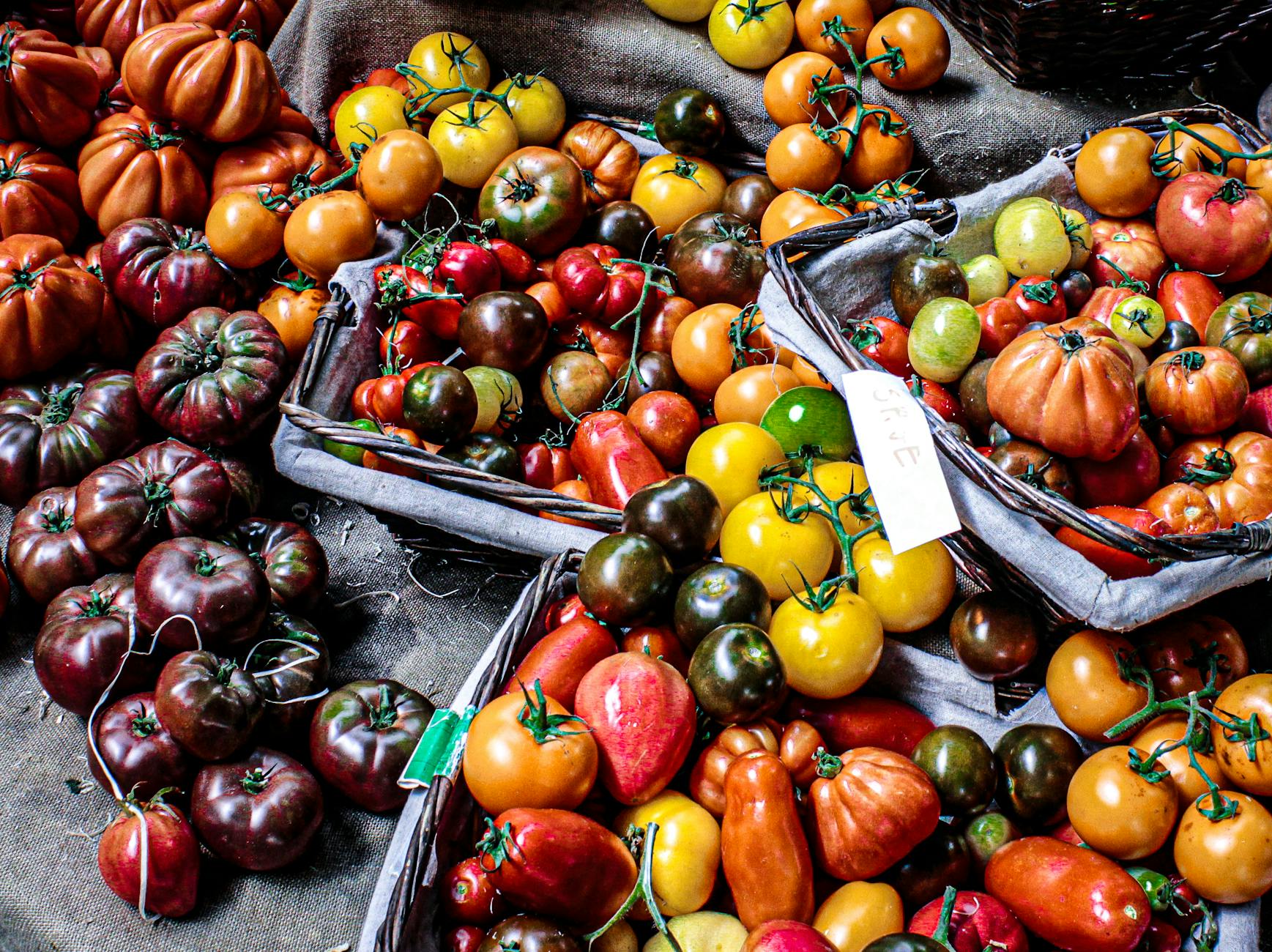
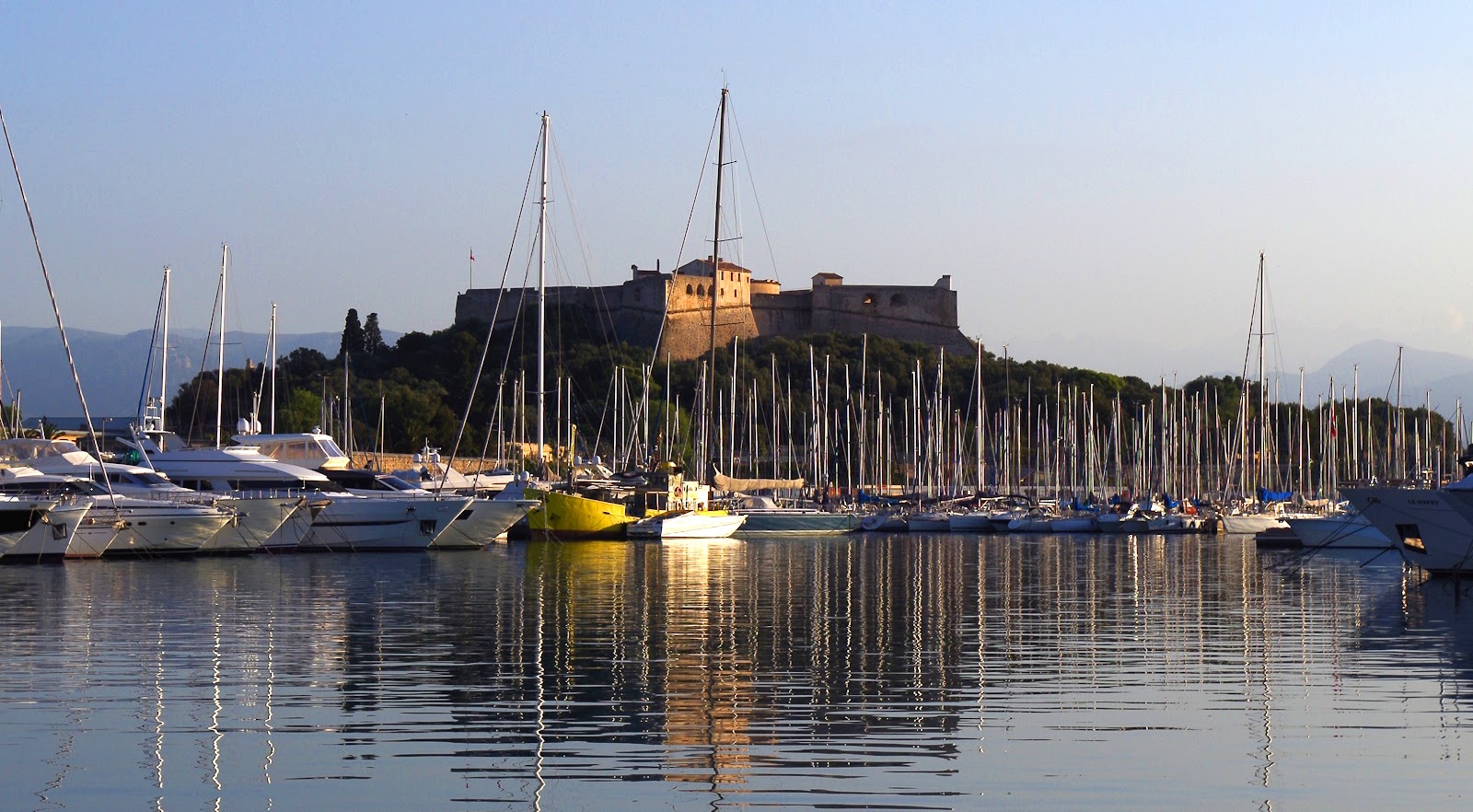
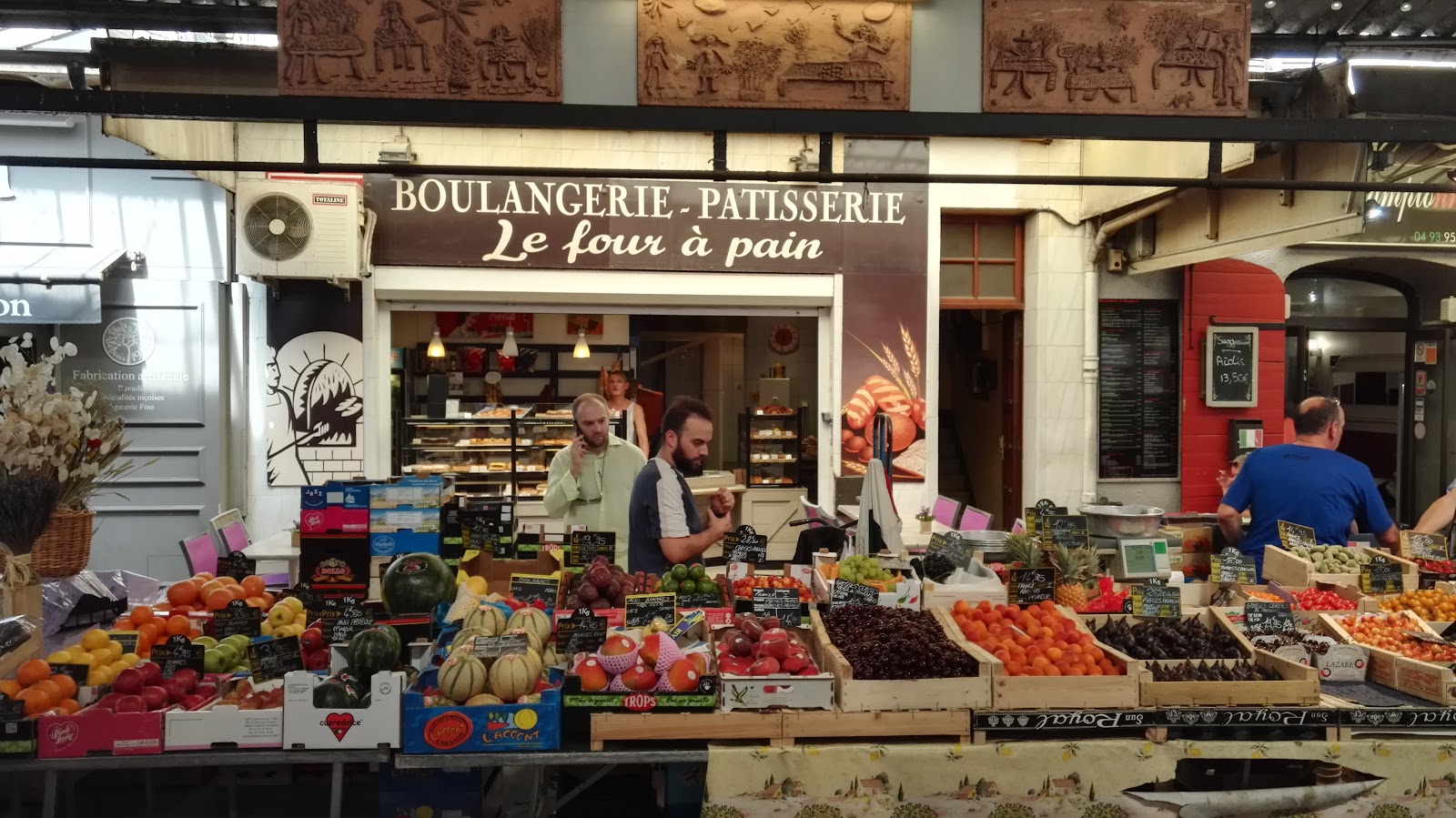
Antibes today holds roughly 77,000 people and the largest yachting harbour in Europe — superyachts stacked along Port Vauban where a Roman harbour once stood. The Marché Provençal runs six days a week under the old arcades. There is a cathedral with 18th-century carved wooden doors. The scale is human, the history is not.
💛 What travellers fall for
People who come back tend to time the Picasso Museum for a weekday morning in shoulder season, when the light off the water fills the upper rooms and the crowds are thin. They walk the ramparts after, then cut into the Vieille Ville for the market. Fort Carré is worth the €5 and most visitors skip it entirely.
Experiences you don't want to miss



Deals in Antibes
Book directly at the provider


How Antibes came to be
The Phocaeans who founded Antibes in the fourth century BC called it Antipolis — the city facing their home port of Massalia across the bay. It became a bishopric around 450 AD, and the Château Grimaldi served as a bishop's residence from 442 until the Grimaldi family took it in 1385. Provence was annexed to France under Louis XI in 1481; the city was sacked by the Genoese admiral Andrea Doria in 1536.
Louis XIV gave Vauban the task of reinforcing the defences, and in 1746 those walls held through a 57-day siege commanded by the Count of Sade. A young Napoleon Bonaparte settled his family here before the Toulon campaign. By 1870 the first luxury hotel had opened, and Graham Greene lived in the town from 1966 until his death in 1991.
Who and what shaped it
People who shaped it
Landmark buildings
See Antibes in motion
Plan your visit
On the map
When to go
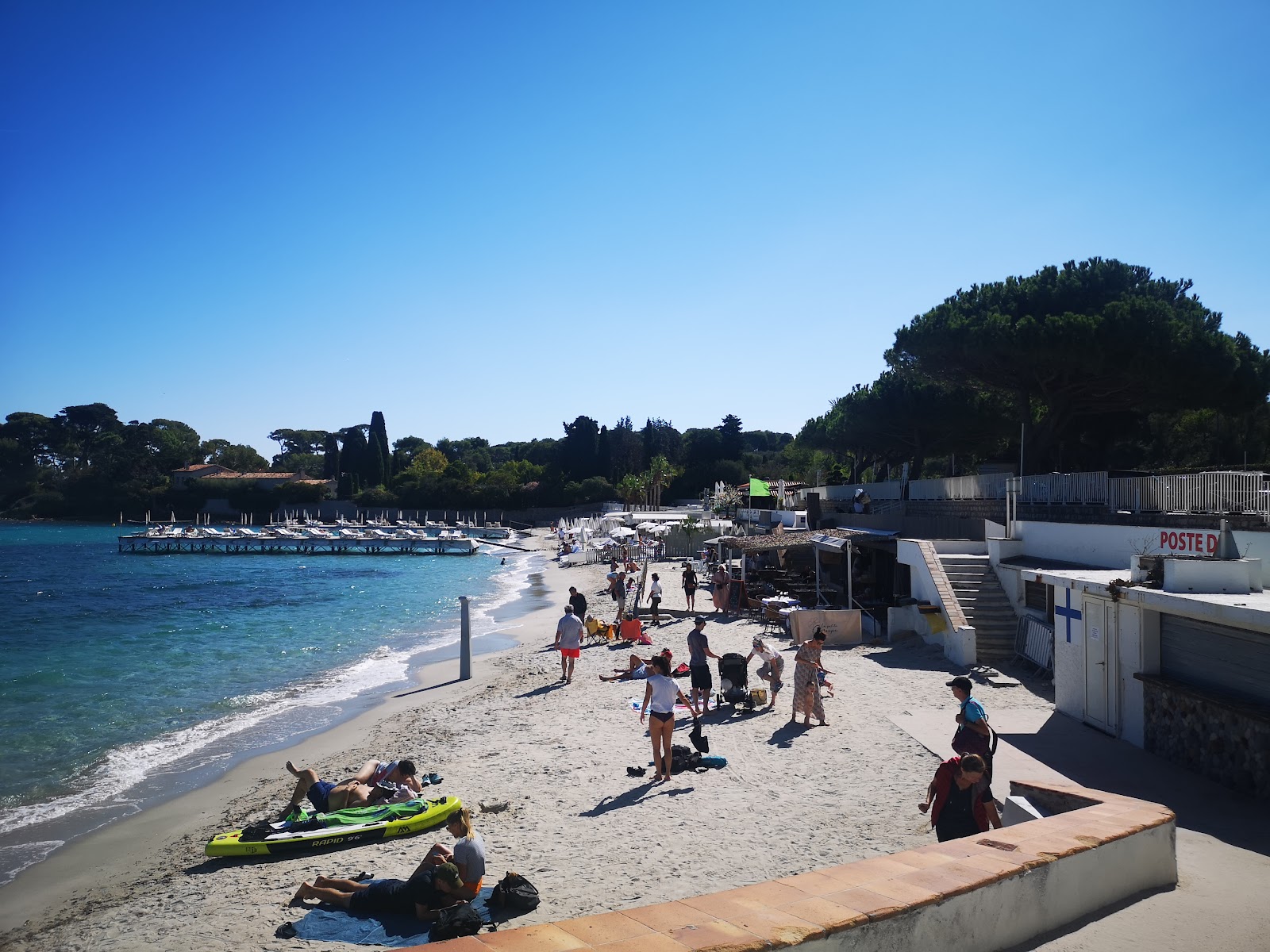
Summers are hot and almost entirely dry — July and August highs hover around 27°C with up to 15 hours of sun and a sea temperature of 24°C in August. Winters are mild rather than warm, with January nights occasionally dropping to 3°C; November is the wettest month, and the shoulder months of April–May and September–October are pleasant but variable.
Right now
↡ Attractions

Background & history adapted from Wikipedia (CC BY-SA) · specs from Wikidata (CC0) · weather from Open-Meteo · map data © OpenStreetMap contributors · photos from Wikimedia Commons / Unsplash with per-image credit. No third-party reviews or social posts reproduced.