
Marché Provençal d'Antibes
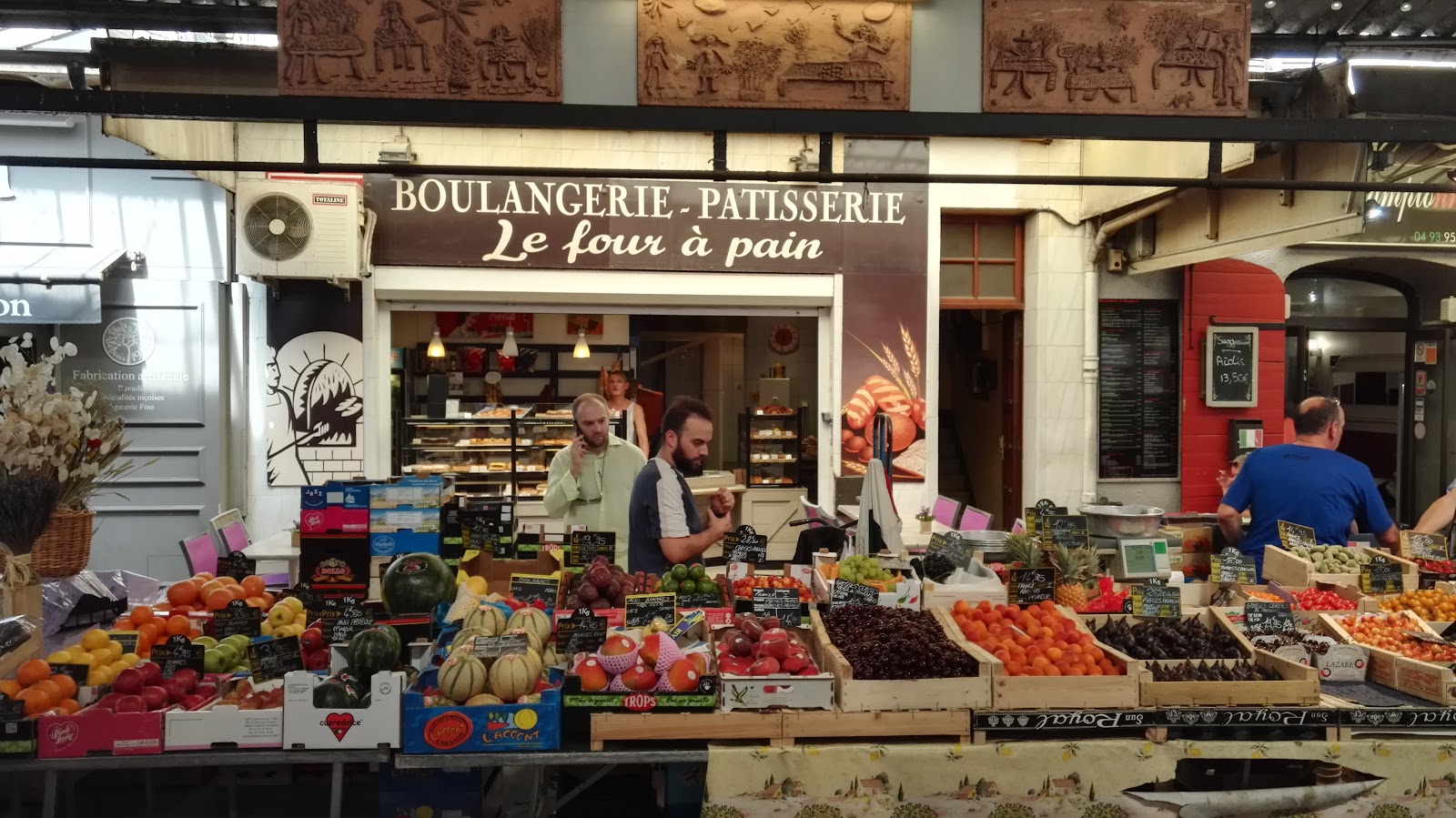
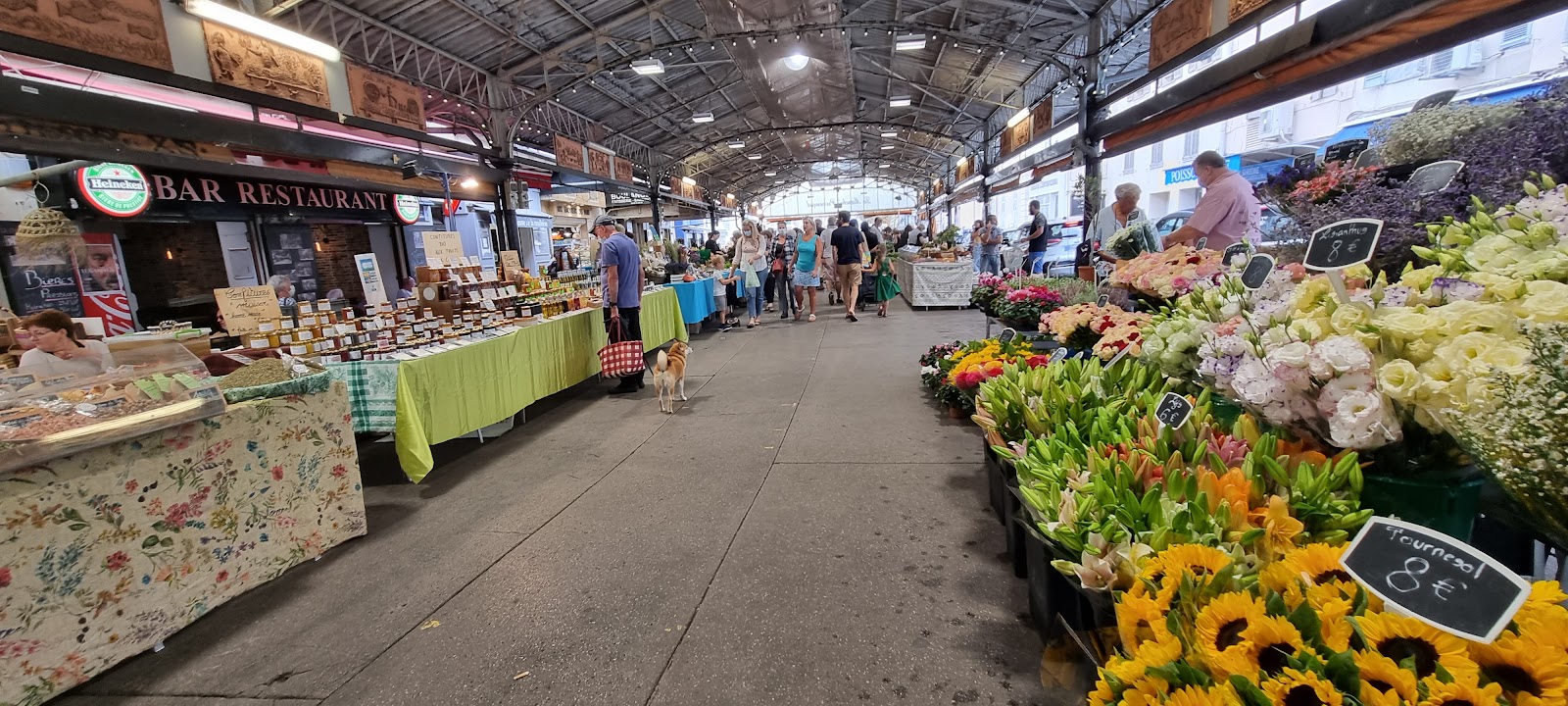
By six in the morning, Denis is already arranging crates of red mullet on his stall, and the smell of iodine and fresh basil drifts together through the covered hall on Cours Masséna. Around fifty stalls fill the space before most of the town has had coffee — mountain cheeses, Corsican charcuterie, olive oils, jars of jam, cut flowers from the hills near Grasse, and socca, the chickpea pancake that locals will tell you is better here than anywhere else in the south.
This is a working market, not a performance of one. The producers who show up most mornings have been selling here long enough to know their regulars by name, and the rhythm of the place — early, cash-heavy, finished by one — keeps it honest.
💛 What travellers fall for
People who come back tend to arrive closer to opening than closing, when the produce is at its best and the stalls aren't crowded. Bring cash — most vendors don't take cards. If the artisan market is running (afternoons, Friday through Sunday outside high summer), the character of the place shifts entirely toward paintings and handwork.
The story behind Marché Provençal d'Antibes
The market has occupied this stretch of Antibes since the nineteenth century, rooted in the medieval quarter known as la Bourgade, which sat at the gates of the old fortified city. The arcaded buildings that frame it carry their own histories — number 21 was once home to Marie-Rosalie Lamarre, who became the wife of Marshal Masséna.
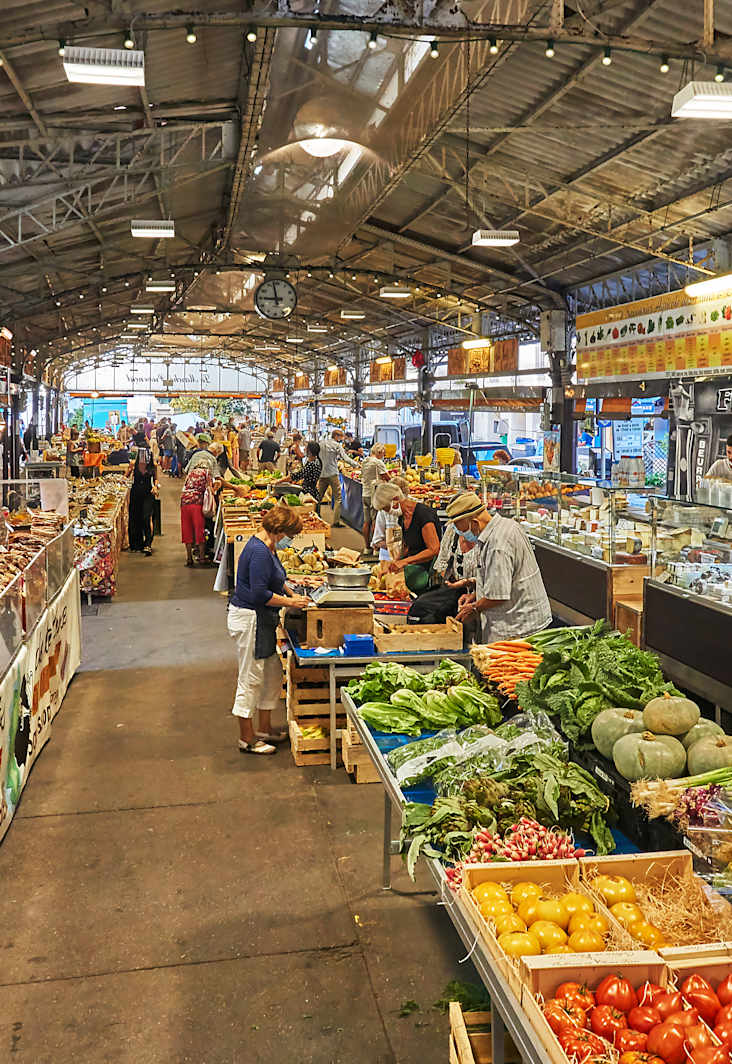
In 1832, micocouliers — nettle trees — were planted along the cours to shade the stalls through summer. They stood for nearly a century before being replaced in 1928 by the current iron-and-glass hall, built in the Baltard style, the same architectural language as the original Les Halles in Paris. The structure has defined the market's character ever since.
Good to know
A ten-minute walk from Antibes SNCF station, or a short walk from Port Vauban parking. Open Tuesday through Sunday from 06:00 to 13:00, daily in June through August. Free to enter. Budget an hour or two; arrive early for the best selection.
Summer mornings are warm and dry, often with a sea breeze that makes the early hour genuinely pleasant — by the time the market closes at one, the heat is building. In winter and spring, cooler temperatures and occasional rain are possible, but the market runs through it; a light layer is enough most mornings from October through April.
Where is Marché Provençal d'Antibes?
More tickets & tours for Marché Provençal d'Antibes
Book directly at the provider
What travellers say about Marché Provençal d'Antibes
Fantastic large outdoor market that is set up under cover in Antibes. The market is open from 7:00 to 13:00 everyday except Monday. Fresh fruits and vegetables are available, along with spices, flowers, cheeses, jams & jellies, olives and so much more. We shopped at the market on a Thursday and bought fresh vegetables for a salad that night. The stalls are packed with a variety of food and service is excellent. Some of the stalls are cash only, best to ask if they take card before purchasing your order. One customer picked up a tomato from one of the stalls and was quickly confronted by the stall owner who proceeded to yell at her for a very long time. It is requested that you do not touch the produce, but ask the stall owner for assistance. Worth a walk through.
Disclaimer - I love food and markets! This market had everything delicious. We bought French olives, some fruit, amazing blue cheese, a baguette, and other beach lunch tasty items. There were gorgeous flowers, spices, fresh meats and more too.
An absolute must visit in Antibes. A small, beautiful provence market, 6 days a week (closed Mondays). There is wonderful produce; fruits and vegetables, cheese, meat, flowers and more. There are lots of lovely cafes and restaurants surrounding the market to sit, have a drink and people watch. It can get very busy in the summer! Get there before midday to make the most of it.
Really good place to go in the morning, starts really early and is open until about 12 pm. Some of the products are kind of overpriced but many many of them are really worth it. I really recommend the meat place where the staff is wearing special uniforms sadly I don’t know the name of it
Interesting rather expensive and one of the most popular market on the French Riviera where its stalls are spread out under the magnificent metal market hall in the old town. The market is lined with bars, restaurants, and shops selling regional specialties. Ideal for a bite to eat after shopping !
More of Antibes
Discover where to stay, what to do and the best deals for your trip.
Explore Antibes →More attractions in Antibes
All of Antibes →

Background adapted from Wikipedia (CC BY-SA) · map data © OpenStreetMap contributors · ratings & place photos via Google · other photos with per-image credit. Ticket links may earn us a commission at no extra cost to you.