
Cap d'Antibes
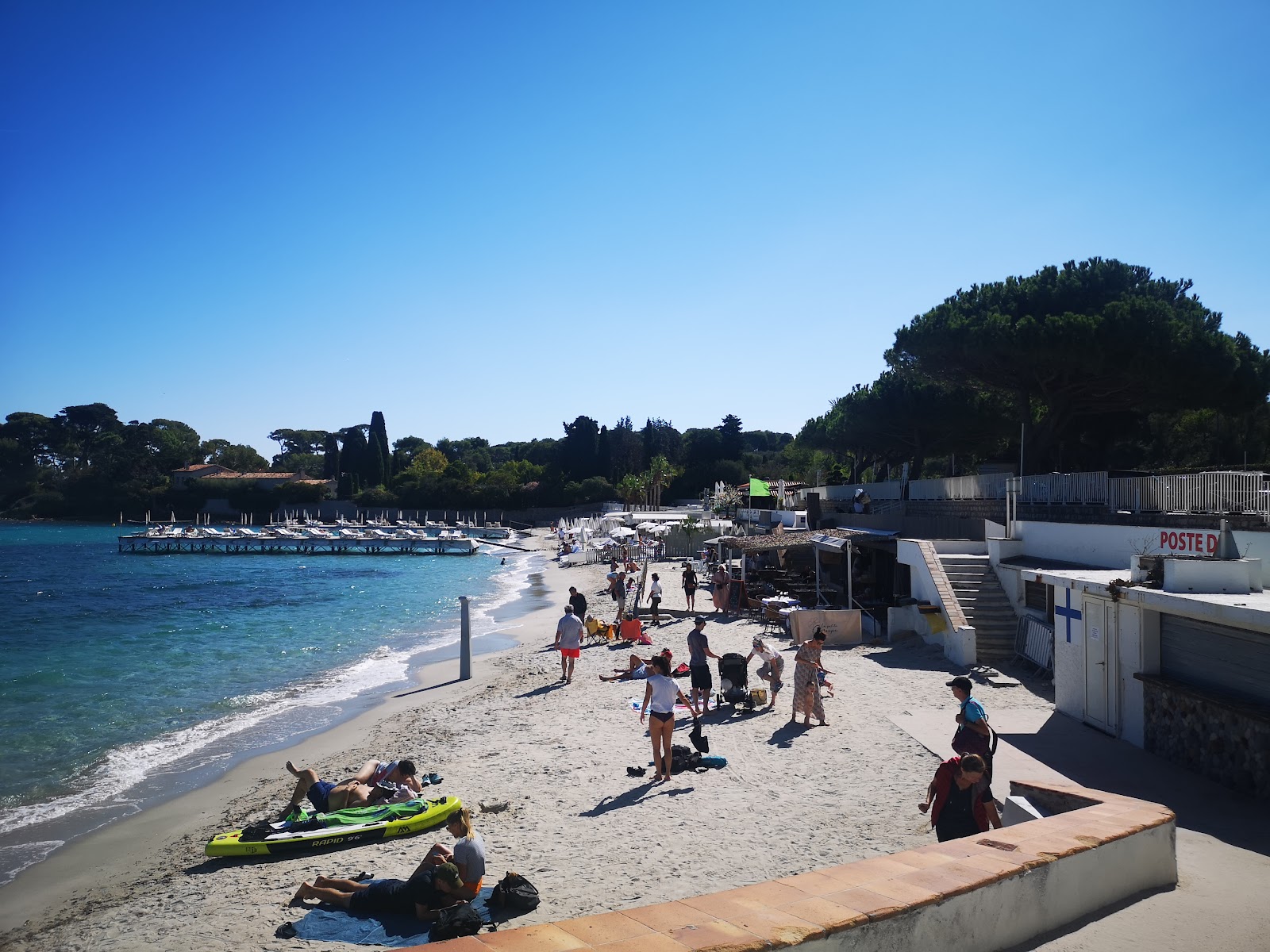
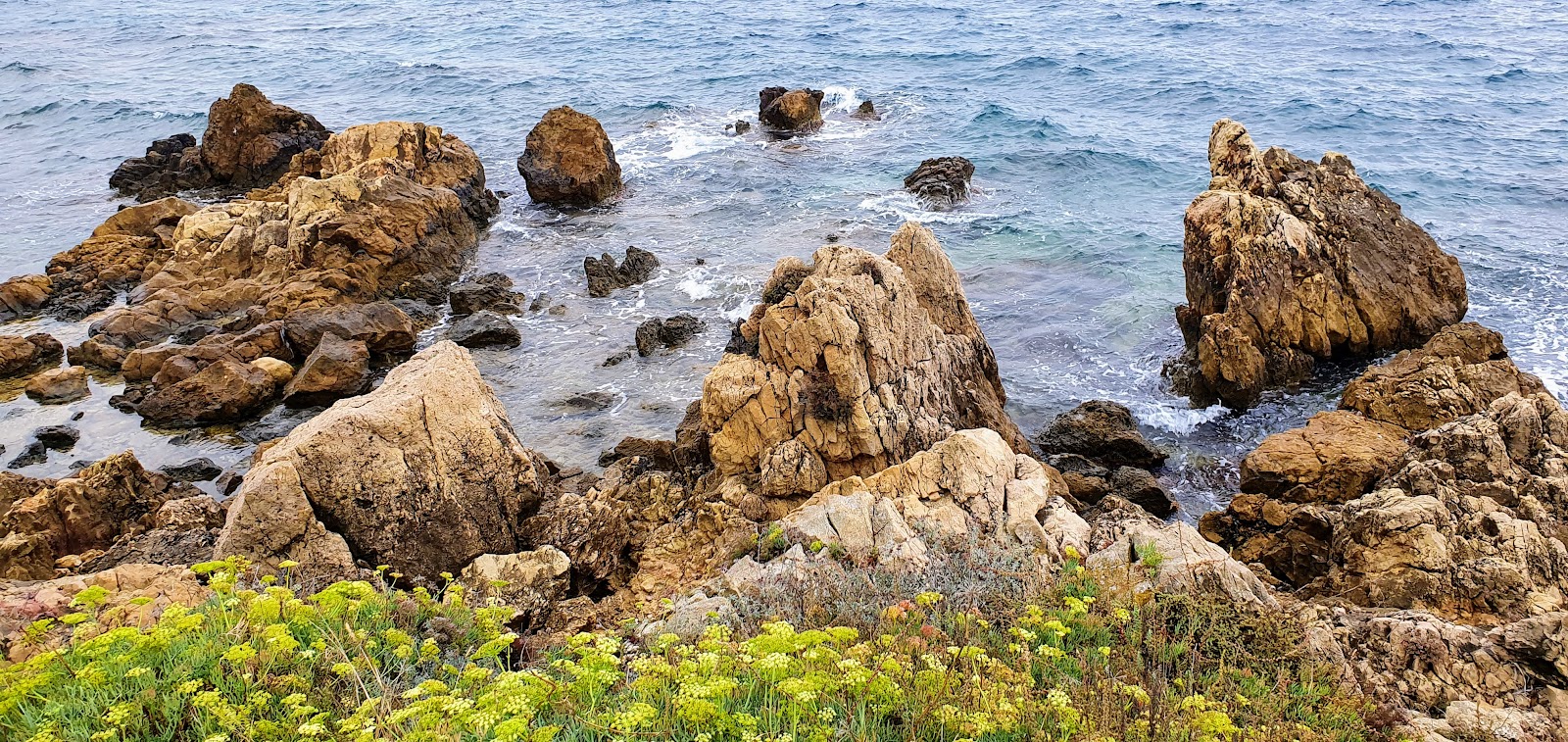
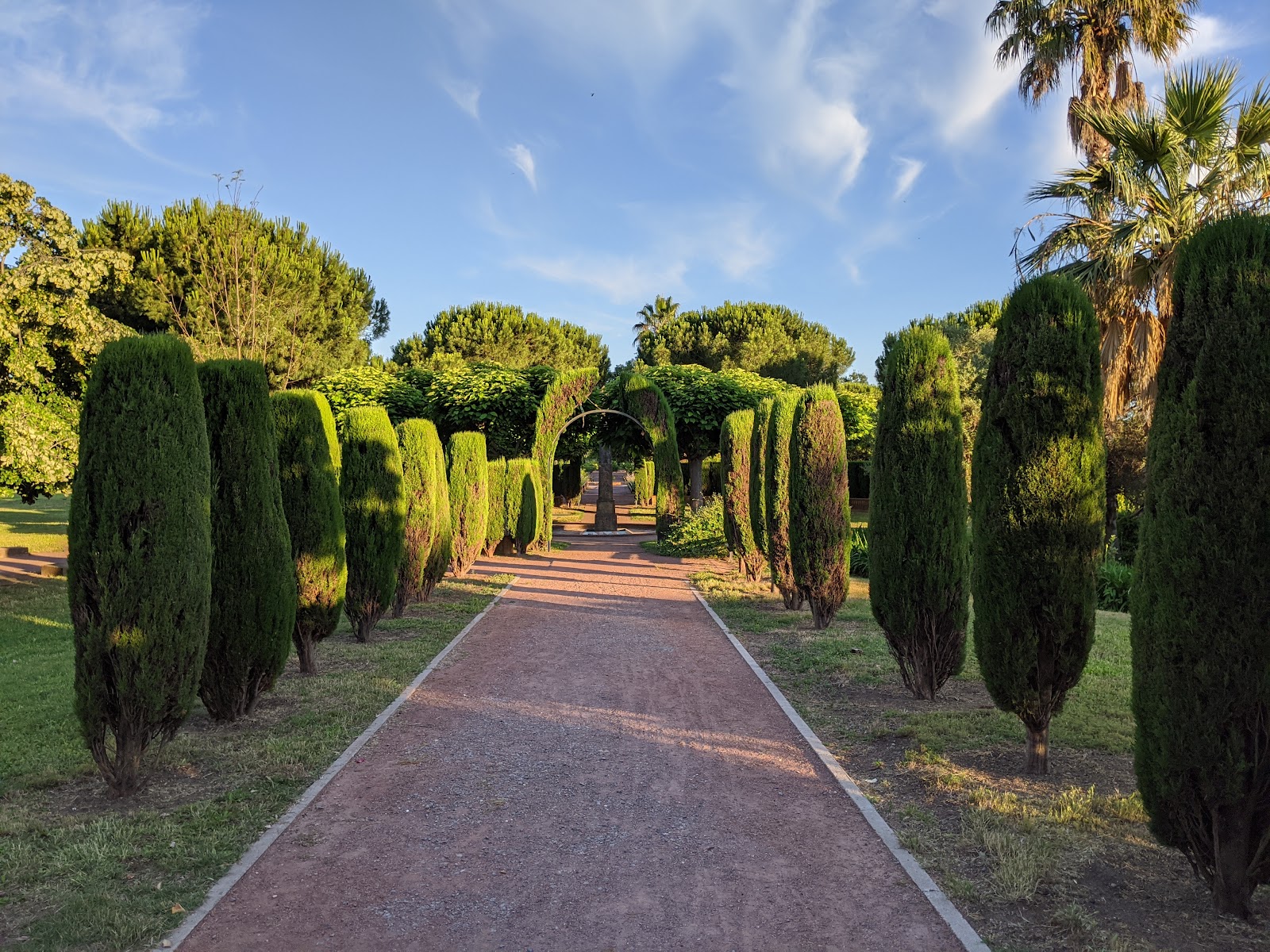
Cap d'Antibes is a peninsula that juts into the Mediterranean between Antibes and Juan-les-Pins, and the seven kilometres of coastal path that rings it — the Sentier du Littoral — tells you everything about the place's double life. On one side, walled estates and the legendary Hôtel du Cap-Eden-Roc sit behind stone and cypress; on the other, the path drops to raw limestone shelves where the sea is the colour of old glass.
What draws people back is the friction between those two worlds: the discreet glamour of the villas and the entirely free, entirely public shoreline running beneath them.
💛 What travellers fall for
Regulars tend to start at the Garoupe plateau — the lighthouse at 103 metres gives you the full geometry of the cape before you descend. They pack lunch for the rocky shelves along the sentier rather than hunting for a café mid-walk, and they time the Jardin Thuret for a weekday morning, the only window the botanical gardens are open.
The story behind Cap d'Antibes
The cape's modern story begins in 1857 when the botanist Gustave Adolphe Thuret bought five hectares at the tip of the peninsula, built a villa and planted species then unknown in the region. The gardens he created are now managed by INRA and remain one of France's serious botanical collections.
A decade later, in 1869, Hippolyte de Villemessant — owner of Le Figaro — built Villa Soleil nearby. Sold in 1887 to Antoine Sella and transformed into a hotel, it became the Hôtel du Cap-Eden-Roc under Sella's son André from 1914 onward. F. Scott Fitzgerald stayed and fictionalised it as the Hôtel des Étrangers in Tender is the Night; Marlene Dietrich, Winston Churchill, and the Duke and Duchess of Windsor followed. The cape's reputation as a place where privacy could be guaranteed, and where the very rich came to be quietly left alone, was set.
Good to know
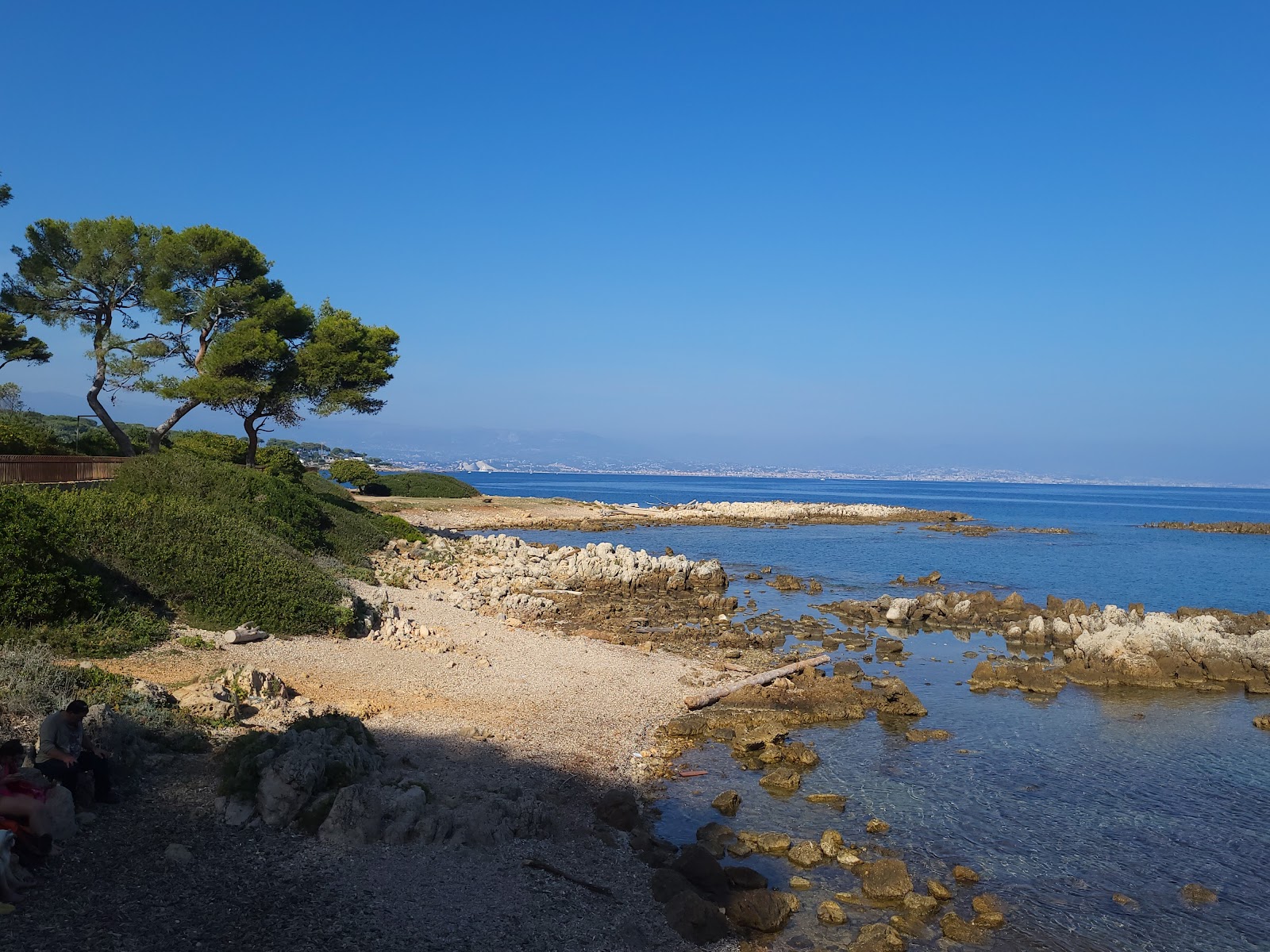
Reach the cape from Antibes via the Envibus network or on foot from the old town. The Sentier du Littoral is free and takes roughly two to three hours at a relaxed pace — wear shoes with grip, the terrain is uneven. The Espace Mer et Littoral opens only 15 June to 15 September.
Spring and early autumn are the most comfortable seasons for the coastal walk — warm enough to swim, cool enough to cover seven kilometres without stopping. July and August bring intense heat and the full weight of Cannes Film Festival overflow; the path gets crowded and the shade is thin.
Where is Cap d'Antibes?
Location
- In Antibes
- 43.5567, 7.1317
- Open in Google Maps
More tickets & tours for Cap d'Antibes
Book directly at the provider
More of Antibes
Discover where to stay, what to do and the best deals for your trip.
Explore Antibes →More attractions in Antibes
All of Antibes →

Background adapted from Wikipedia (CC BY-SA) · map data © OpenStreetMap contributors · ratings & place photos via Google · other photos with per-image credit. Ticket links may earn us a commission at no extra cost to you.