
Vieil Antibes (Old Town)

The Greeks called it Antipolis — the city opposite — and from the rampart walk above the sea you can still see what they meant: the old town turns its back on the coast just enough to feel self-contained, a limestone grid of ochre and terracotta that has been rebuilt, garrisoned and argued over for roughly two and a half thousand years.
The bones of the place are Roman and medieval, but what you move through today is mostly 16th- to 17th-century — tight lanes, a cathedral with three architectural personalities stacked on top of each other, and a château that once housed Monaco's Grimaldi family and later, briefly, Picasso.

💛 What travellers fall for
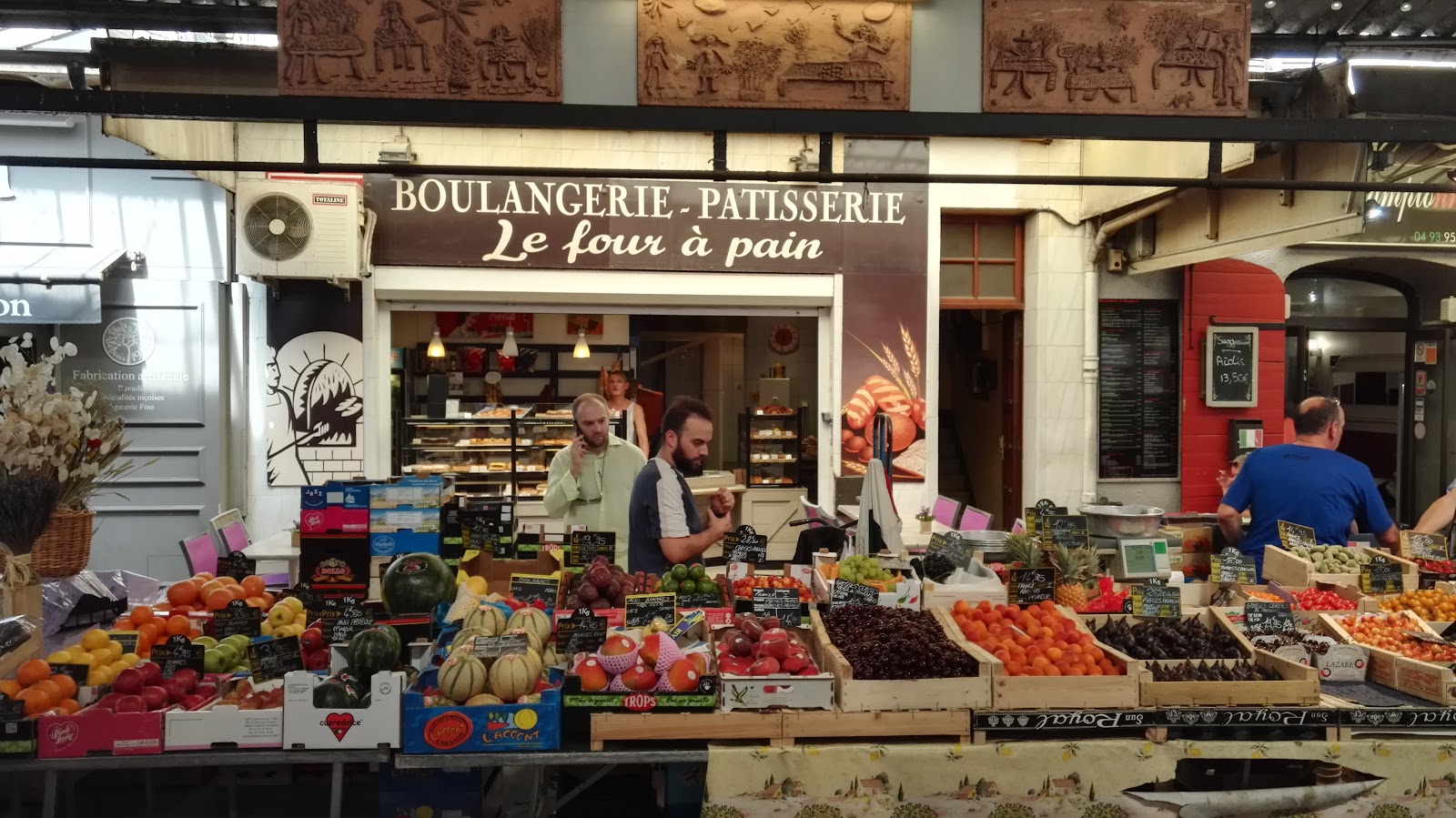
People who keep coming back tend to arrive at the Marché Provençal before nine, when the olive and tapenade stalls are still being set up and the light under the cast-iron roof is low and golden. The Musée d'Archéologie in the Bastion Saint André gets overlooked in favour of the Picasso Museum, but the Roman amphorae and mosaic fragments recovered from local digs make the Greek founding feel genuinely tangible.
The story behind Vieil Antibes (Old Town)
Phocaean Greeks from Massalia founded Antipolis around the 4th century BC, and the Romans built on their work — the Archaeology Museum holds coins, tools and amphorae that map that layered occupation. Through the medieval period the town drew its walls in tight against repeated raids from the sea.
The political hinge came in 1481, when the death of Count Charles III passed Provence to Louis XI and attached it to France. Antibes suddenly sat on the kingdom's southeastern frontier, facing the County of Nice, and the 16th-century ramparts — three gates still standing: Porte Marine, Porte de l'Orme, Porte de la Tourraque — were the direct result of that border anxiety.

Good to know
Antibes train station is a ten-minute walk from the old town; trains from Nice take around twenty minutes and run frequently. The Marché Provençal runs Tuesday–Sunday mornings (daily in summer) and closes around 1pm — don't arrive after noon expecting full stalls. Half a day covers the essentials; a full day if you want both museums.
Summer is hot, dry and crowded; the lanes offer shade but the rampart walk is exposed at midday. Spring and early autumn give you the same Mediterranean light with far fewer people and comfortable walking temperatures.
Where is Vieil Antibes (Old Town)?
Location
- In Antibes
- 43.5800, 7.1267
- Open in Google Maps
More tickets & tours for Vieil Antibes (Old Town)
Book directly at the provider
More of Antibes
Discover where to stay, what to do and the best deals for your trip.
Explore Antibes →More attractions in Antibes
All of Antibes →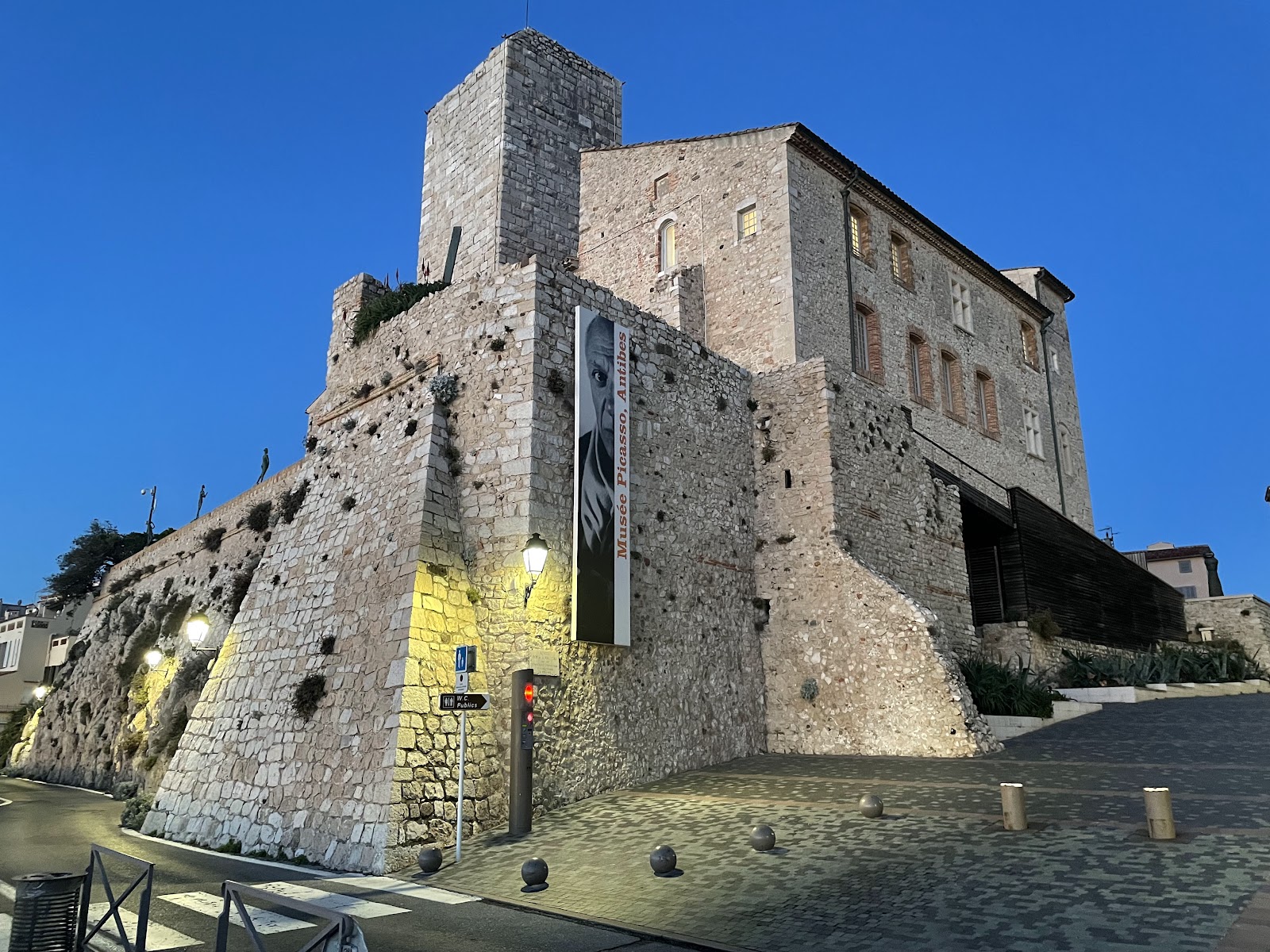
Background adapted from Wikipedia (CC BY-SA) · map data © OpenStreetMap contributors · ratings & place photos via Google · other photos with per-image credit. Ticket links may earn us a commission at no extra cost to you.