
Musée Picasso
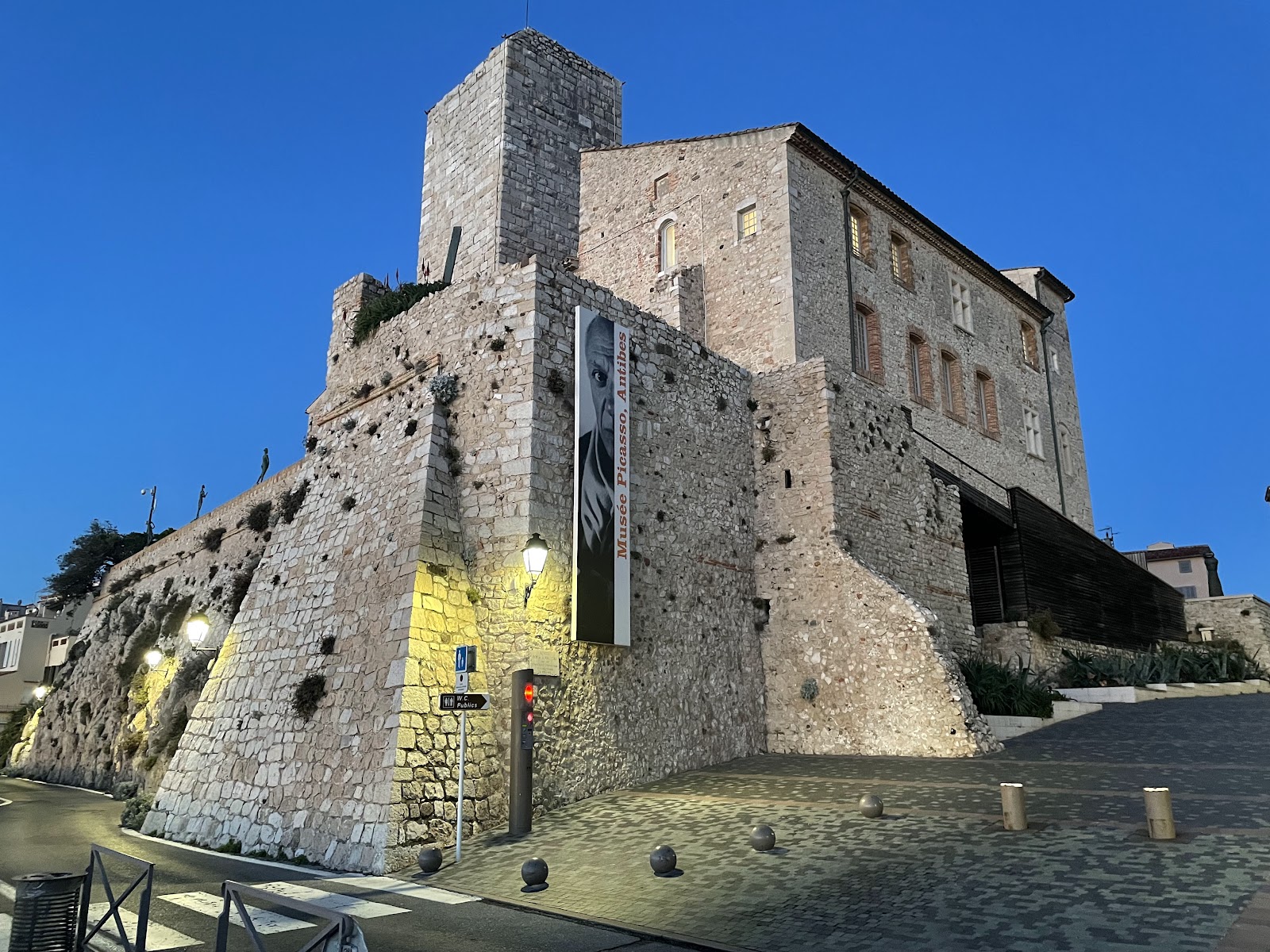
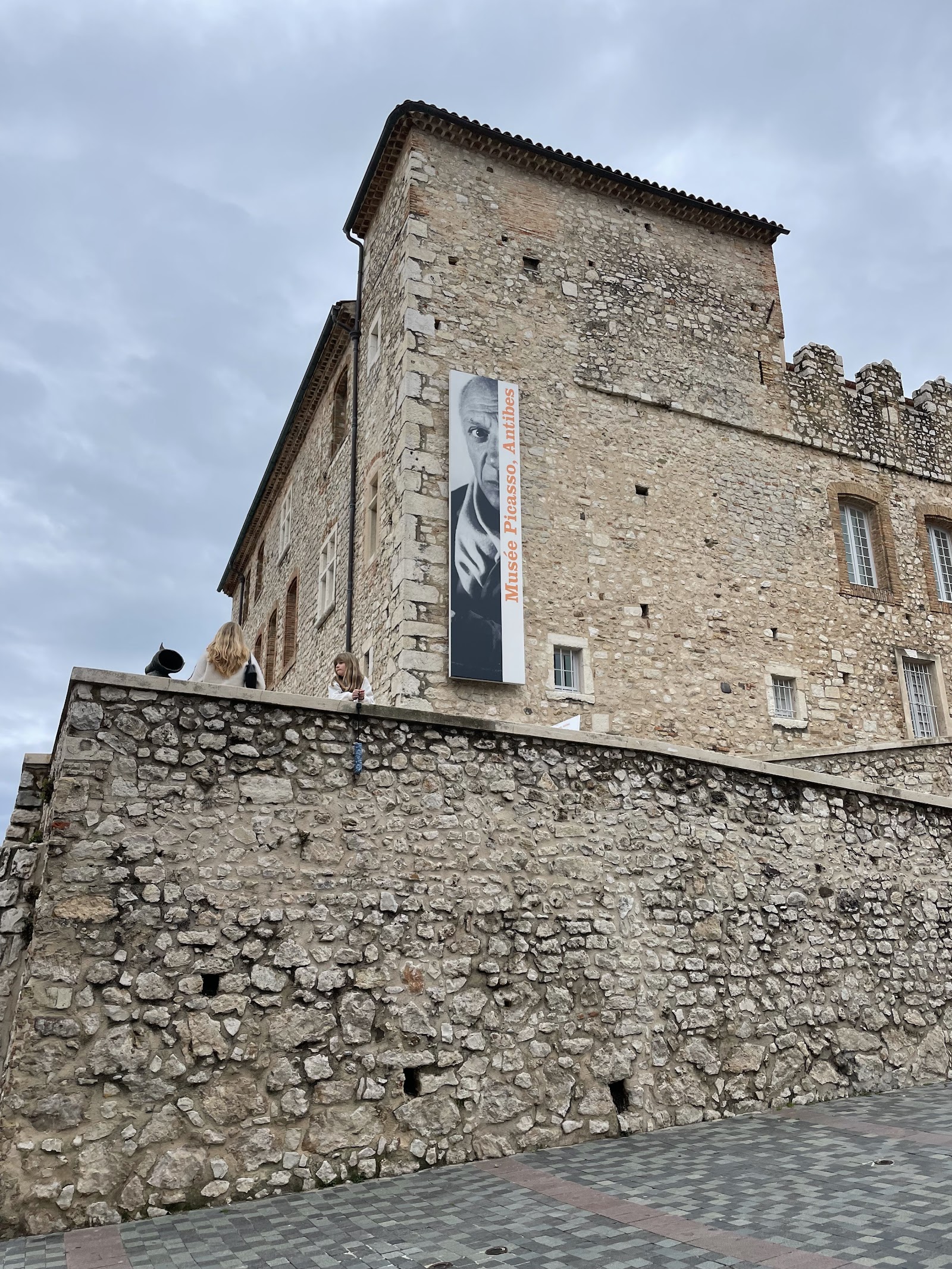
The room where Picasso actually worked is still here. In the autumn of 1946, he set up a studio on the upper floor of the Château Grimaldi — a medieval tower built from reused Roman stones on a cliff twenty metres above the sea — and in the space of two months produced 23 paintings and 44 sketches, most of them alive with fauns, centaurs and Mediterranean light. He left them all behind when he went.
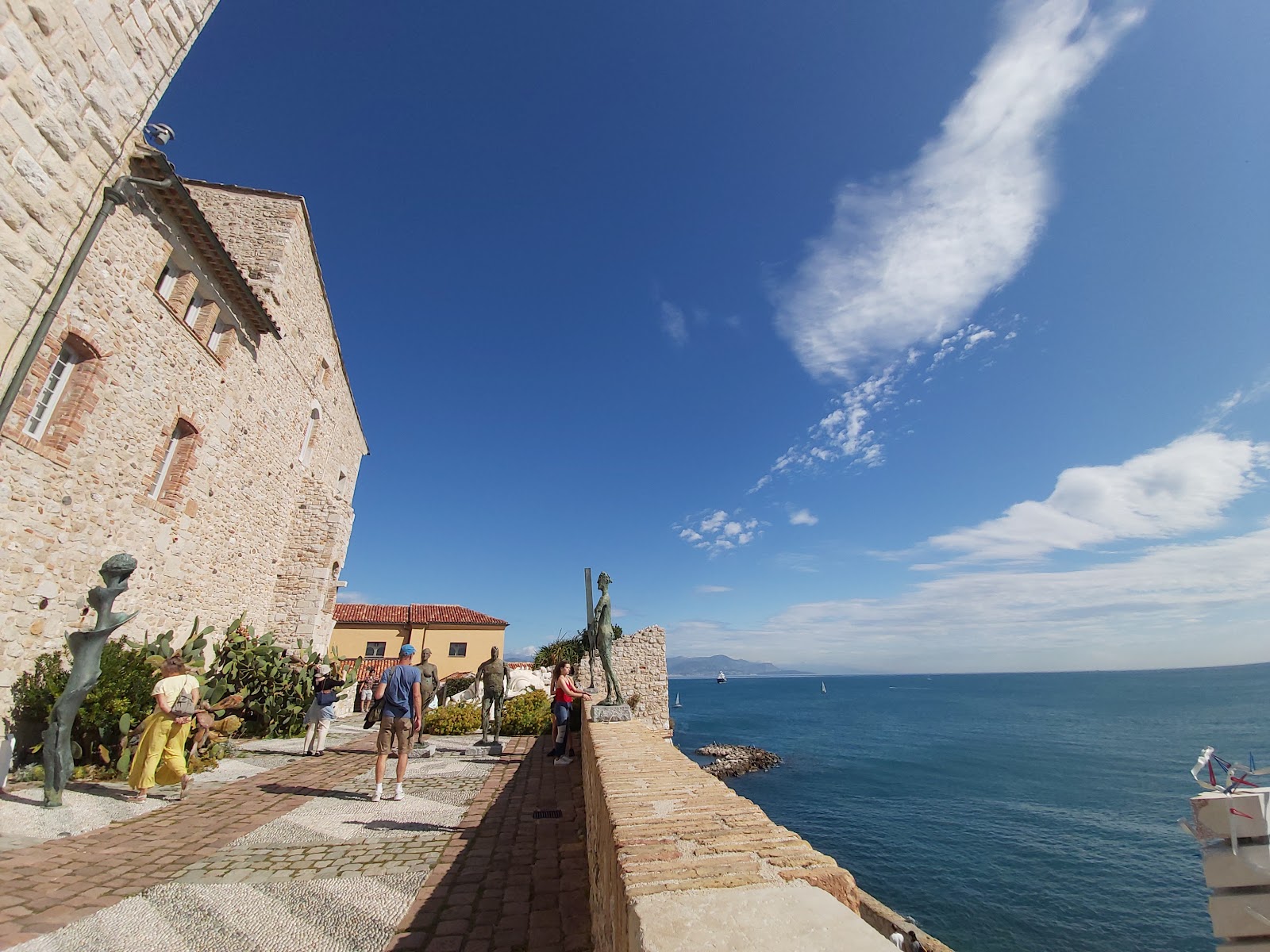
Today those works anchor a collection of around 245 pieces, including 78 ceramics made at the Madoura workshop in nearby Vallauris. The terrace outside holds sculptures by Germaine Richier, Miró and others, with the bay spread out below in a way that makes it clear why Picasso stayed as long as he did.
💛 What travellers fall for
People who come back tend to head straight to the terrace before going inside — the view across the bay sets the whole visit in context. The mid-afternoon lull between 2 and 4 p.m. is noticeably quieter than the morning rush. If you arrive by train, the walk through the old port is worth the extra ten minutes.
The story behind Musée Picasso
The ground beneath the château has been occupied for roughly two and a half millennia — Greek acropolis, Roman castrum, medieval bishopric — before the Grimaldi family built their residence here in the late 14th century. The castle passed out of Grimaldi hands in 1608, and by 1925 the City of Antibes had purchased it and appointed Romuald Dor de la Souchère as its first curator, opening it as the Grimaldi Museum.
It was Dor de la Souchère who, in 1946, offered Picasso the empty upper floor as a studio. The painter accepted, worked through the autumn, and left his output to the museum's custody. On 27 December 1966, the building was officially renamed the Musée Picasso — the first museum in the world dedicated solely to him. Jacqueline Picasso added further works in 1991, and a substantial renovation between 2006 and 2008 brought the building to its current form.
Good to know
Walk from Gare d'Antibes in 10–15 minutes, or take a bus to Porte Marine. Skip driving — parking is genuinely difficult in the old town. Book a timed-entry slot online in summer; mid-morning queues can run over an hour. Budget 60–90 minutes inside, plus time on the terrace. Closed Mondays and major public holidays.
Where is Musée Picasso?
More tickets & tours for Musée Picasso
Book directly at the provider
What travellers say about Musée Picasso
The top floor and studio on the third floor are devoted to picasso and his time at Antibes. You can find art by him that I’ve never seen anywhere else. the ground floor was closed during our visit, the first floor exhibits the museum‘s collection. Great view from the terrace! It‘s well worth a visit - count on spending about 90 minutes for an extensive visit!
An amazing little museum with a spectacular view. It has few works of Picasso and some of them reveal the concept of cubism so well. Takes about 30-60 min to see it. Worth a visit.
Lovely Picasso museum. Must visit if in Antibes. You learn a lot about his time there and get up close to many of his works. It’s a self guided tour but there are QR codes and plenty of stories written on the walls. Plenty of his paintings, drawings and sculpture work as well as photographs. Beautiful rooftop with great view and sculptures. Washrooms were clean. No fogs and no food or drink allowed inside.
A must see in Antibes but perfectly doable in an hour. Small museum with Picasso works on the top floor and a terrace with sculptures. Expect to queue but it went fairly quickly. Centrally placed so perfect to add into a day trip.
The museum is overall an okay experience. It features a number of interesting paintings and installations from Picasso, all set within a beautiful old castle-like building which adds to the atmosphere. The outdoor area is also very nice, with statues and art installations overlooking the sea, which is a highlight. The staff at the ticket desk were very friendly and helpful, which made the visit more pleasant. For the negatives, it does feel a bit expensive for what is on offer, as you can get around the museum quite quickly and there is not a huge amount to see. The toilets were also a bit dirty and had an unpleasant smell. Overall, a nice setting with some good artwork, but slightly underwhelming for the price.
More of Antibes
Discover where to stay, what to do and the best deals for your trip.
Explore Antibes →More attractions in Antibes
All of Antibes →
Background adapted from Wikipedia (CC BY-SA) · map data © OpenStreetMap contributors · ratings & place photos via Google · other photos with per-image credit. Ticket links may earn us a commission at no extra cost to you.