
Avignon
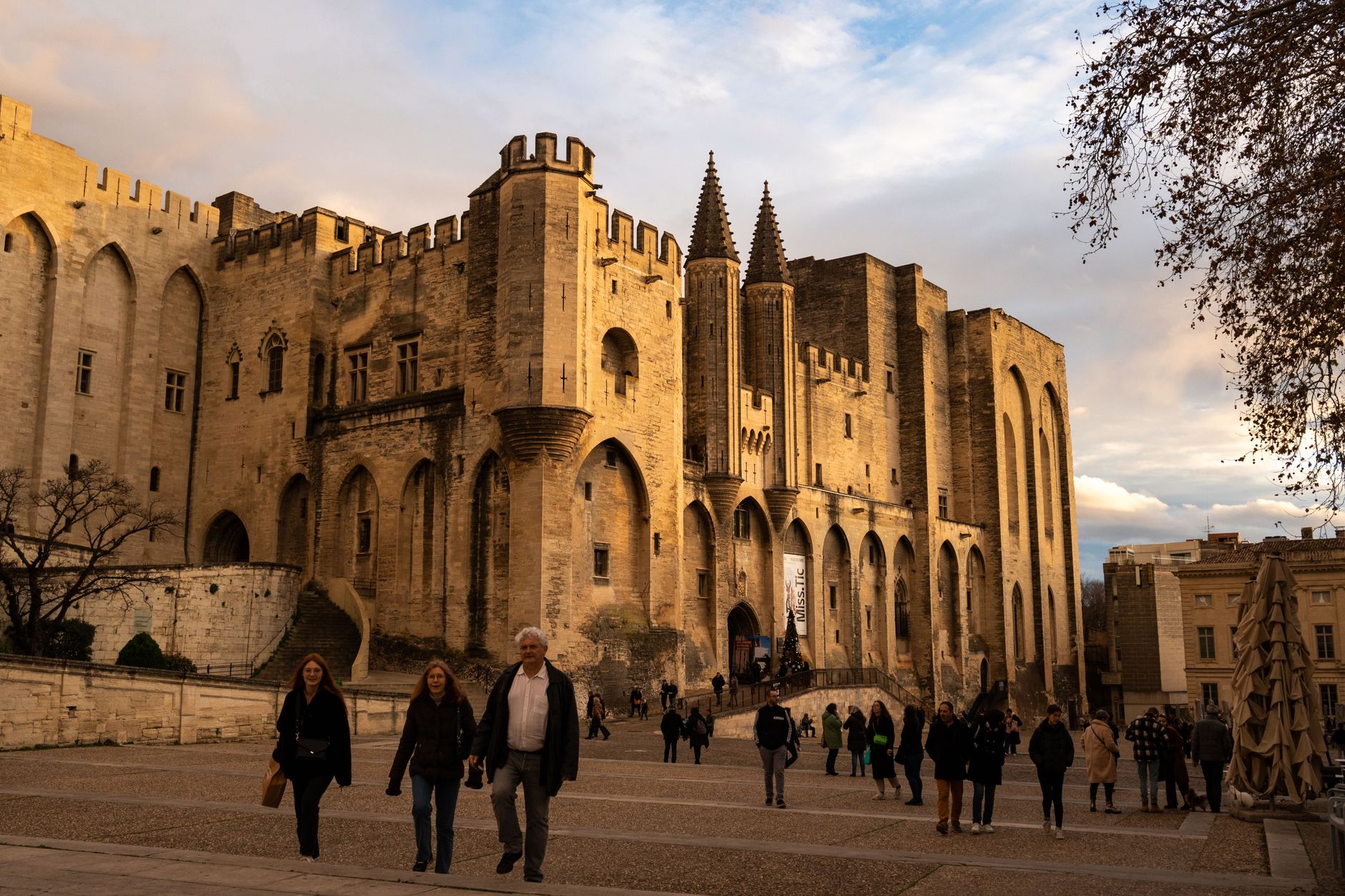
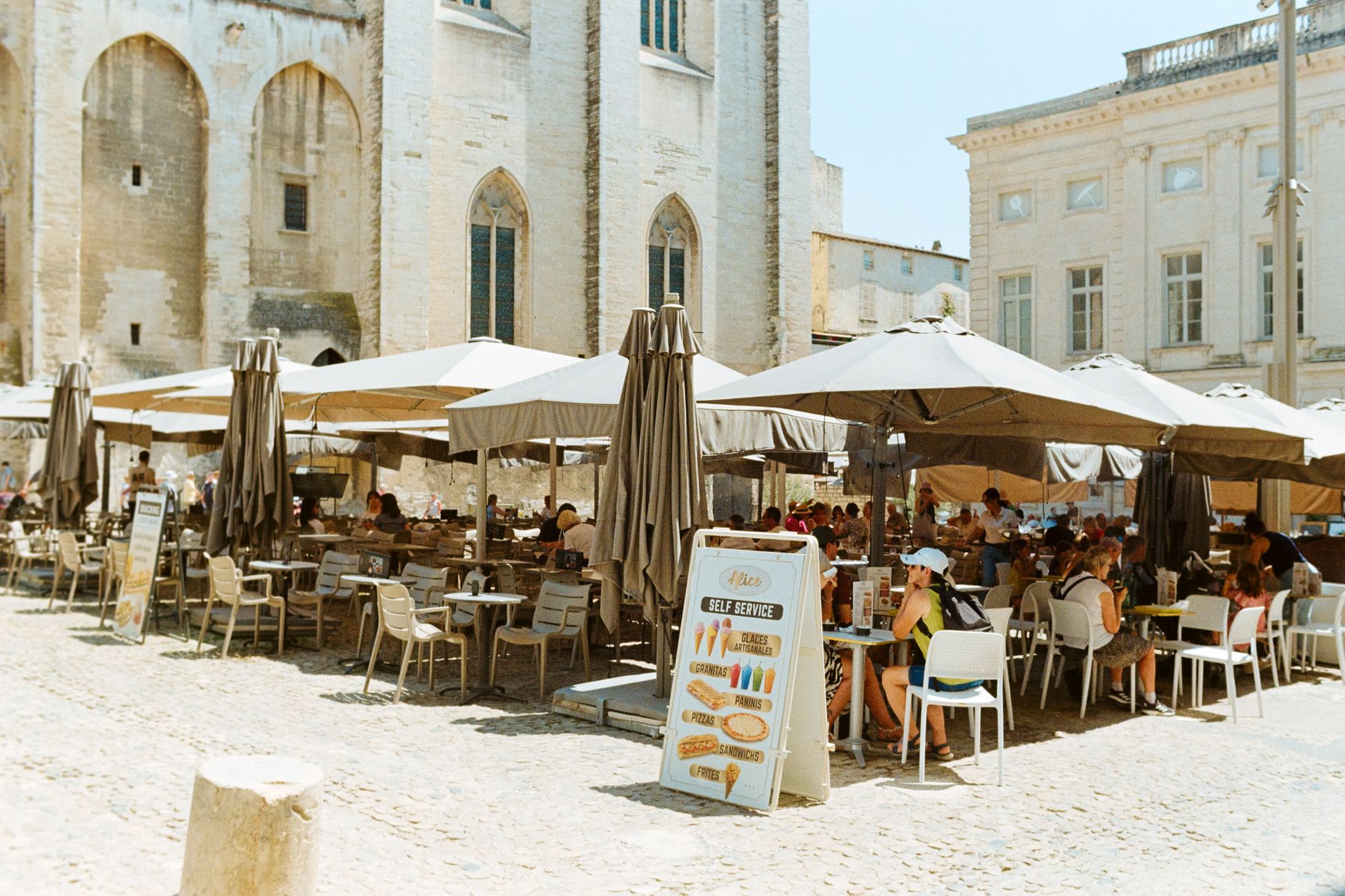
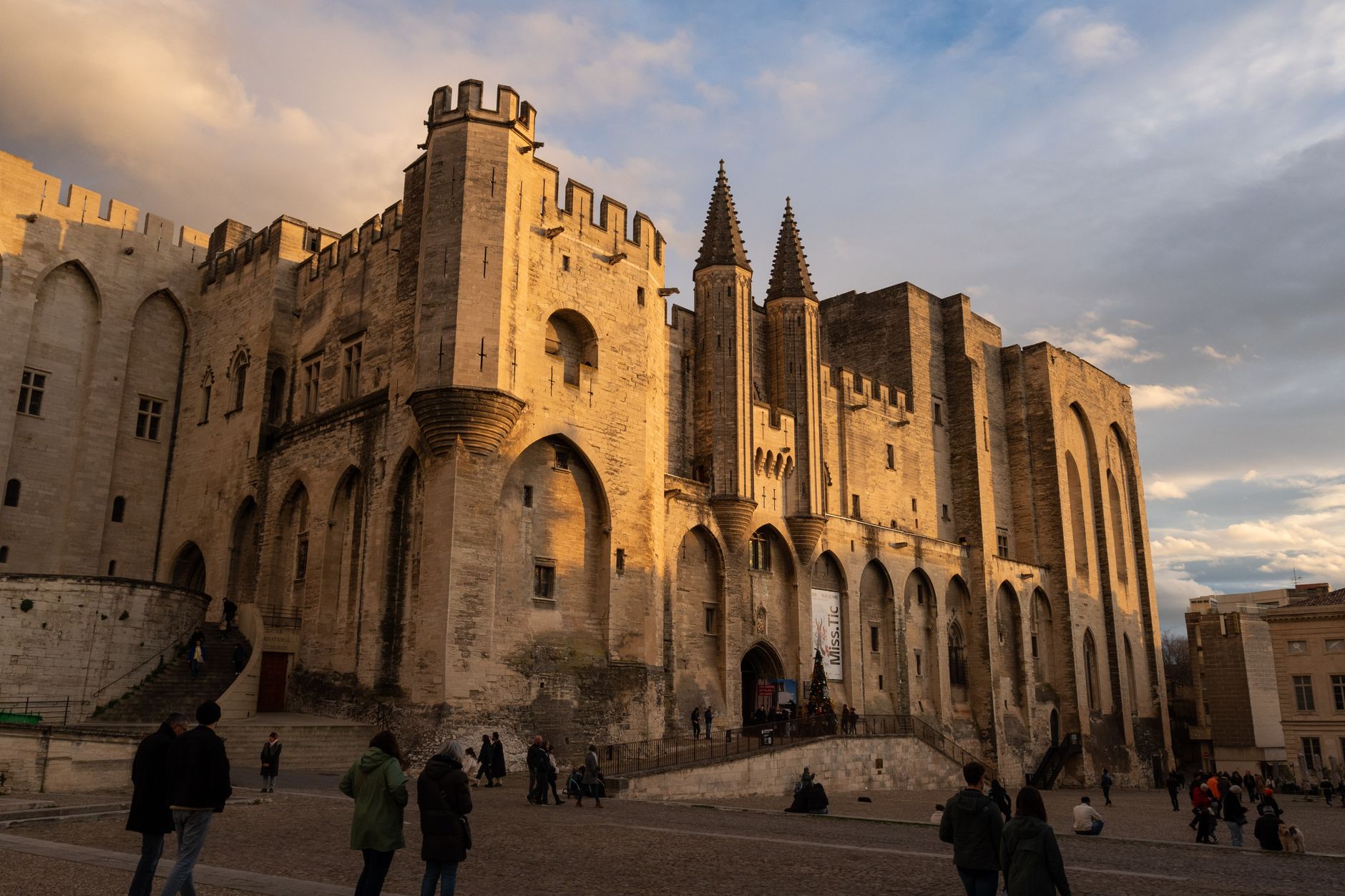
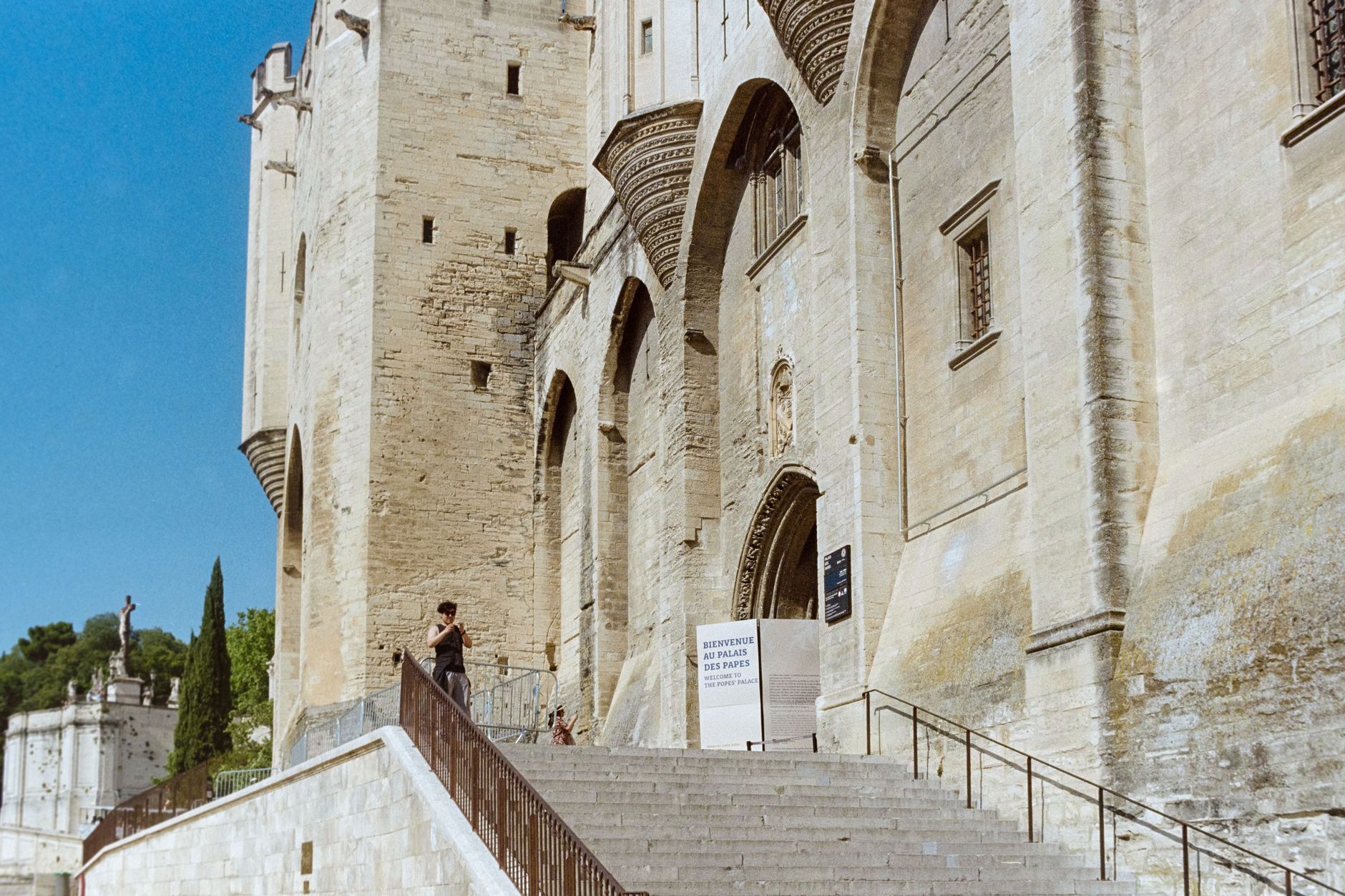
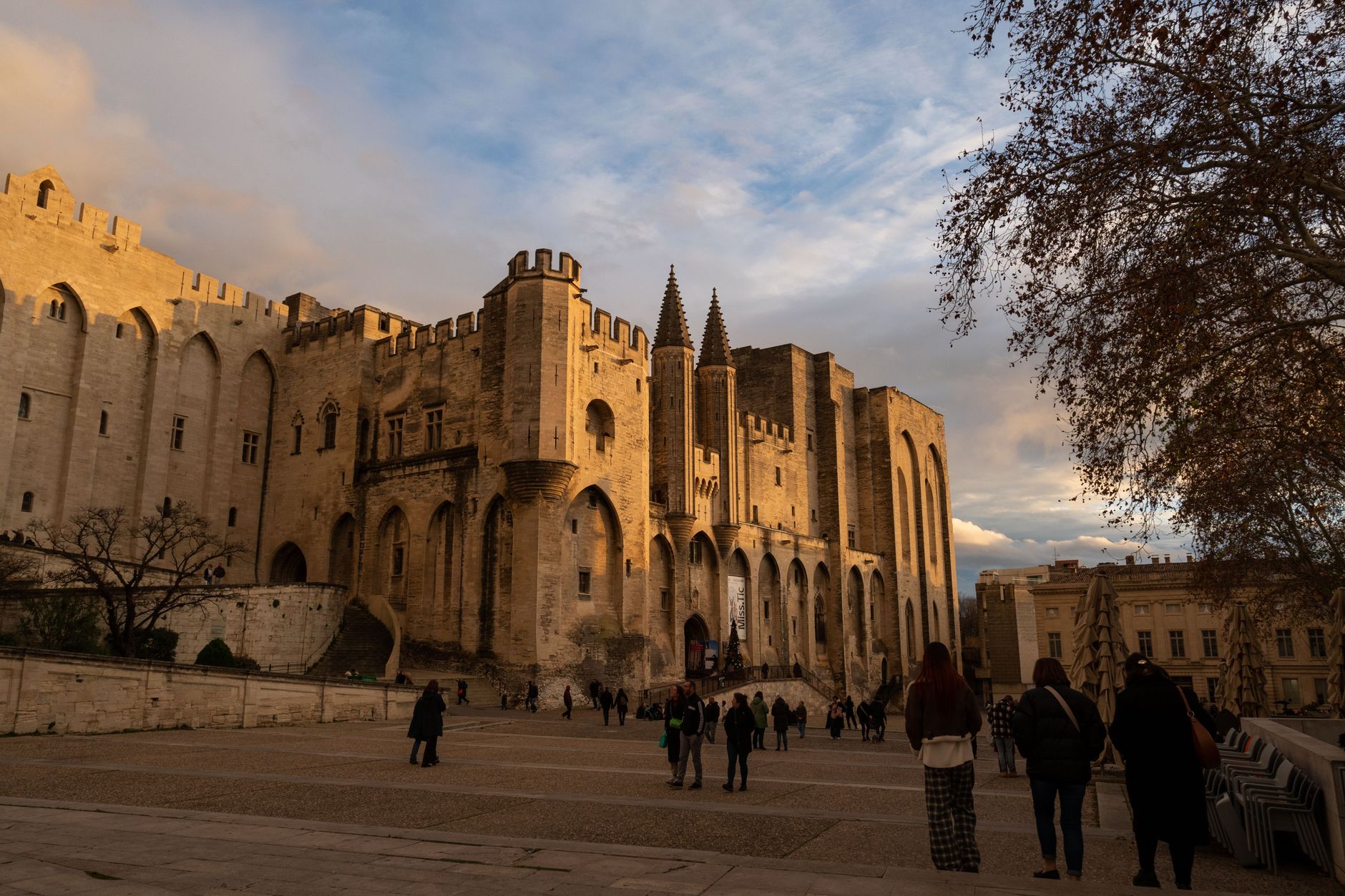
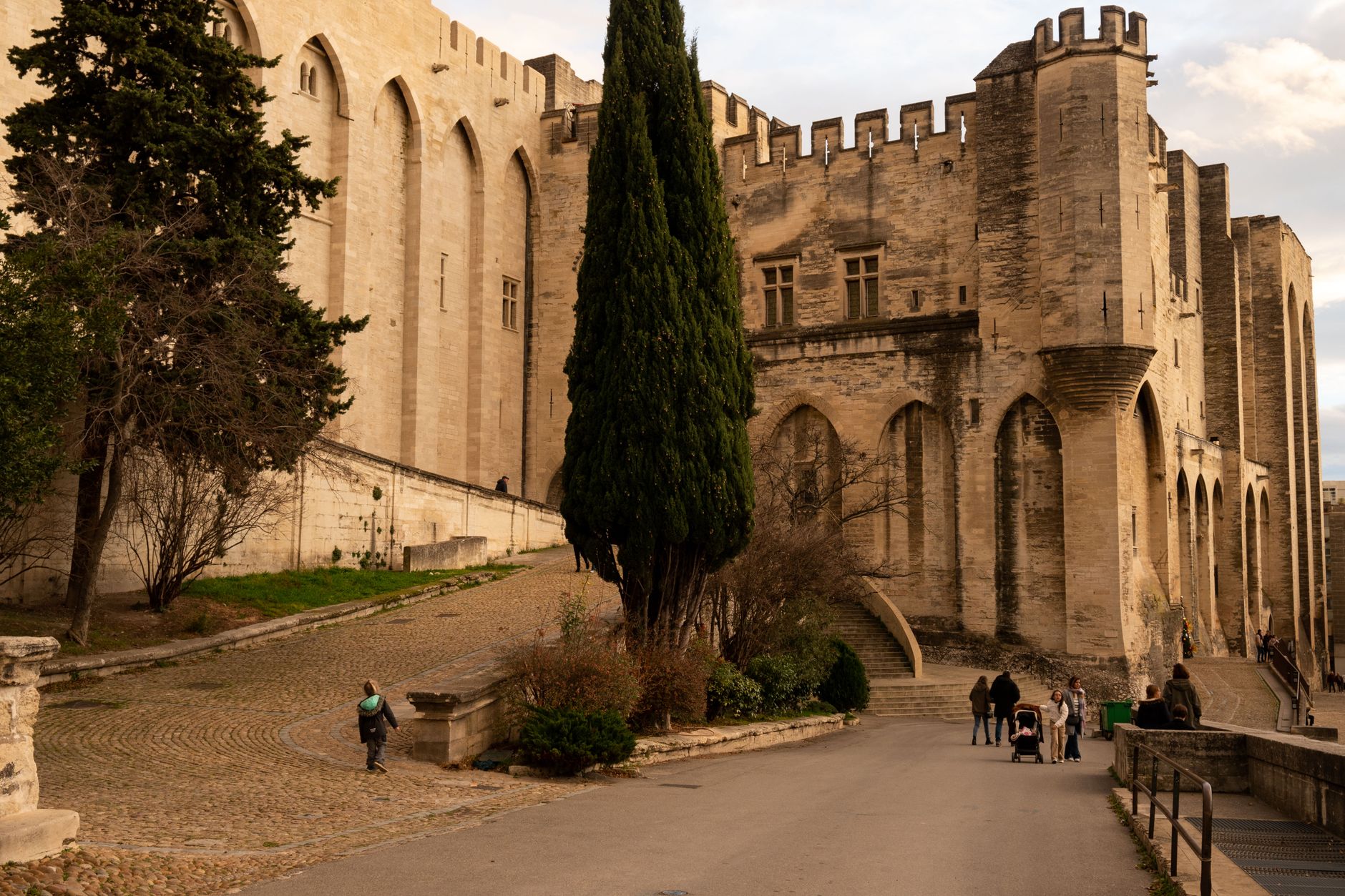
The first thing you notice is the scale of the Palais des Papes — not a palace in the refined French sense, but something closer to a fortress, its bare Gothic towers rising over the Rhône plain with the confidence of an institution that once ran the Western world. For nearly seventy years in the 14th century, this was where the popes lived, worked and are buried, and the city still carries that weight in its stone.
Avignon sits behind its full circuit of medieval ramparts, 35 towers and seven gates intact, which makes the old town feel genuinely contained — a place you read rather than skim.
💛 What travellers fall for
People who come back tend to time it around the Festival d'Avignon in July, when the streets fill with theatre companies and the Palais des Papes courtyard becomes a stage. Outside festival season, the Petit Palais museum rewards a slow hour — its medieval and Renaissance collection draws almost no crowds, and the light in there is good.
Experiences you don't want to miss


Deals in Avignon
Book directly at the provider


How Avignon came to be
Avignon's story starts earlier than the popes. Phocaean Greeks from Marseille founded a trading post here around 539 BC, and the city's first wooden bridge over the Rhône dates, by dendrochronology, to 290 AD. The University of Avignon was founded by Pope Boniface VIII in 1303, six years before the papacy itself relocated here.
From 9 March 1309 to 13 January 1377, Avignon was the seat of the Catholic Church — not Rome. Pope Clement VI formalised the arrangement in 1348 by purchasing the town outright from Joanna I of Naples. The Palais des Papes was built in two phases across those decades, and painters Simone Martini and Matteo Giovanetti decorated its interiors with frescoes. Papal authority over the city outlasted the papacy's own departure by four centuries, ending only in 1791 when the French Revolution absorbed it into France.
Who and what shaped it
People who shaped it
Landmark buildings
See Avignon in motion
Plan your visit
On the map
When to go
Summers are genuinely hot — Avignon sits in the warmest part of France, and July and August regularly push past 35°C. Spring, from mid-April through June, offers reliable warmth without the extremes; winters are dry but cold, and the Mistral wind can cut hard through the Rhône valley at any time of year.
Right now
Background & history adapted from Wikipedia (CC BY-SA) · specs from Wikidata (CC0) · weather from Open-Meteo · map data © OpenStreetMap contributors · photos from Wikimedia Commons / Unsplash with per-image credit. No third-party reviews or social posts reproduced.