
Nice
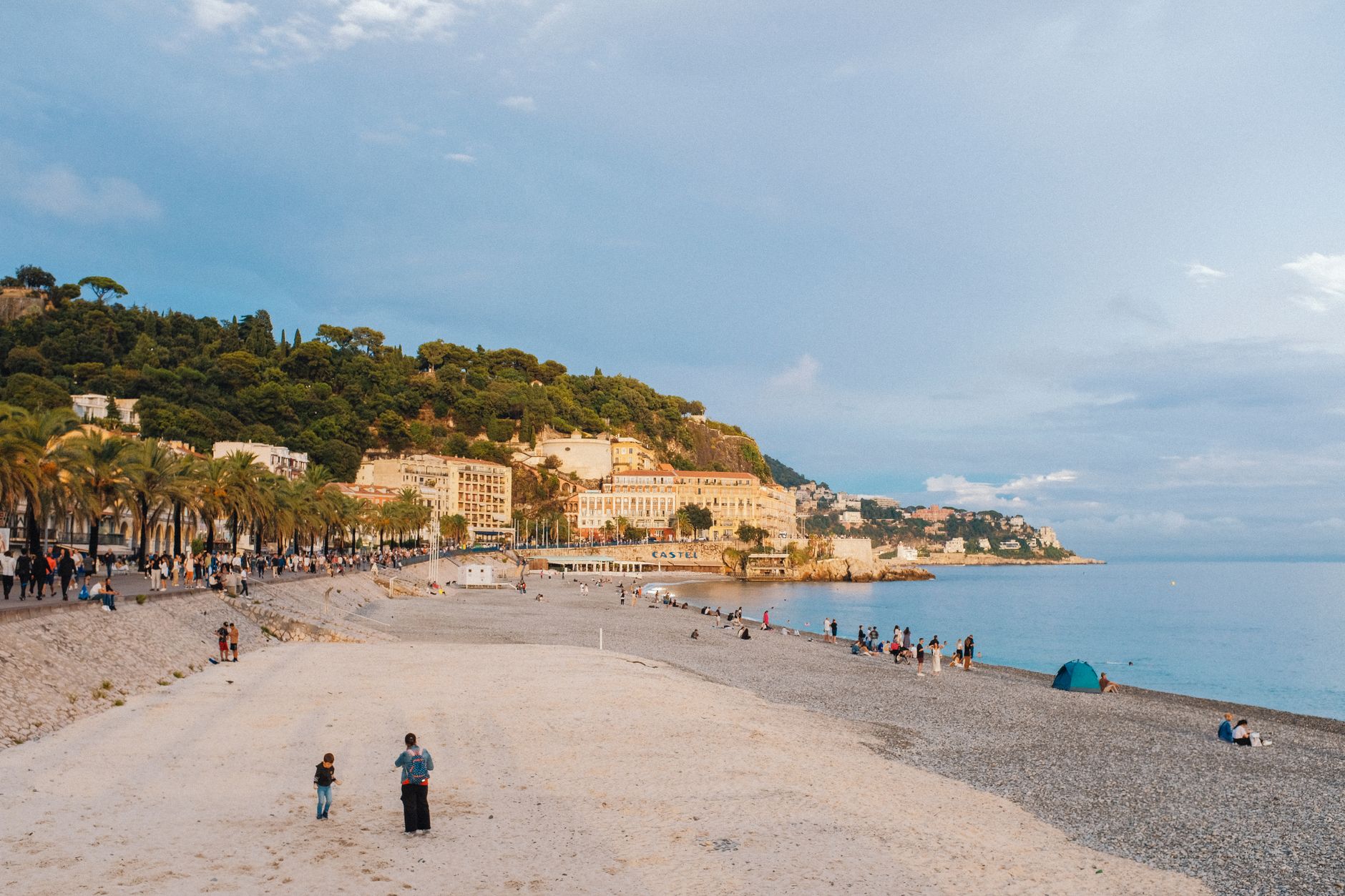
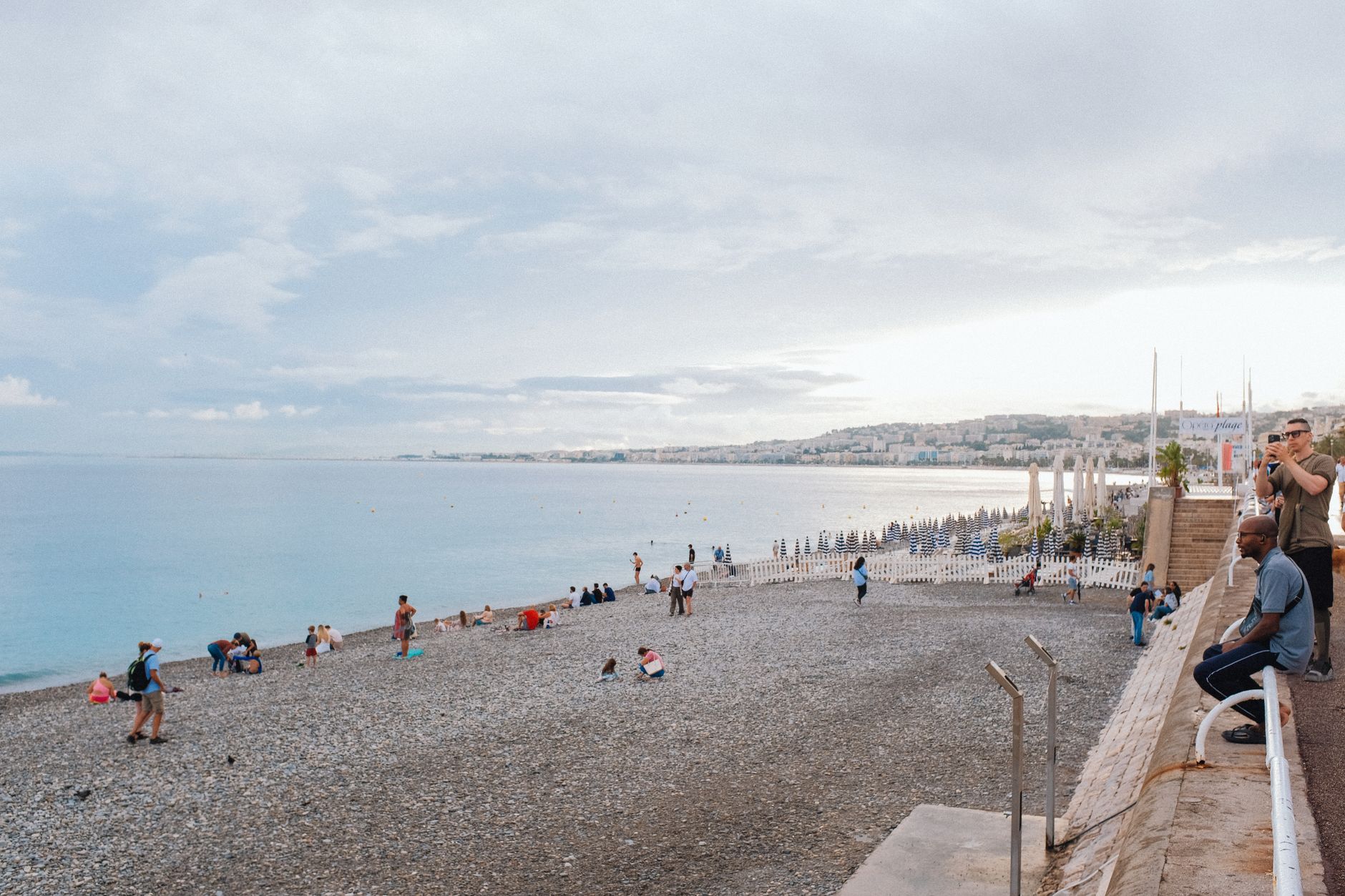
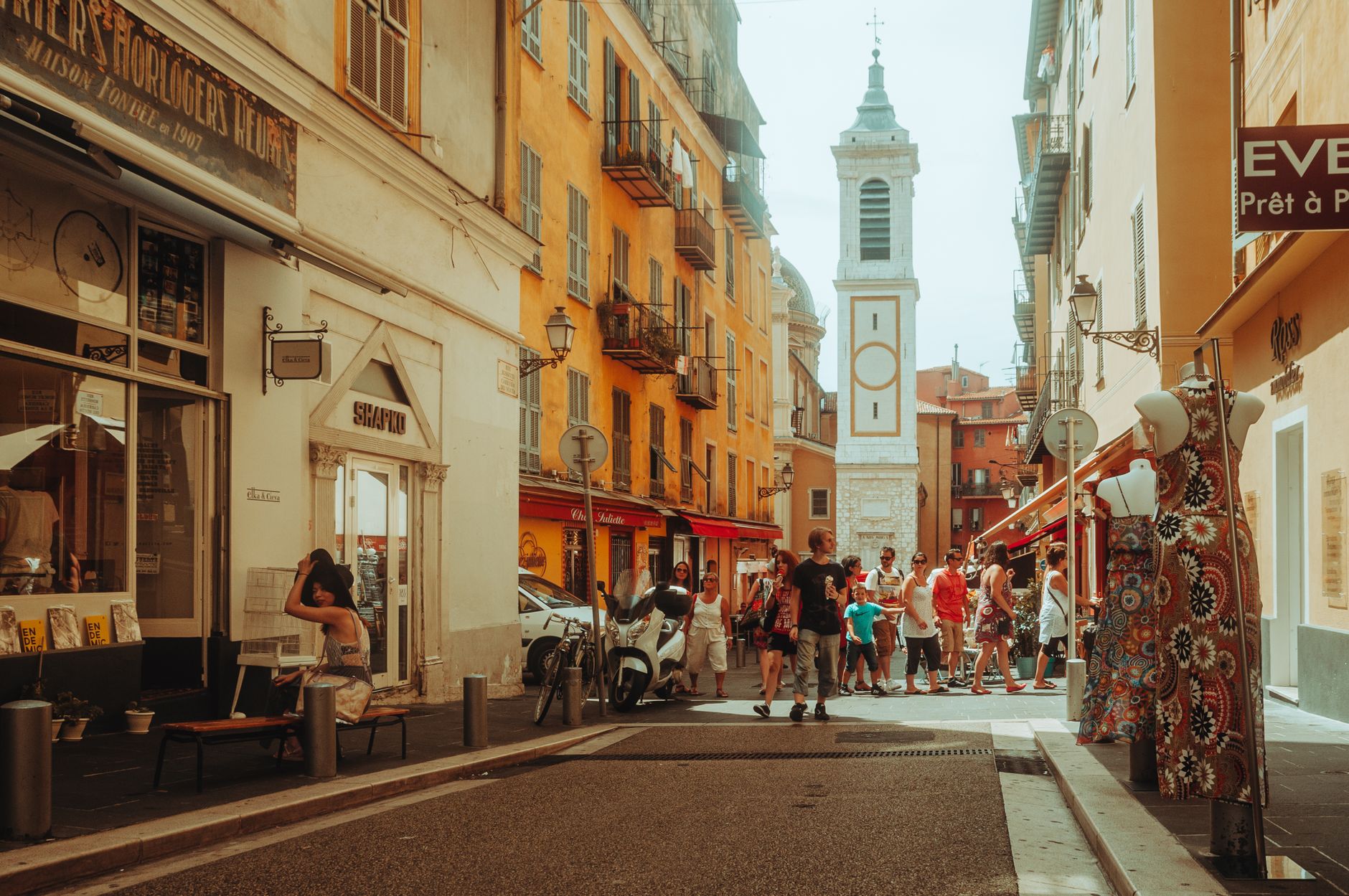
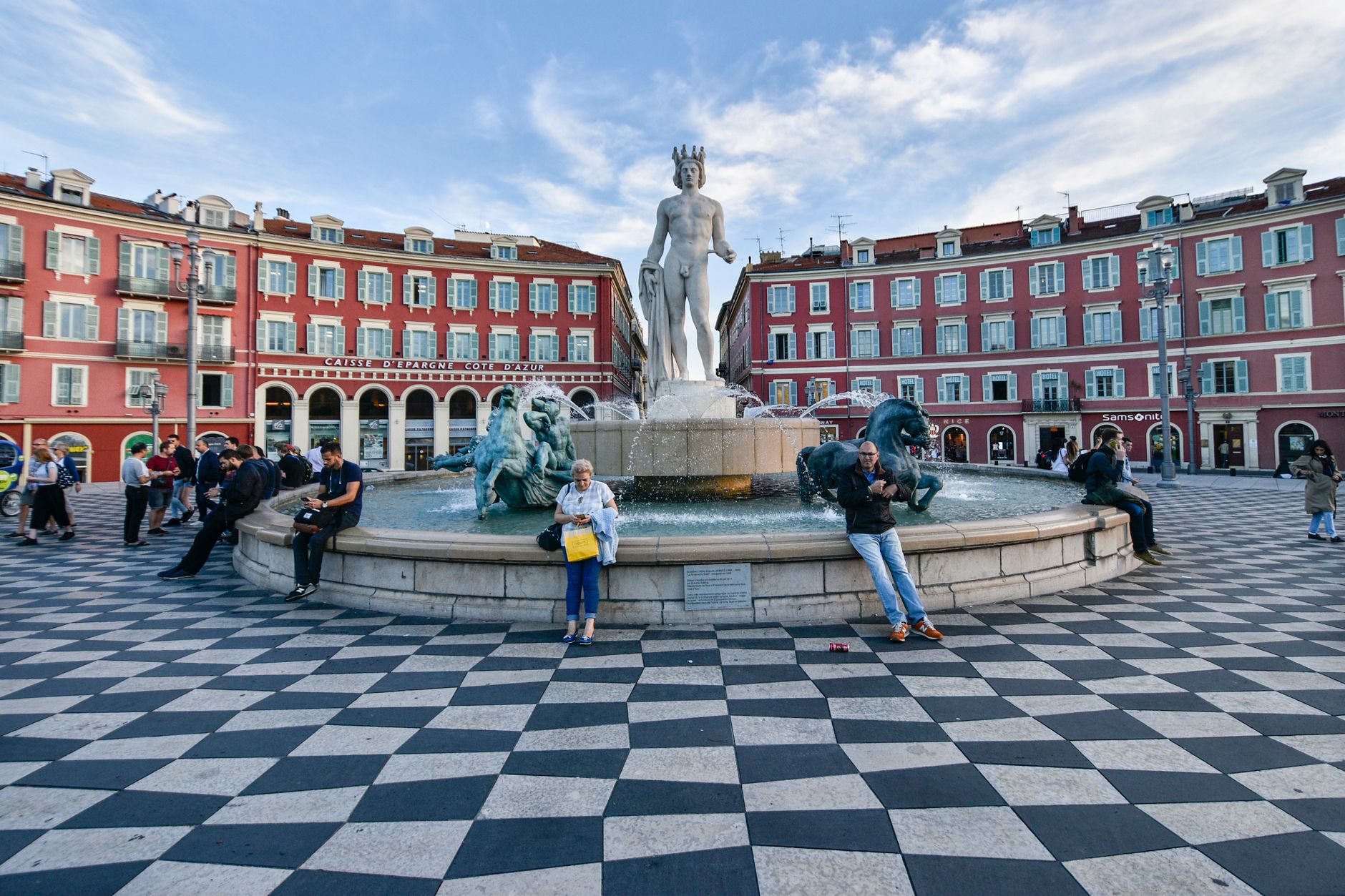
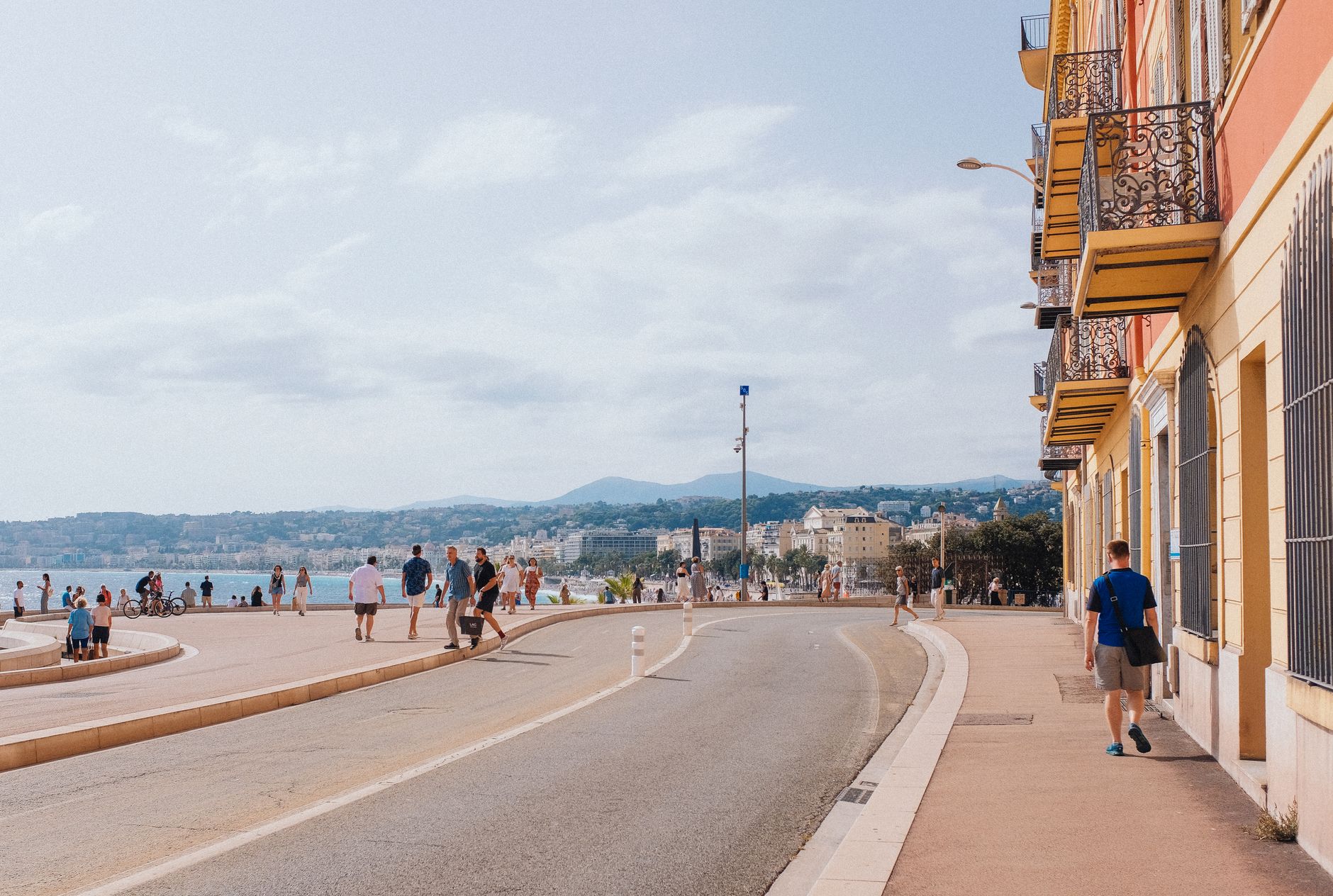
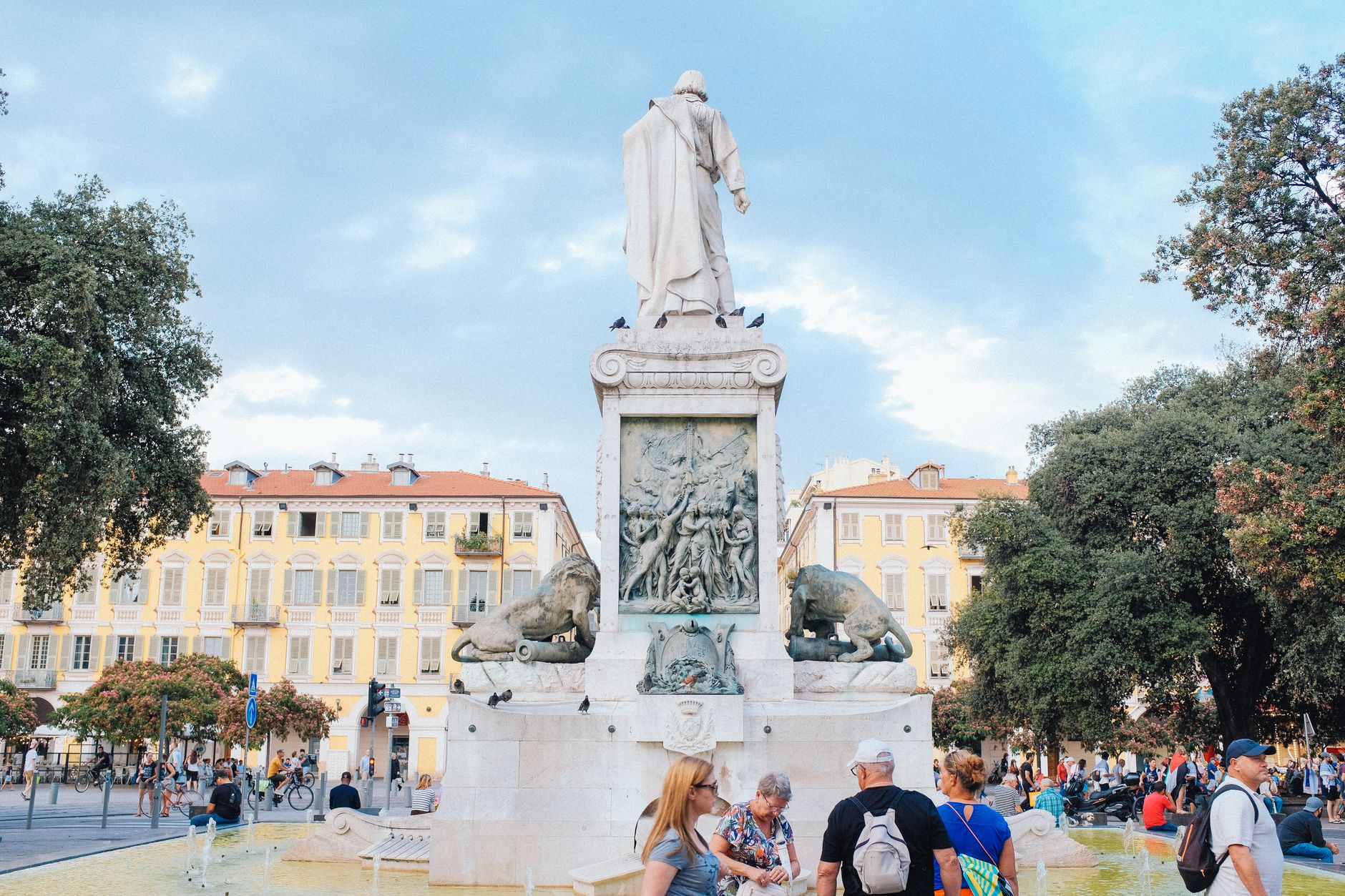
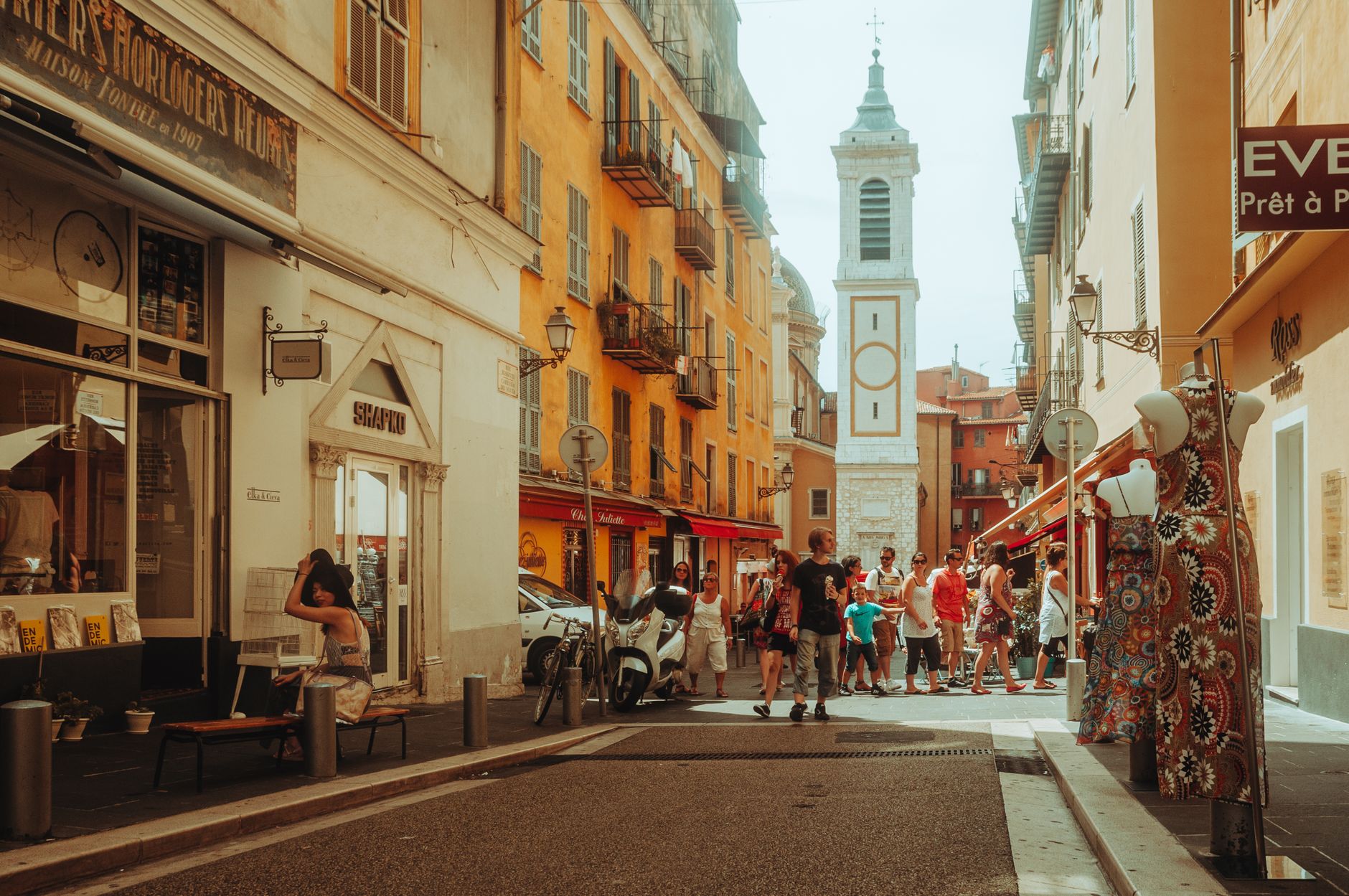
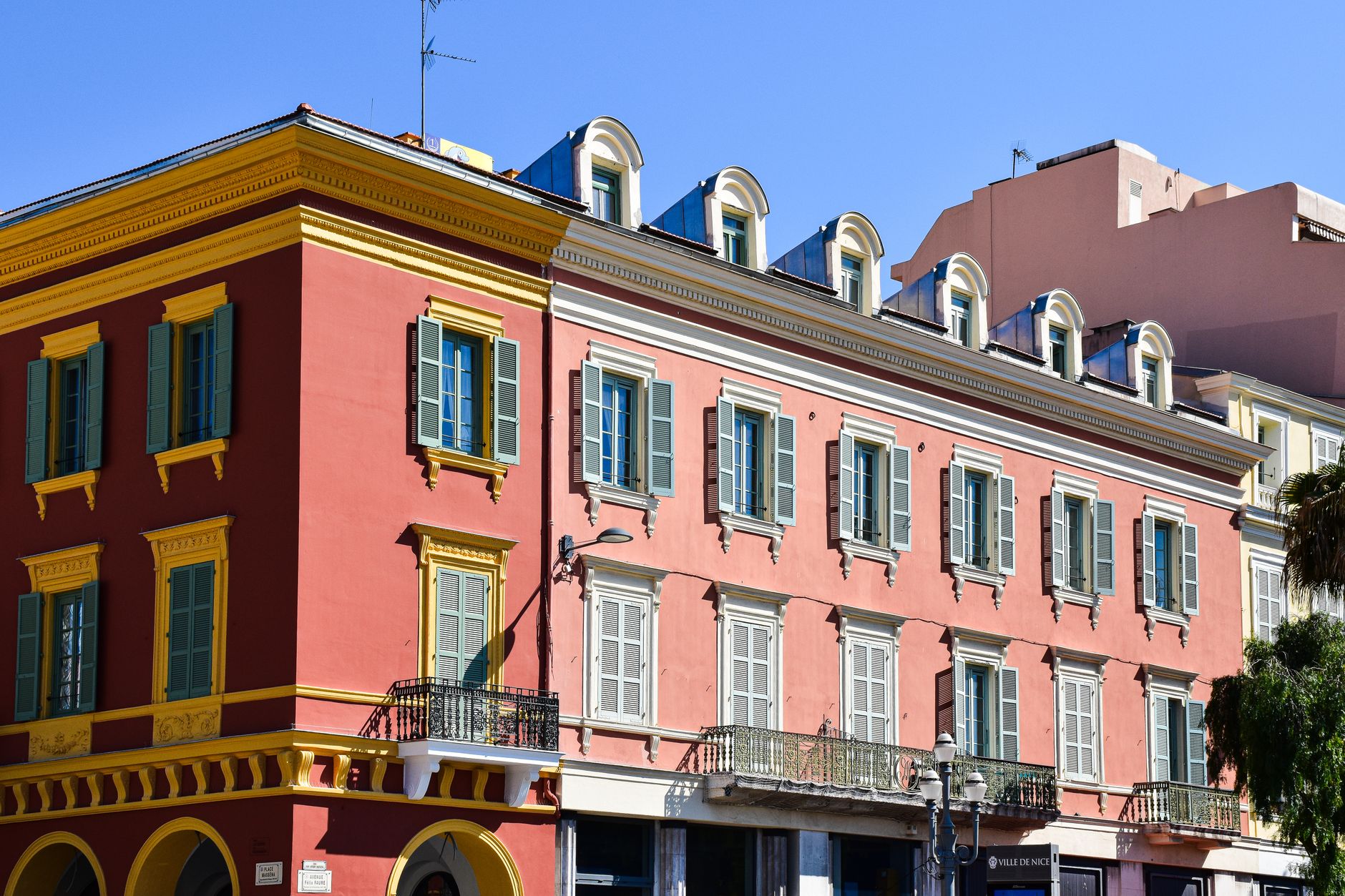
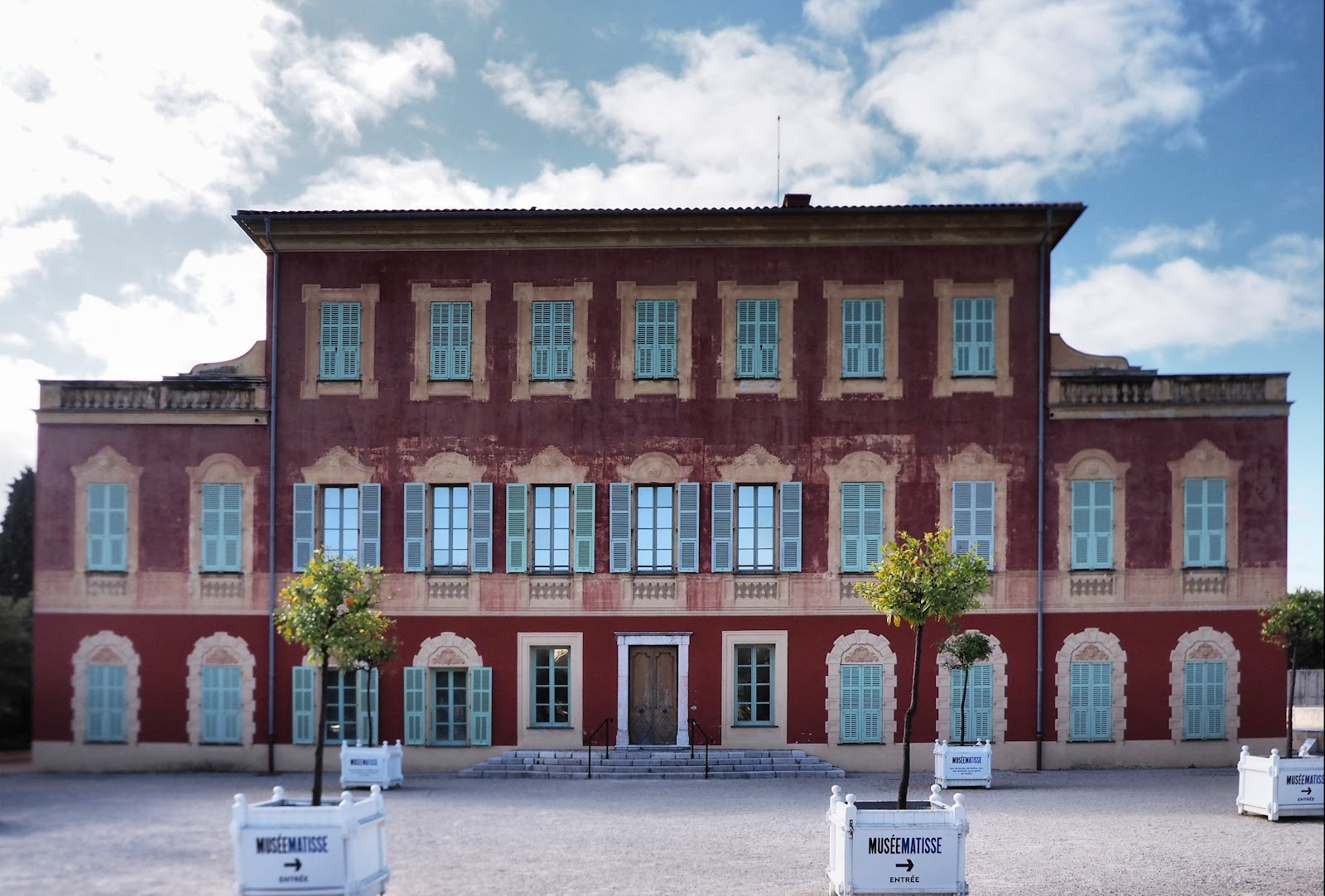
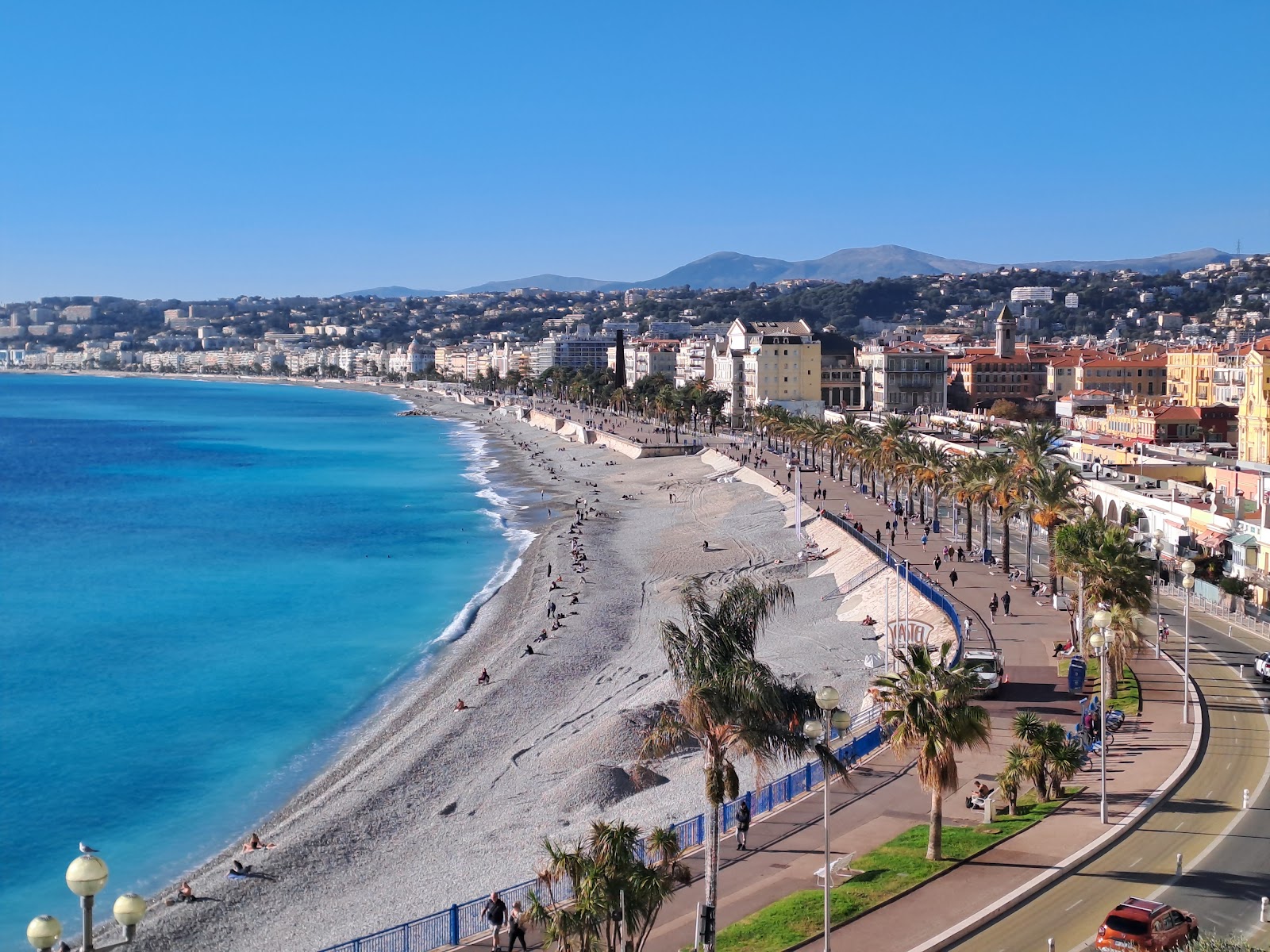
The light in Nice arrives at a particular angle — bouncing off the Baie des Anges and catching the ochre and terracotta of the Old Town in a way that explains, concretely, why Matisse stayed. The Promenade des Anglais runs two and a half miles along the waterfront, and on any given morning you'll find swimmers picking their way across the smooth grey pebbles while the trams slide past behind them.
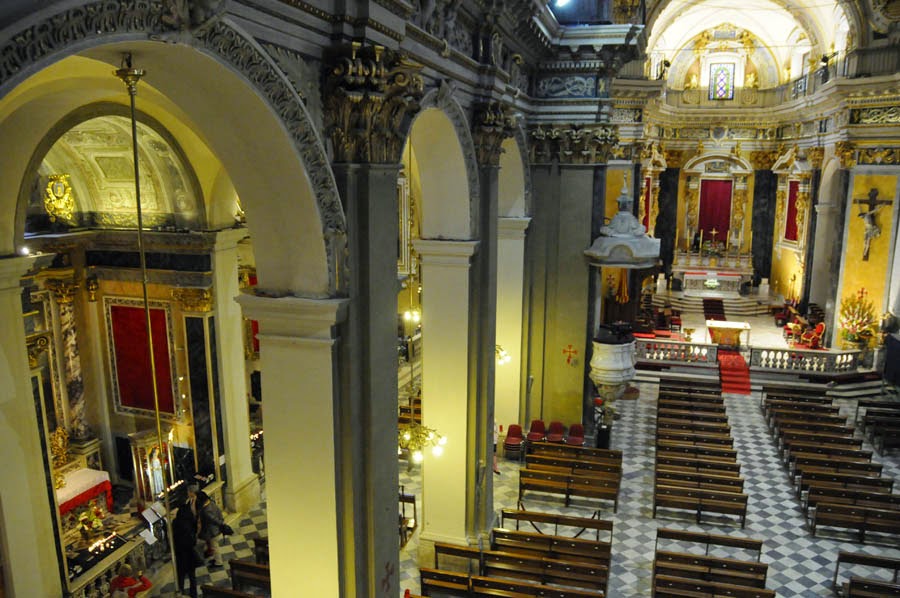
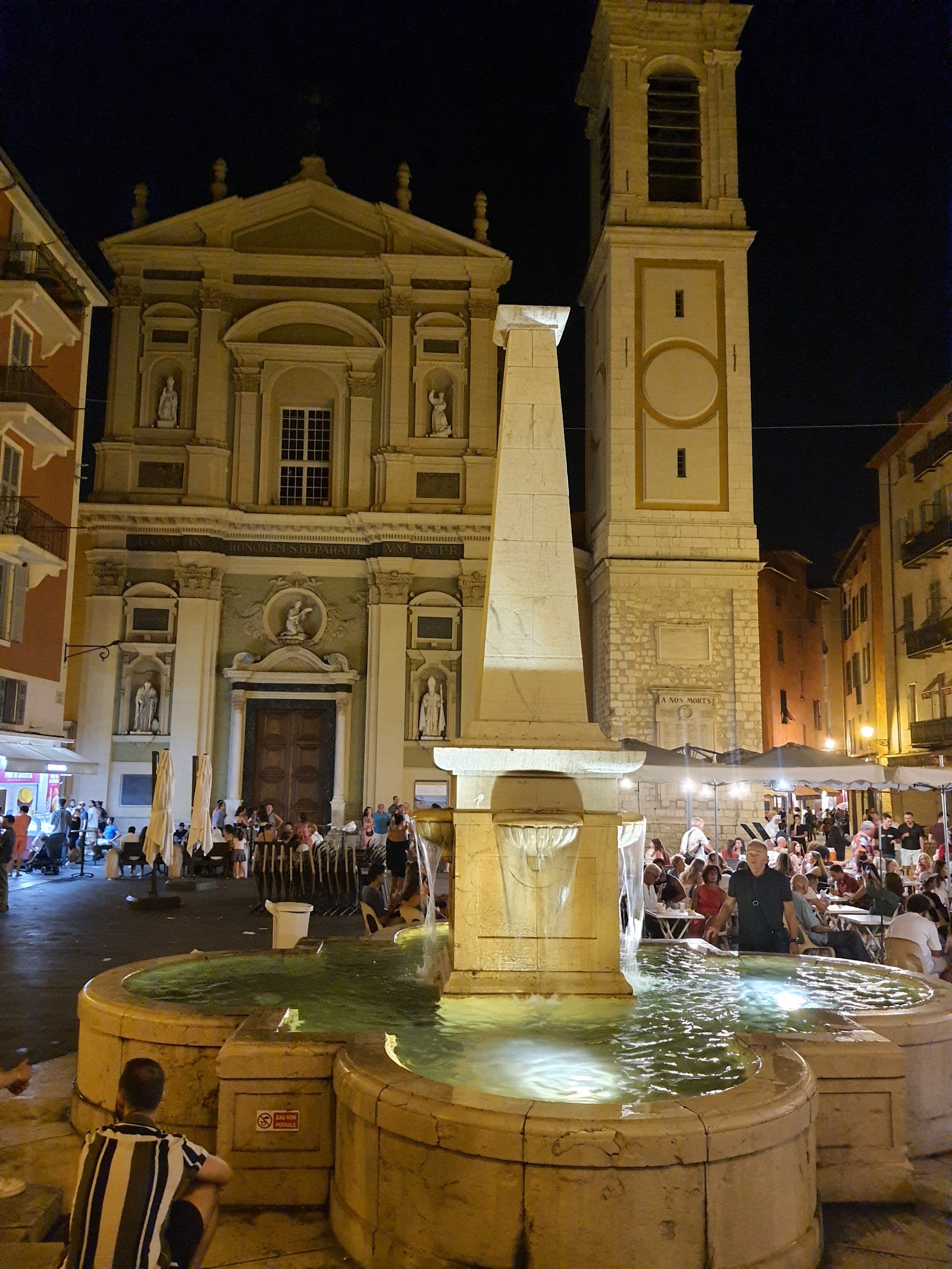
Nice is a city that has changed hands more than most — Greek, Savoyard, briefly French, Sardinian, then French again for good in 1860 — and the architecture keeps the receipts. Baroque churches crowd the Old Town. A Russian Orthodox cathedral with six onion domes rises unexpectedly near the centre. The Belle Époque Negresco still faces the sea on the Promenade, holding its ground.
💛 What travellers fall for
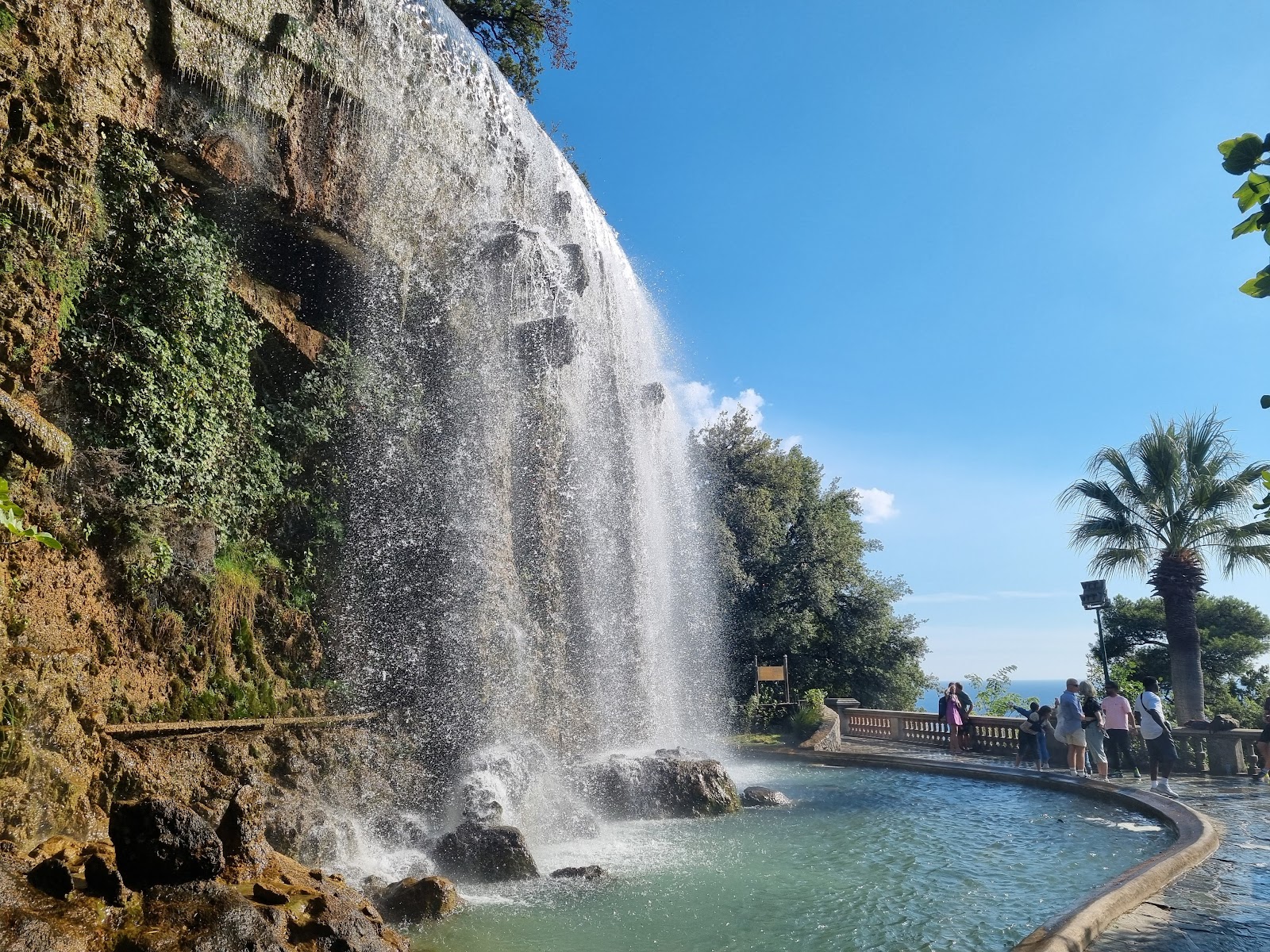
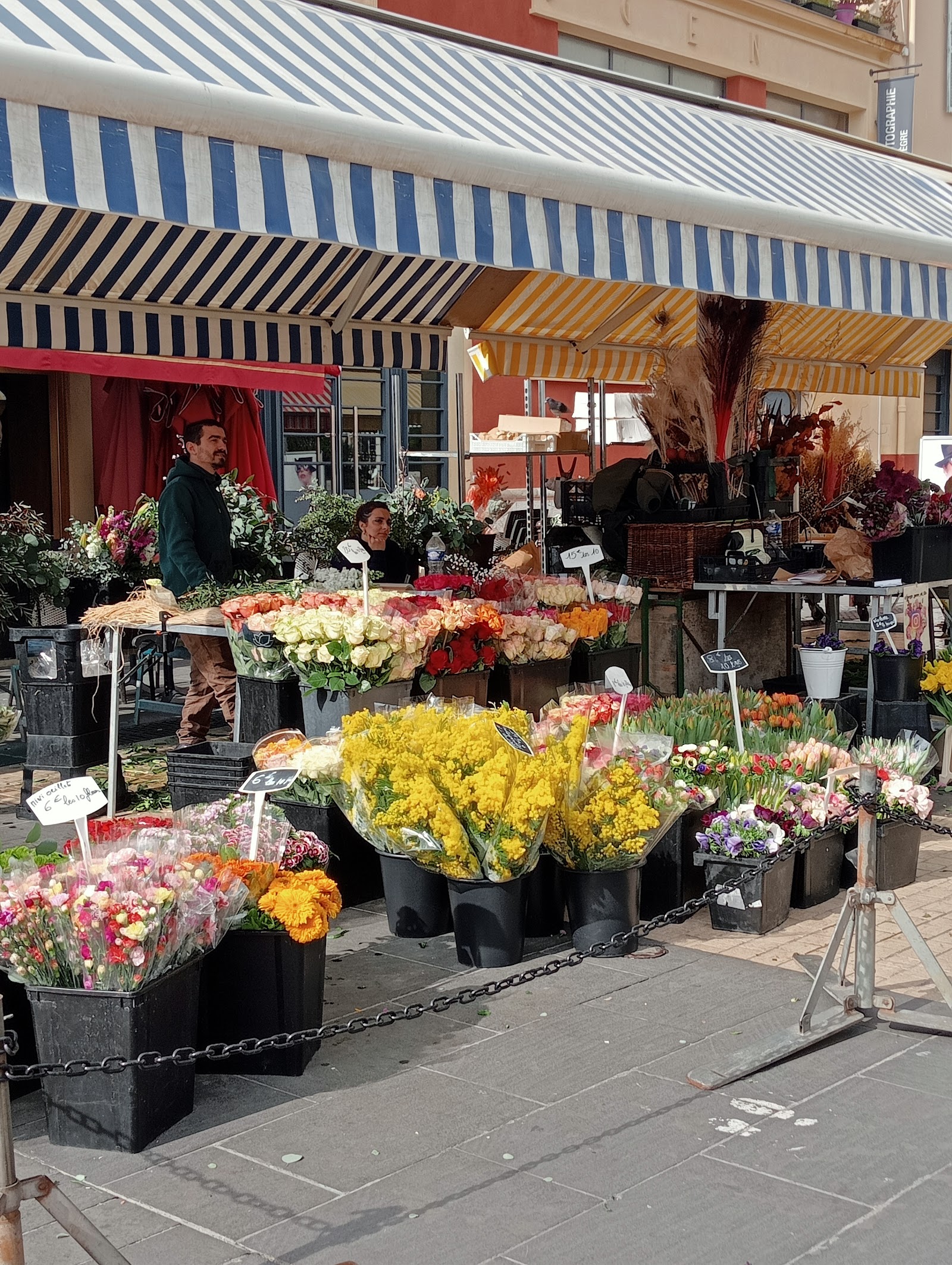
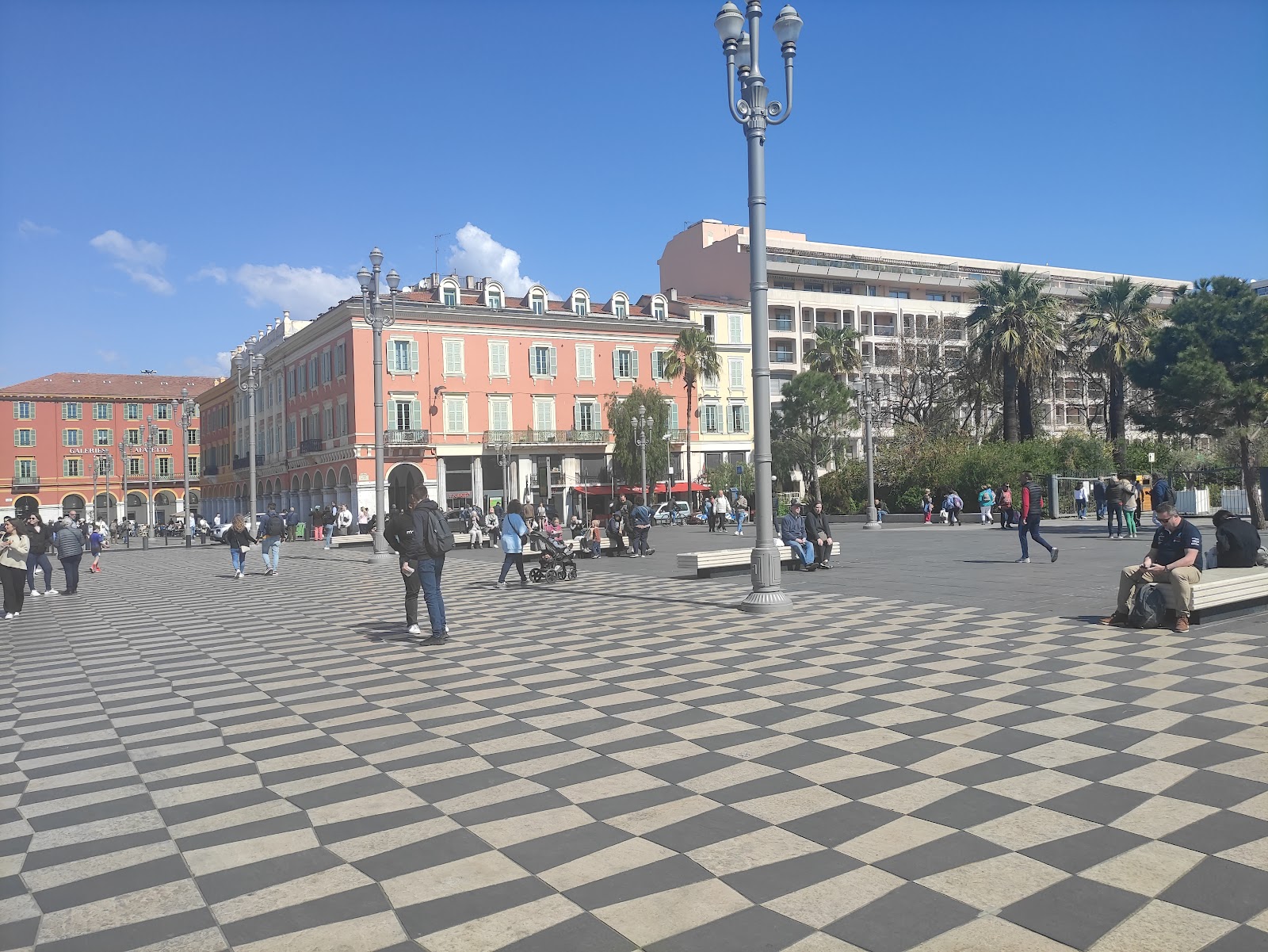
People who return tend to anchor their mornings at Cours Saleya — flowers and vegetables Tuesday through Sunday, antiques on Monday — then climb Colline du Château not for the ruined castle but for the view back over the rooftops. The Line 2 tram from the airport is genuinely useful; skip the taxi queue and be in the Old Town in under twenty minutes.
Experiences you don't want to miss




Deals in Nice
Book directly at the provider

How Nice came to be
Greeks from Massalia founded Nikaia here around 350 BC, naming it after a victory over the Ligurians, though humans had already been living in the area for some 400,000 years — the Terra Amata site is among the oldest evidence of a human dwelling in Europe. The city passed through Roman influence, Lombard disruption, and medieval trade before the commune placed itself under the Counts of Savoy in 1388.
In 1543 a combined fleet under Francis I and the Ottoman admiral Barbarossa attacked the city; the inhabitants held out before ultimately surrendering, and Barbarossa left with around 2,500 captives. Nice returned to Savoy under the 1713 Treaty of Utrecht, and the prosperous decades that followed produced much of the Baroque fabric still standing in the Old Town. The final turn came in 1860, when the County of Nice was ceded to France by treaty — ratified by more than 25,000 of the 30,700 eligible voters, though Nice's most famous native son, Giuseppe Garibaldi, was bitterly opposed.
Who and what shaped it
People who shaped it
Landmark buildings
See Nice in motion
Plan your visit
On the map
When to go
Summers are hot, dry and long, with the sea warm enough to swim from June through October. Winters are mild by northern European standards — cool and occasionally rainy, but with enough clear days that the Promenade never quite empties.
Right now
↡ Attractions

Background & history adapted from Wikipedia (CC BY-SA) · specs from Wikidata (CC0) · weather from Open-Meteo · map data © OpenStreetMap contributors · photos from Wikimedia Commons / Unsplash with per-image credit. No third-party reviews or social posts reproduced.