
Cours Saleya Market
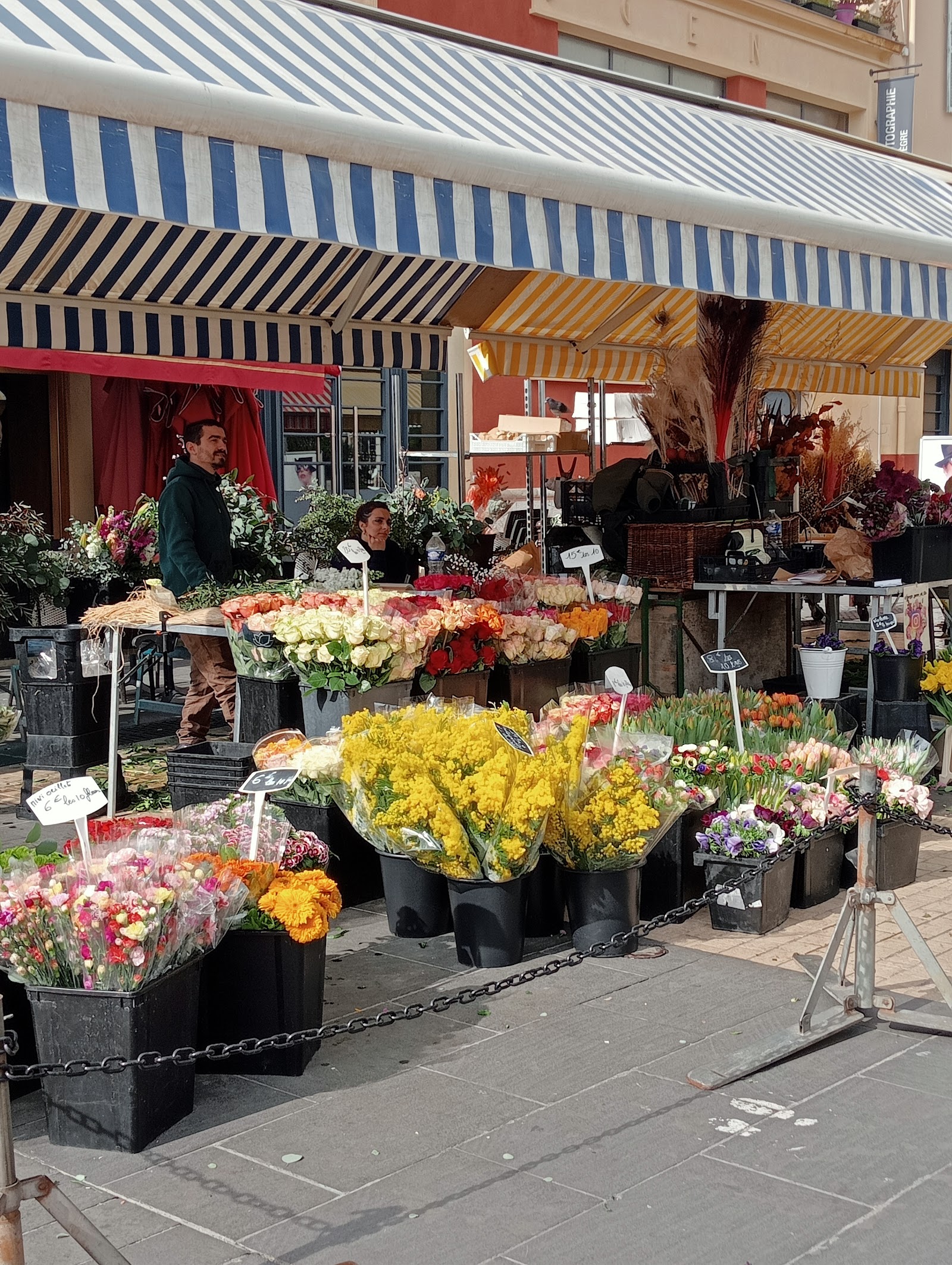
The flower stalls take the western end, the produce the eastern — and by seven in the morning, Cours Saleya is already deep in its own business. Vendors stack mimosa and ranunculus beside crates of courgettes still trailing their blossoms, and the flat-roofed Ponchettes buildings along the south side catch the early light in shades of ochre and faded terracotta.
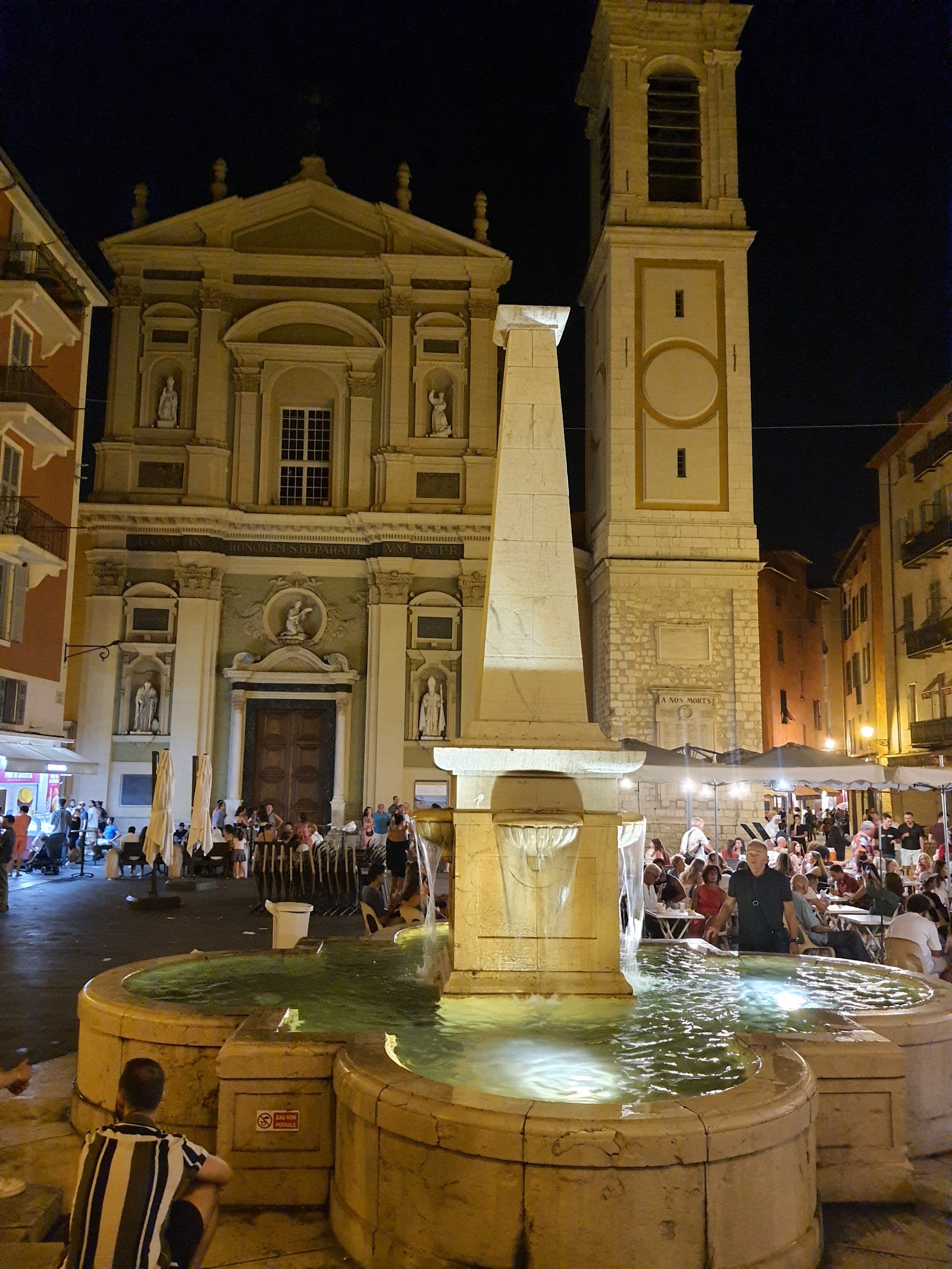
The square runs along the old waterfront of Vieux-Nice, open to the sea on one side and framed by baroque palaces on the other. On Mondays it reinvents itself entirely as an antiques market. Free to enter any day, it rewards arriving early and staying longer than you planned.

💛 What travellers fall for
Regulars tend to head straight for Chez Teresa for socca — the chickpea-flour pancake that arrives in a paper cone, still crackling from the wood-fired pan. Sunday hours run shorter (market closes at 1:30 PM), so if that's your day, don't linger over breakfast first. The summer evening craft market is a quieter, slower version worth catching if you're staying nearby.
The story behind Cours Saleya Market
Nice became French in 1860, and the following year Mayor François Malausséna formalised what had long been an informal gathering place, establishing the city's first official flower, fruit, and vegetable market on the Cours Saleya — already known locally as 'Lou Cours'. By 1897 Nice had opened the first wholesale cut flower market in the world, and it was here, in the second half of the 19th century, that the floats of the Carnaval de Nice once paraded before the carnival moved to larger avenues.
A concrete market hall built in 1930 gradually dragged the square's character downward; it was demolished in 1980, and a proper restoration didn't arrive until 2009. In 2021, the Cours Saleya and the wider heritage fabric of Nice were inscribed as a UNESCO World Heritage Site.

Good to know
Tram line 1, stops 'Opéra – Vieille Ville' or 'Cathédrale – Vieille Ville', puts you a short walk away. Open Tuesday to Sunday, 6:00 AM to 5:30 PM (1:30 PM Sundays); Mondays are antiques only. Entrance is free. Allow at least an hour.
The market runs year-round, but spring and autumn mornings — warm enough to linger without the midsummer crowds — are when the square feels most itself. In July and August, arrive close to opening time if you want space to move between the stalls.
Where is Cours Saleya Market?
More tickets & tours for Cours Saleya Market
Book directly at the provider
What travellers say about Cours Saleya Market
A must-visit gem in Nice! Marché aux Fleurs at Cours Saleya is absolutely breathtaking and captures the true spirit of the French Riviera. The vibrant colors of fresh flowers, local produce, and artisanal goods create such a lively and joyful atmosphere. Walking through the market feels like a celebration of life—filled with wonderful scents, friendly vendors, and beautiful surroundings just steps from the sea. It’s the perfect place for a morning stroll, people-watching, and soaking in authentic Niçoise culture. Whether you’re buying flowers, tasting local specialties, or simply enjoying the ambiance, this market is unforgettable. Highly recommended for anyone visiting Nice!
The Pho was delicious, and the complimentary shrimp crackers were perfectly crispy. They were very generous with the meat portion. The owner was incredibly kind—he even provided a plate for the cake I brought with me and gave me a lollipop as I was leaving. A wonderful dining experience, highly recommended!
oh my gosh, this place was a dream. I bought beautiful flowers and brought them back to my hotel and had them for the week in my hotel. The fruits and vegetables are gorgeous and we brought back some berries and ate them for the week as well.
Amazing food and flower market in the heart of Nice, and a must visit! A wide range of beautiful fresh produce, bread, pastries, meats and cheeses, olives, etc. Lovely flowers as well, even though I didn't buy any. This is a great place to stock up on some lovely food if you're staying in Nice for a few days! Just make sure you have small notes and change as it's mostly cash only, and you often won't be able to use big notes.
A wonderful market to explore while in Nice. It’s not just flowers — you’ll also find spices, oysters, local soaps, and all kinds of regional products. A vibrant, colorful place and a great spot for a relaxed walk through the old town. 🌸🦪🧂
More of Nice
Discover where to stay, what to do and the best deals for your trip.
Explore Nice →More attractions in Nice
All of Nice →
Background adapted from Wikipedia (CC BY-SA) · map data © OpenStreetMap contributors · ratings & place photos via Google · other photos with per-image credit. Ticket links may earn us a commission at no extra cost to you.