
Castle Hill (Colline du Château)
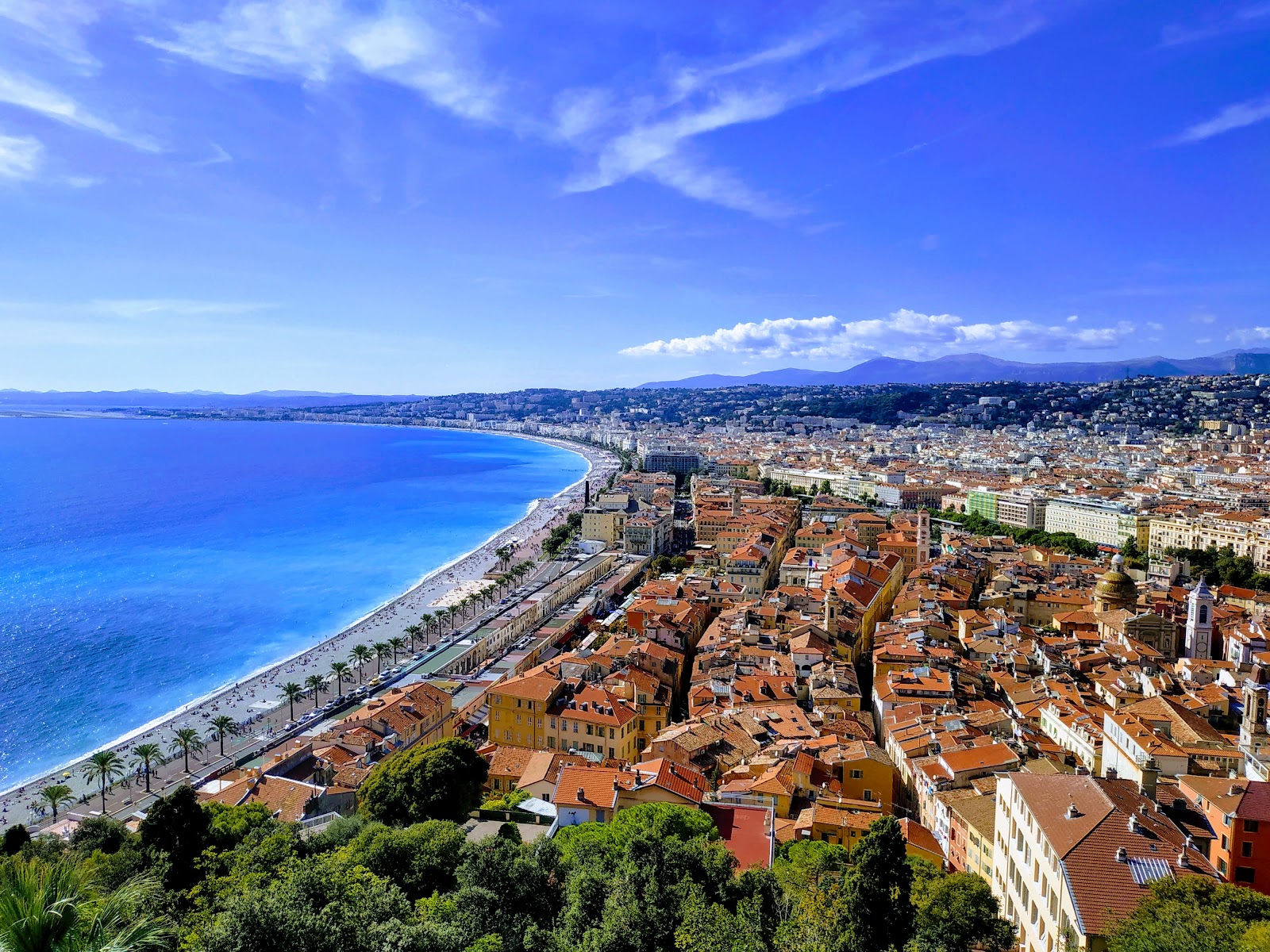
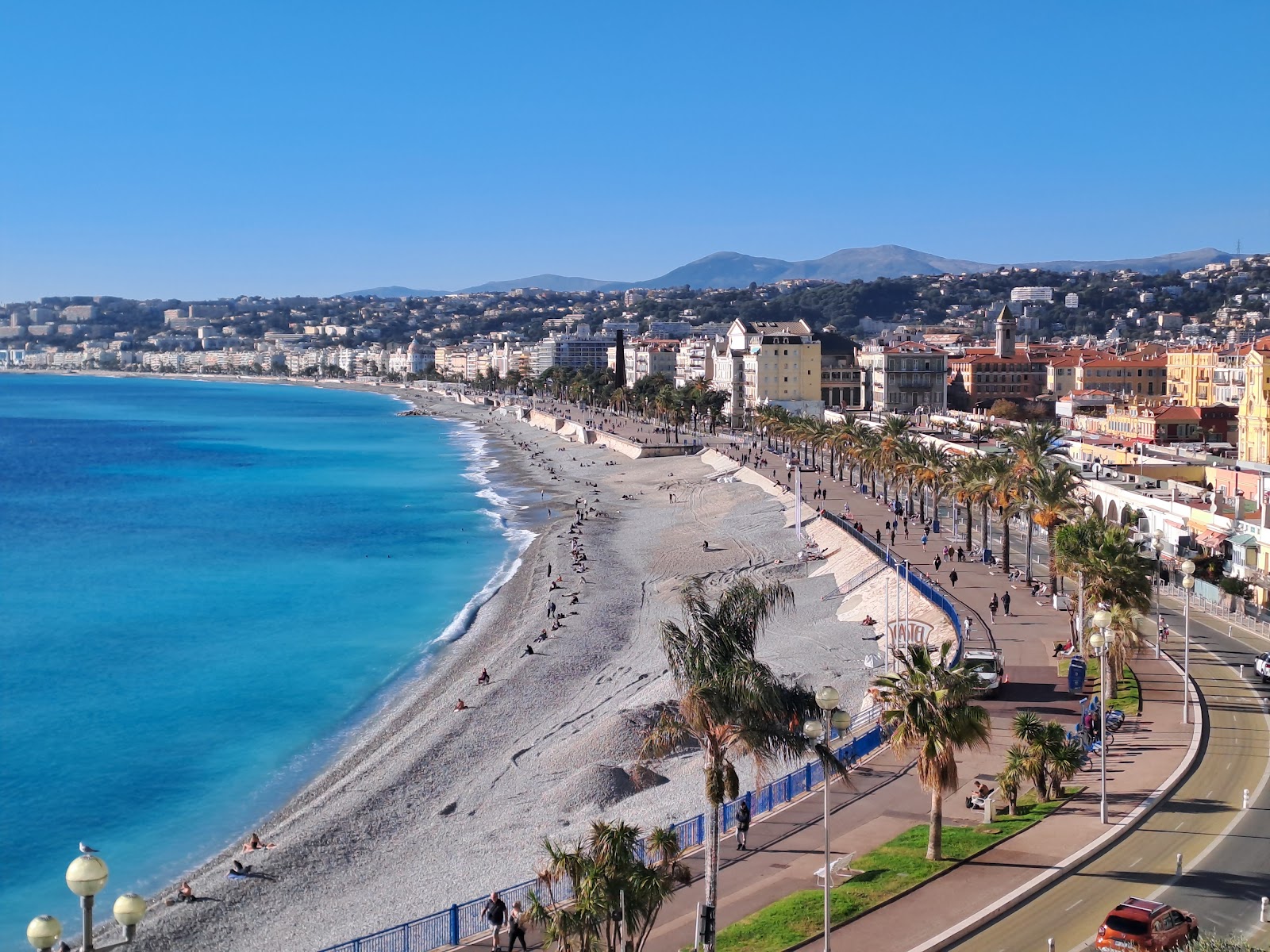
The hill that made Nice possible stands 92 metres above the Baie des Anges, and the view from the top — the terracotta rooflines of the old town on one side, the long arc of the Promenade des Anglais on the other — puts the whole city in your hand at once. This is where Greek traders from Massalia first set up their settlement of Nikaia in the 3rd century BC, and where the stones of a cathedral, a citadel, and several centuries of occupation have been slowly returning to grass and pine since Louis XIV ordered the fortress blown up in 1706.
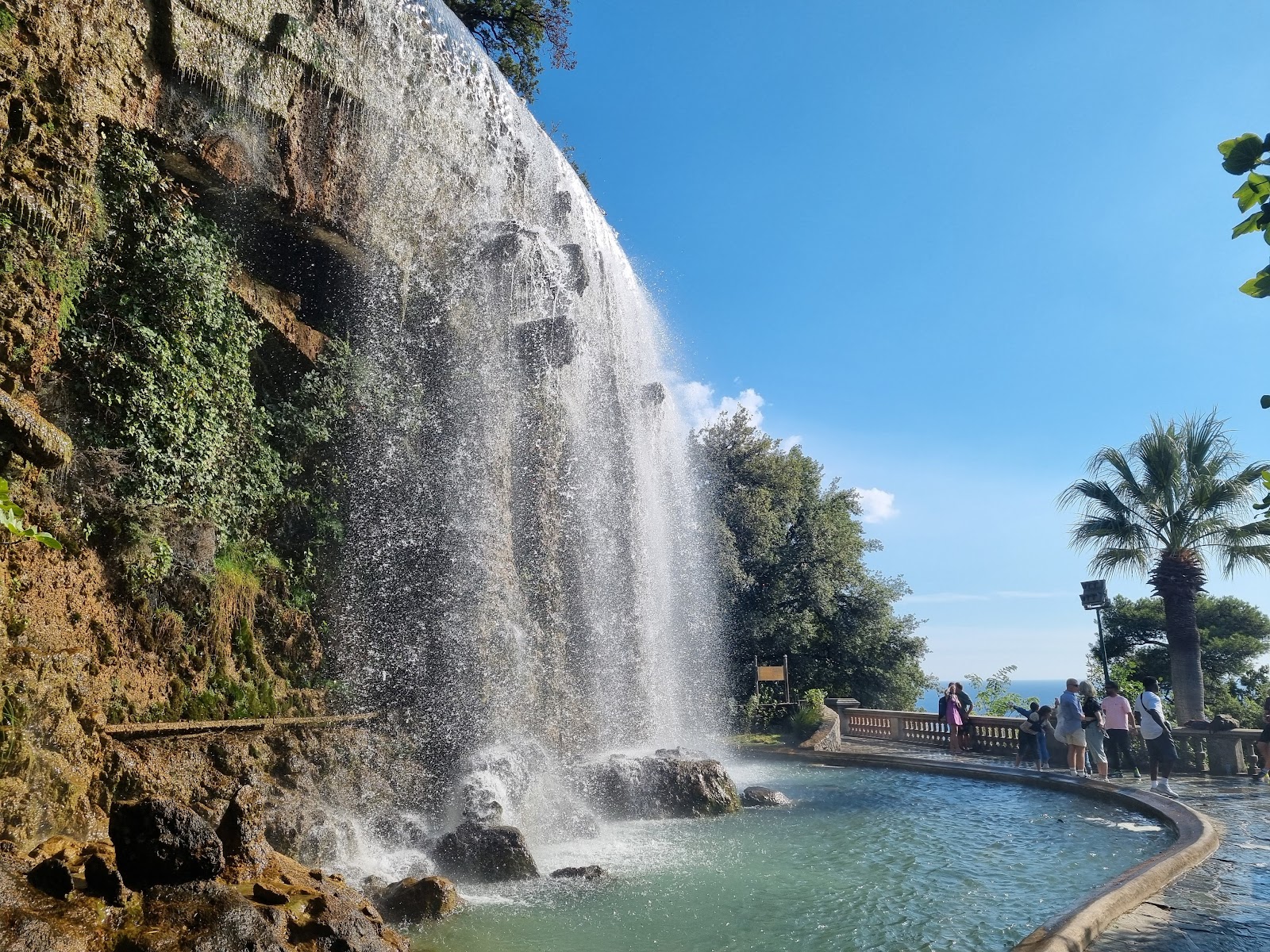
What remains is a public park: free to enter, stitched with paths, shaded by cypress and pine, and home to a waterfall fed by a canal from the Vésubie river. The ruins are real, the quiet is genuine, and the midday cannon — fired at noon since 1861 — still makes first-time visitors flinch.
💛 What travellers fall for
People who come back tend to time it for early morning, before the cruise-ship crowds find the elevator. The free lift inside the old well tunnel at Castel Beach is the fastest way up. The Bellandarium dioramas in Bellanda Tower are worth the short detour — small, free, and oddly absorbing. Bring cash if you want a cold drink at Le Point de Vue.
The story behind Castle Hill (Colline du Château)
Greek settlers from Massalia founded Nikaia on this hill in the 3rd century BC, trading with the Ligurian peoples below. Roman occupation followed Julius Caesar's conquest in 49 BC, though power on the coast eventually shifted to Cemenelum up on Cimiez. Cathedral ruins dating to the 5th century mark the early Christian period; by the 11th century the hill held churches, convents, a market and defensive towers, with the château walls themselves raised sometime between the 13th and 14th centuries.
The citadel was besieged in 1543 and again in 1691 before French troops took it in 1705. Louis XIV ordered it demolished the following year, and the fortifications were systematically destroyed. The city council converted the ruins into a park in the late 19th century — adding the waterfall in 1885 and a public elevator in 1912 — and the hill has been a place for walking and looking ever since.

Good to know
Free entry, no booking needed. The elevator at Castel Beach runs daily from around 10:00; the 300-step Escalier Lesage from Vieux-Nice is the alternative. Open until 20:00 in summer, 18:00 in winter. Allow at least 90 minutes; the cemeteries and tower are easy to miss if you head straight for the viewpoint.
Spring and autumn are the most comfortable seasons for the climb — warm enough to linger at the top, cool enough to make the stairs bearable. Summer mornings are fine before 10:00; by midday the exposed terraces get genuinely hot and the elevator queues grow. In winter the park stays open and the views are often clearest, though the shorter hours (closing at 18:00) limit late-afternoon visits.
Where is Castle Hill (Colline du Château)?
More tickets & tours for Castle Hill (Colline du Château)
Book directly at the provider
What travellers say about Castle Hill (Colline du Château)
The elevator was not operating during our visit in May, but the walk up the stairs was enjoyable because of the beautiful views along the way. The gardens at the top were lovely and well maintained. The panoramic views overlooking both the harbor and the sea were absolutely stunning. A great place to take in the beauty of Nice and enjoy some spectacular scenery.
Super great view a must! If you visit Nice this attraction spot is you can see outlook view point of the port and beach side. Highly recommend!!! To visit. Should spend half day over here and there are walkway down the beach too.
Perfect place to see sunset in Nice. You can see the coastline from the top, which feels amazing. Also, there is an artificial waterfall, which is nice too. Ofcourse don’t try to take a shower or drink the water, as it’s too dirty. But an absolute Gem in Old Nice.
If you want to see Nice in all its glory, Parc de la Colline du Château is the place to be. The climb is absolutely worth it for the breathtaking 360-degree views of the Baie des Anges and the Old Town. The highlight for me was the Cascade de Dijon. It’s a stunning, powerful waterfall that brings a refreshing coolness even on a hot day. It’s hard to believe such a majestic site is tucked away right above the bustling city. The park itself is peaceful, with plenty of shaded spots to rest and soak in the atmosphere. It’s the perfect spot for photography or just a quiet moment to appreciate the beauty of the French Riviera. A true 'must-visit' gem!
Beautiful, you will get a lot of steps in. I think there are tours available on golf cart trains if you don’t want to climb. There are no clear directions so we had to depend on asking others. It’s worth visiting for sure.
More of Nice
Discover where to stay, what to do and the best deals for your trip.
Explore Nice →More attractions in Nice
All of Nice →
Background adapted from Wikipedia (CC BY-SA) · map data © OpenStreetMap contributors · ratings & place photos via Google · other photos with per-image credit. Ticket links may earn us a commission at no extra cost to you.