
Musée Matisse
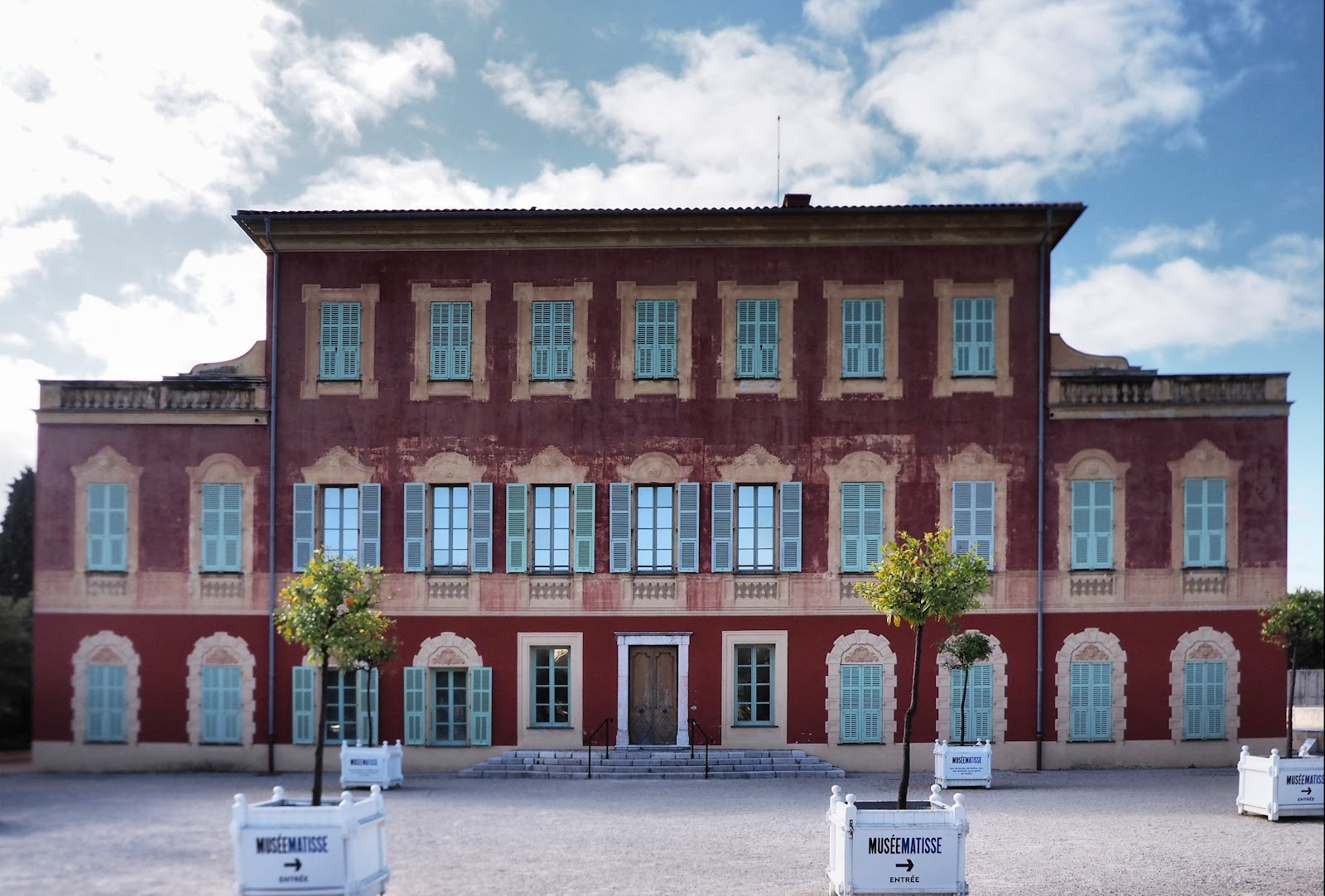
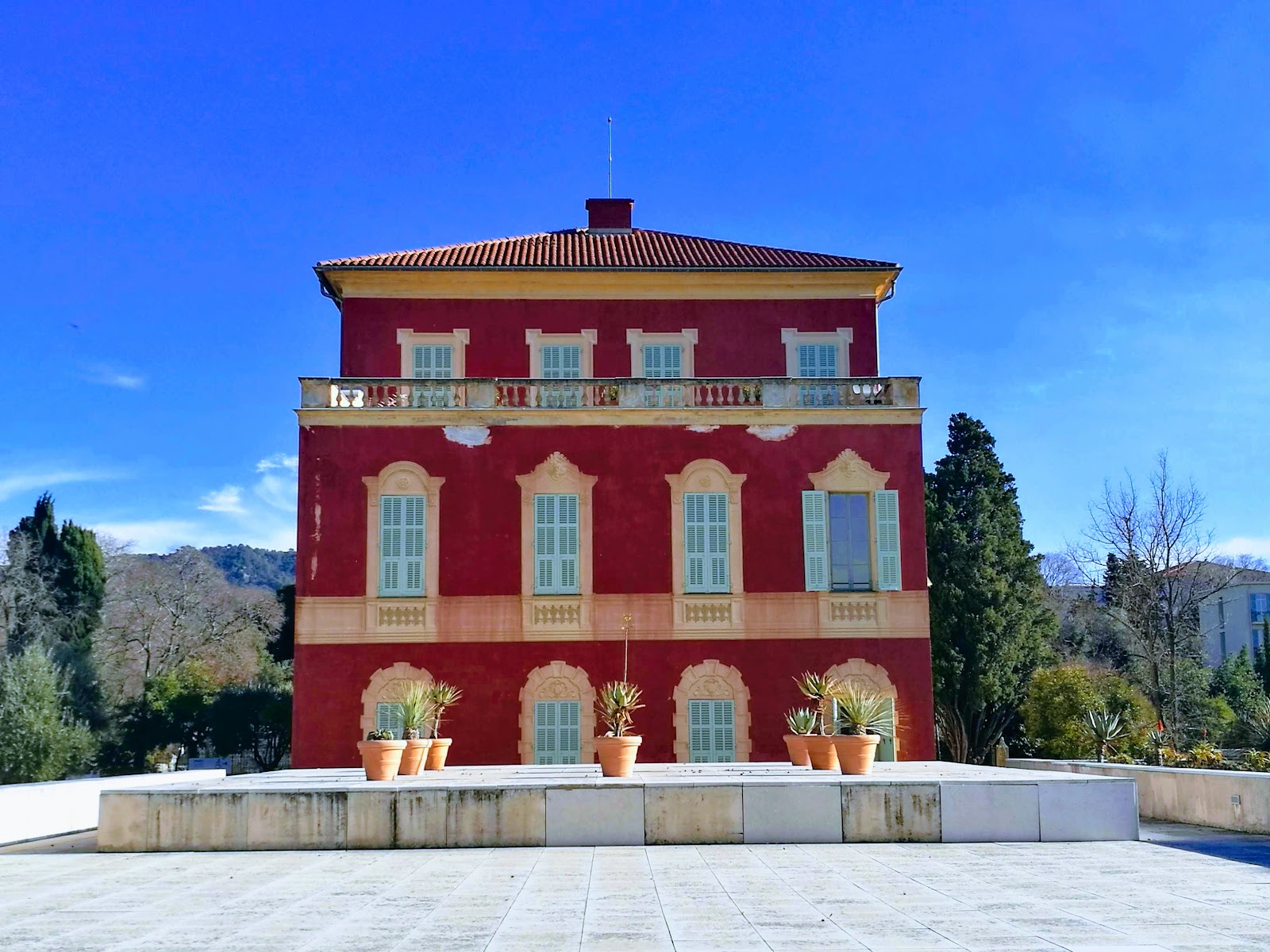
The villa finds you before you expect it — a red ochre facade rising above the olive groves of Cimiez, its trompe-l'œil painted windows catching the afternoon light. This is the Villa des Arènes, built between 1670 and 1685, and since 1963 it has held the largest public collection of Henri Matisse's work anywhere in the world.
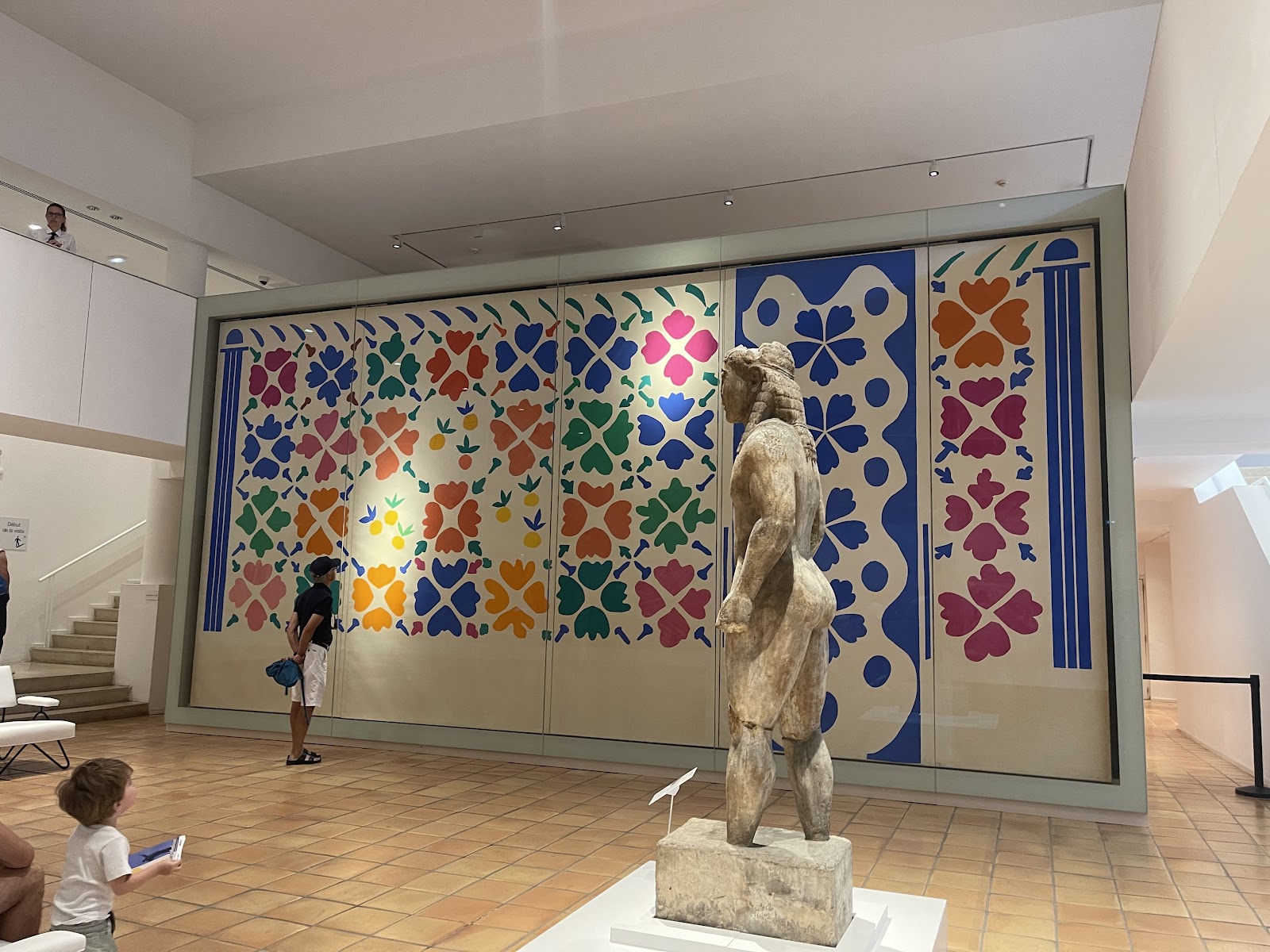
Matisse spent the last decades of his life in Nice, from 1917 until his death in 1954, working in a studio apartment across the road at the Hotel Regina. He is buried in the monastery cemetery just behind the museum. The collection that surrounds you — drawings, paintings, cut-outs, personal objects brought back from his travels — never quite left the neighbourhood where he made it.
💛 What travellers fall for
People who come back tend to spend time in the Cabinet des dessins, the drawings collection added in 2003, where the work feels closest to his hand. The underground extension, opened in 1993, handles ticketing and the bookshop — worth a look before you leave. The walk through the olive grove afterward, past the Roman arena, is part of the visit.
The story behind Musée Matisse
The villa was built between 1670 and 1685 for Jean-Baptiste Gubernatis, a consul in Nice, and carried his family name until Count Raymond Garin de Cocconato acquired it in 1823. The City of Nice bought the property in 1950, renamed it Villa des Arènes, and opened a Matisse museum on its first floor on January 5, 1963 — with the Archaeological Museum occupying the ground floor below.
When the Archaeological Museum relocated in 1989, architect Jean-François Bodin was commissioned to reconvert the entire building and add a contemporary underground extension. The expanded museum reopened on June 26, 1993, with 1,200 square metres of exhibition space. An educational workshop followed in 2002, and the dedicated drawings cabinet in 2003.
Good to know
Bus 5 runs every 8–10 minutes from central Nice, including Sundays; stop at Les Arènes / Musée Matisse. Admission is €10, free on the first Sunday of each month. The 4-day municipal pass at €15 covers this and MAMAC. Allow 90 minutes minimum.
Where is Musée Matisse?
More tickets & tours for Musée Matisse
Book directly at the provider
What travellers say about Musée Matisse
Visiting the Musée Matisse in Nice was truly a dream come true. Traveling all the way from California, I had long hoped to see Matisse’s works in the city where he lived and created, and this experience exceeded all expectations. The museum is beautifully curated, allowing a deep appreciation of Matisse’s artistic journey, from his early works to his bold use of color and form. Standing in front of his original pieces was deeply moving and inspiring — a moment I will treasure forever. Set in a peaceful location overlooking Nice, the museum offers not only art but a sense of connection to Matisse’s life and spirit. An unforgettable experience and an absolute must-visit for anyone who loves art.
The Matisse Museum in Nice is a true gem for art lovers. Located in the picturesque Colline du Château area, the museum impresses with its blend of modern exhibition spaces and historical architecture. The collection features over 200 works by Matisse, from early sketches to mature paintings, as well as graphics, sculptures, and personal items. Each piece reflects the artist’s unique vision of color, form, and light. The exhibition is thoughtfully arranged, making it easy to follow the evolution of Matisse’s style. The atmosphere is calm, bright, and inspiring, creating a comfortable and emotionally engaging experience. The staff is polite and helpful, and guided tours or audio guides are available to gain deeper insight into Matisse’s work. For anyone who appreciates art and wants to experience the magic of color and form, the Matisse Museum is an absolute must-visit in Nice.
Extremely disappointing and unacceptable service Today we visited the Matisse Museum in Nice. We had really been looking forward to this visit, especially because we are leaving tomorrow and, out of all the places we could have chosen, we picked this museum because we truly love Matisse and his work. The museum itself was wonderful. The exhibition was beautiful, and everything about the visit should have left us with great memories. Unfortunately, the entire experience was completely ruined by the woman working at the museum shop My card did not go through, and instead of trying to help or simply allowing me to pay in cash, she behaved in an incredibly rude and disrespectful way. When my friend tried to pay for both of us, the woman threw the cash back at her. This kind of behavior is absolutely unacceptable, especially in a place that welcomes visitors from all over the world. I cannot understand why someone who works in customer service would treat guests like this. It was humiliating, unnecessary, and completely ruined our mood. A museum dedicated to such an important artist deserves staff who treat visitors with basic respect. The museum is beautiful, but the attitude of the woman at the shop was disgraceful. I left feeling upset and disappointed instead of inspired.
Not really a museum… more like a very limited permanent exhibition Considering how small and limited the collection is, this really shouldn’t be called a museum. At best, it’s a small, permanent exhibition of just a handful of works. Given that Matisse lived and created here, in a beautiful nearby Regina Palace, we expected something truly impressive. To our surprise and disappointment, the number of artworks on display is so small you could count them on the fingers of one hand. Most descriptions are only in French, with almost no English information available (!) Even the staff don’t speak English, which makes the visit quite frustrating. At one point, a security guard gestured (!) that I had to wear my backpack on the front. When I asked in very simple English why that was necessary—since it could actually increase the risk, as someone could easily take something out of the bag when it’s in front, like paint or a sharp tool, and potentially damage an artwork—he couldn’t explain anything because he didn’t speak English at all. The whole experience left us shocked and disappointed. It really feels like a waste of money. If you have €10 to spare, spend it on some good cheese, a baguette, or even a ticket to somewhere nearby—Monte Carlo, Cannes, anywhere. Sadly, we didn’t expect to walk out so underwhelmed. As mentioned, this is not a museum; it’s simply a display of a few works.
Lovely museum, full of Matisses work & life story. Its located in a park & right next to the Archeological Museum. We bought a Museum Pass ticket (15 euros) on entry which gives free access to all the Nice museums including this one. Easy to get to on the route 5 bus.
More of Nice
Discover where to stay, what to do and the best deals for your trip.
Explore Nice →More attractions in Nice
All of Nice →
Background adapted from Wikipedia (CC BY-SA) · map data © OpenStreetMap contributors · ratings & place photos via Google · other photos with per-image credit. Ticket links may earn us a commission at no extra cost to you.