
Vieux-Nice (Old Town)
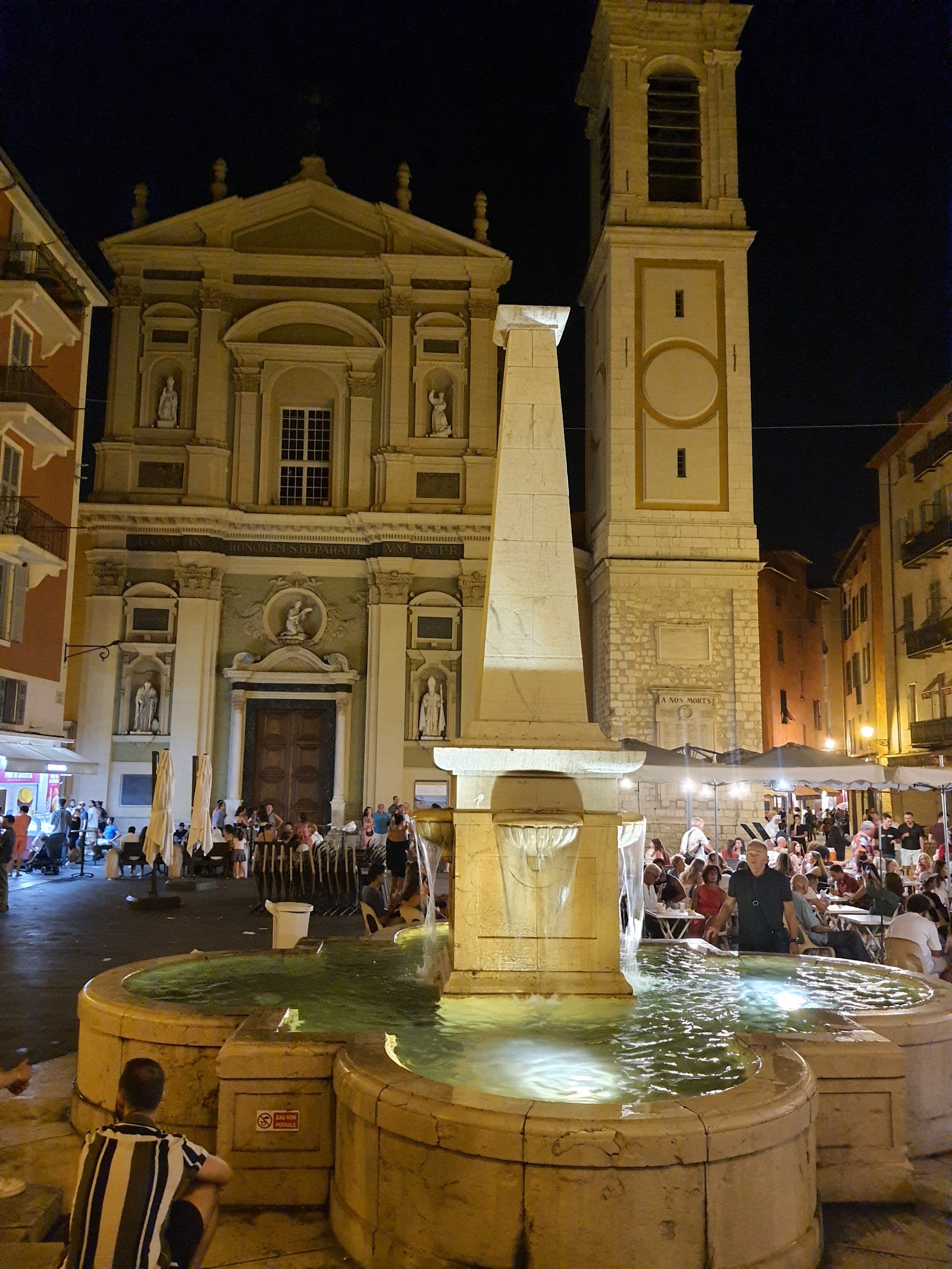
The streets of Vieux-Nice are barely wide enough for two people to pass with their shopping bags, and the buildings above them — painted in layers of ochre, sienna and terracotta — lean close enough to block the midday sun. This is a neighbourhood of trompe-l'oeil frescoes on plaster facades, Genoese-style loggias, and over 300 listed historical buildings packed into roughly 28 hectares between Castle Hill and Place Masséna.
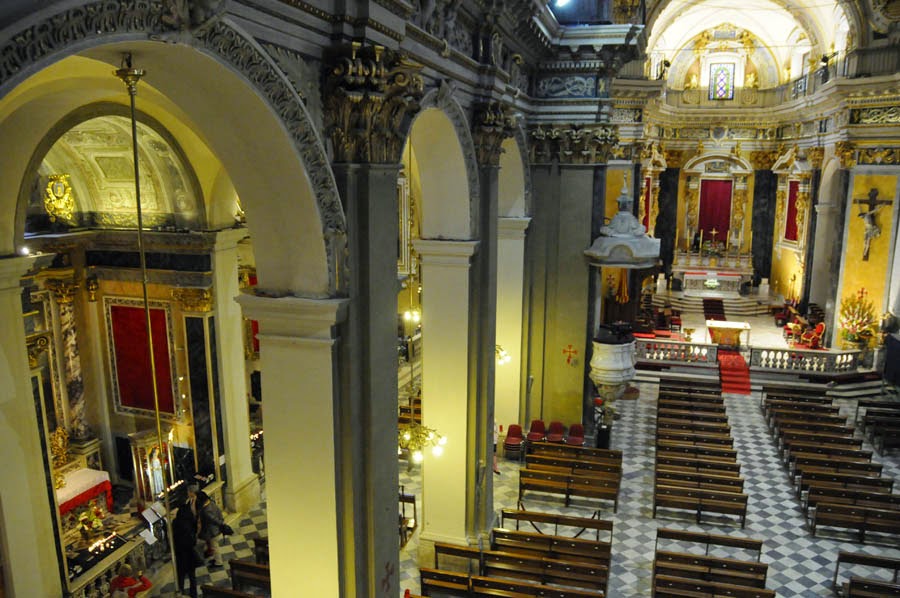
Plan on three hours minimum to walk it properly. The Baroque core dates mostly from the 17th and 18th centuries, and the density of churches alone — Sainte-Réparate on Place Rossetti, the Jesuits' Église du Gesù with its 42-metre tiled belltower, the quietly ancient Chapelle de l'Annonciation — gives you a sense of how seriously this quarter took its own permanence.
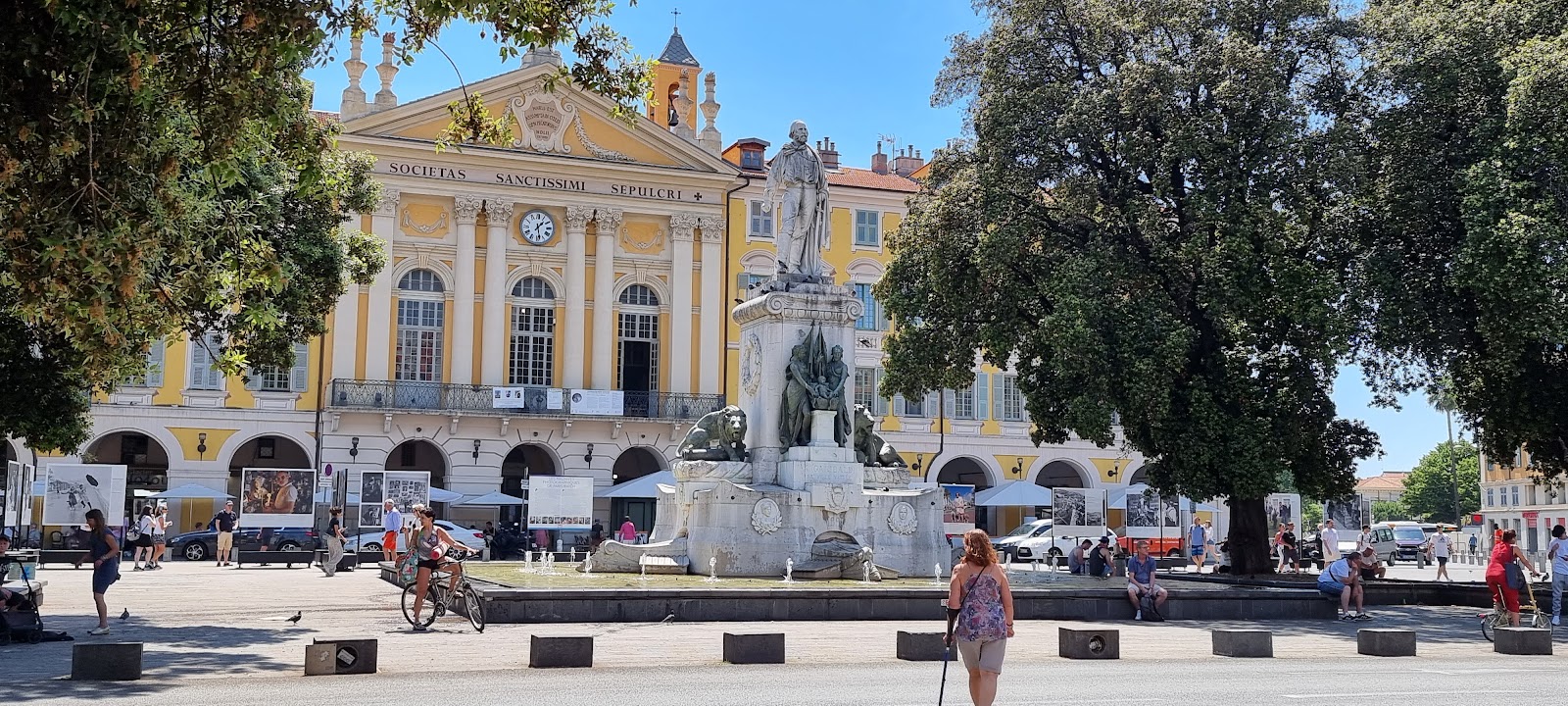
💛 What travellers fall for
People who come back tend to anchor their mornings at Cours Saleya — the flower and produce market runs Tuesday through Sunday until 1pm — then push deeper into the residential lanes behind Rue Droite, where the tourists thin out. The Palais Lascaris on that same street is easy to miss and worth not missing: a 1693 aristocratic villa with a collection of old instruments.
The story behind Vieux-Nice (Old Town)
Nice takes its name from Nikaia, the Greek settlement established around 350 BCE by colonists from Massalia — today's Marseille — and named for Nike, goddess of victory. The Old Town itself has no documented history before 975 CE, when it appears as a small medieval settlement in the County of Provence. In 1388, the city passed to the Count of Savoy, Amédée VII.
The neighbourhood's present shape was largely forced by a siege: when Turkish and French forces attacked the château in 1543, civilians were pushed down from the upper town into what became Vieux-Nice. The eastern streets developed first, from the 16th century onward; the Baroque centre followed in the 17th and 18th centuries. Cours Saleya itself only appeared after the city walls came down in the 18th century. After Nice voted to join France in 1860, wealthier residents decamped to Cimiez and the Quartier des Musiciens, and the Old Town spent nearly a century in neglect — overcrowded, without running water, its waste managed in ways that don't bear dwelling on. Restoration gathered pace in the late 20th century.
Good to know
Two tram stops on Line 1 — Opéra – Vieille Ville and Cathédrale – Vieille Ville — put you at either end. The neighbourhood is almost fully pedestrianised, so leave the car elsewhere. A single tram ride costs €1.70; a day pass is €7 if you're ranging further afield.
Summer brings reliable heat and crowds in roughly equal measure; the narrow streets hold warmth well into evening. Spring and autumn are easier for walking — cooler, less pressed — and the light on those painted facades in October is particularly good. Winter is mild by northern European standards, though some market days thin out.
Where is Vieux-Nice (Old Town)?
Location
- In Nice
- 43.6958, 7.2769
- Open in Google Maps
More tickets & tours for Vieux-Nice (Old Town)
Book directly at the provider
More of Nice
Discover where to stay, what to do and the best deals for your trip.
Explore Nice →More attractions in Nice
All of Nice →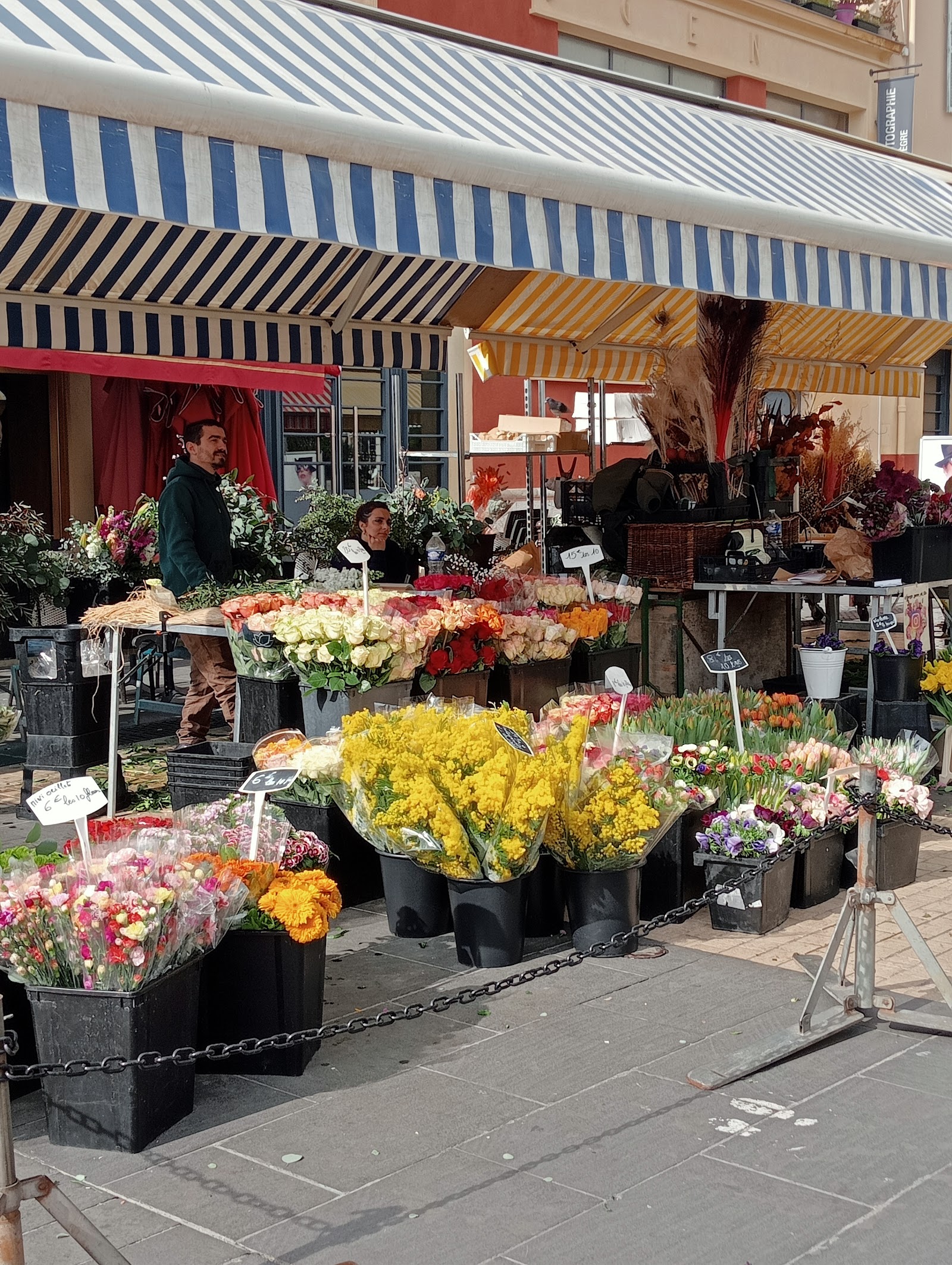
Background adapted from Wikipedia (CC BY-SA) · map data © OpenStreetMap contributors · ratings & place photos via Google · other photos with per-image credit. Ticket links may earn us a commission at no extra cost to you.