
Marseille
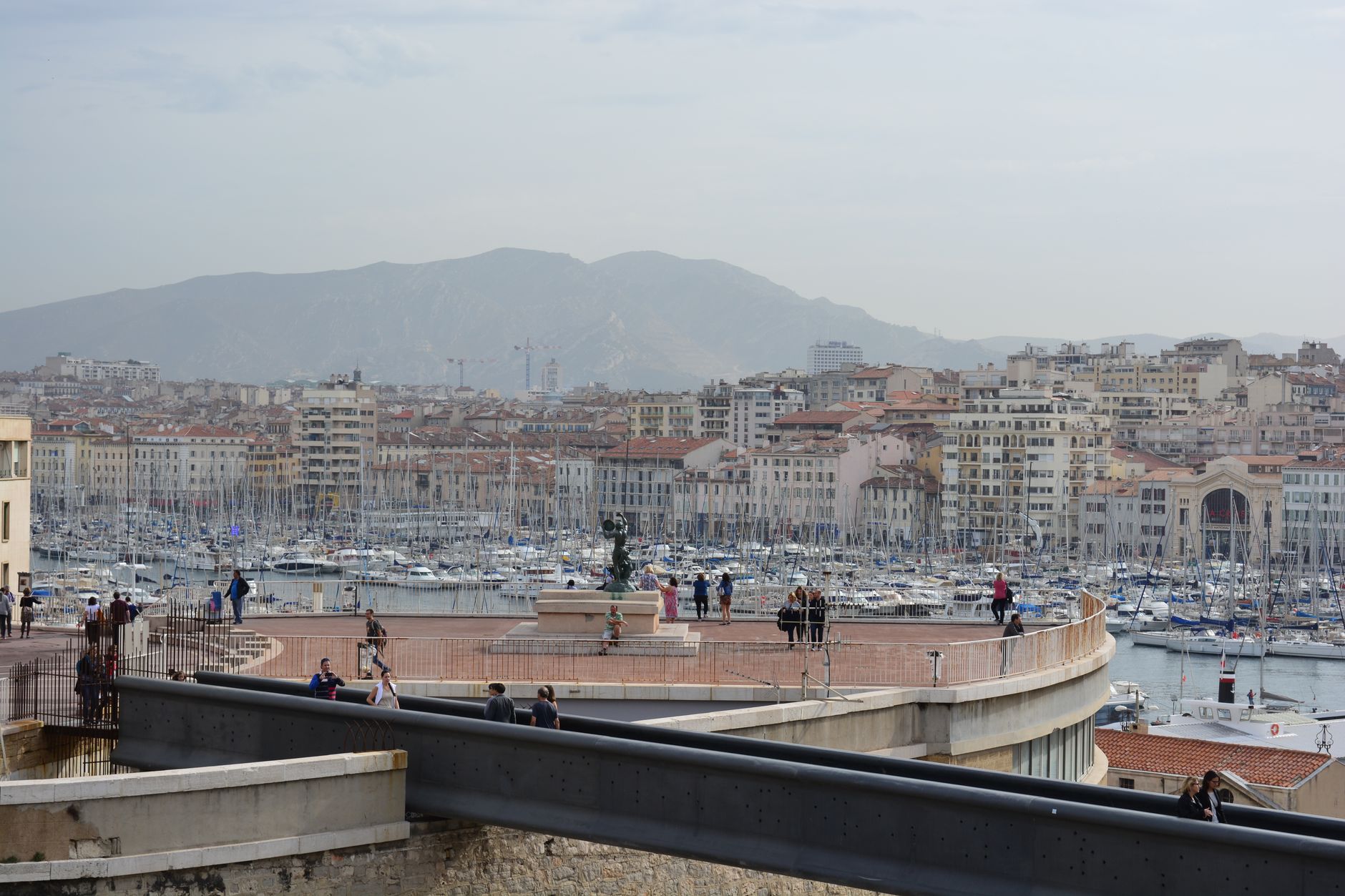
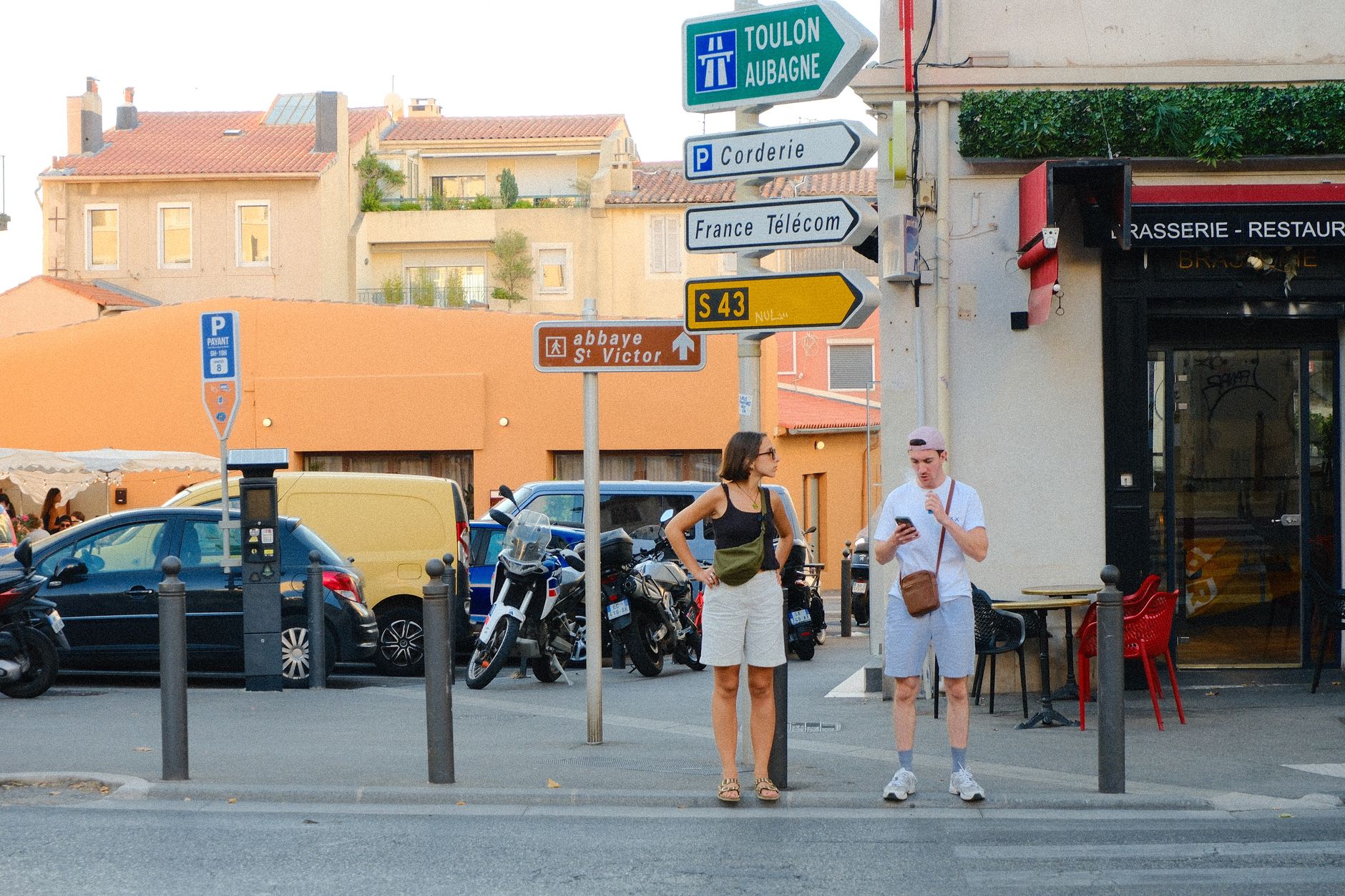

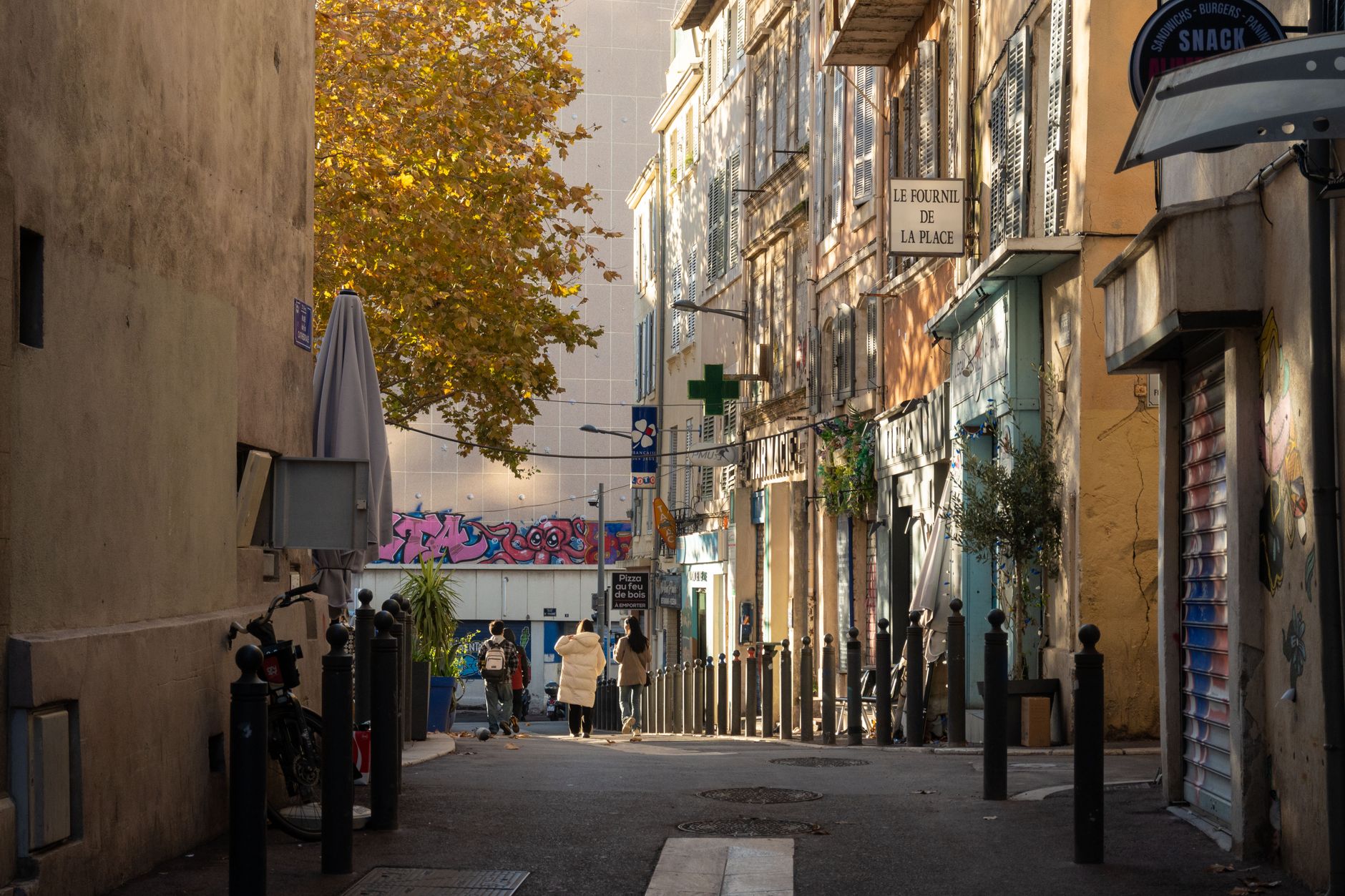
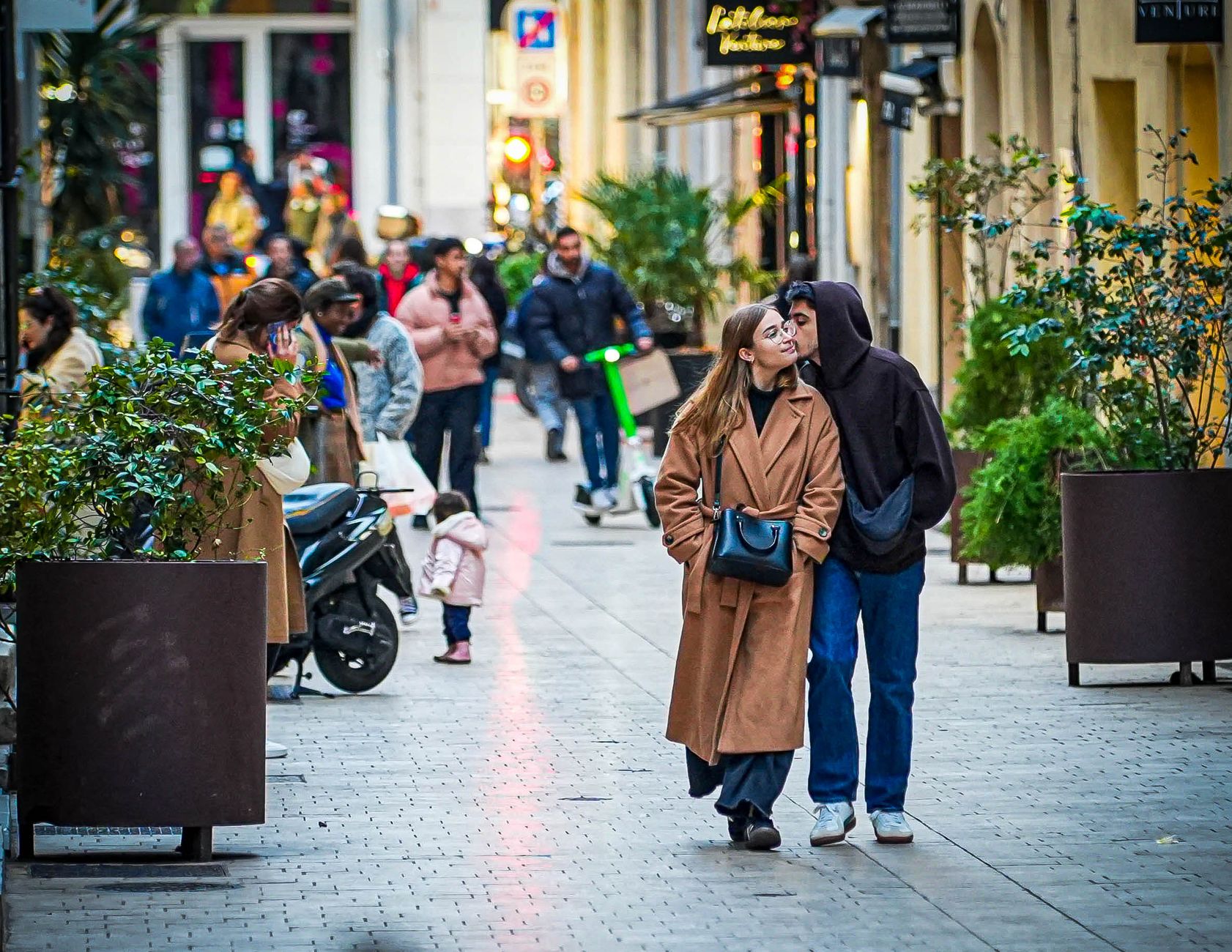
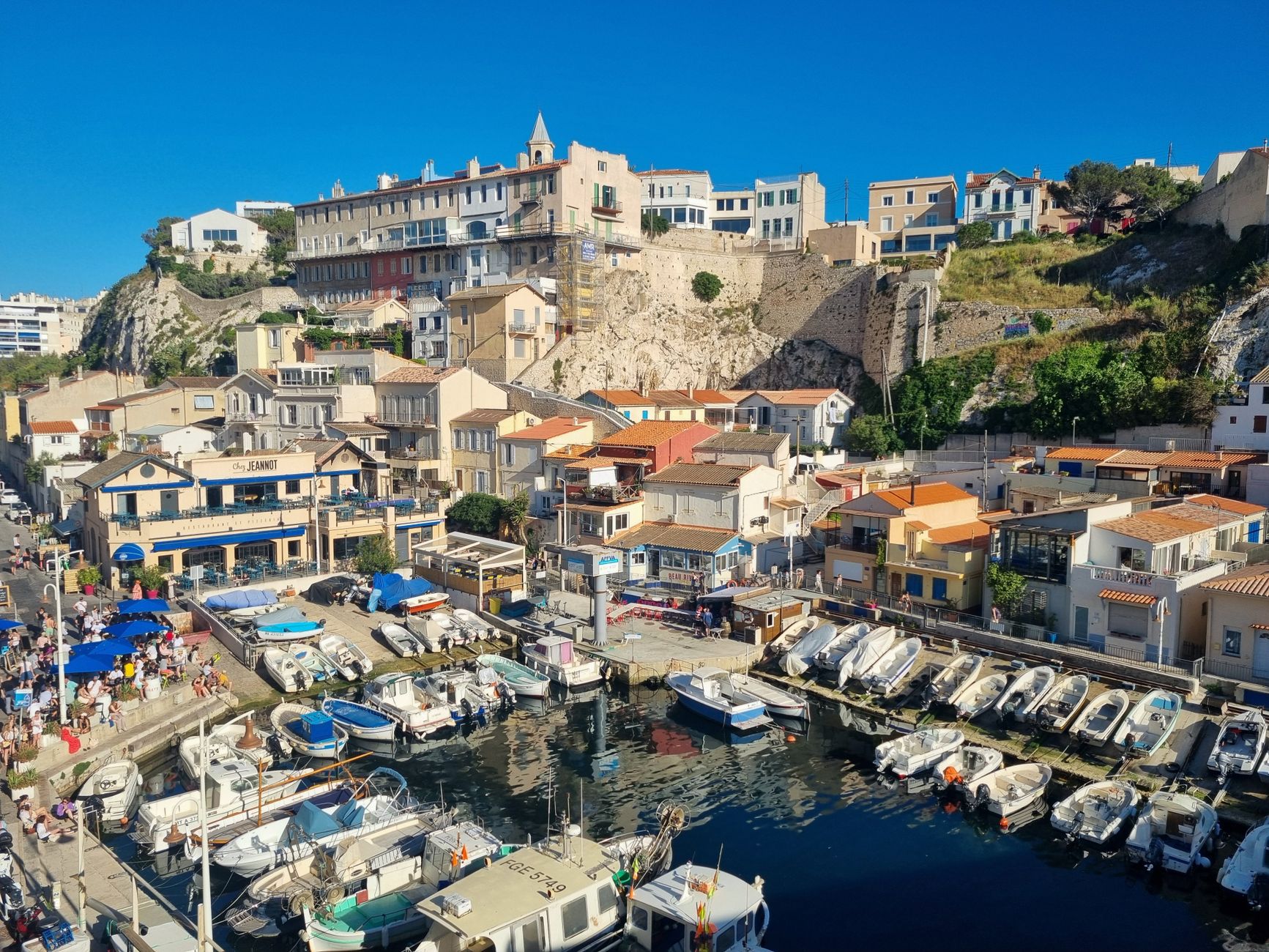
Marseille is the oldest city in France, and it carries that age the way a working port does — not in monuments alone but in the grain of the streets, the smell of salt and diesel, the particular light that bounces off limestone into the Vieux-Port. Phocaean Greeks dropped anchor here around 600 BC and decided to stay, founding a colony they called Massalia on a natural harbour at the edge of what would become Provence.
Two and a half millennia later the city remains stubbornly itself: Mediterranean before it is French, a place where the waterfront still smells of sea urchins at dawn and the hills behind it still hold the bones of Roman roads.
💛 What travellers fall for
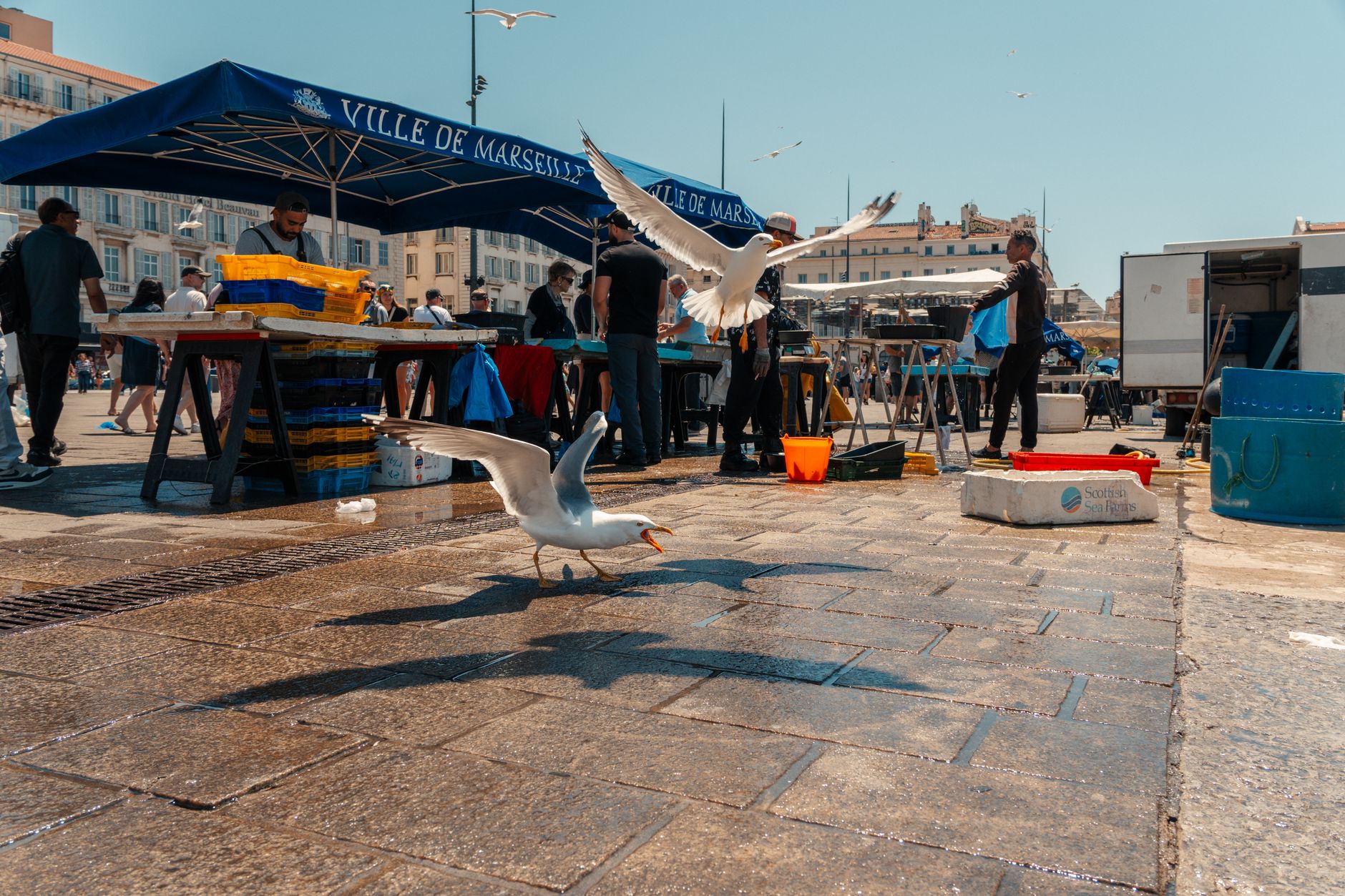
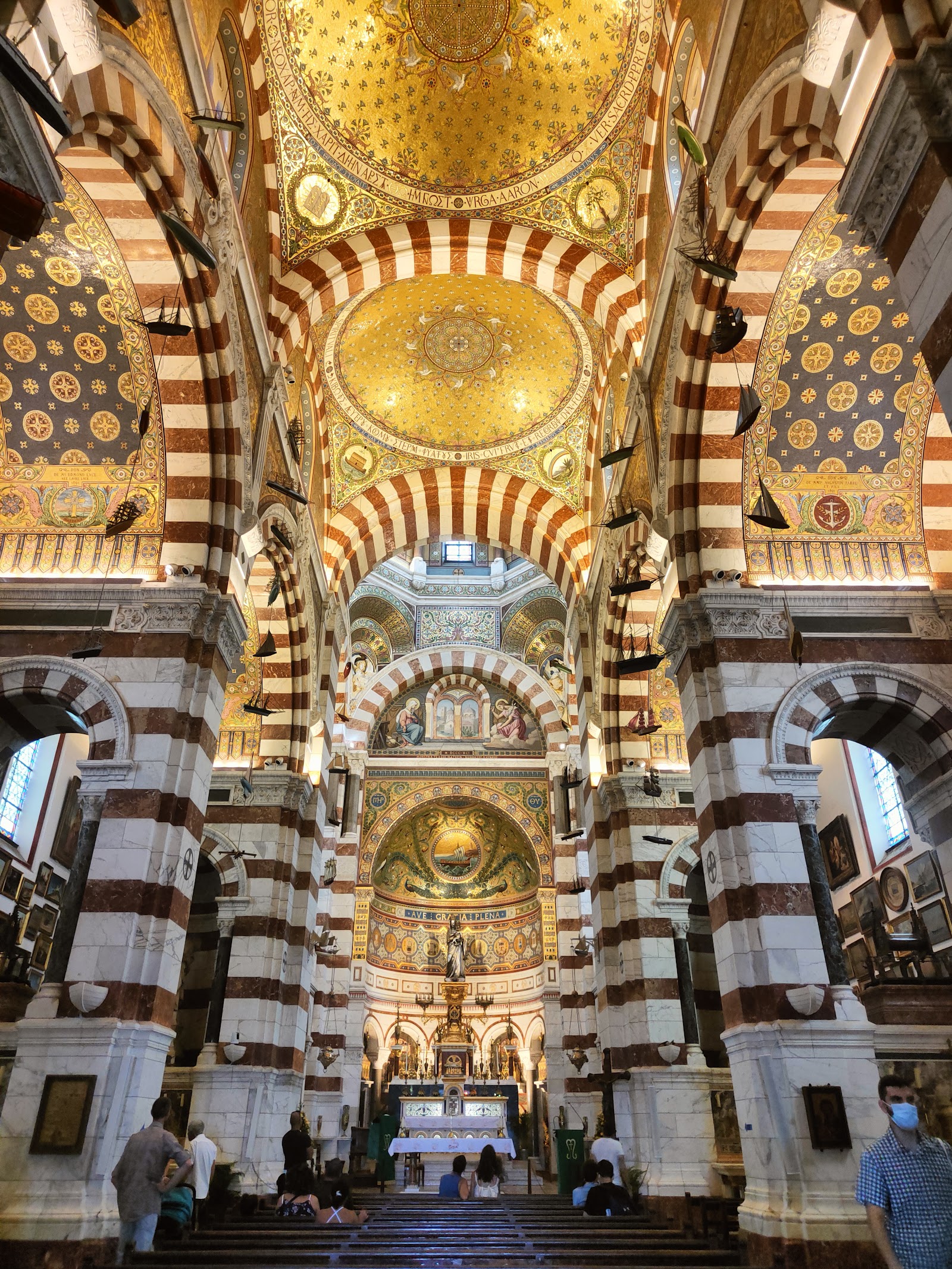
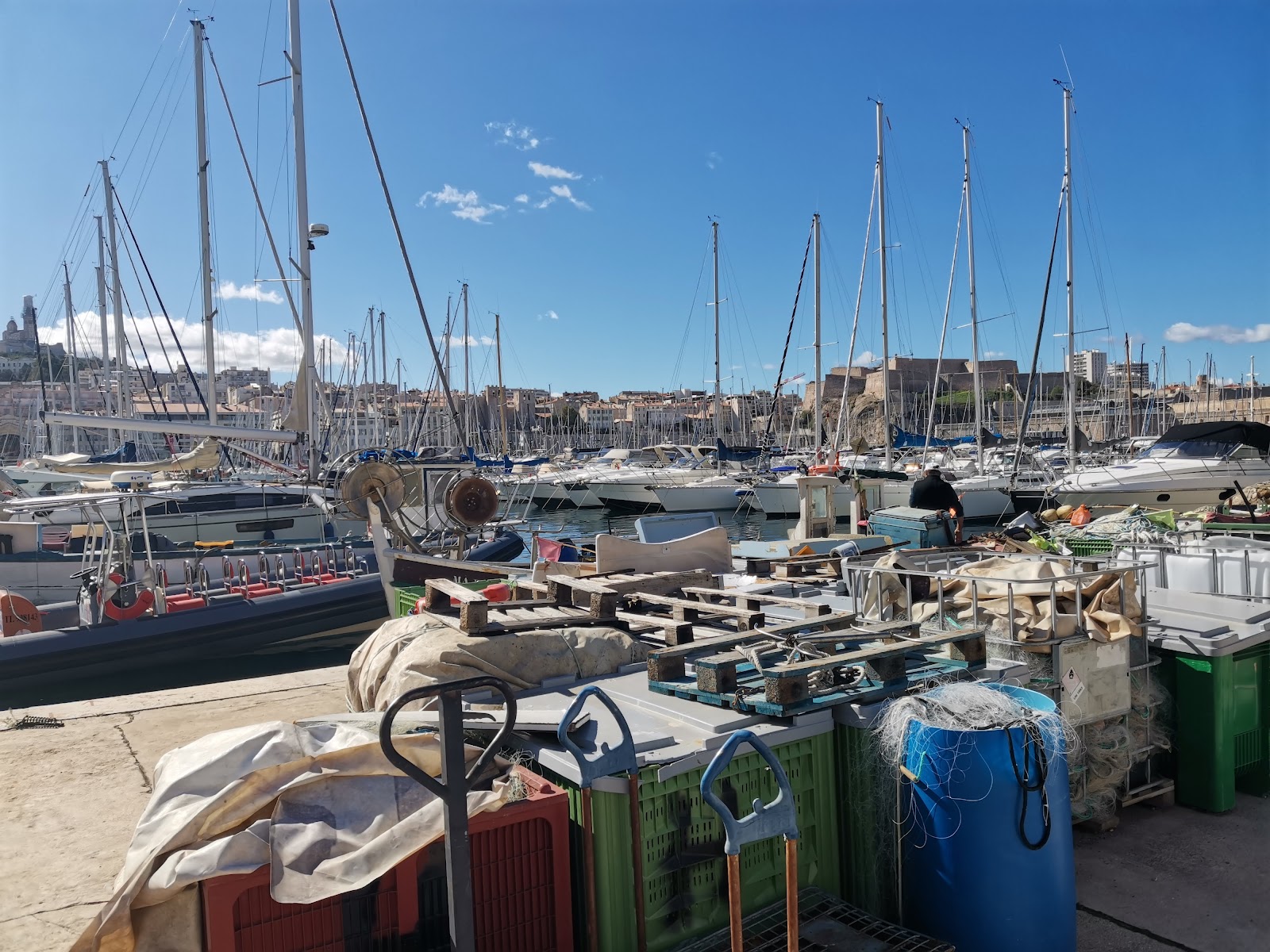
People who come back tend to time arrivals for a Tuesday or Wednesday morning, when the fish market on the Quai des Belges is running and the crowds are thinner. Notre-Dame de la Garde rewards an early visit — the basilica opens at 7 a.m., and an hour before the tour buses arrive the light through the mosaics is something else entirely.
Experiences you don't want to miss



Deals in Marseille
Book directly at the provider


How Marseille came to be
The city's founding story involves Phocaean sailors from the Aegean coast of Asia Minor who arrived around 600 BC, establishing Massalia as the dominant Greek polis in southern Gaul. They built a commercial empire across the western Mediterranean, allied with Rome against Carthage in the Second Punic War, and held onto their independence for centuries — until 49 BC, when Julius Caesar besieged the city after it backed the wrong side in his civil war.
Massalia survived Roman absorption, became an early Christian centre, fell to Visigoths in the 5th century, and was sacked by Charles Martel in 739. It took until the 10th century, under the Counts of Provence, for the city to reassert itself as a trading force — a cycle of fall and recovery it would repeat more than once.
Who and what shaped it
People who shaped it
Landmark buildings
See Marseille in motion
Plan your visit
On the map
When to go
Spring (mid-April through June) and early summer offer the most balanced conditions — warm days, clear air, and the Mistral wind at its least disruptive. July and August push into genuine heat, with July averaging 25°C and afternoon highs around 32°C; the sea reaches 21–22°C, ideal for swimming but the city itself can feel punishing at midday. November is the wettest month by some margin, with around 92 mm of rain over nine days.
↡ Attractions

Background & history adapted from Wikipedia (CC BY-SA) · specs from Wikidata (CC0) · weather from Open-Meteo · map data © OpenStreetMap contributors · photos from Wikimedia Commons / Unsplash with per-image credit. No third-party reviews or social posts reproduced.