
Abbaye Saint-Victor
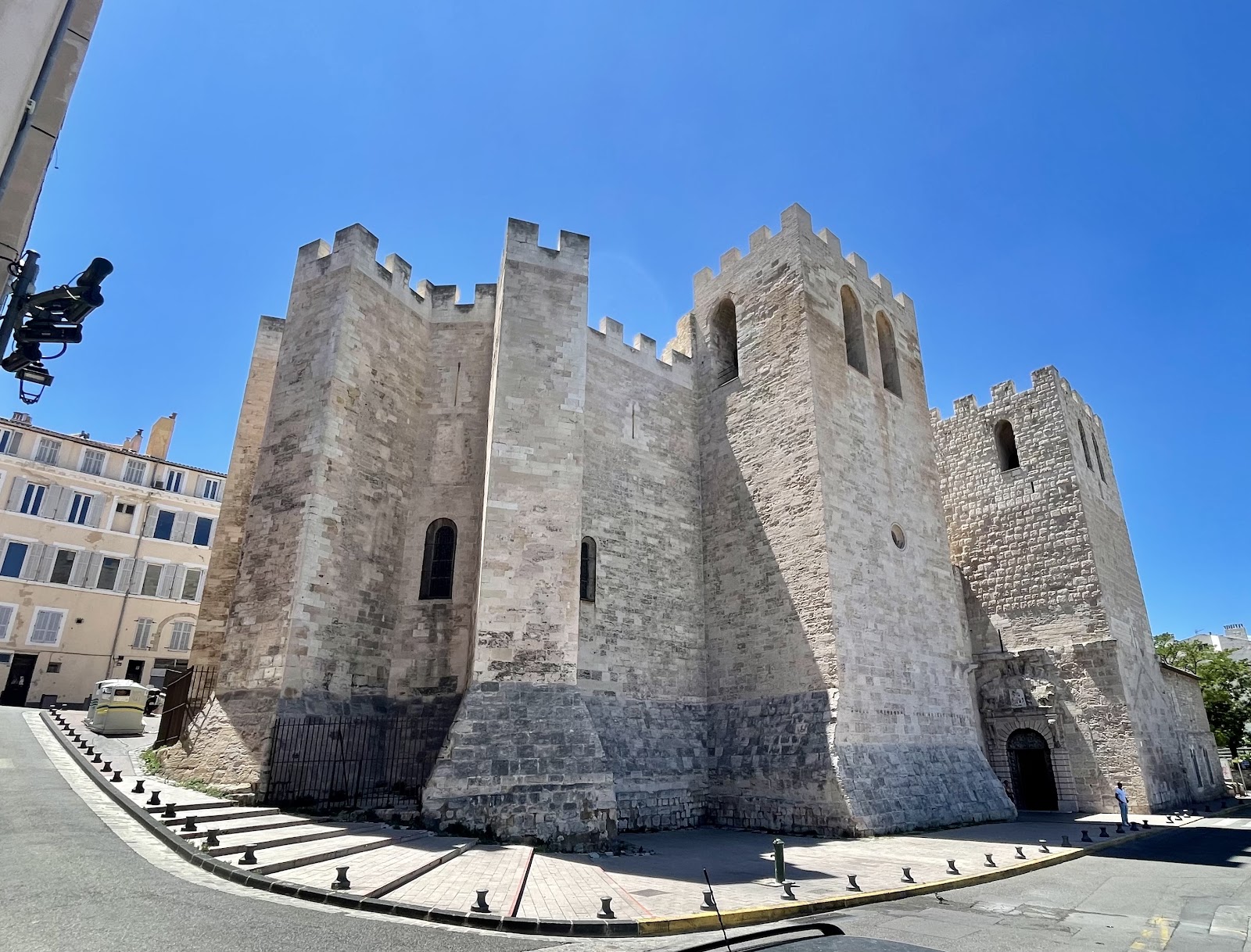
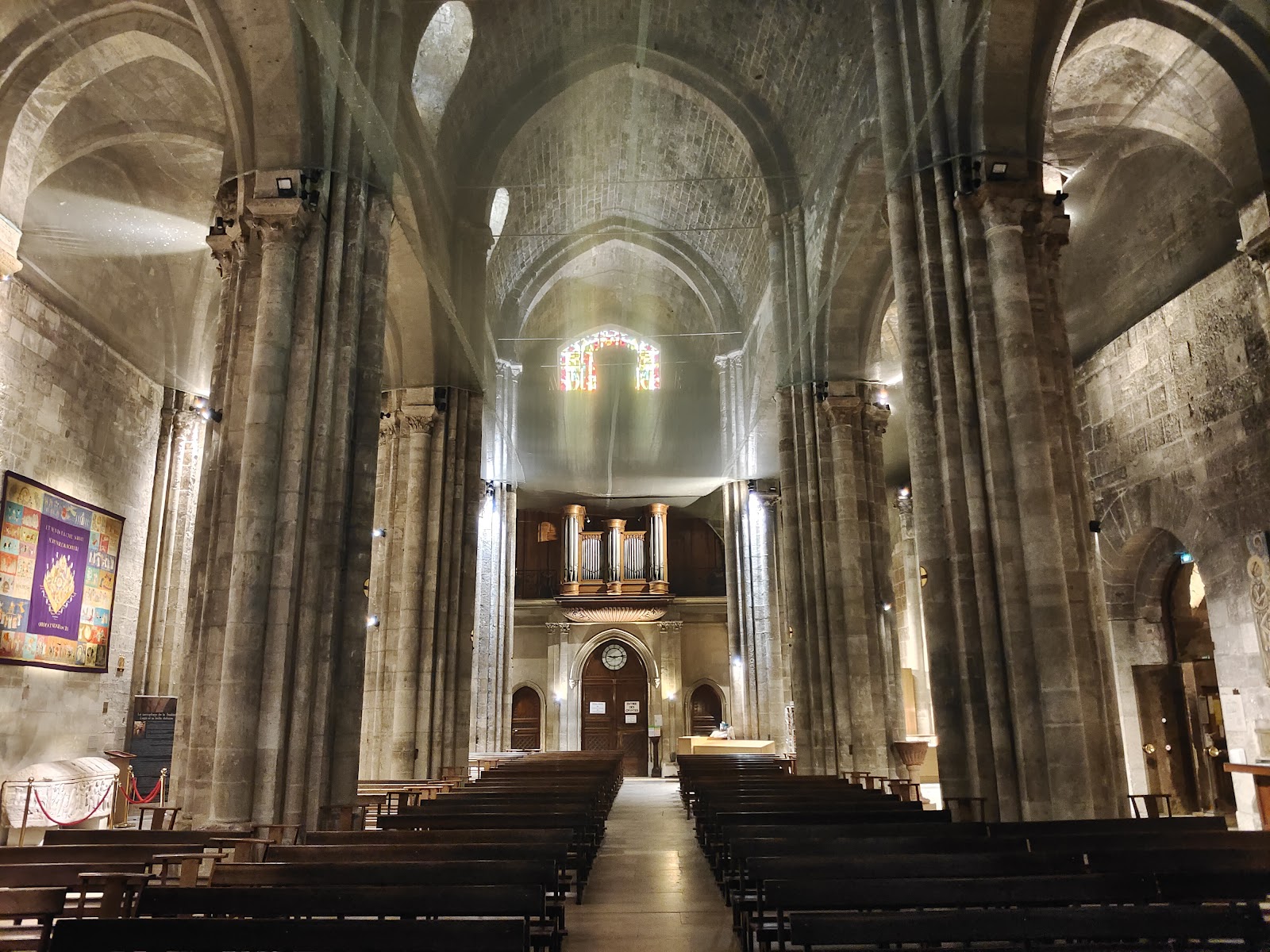
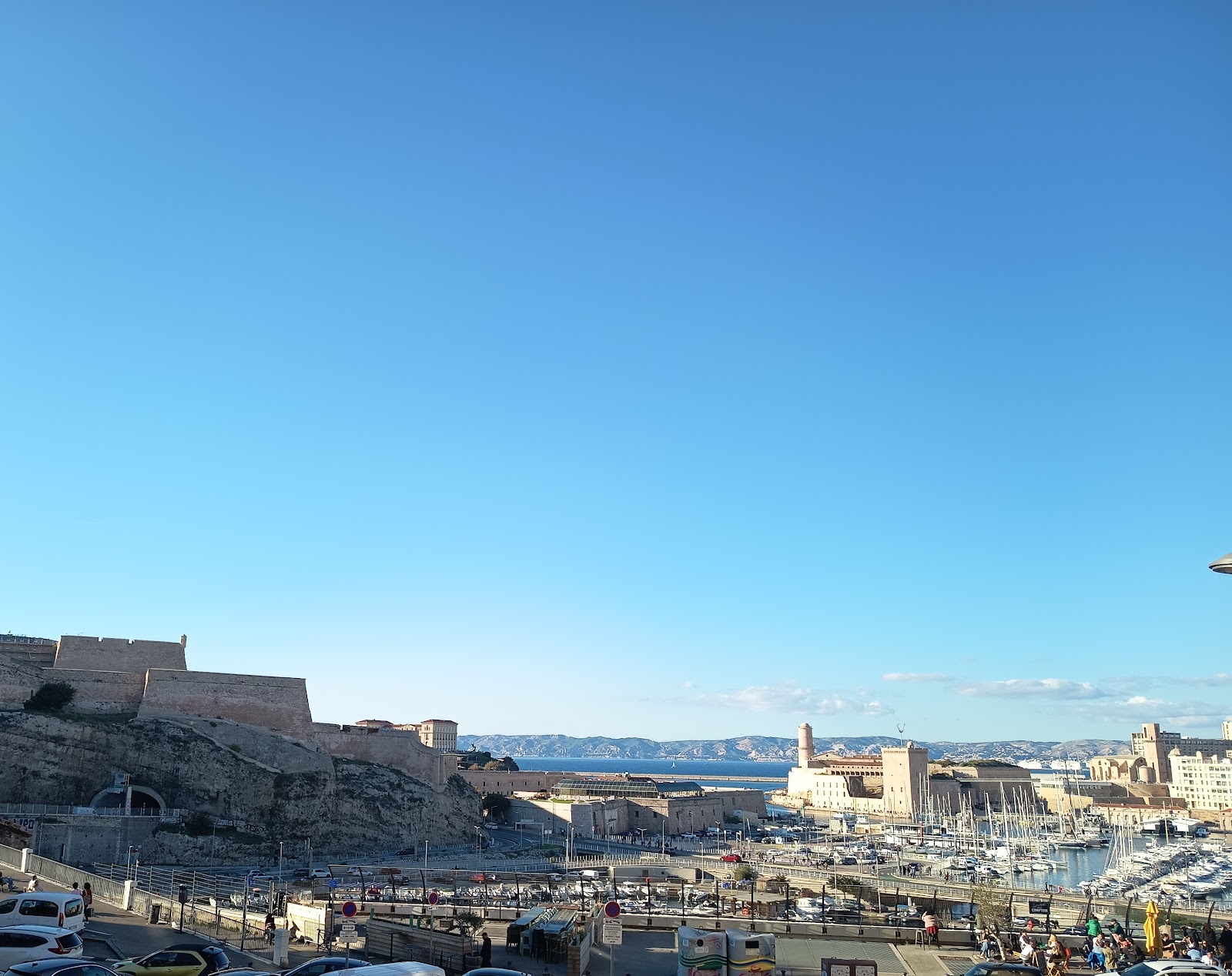
The stone here is old enough to make most of Europe feel recent. Abbaye Saint-Victor stands on the south side of the Vieux-Port, its crenellated walls and fortified towers rising like something between a church and a keep — because, at various points in its life, it has been both. Step inside and the nave drops the temperature several degrees; the Provençal Romanesque arches, dating to the 11th and 12th centuries, give way to early Gothic in the choir, a seam in the stone where centuries changed hands.
Below the church, the crypts are among the largest underground spaces in Western Christendom. Sarcophagi from the 4th and 5th centuries are stacked in layers — up to seven deep in places — some never opened. For €2, it is one of the more quietly astonishing things you can do in Marseille.
💛 What travellers fall for
People who return tend to time a visit for Candlemas on February 2nd, when a procession moves from the Vieux-Port along Rue Sainte to the abbey. The guided tours on Tuesdays and the first Saturday of the month, running 4–6pm, also reward the extra planning — the crypt reads differently with someone who knows which sarcophagi held what.
The story behind Abbaye Saint-Victor
John Cassian, a monk and theologian who had trained in Egypt, founded two monasteries in Marseille around 415 — Saint-Victor for men, Saint Sauveur for women. The site was already sacred, built over the tombs of early Christian martyrs including the soldier Victor, for whom it is named. Saracen raids destroyed the complex in 838 and again in 923; monastic life only resumed in 977 under Bishop Honorat and the first Benedictine abbot, Saint Wiffred. Construction of the upper church began in 1020 under Abbot Saint Isarn.
The abbey's most consequential patron arrived in 1361, when Guillaume Grimoard was made abbot. The following year he became Pope Urban V, and under his influence the eastern apse was rebuilt in Gothic style and the church surrounded with high crenellated walls. The Revolution stripped it of relics and silver; it served as warehouse, prison and barracks before being restored in the 19th century. Pope Pius XI elevated it to a minor basilica in 1934.
Good to know
Bus lines 54 and 81 stop at 'St Victor'; the Vieux-Port metro station is a short walk. The church is free; crypt entry costs €2, or €1 per person for groups of ten or more. Visits are not permitted during religious services, so check times before you go.
Where is Abbaye Saint-Victor?
More tickets & tours for Abbaye Saint-Victor
Book directly at the provider
What travellers say about Abbaye Saint-Victor
Gloomy, picturesque abbey with a castle exterior overlooking the harbor. The sanctuary itself is just a prelude to seeing the crypt below. That lower section dates to the fifth century and features tombs from various ages that evolved in their placement and design as the passed. There are items you can see here that are reflected in Marseille history museum across the harbor.
The Abbaye Saint-Victor (St. Victor's Abbey) is a fortified Romanesque landmark in Marseille, widely considered one of the oldest Christian sites in France. Founded in the 5th century by Saint John Cassian, it was built over an ancient necropolis housing the remains of early Christian martyrs, including its namesake, Saint Victor. Today, it serves as an active Catholic basilica and is a major historical monument overlooking the Vieux-Port (Old Port).
Fortified church that is centuries old, free entrance, 3€ to visit the crypt. Well worth the visit when in Marseille.
This is worth a visit just to go down to the crypt. It was 3 euros to enter the crypt, and worth it. It has a fascinating history. And the areas of the crypt are well documented and explained. It was hard to believe that there is a huge church above it.The church itself is also beautiful.
This is a must-go sanctuary if you're visiting Marseille, considering it dates back to the 3rd century. For a ticket of 3e, you can enter the crypt that's bellow the Abbey which shows you an authentic early Christian atmosphere. It's one of the few antique religious monuments in Marseille. In 5th century AC San Giovanni Cassio, builds a monastery above the thombs of the martyrs, and in the 11th century, superior church has been built. In the crypt is a statue of La Nostra Signora di Penitenza, which was admired and venerated especially during the Candelora holidays. In the second half of XX century the Abbey of St. Victor received an honorary title of the basilica. The crypt itself is separated in couple of spaces which serve as an exhibition rooms also. Absolutely stunning place.
More of Marseille
Discover where to stay, what to do and the best deals for your trip.
Explore Marseille →More attractions in Marseille
All of Marseille →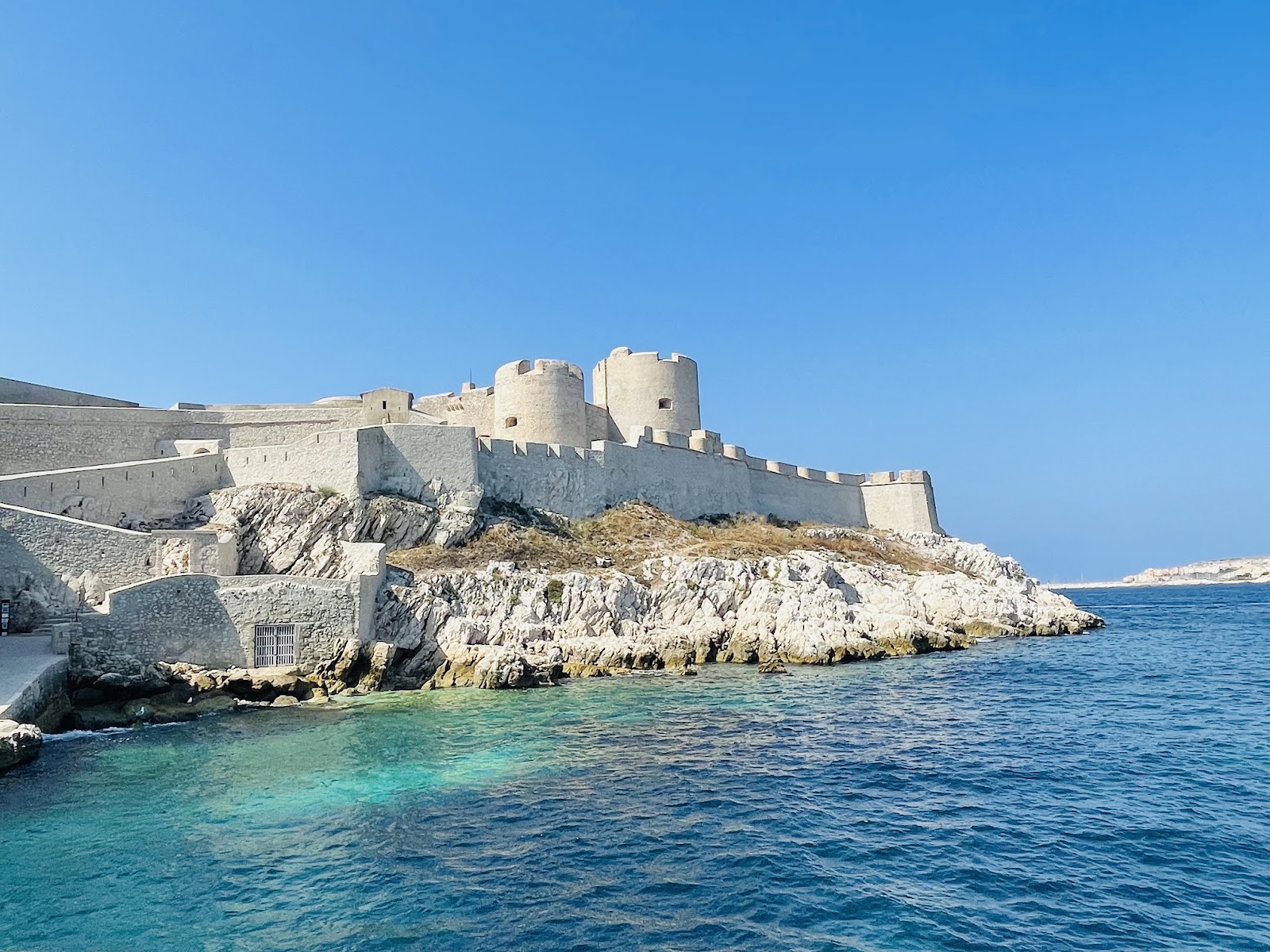
Background adapted from Wikipedia (CC BY-SA) · map data © OpenStreetMap contributors · ratings & place photos via Google · other photos with per-image credit. Ticket links may earn us a commission at no extra cost to you.