
Château d'If
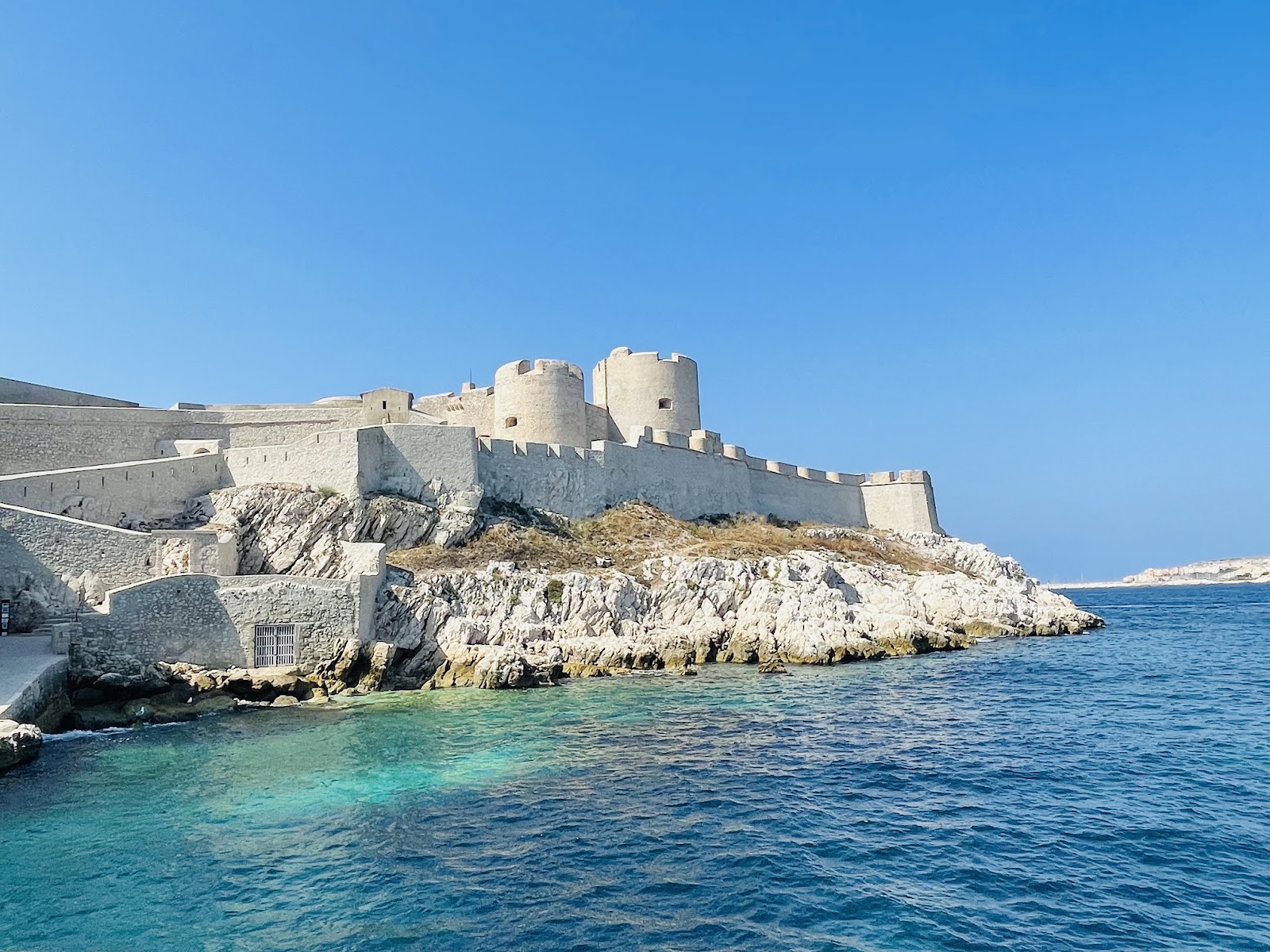
Three and a half kilometres off the Vieux-Port, a squat stone fortress sits on a three-hectare island with nowhere to hide from the wind or the sun. Château d'If is smaller than you expect — 28 metres to a side, three towers, walls that have absorbed four centuries of salt air — and the crossing takes about twenty minutes by ferry.
Most people come because of Edmond Dantès, the fictional prisoner of Alexandre Dumas whose escape tunnel you can still walk through. But the real cells held real people, and the island's isolation was the whole point.
💛 What travellers fall for
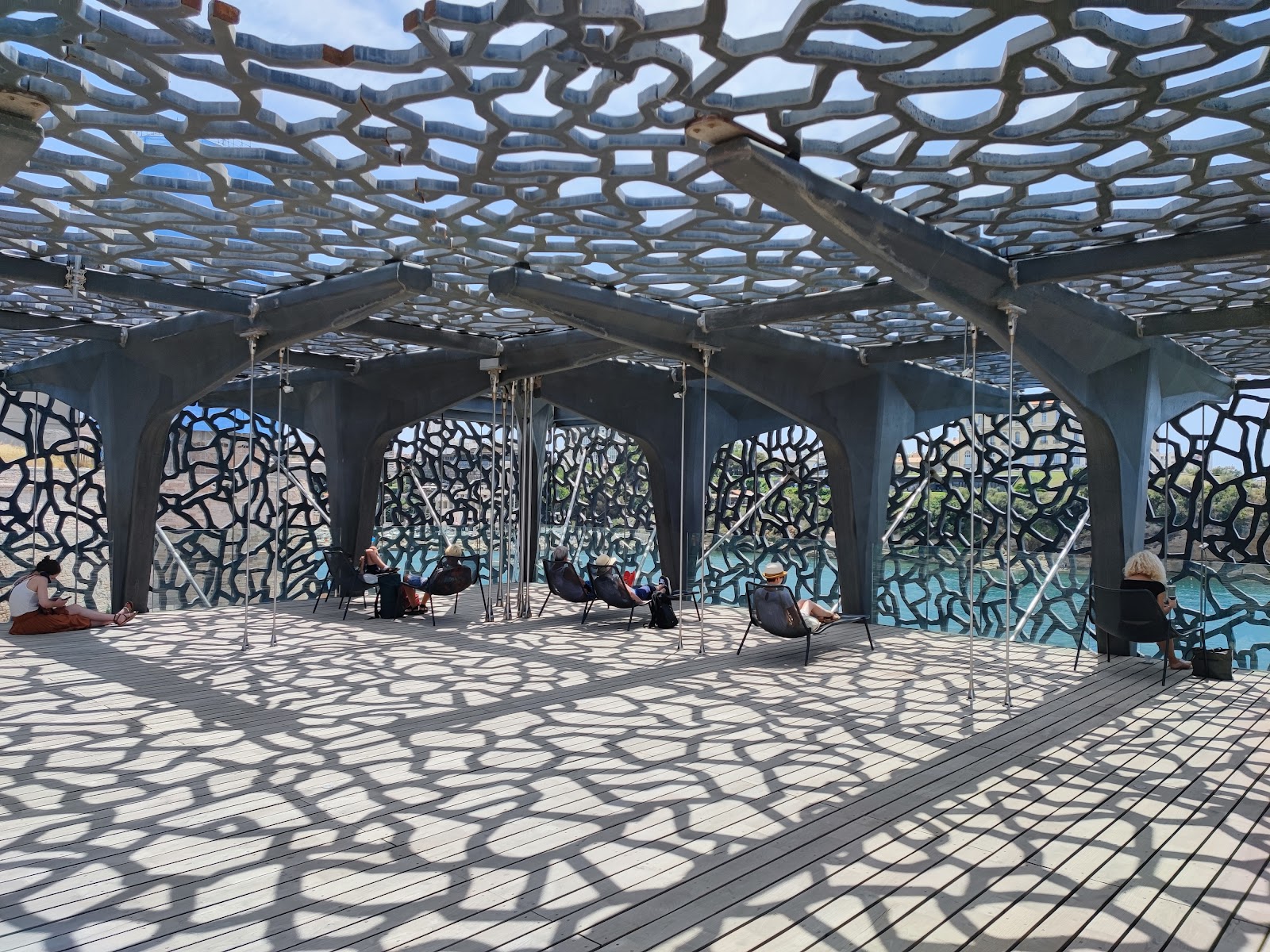
Regulars say: go early on a weekday, before the midday ferries arrive. The upper terraces empty out fast and the view back to Marseille — Notre-Dame de la Garde on its hill, the MuCEM's latticed cube at the harbour mouth — is worth the climb alone. Bring water; the island's café keeps irregular hours.
The story behind Château d'If
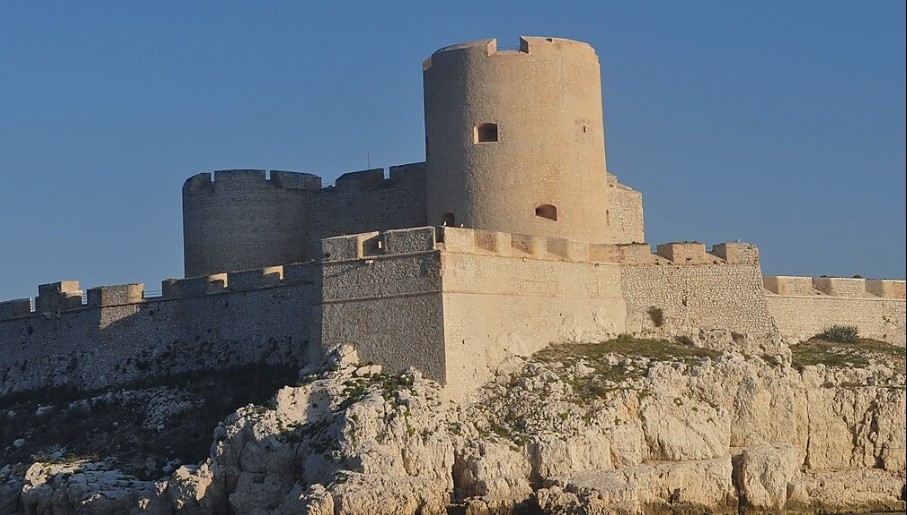
Francis I visited Marseille in 1516 and noted the Île d'If's position commanding the approaches to the harbour. Construction began in 1524 under master mason Reynier Barthelemy and was finished by 1531 — a square fortress with three towers and gun embrasures, built in the medieval idiom even as the Renaissance reshaped the rest of France.
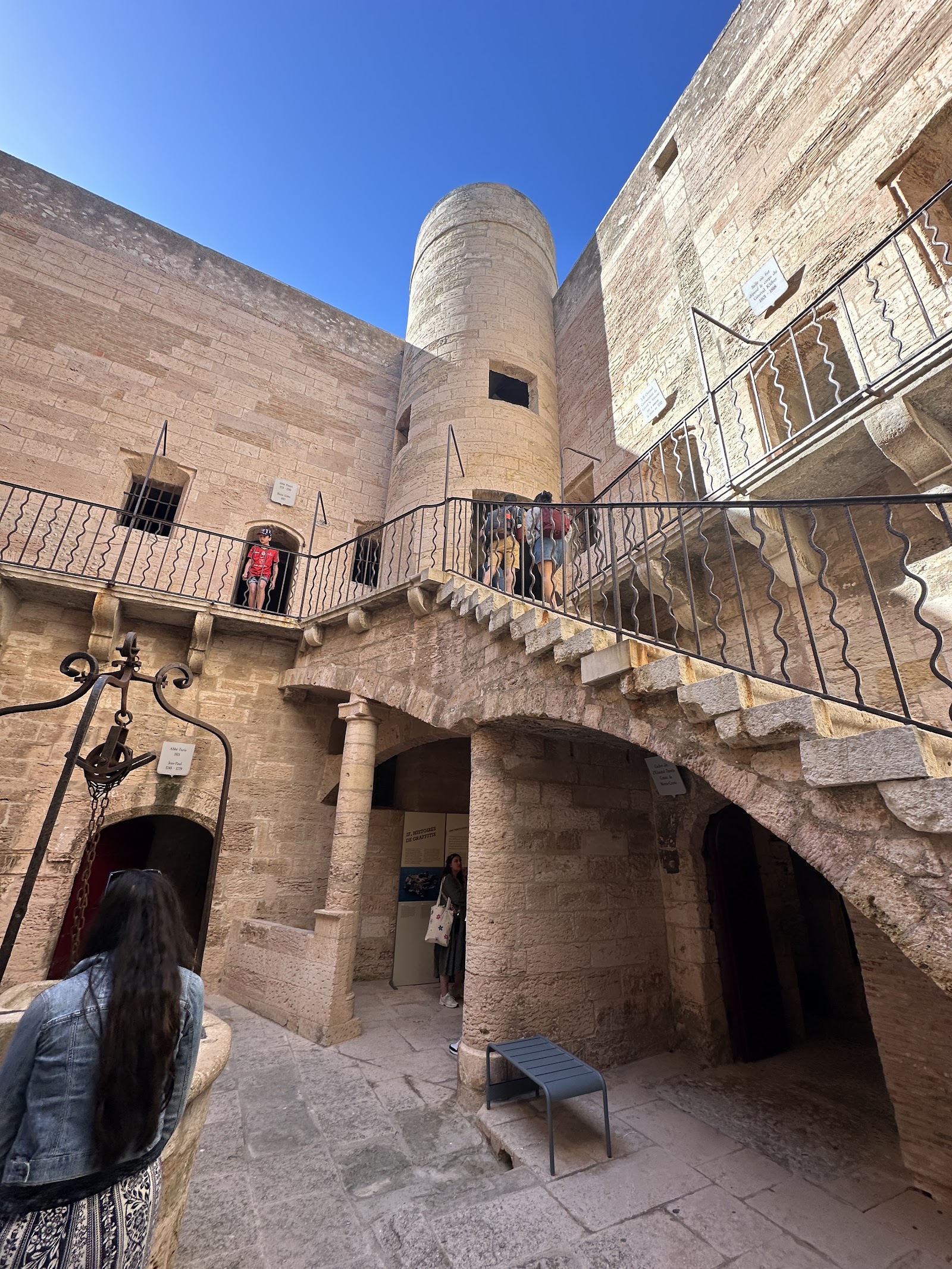
By 1540 it was already receiving prisoners. Over the following three and a half centuries, its cells held the orator Honoré de Mirabeau (1774–75), the Chevalier Anselme for plotting against the crown, and Gaston Crémieux, a leader of the Paris Commune who was shot here in 1871. General Kléber's coffin rested on the island for eighteen years. The fortress was demilitarised and opened to the public in 1890; the last prisoners left in 1914. Dumas never imprisoned a real Dantès here, but his 1844 novel fixed the place in the imagination so firmly that the château now maintains a cell in the character's name.
Good to know
Ferries leave from the lower Cannebière end of the Vieux-Port; the ride is about 20 minutes. The château closes Mondays and in bad weather — check before you go. Admission is €6, free for EU residents under 25 and on the first Sunday of the month (November through March). No lockers; large bags are prohibited.
Summer days are hot and bright, with a sea breeze that makes the exposed terraces bearable but can turn the ferry crossing choppy. Winter visits are quieter and cooler — around 11°C by day — but the château closes whenever weather makes the crossing unsafe, so check conditions before heading to the port.
Where is Château d'If?
More tickets & tours for Château d'If
Book directly at the provider
What travellers say about Château d'If
Took the ferry out to see this beautiful historic castle. Took a ferry to the island spent roughly 90 minutes there then took another ferry else where. The ferry schedule is posted and easy to plan your day around had no issues when we visited. There are stairs and a hill to walk up. Saw other people struggling with kids strollers.
We enjoyed visiting Chateau d'If a lot. The cost for the ferry ride is very reasonable and the entry ticket is also not bad, total is 18 euros per person for everything. If you are a fan of "The Count of Monte Cristo," then this is a must visit place - otherwise, the view alone from the island is amazing!
Such a small island with a Castle, but well worth the visit, the views from Marseille and Frioul Island is amazing from here. The boat trip stops here for some minutes.
Clear blue water, very famous to Count Montecristo fans. Tickets can be bought at the booth at the dock.
Amazing ferry ride out to the Château. Amazing place to visit! Loved the dome at top where the voice echos when you talk. We also loved the old graffiti from the prisoners.
More of Marseille
Discover where to stay, what to do and the best deals for your trip.
Explore Marseille →More attractions in Marseille
All of Marseille →
Background adapted from Wikipedia (CC BY-SA) · map data © OpenStreetMap contributors · ratings & place photos via Google · other photos with per-image credit. Ticket links may earn us a commission at no extra cost to you.