
Corniche Kennedy
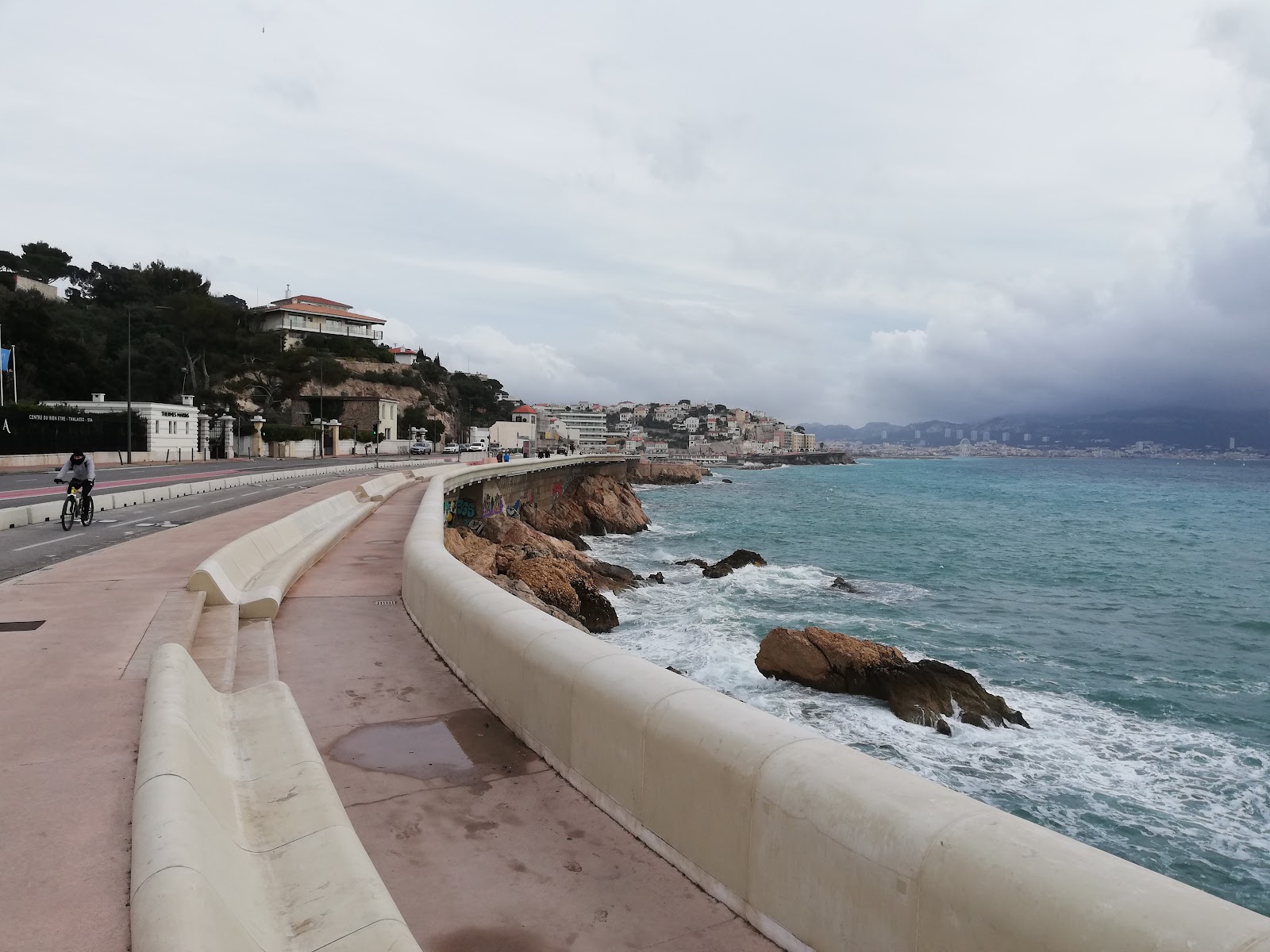
The bench alone is worth knowing about: roughly three kilometres of continuous concrete seating running along the sea, interrupted only by passages cut through so you can reach the water. Claimed since 1965 to be the longest bench in the world, it lines a road that sweeps along Marseille's western edge above a coastline of limestone and flat rock.
This is where the city faces the open Mediterranean without apology. Across the water on clear days you can make out the outline of Château d'If. Below the viaduct, the Vallon des Auffes tucks a handful of fishing boats and Michelin-starred tables into a creek so small it barely registers on a map.
💛 What travellers fall for
People who know the Corniche well take bus 83 from Vieux-Port and sit on the right-hand side going south. They get off near Vallon des Auffes, walk down under the three-arch viaduct, and check whether a table is free at one of the fish restaurants. The tide gauge at number 174, a classified historic monument that has been measuring sea level here for well over a century, is easy to walk past — worth stopping at.
The story behind Corniche Kennedy
A narrow coastal path existed here from 1863, but the Corniche as it stands today is largely a mid-century project. Between 1954 and 1968, under Mayor Gaston Defferre, the route was widened into a full panoramic boulevard. The viaduct crossing the Vallon des Auffes dates to 1861, and during its construction workers uncovered a cache of counterfeit money in the foundations — the adjacent valley still carries the name Vallon de la Fausse Monnaie.
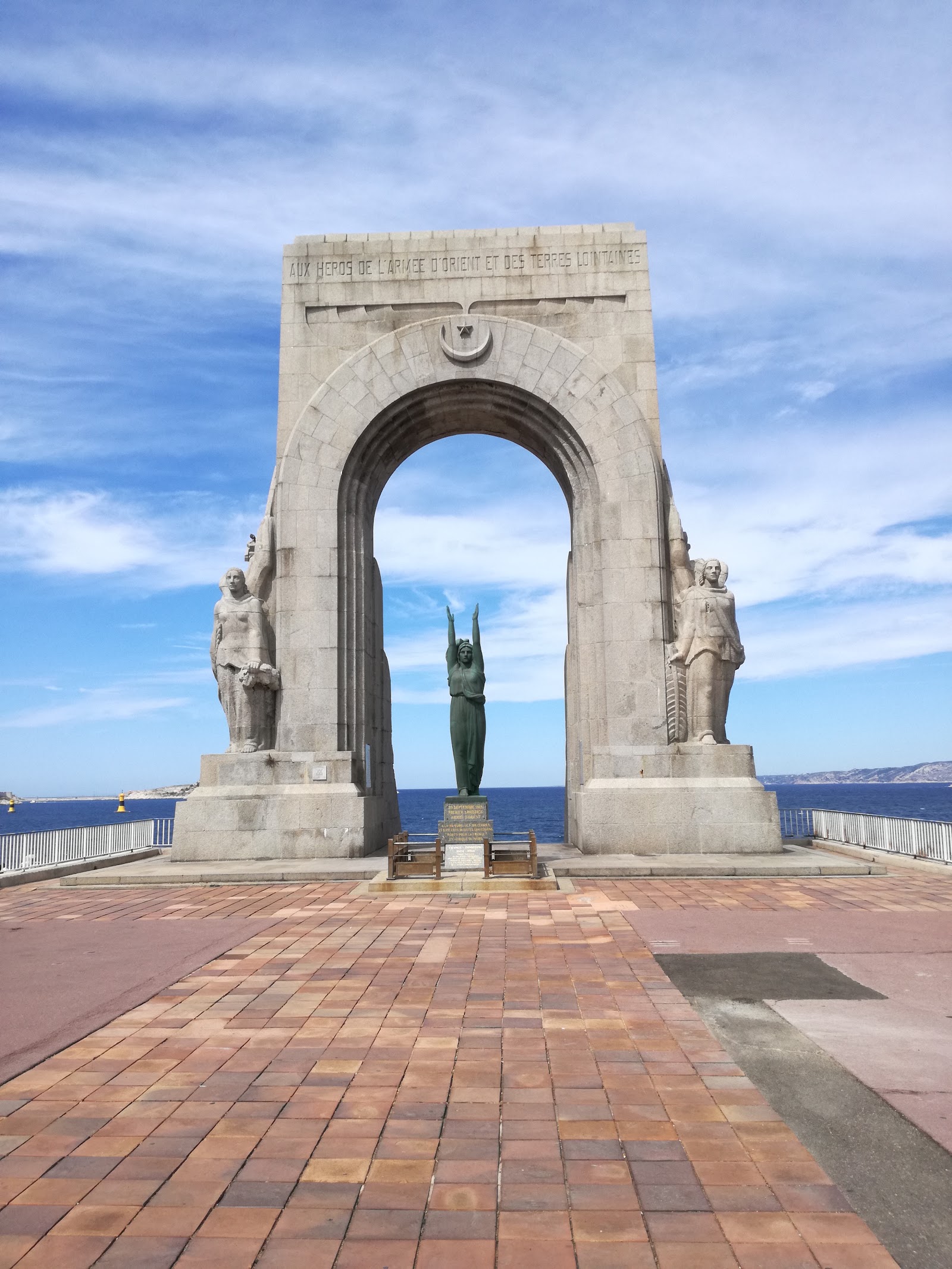
In 1963, following the assassination of President John F. Kennedy, the city renamed the road in his honour. The Monument aux Morts de l'Armée d'Orient, erected in 1927 by architect Castel and sculptor Antoine Sartorio, stands along the route as a reminder that this seafront has long been a place of civic meaning. Between 2018 and 2022 the road underwent substantial rehabilitation work to address corrosion in its structure.
Good to know
Bus 83 from Quai des Belges (Vieux-Port) is the easiest approach; sit right for the views. A 2 km cycle path runs from Plage des Catalans to Parc du Prado. One day per month the road closes entirely to cars under the 'La voie est libre' scheme — worth timing your visit around it.
Mid-April through mid-June is the steadiest window — warm enough to sit on the bench in the evening, dry enough to count on. September and early October bring a warm sea and noticeably thinner crowds. Winters are mild but the wind off the water can exceed 100 kph, which transforms the experience entirely.
Where is Corniche Kennedy?
Location
- In Marseille
- 43.2780, 5.3580
- Open in Google Maps
More tickets & tours for Corniche Kennedy
Book directly at the provider
More of Marseille
Discover where to stay, what to do and the best deals for your trip.
Explore Marseille →More attractions in Marseille
All of Marseille →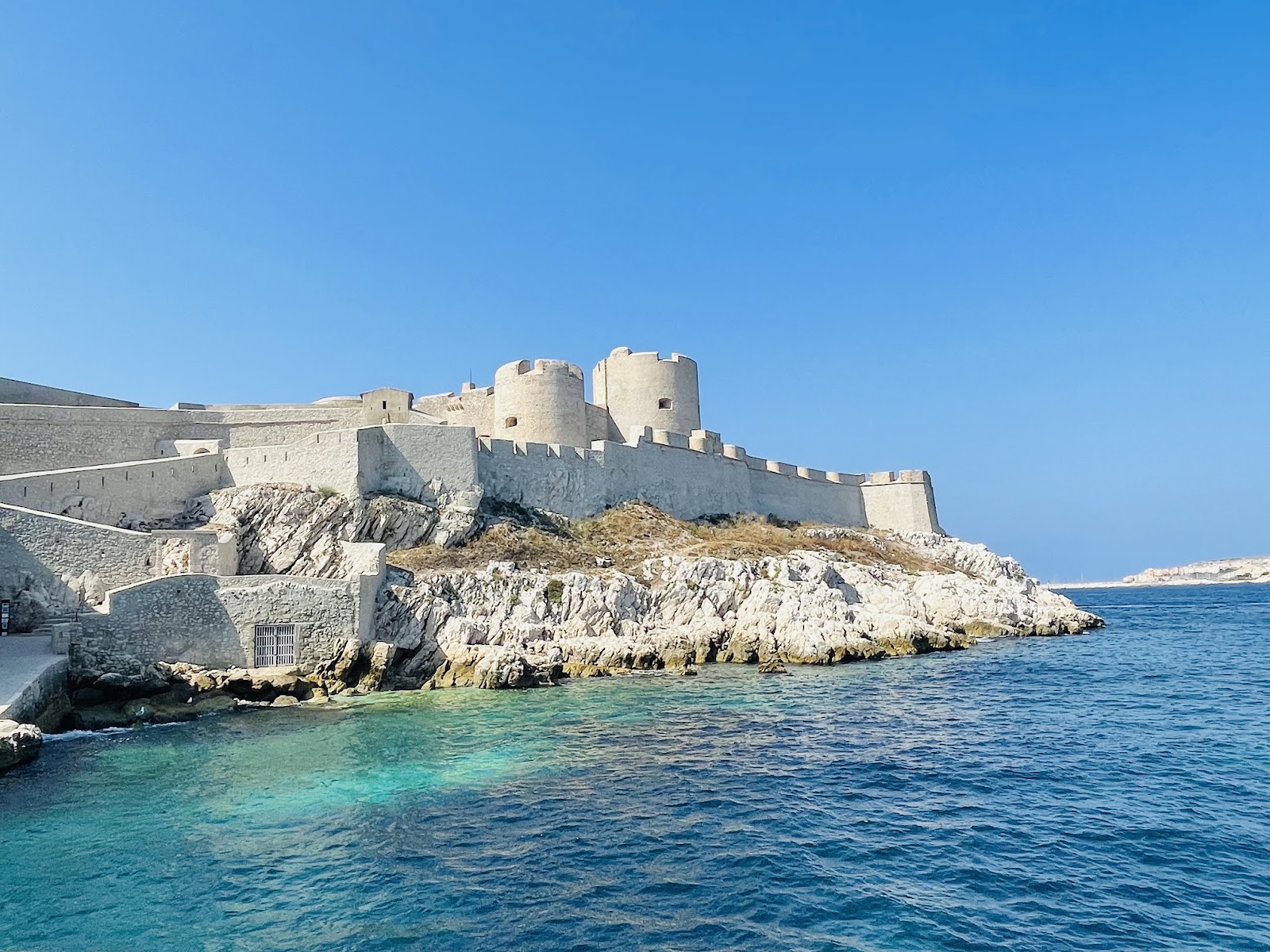
Background adapted from Wikipedia (CC BY-SA) · map data © OpenStreetMap contributors · ratings & place photos via Google · other photos with per-image credit. Ticket links may earn us a commission at no extra cost to you.