
Vieux-Port de Marseille
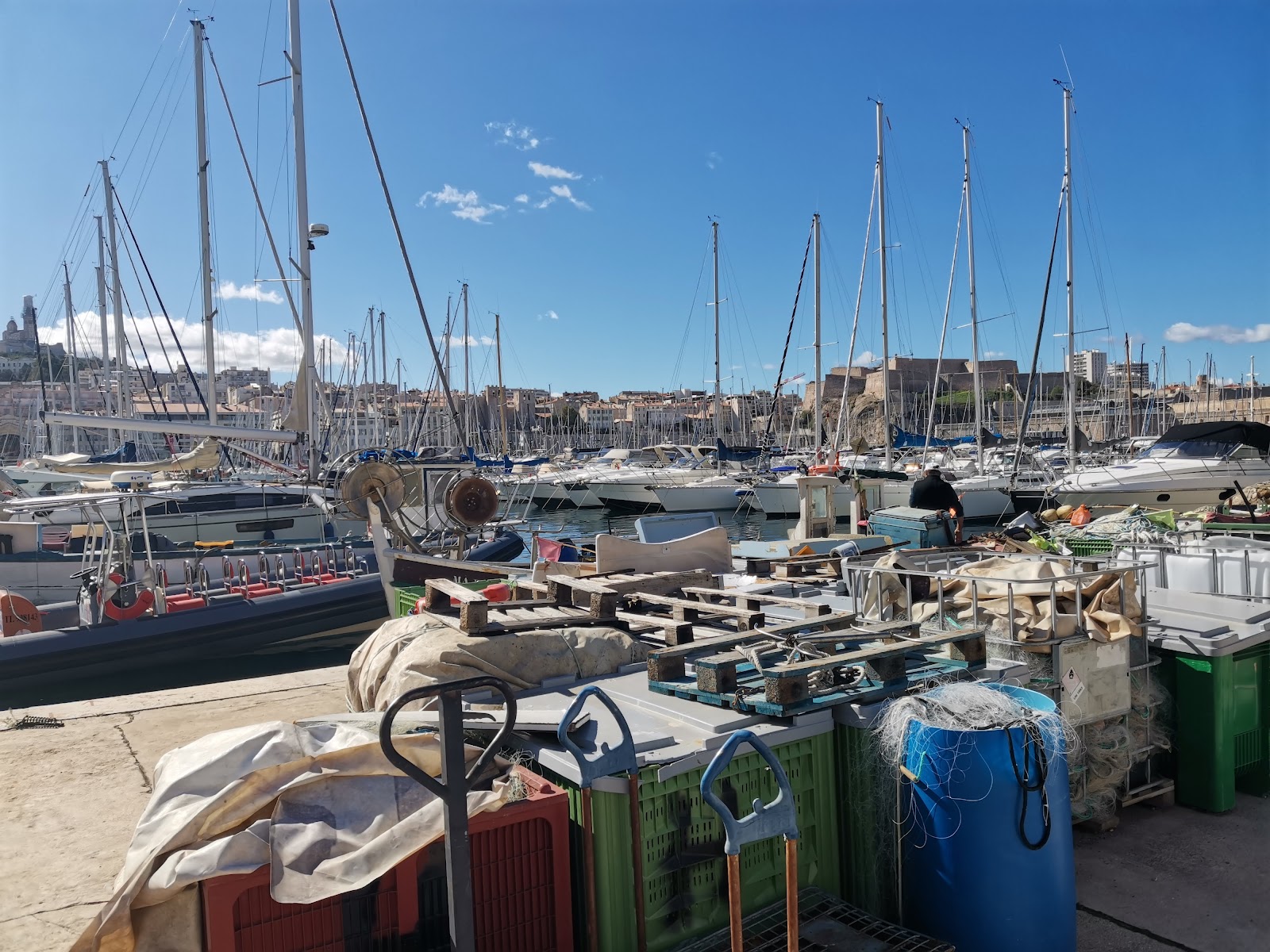
The fish market opens at half past seven, and by eight the quayside already smells of brine and ice and the particular diesel of small boats. The Vieux-Port has been a working harbour since Greek settlers from Phocaea pulled into this rocky cove around 600 BC, and something of that original purpose still holds — even if the galleons and galleys are long gone and the catch now sells beside tourists drinking coffee.
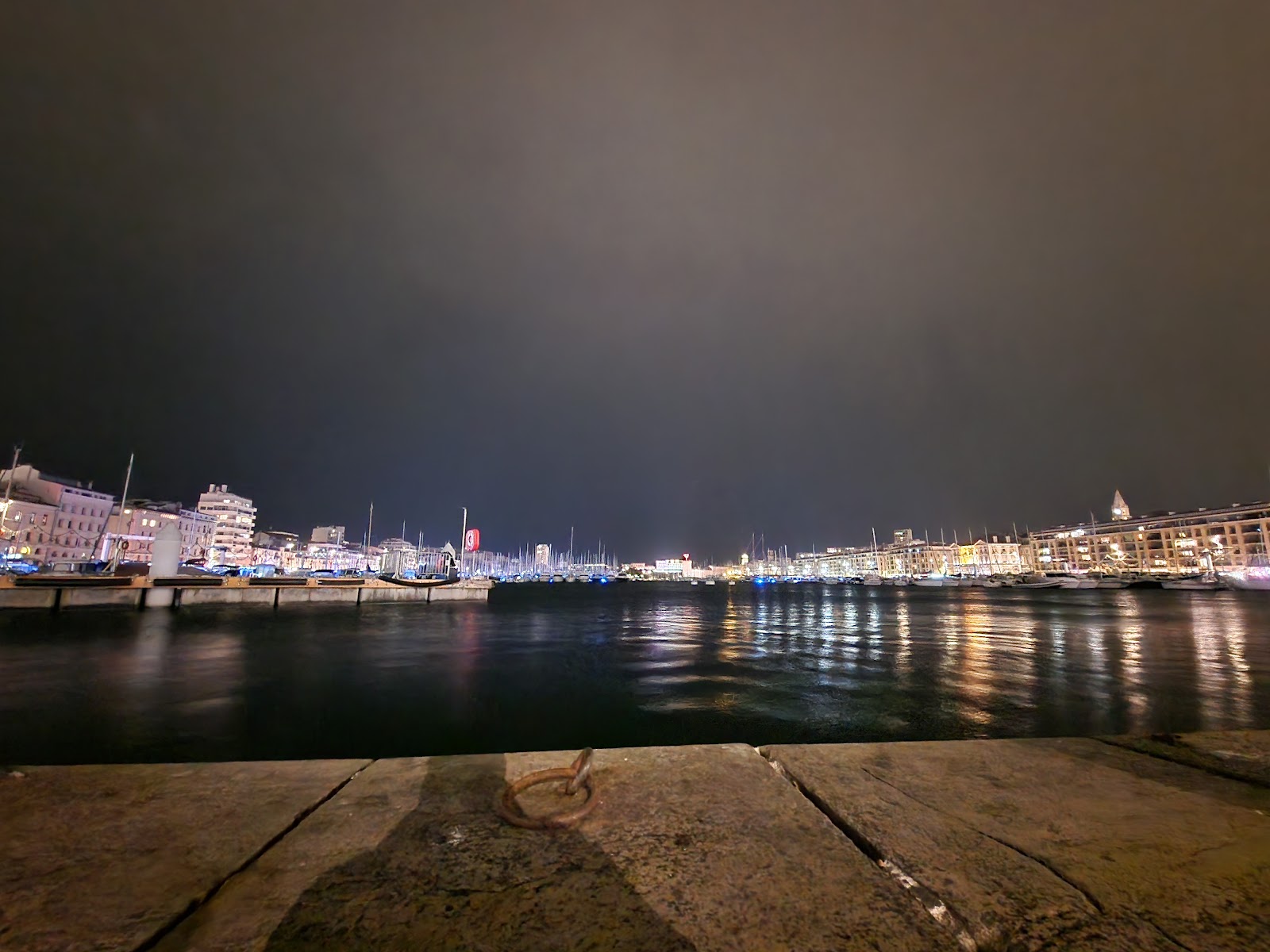
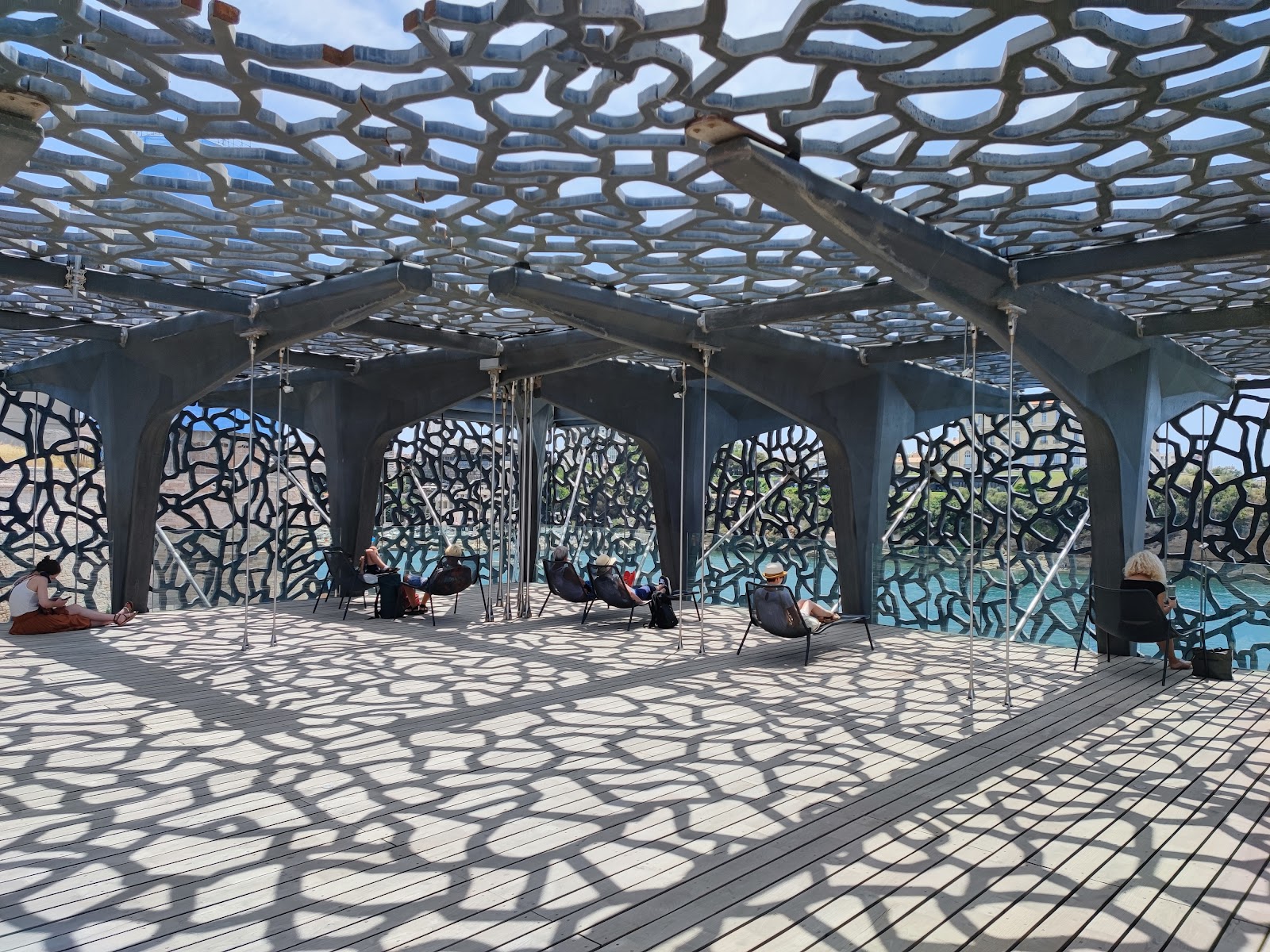
The port is roughly rectangular, about a kilometre deep, with the two forts standing guard at its mouth. Walk its full perimeter and you pass Roman foundations, a 17th-century city hall in pink stone, a flower market on Tuesday and Saturday mornings, and Norman Foster's mirrored steel canopy — the Ombrière — reflecting the whole scene back at you in rippling silver.
💛 What travellers fall for
People who return tend to catch the ferry-boat — the little solar-powered vessel that has crossed between the Mairie and Place aux Huiles since 1880 — just for the two-minute ride and the view back toward the forts. Early morning on the fish market side, before the stalls pack up at half twelve, is when the port feels most itself.
The story behind Vieux-Port de Marseille
Phocaean Greeks founded Massalia here around 600 BC, making this one of the oldest continuously used harbours in the western Mediterranean. Quays were built under Louis XII and Louis XIII; Louis XIV, punishing the city after a civic revolt, ordered Fort Saint-Jean and Fort Saint-Nicolas raised at the harbour mouth and planted an arsenal inside the port itself.
The 20th century left deeper marks. In January 1943, Nazi forces — with French police assistance — dynamited a large section of the old quarter flanking the port and destroyed the transporter bridge, a beloved metal span inaugurated in 1905. Architect Fernand Pouillon took charge of reconstruction in 1948. The port became largely pedestrian in 2013, the year Marseille held the European Capital of Culture title.

Good to know
Metro Line 1 (Vieux-Port–Hôtel de Ville) drops you at the water's edge. The port itself is free and open around the clock. Give yourself at least two hours; half a day if you plan to cross into Fort Saint-Jean or MuCEM next door. Fort Saint-Jean closes Tuesdays.
Summer (June–August) brings reliable heat and strong light that makes the water almost painfully bright by midday — the Ombrière earns its name. Spring and autumn are easier for long walks along the quays. The Mistral wind can arrive in any season, cold and sudden, sweeping the port clear of haze and knocking over café chairs in equal measure.
Where is Vieux-Port de Marseille?
More tickets & tours for Vieux-Port de Marseille
Book directly at the provider
What travellers say about Vieux-Port de Marseille
I loved walking around the Vieux Port. It’s one of those places where you instantly feel the pulse of the city — boats moving, people talking, a mix of sea air and street noise that somehow feels calming. I could just sit there and watch everything happening around me. In the evening the light is beautiful, and the whole area feels warm and alive. It’s the part of Marseille I enjoyed the most.
The Vieux-Port has a really lively vibe. There are boats everywhere, lots of restaurants, and people just walking around enjoying the area. It’s a great place to spend some time, especially in the evening. Feels like the heart of the city.
Great location to watch the sunset go down. A few food stands (i.e. Crepes) and some live music and dancers.
Located in southern France, Marseille is the country's second-most populous city and its oldest, founded around 600 BC by Greek sailors. The Old Port of Marseille has been the historical heart and nerve center of the city since its founding by the Greeks around 600 BC, serving as a commercial port until the 19th century and today with its fish market, its bustling quays, its restaurants and iconic sites like Fort Saint-Jean.
Great for a walk and look around had a lovely meal down by the port watching the world go by
More of Marseille
Discover where to stay, what to do and the best deals for your trip.
Explore Marseille →More attractions in Marseille
All of Marseille →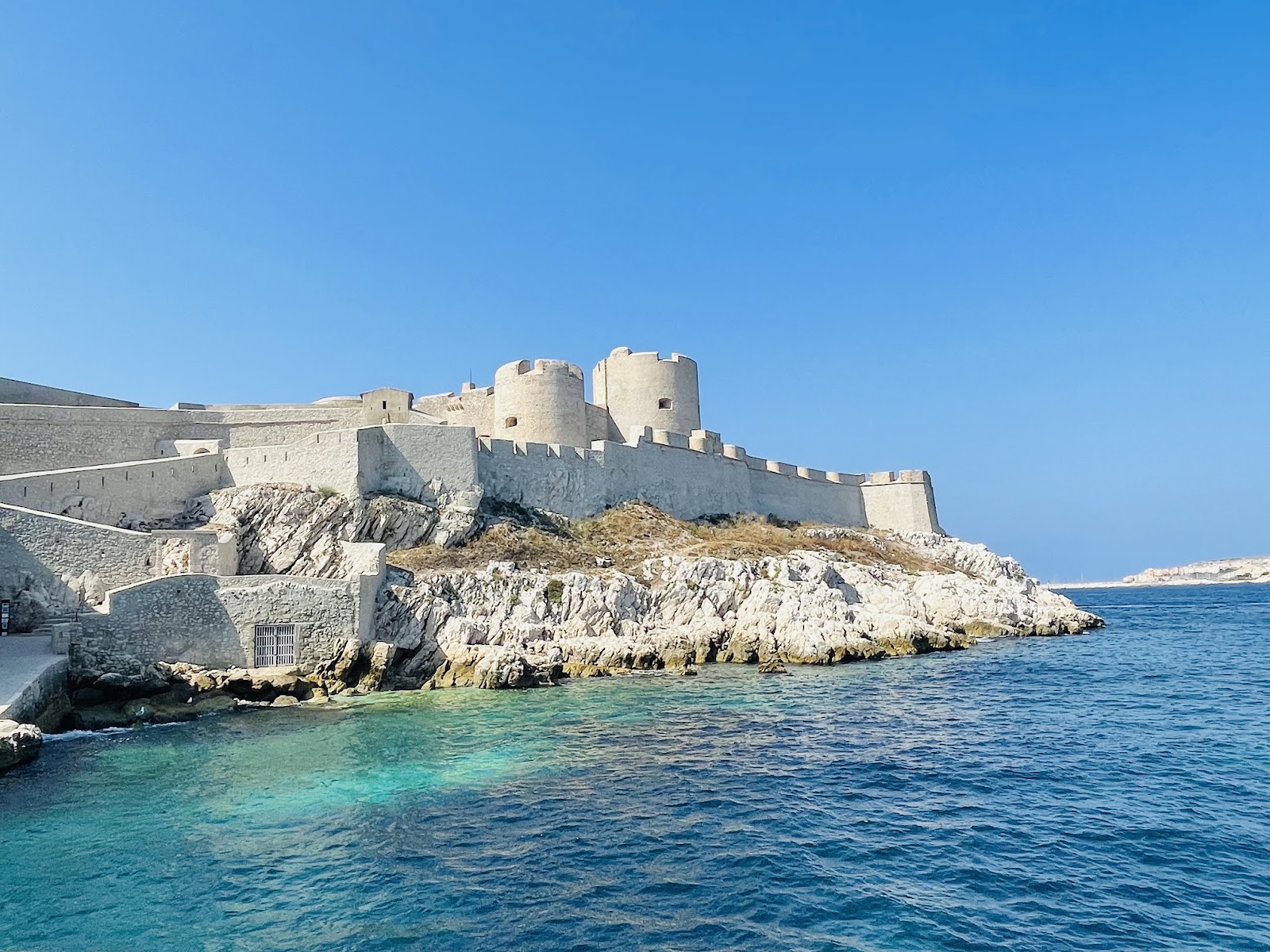
Background adapted from Wikipedia (CC BY-SA) · map data © OpenStreetMap contributors · ratings & place photos via Google · other photos with per-image credit. Ticket links may earn us a commission at no extra cost to you.