
French Alps (Mont Blanc Region)


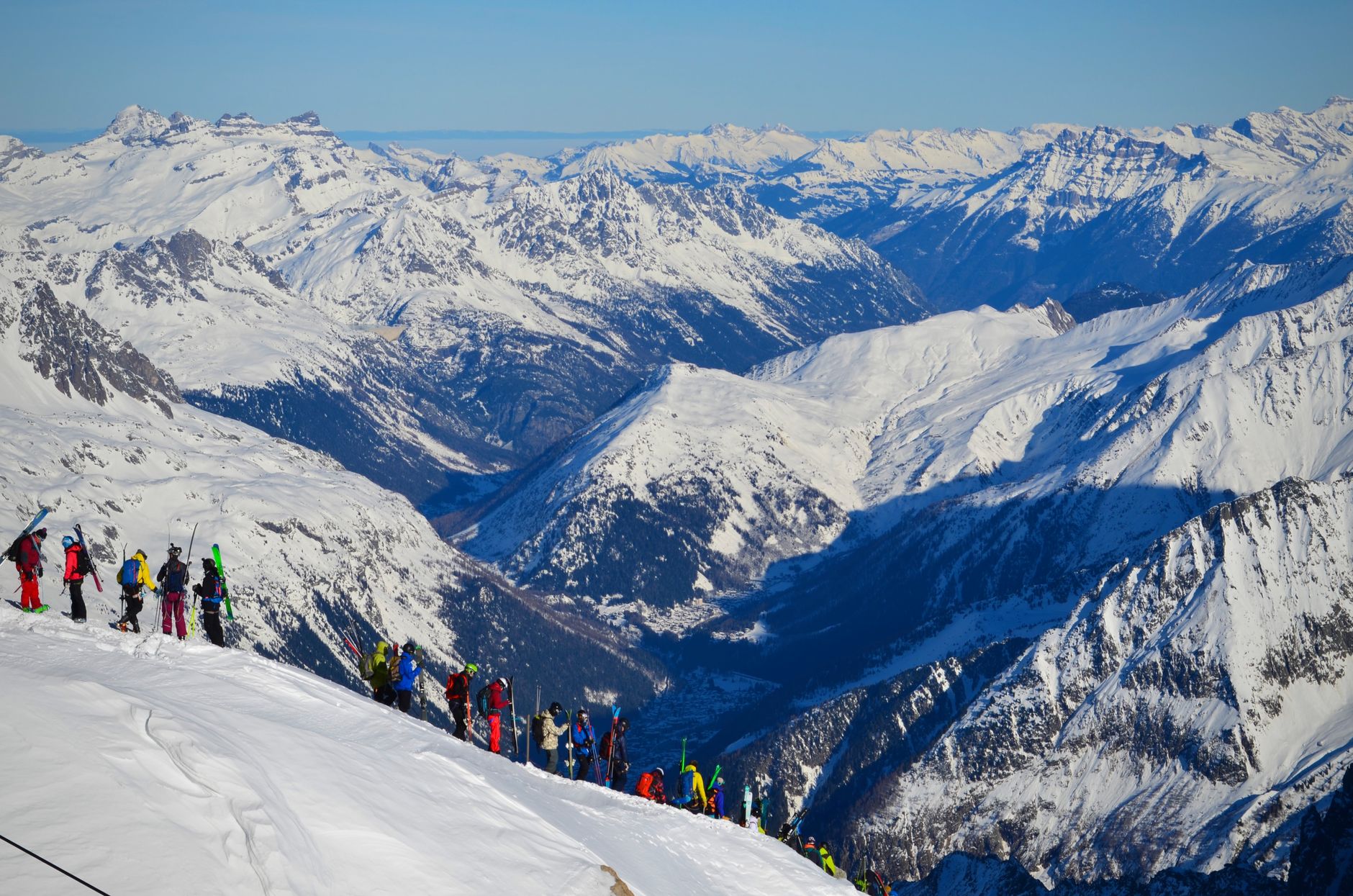
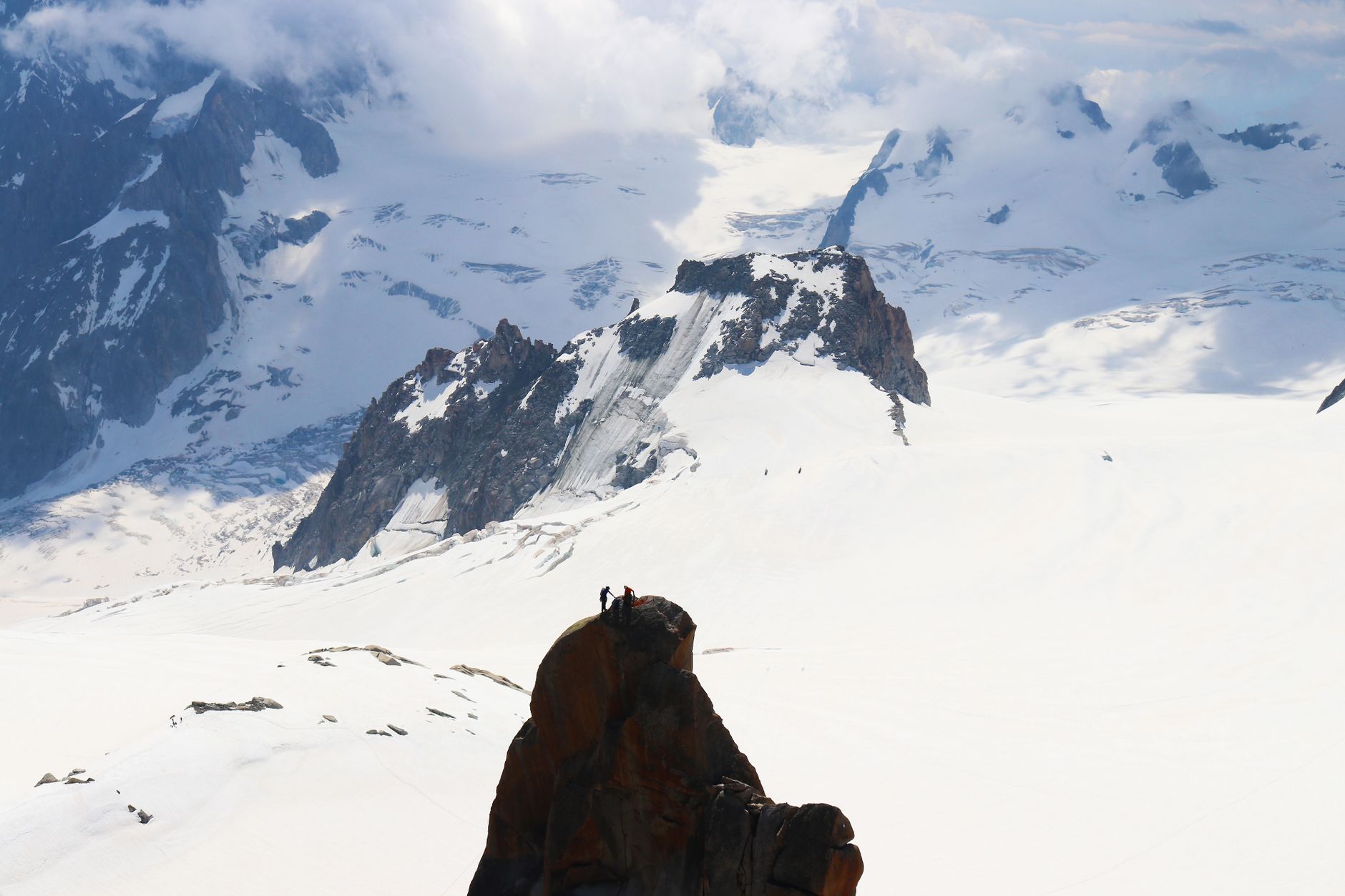


At 4,807 metres, Mont Blanc is the highest point in the Alps and in all of Europe outside the Caucasus — a fact you feel in your chest the first time the Aiguille du Midi cable car deposits you at 3,842 metres and the horizon drops away on every side. The Mont Blanc region is built around that vertical drama: the valley town of Chamonix sits at just over 1,000 metres, the glaciers begin where the treeline ends, and the whole massif draws more than six million visitors a year across every season.
This is a place where the infrastructure of adventure has been accumulating since 1786, when local guide Jacques Balmat and physician Michel-Gabriel Paccard made the first ascent of the summit. The Montenvers Railway has been threading up to the Mer de Glace since 1909. The first Winter Olympics took place here in 1924. Layers of history sit quietly beneath the ski lifts and trail markers.
💛 What travellers fall for
People who come back tend to say the same thing: go to the Aiguille du Midi on a weekday, early, before the tour groups arrive. The platform at dawn, with the shadow of the massif still stretched across the valley below, is a different experience from the midday crowds. And in summer, the Tour du Mont Blanc draws returning walkers who treat particular refuges like old friends.
Experiences you don't want to miss


How French Alps (Mont Blanc Region) came to be
Chamonix's name appears in records as early as 1091 — 'Campum munitum', a fortified plain — but the valley remained largely unknown to outsiders until 1741, when William Windham and Richard Pococke arrived and named the great glacier they found the Mer de Glace. The real catalyst came in 1760, when Swiss naturalist Horace Bénédict de Saussure offered a cash prize for the first ascent of Mont Blanc. It took twenty-six years for anyone to claim it: on 8 August 1786, crystal-hunter Jacques Balmat and local physician Michel-Gabriel Paccard reached the summit together.
The first tourist hotel opened in Chamonix in 1770, but the valley only became a mass destination after improved roads arrived around 1870. The Montenvers cog railway opened in 1909, the Aiguille du Midi cable car — then the highest in the world — in 1955. When the first Winter Olympics were held here in 1924, the region's modern identity was already set.
Who and what shaped it
People who shaped it
Landmark buildings
See French Alps (Mont Blanc Region) in motion
Plan your visit
On the map
When to go
Winters are cold and snowy at valley level, with reliable ski conditions from December through March; summers are warm and clear enough for hiking but afternoon thunderstorms are common in July and August. Spring and autumn bring sharp, changeable weather and significantly thinner crowds.
Right now
Background & history adapted from Wikipedia (CC BY-SA) · specs from Wikidata (CC0) · weather from Open-Meteo · map data © OpenStreetMap contributors · photos from Wikimedia Commons / Unsplash with per-image credit. No third-party reviews or social posts reproduced.