
Dordogne (Périgord)
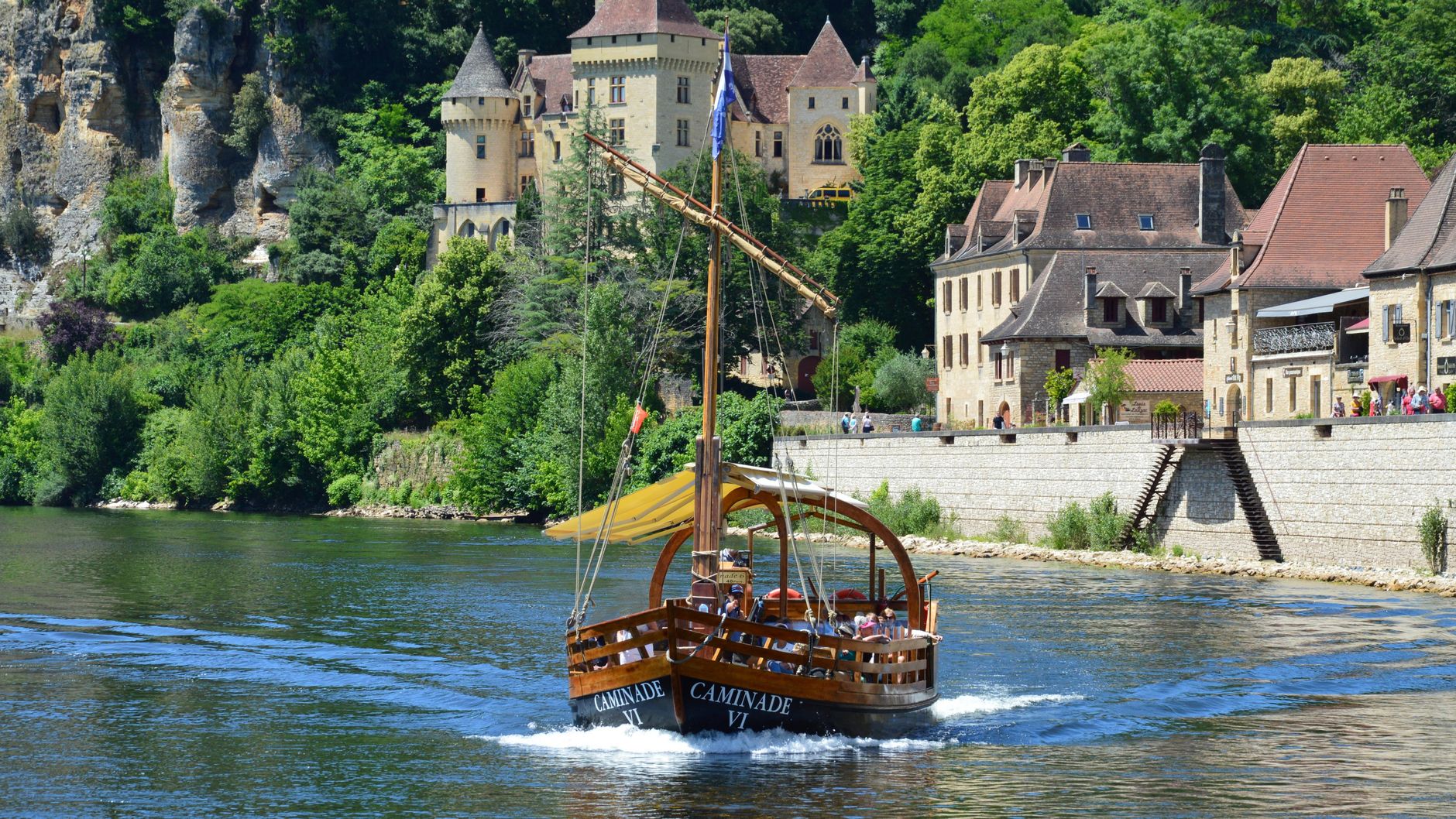
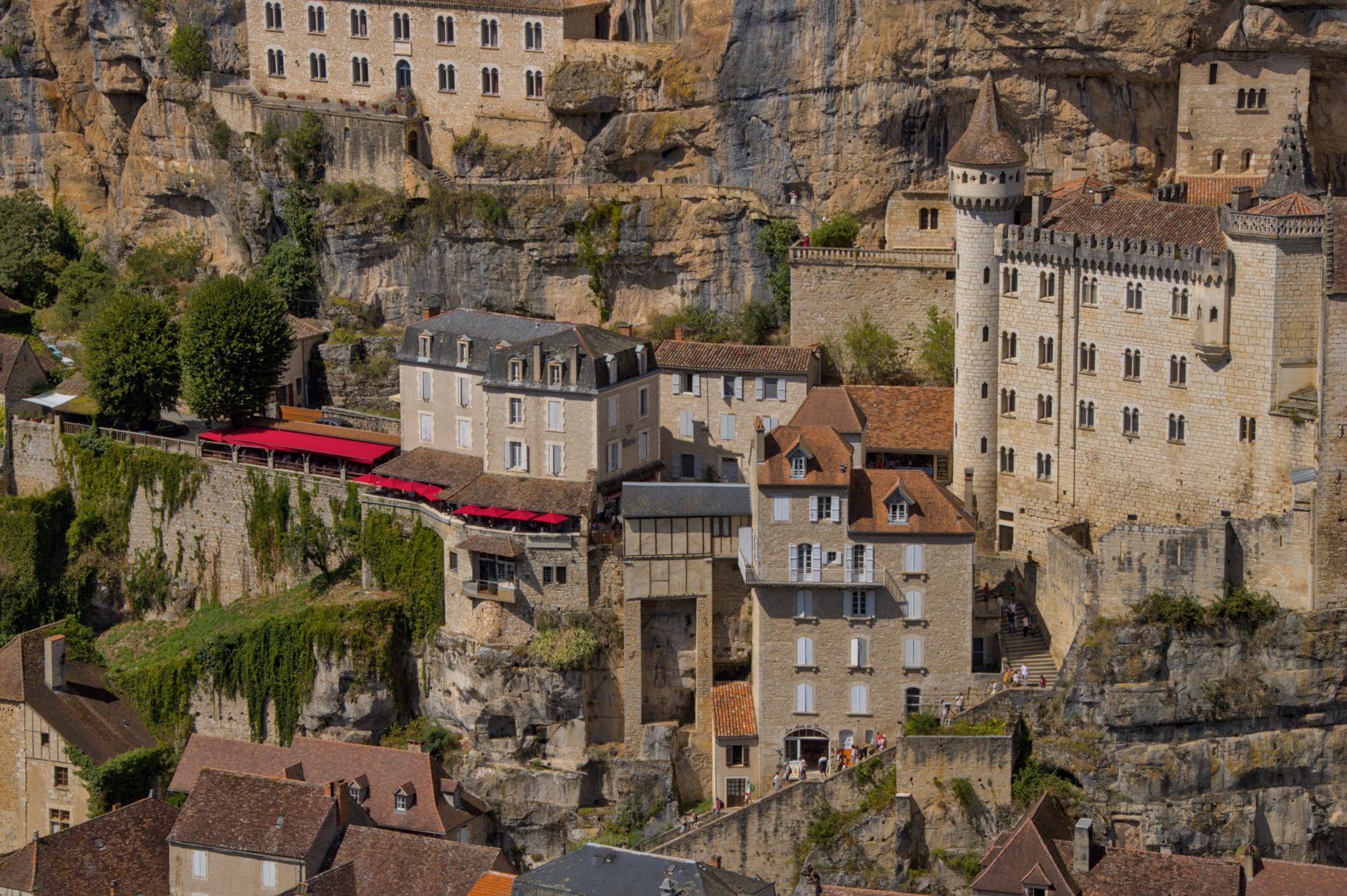
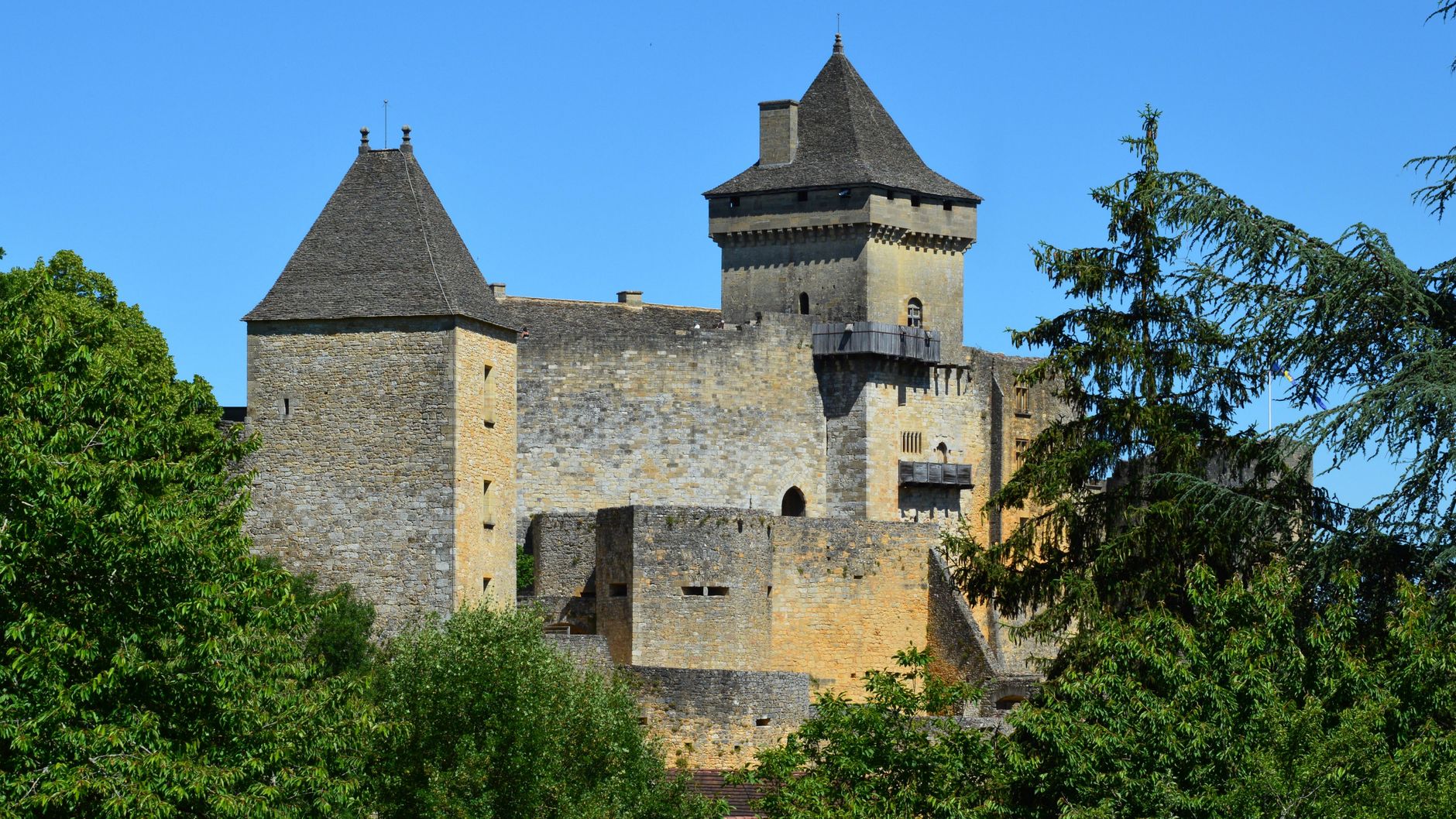
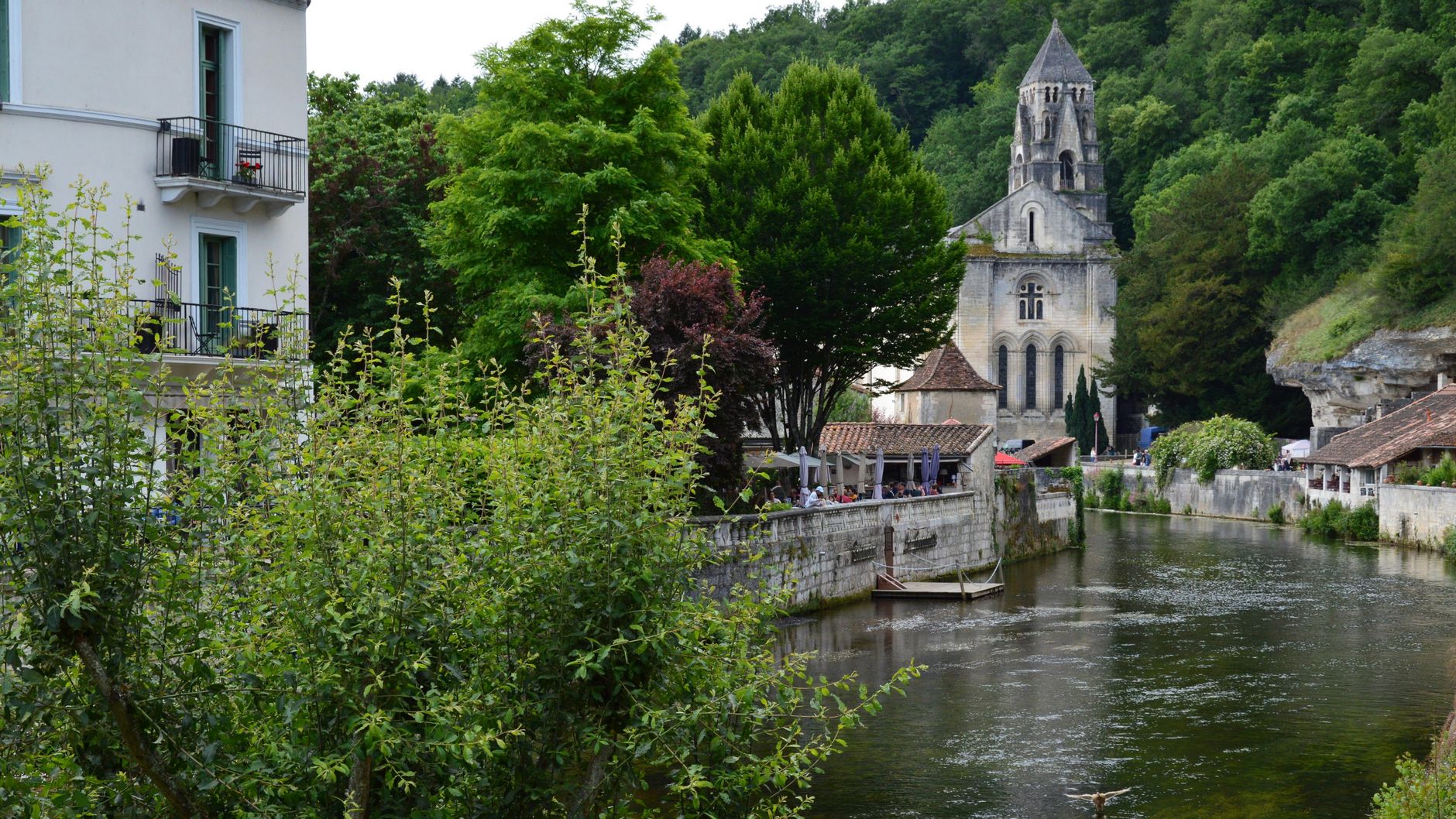
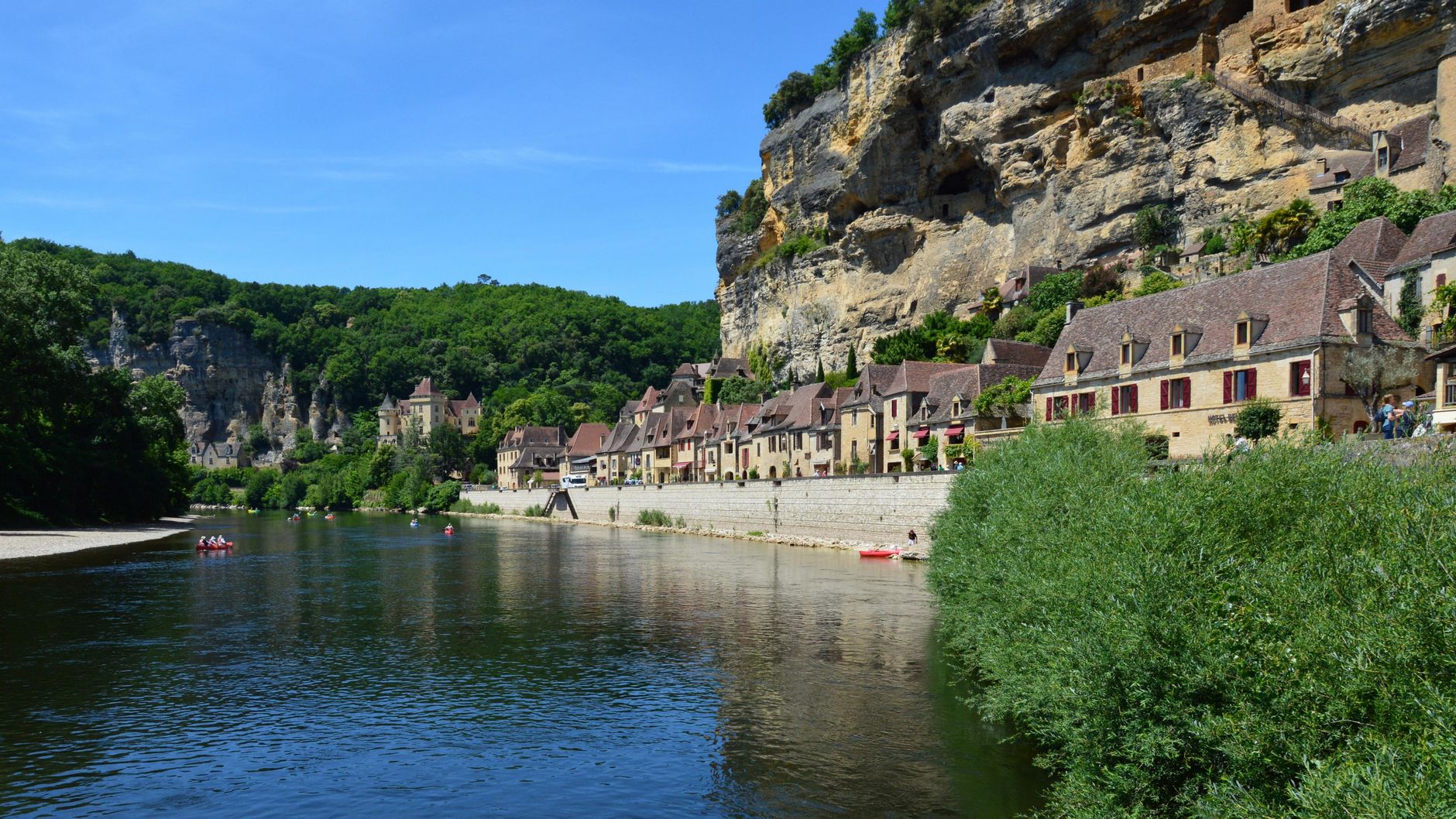
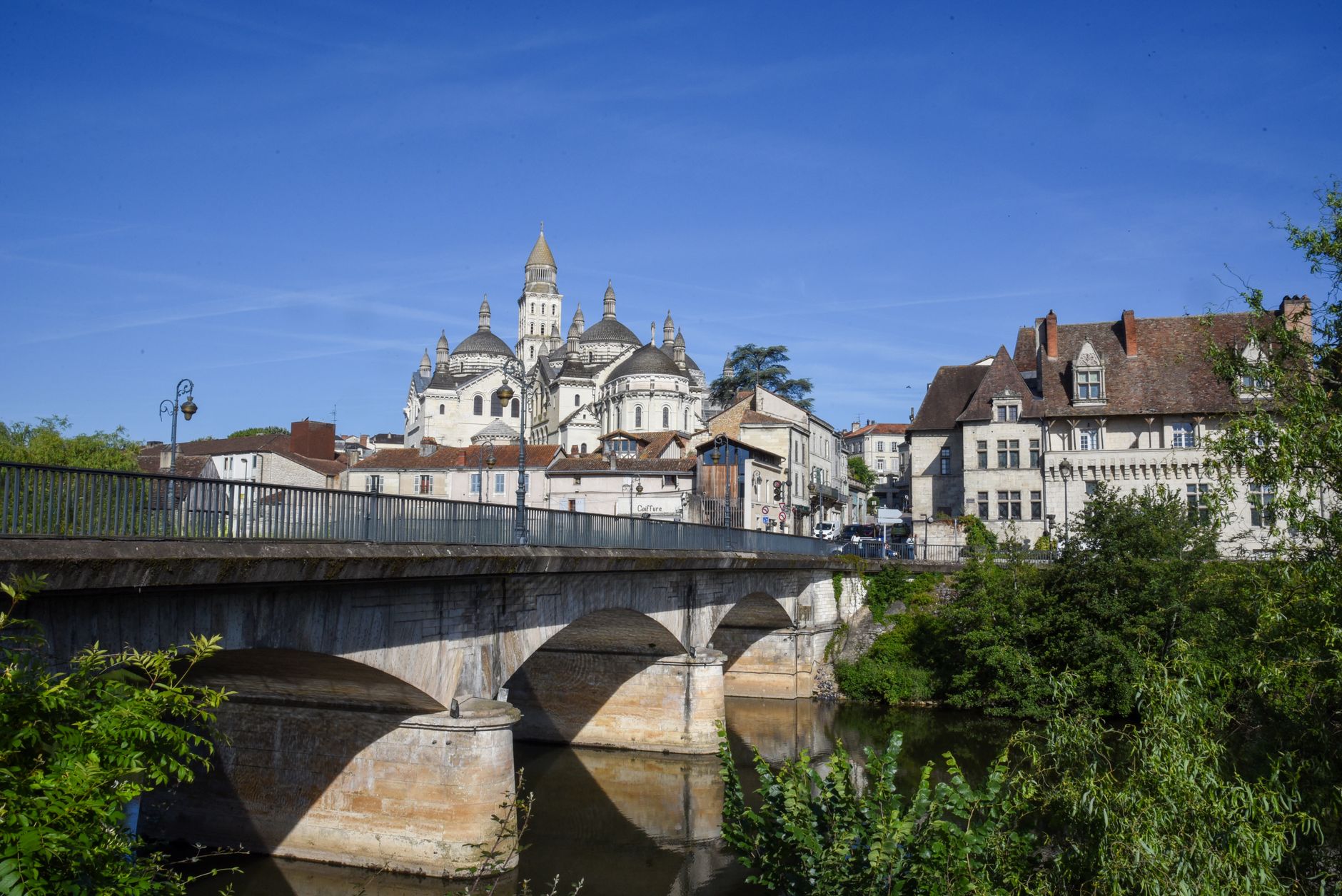
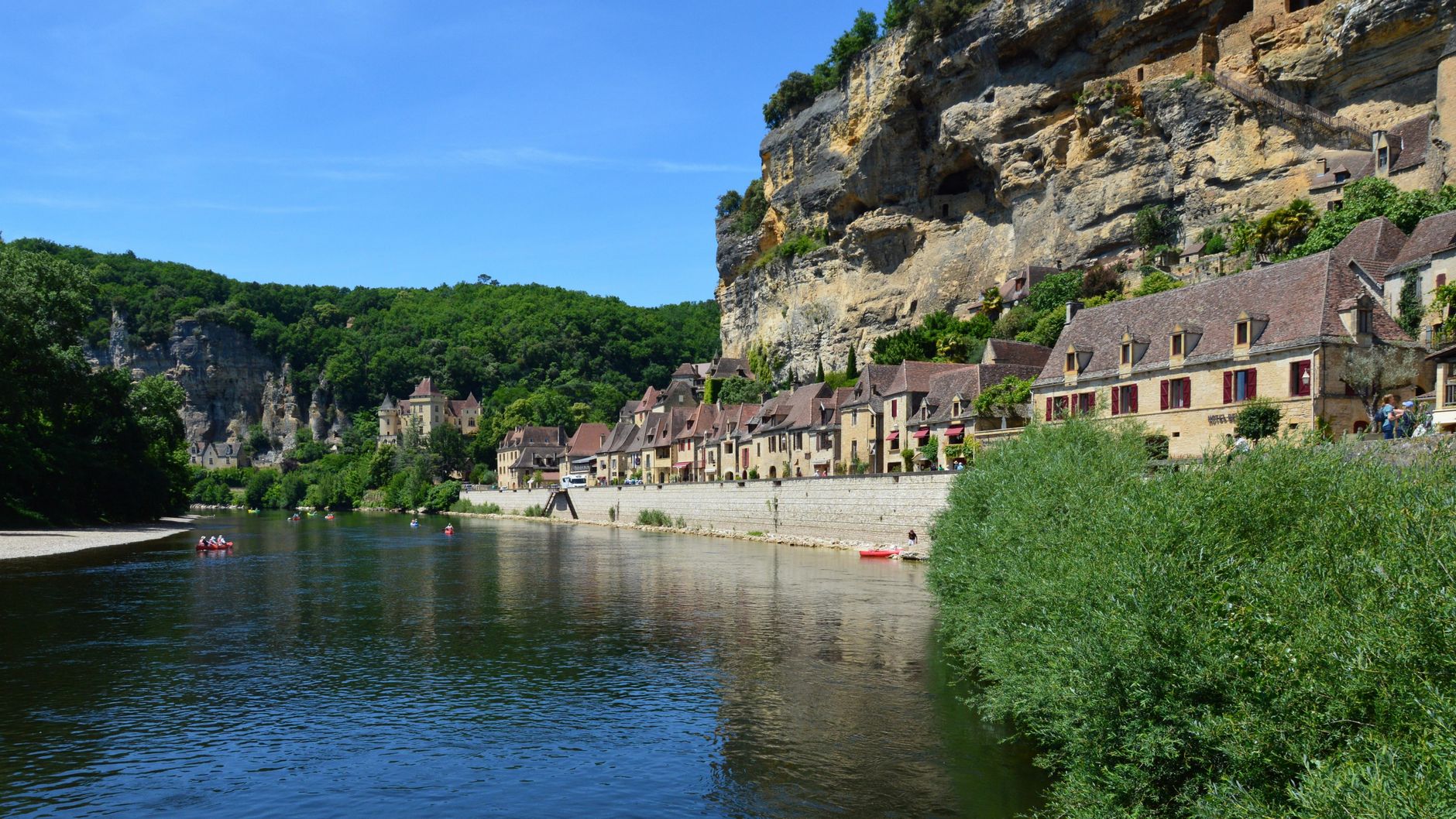
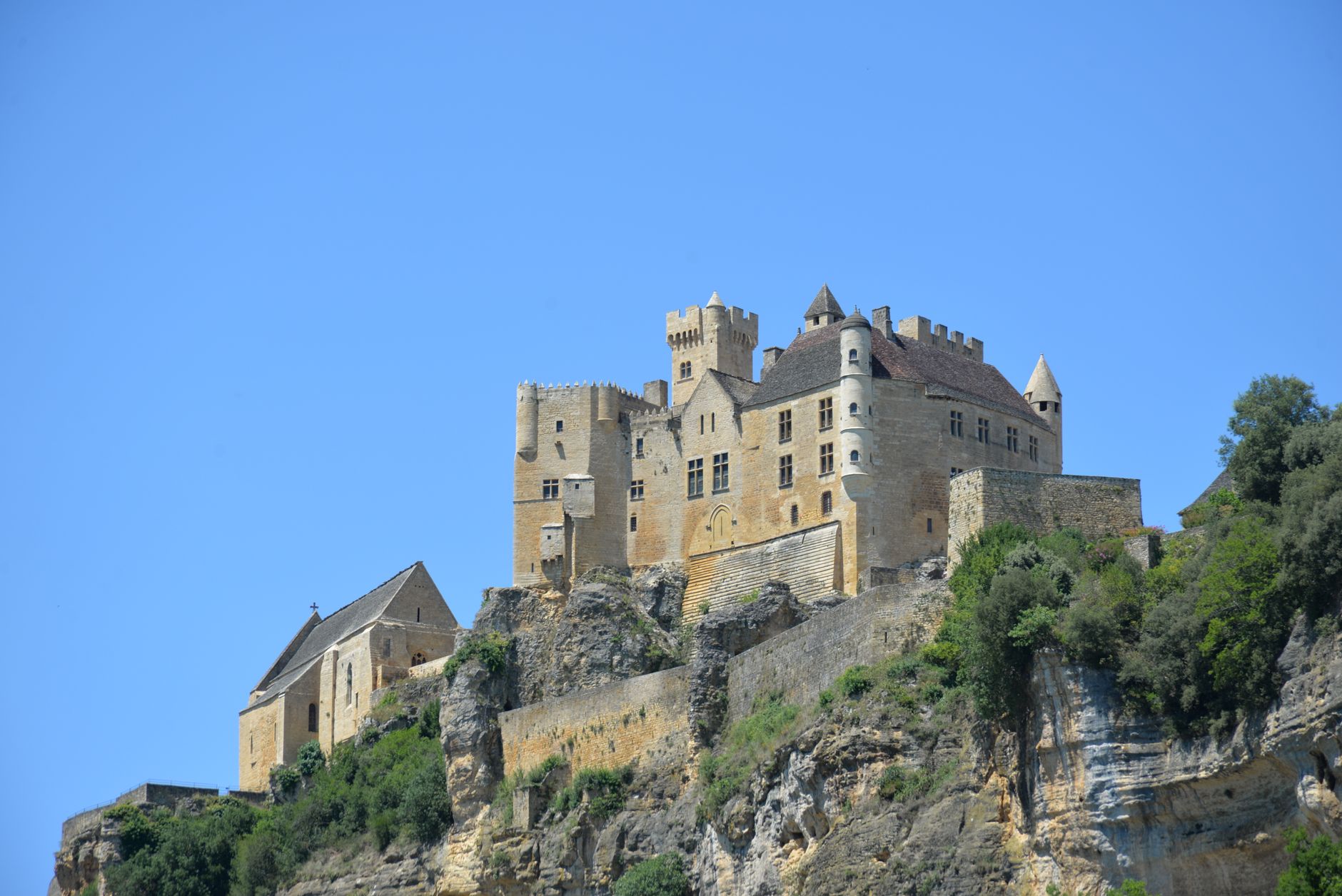
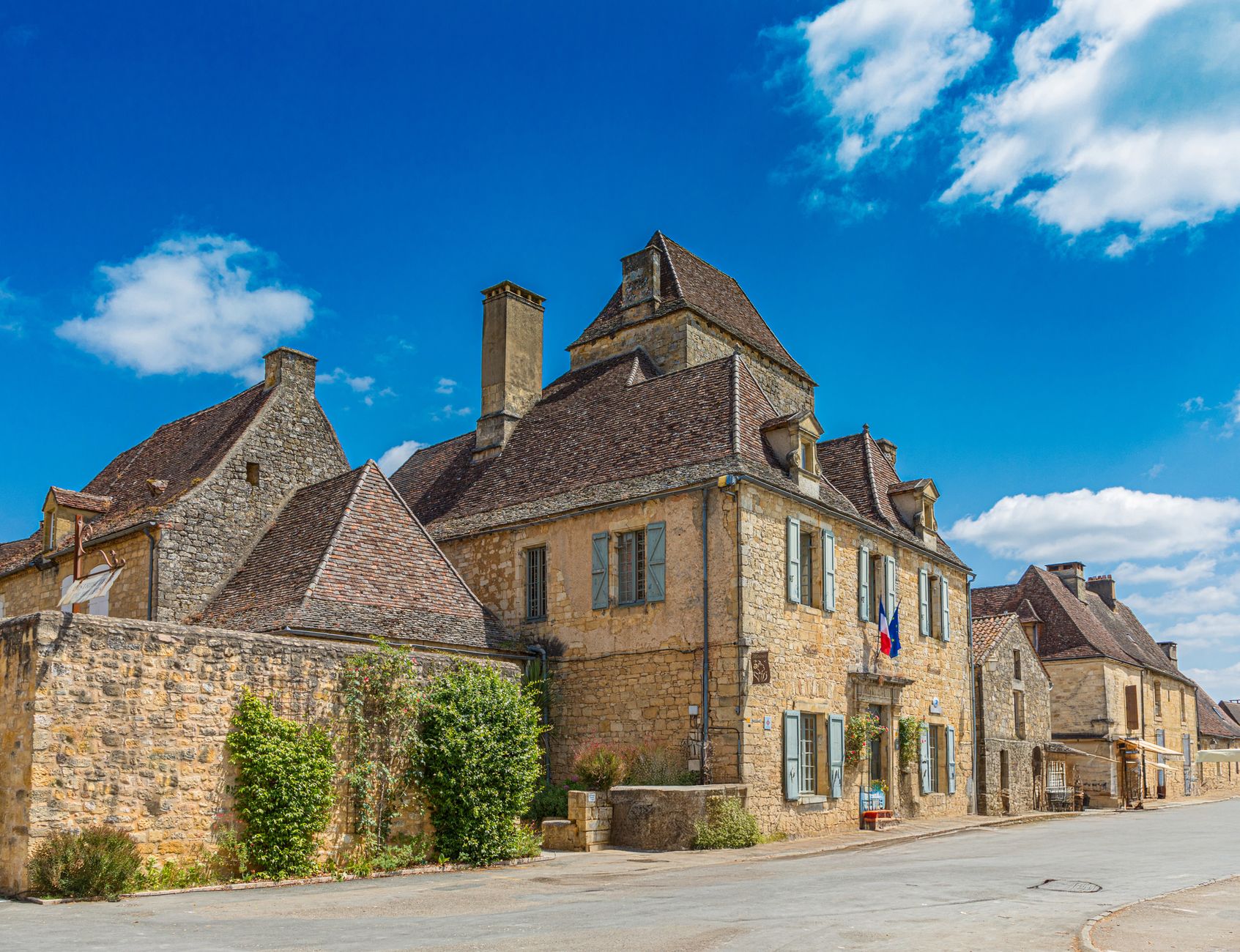
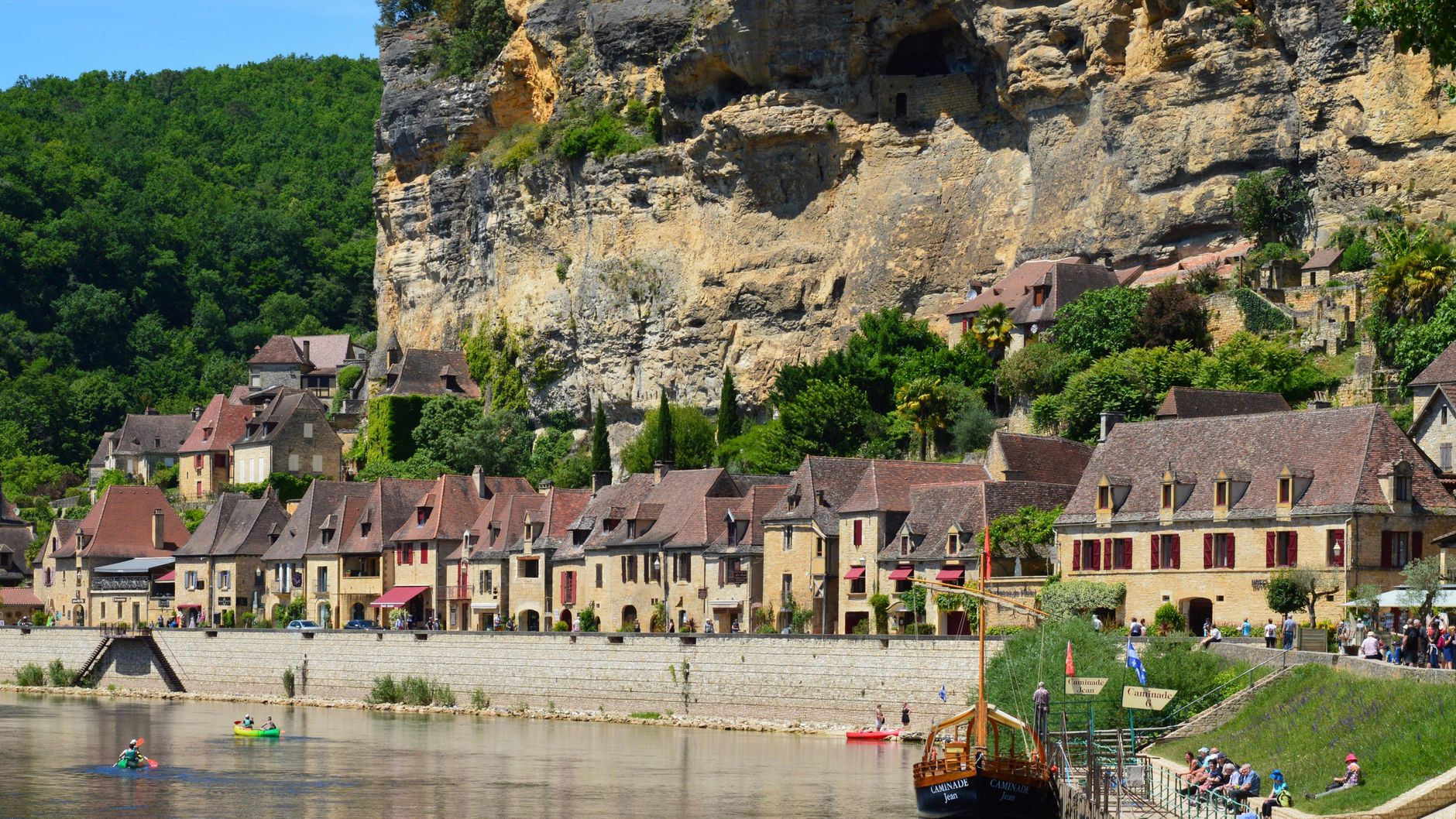
The Dordogne takes its name from the river that carves through it, and the river is as good a starting point as any: follow it and you will pass cliff-top castles, walnut orchards, limestone villages the colour of old bone, and canoe-hire shacks doing brisk business in July. This is a department that has been fought over for centuries — by Gauls, Romans, English Plantagenets, and French kings — and the evidence is everywhere, from cave paintings made 40,000 years ago to bastide towns laid out in a geometric grid by Edward I of England.
The four sub-regions — Périgord Blanc, Noir, Vert, and Pourpre — each have a distinct character, but the Black Périgord, centred on Sarlat-la-Canéda, is where most first-time visitors spend their time, and for good reason.
Popular cities in Dordogne (Périgord)
💛 What travellers fall for
People who come back tend to anchor in Sarlat for the market and the medieval streets, then follow smaller roads south toward Beynac and Castelnaud. They learn early on to book restaurants in the villages rather than the tourist towns, and to visit Lascaux IV first thing in the morning before the school groups arrive.
Experiences you don't want to miss


How Dordogne (Périgord) came to be
The name Périgord traces back to the Petrocorii, a Celtic Gaulish tribe whose territory the Romans organised into a civitas with its capital at Vesunna — the site of modern Périgueux. Through the early Middle Ages the area passed through Frankish hands and became the county of Périgord. In the 12th century, Eleanor of Aquitaine's marriage to Henri II Plantagenet brought it under English influence, a claim that generated centuries of conflict along the Dordogne valley.
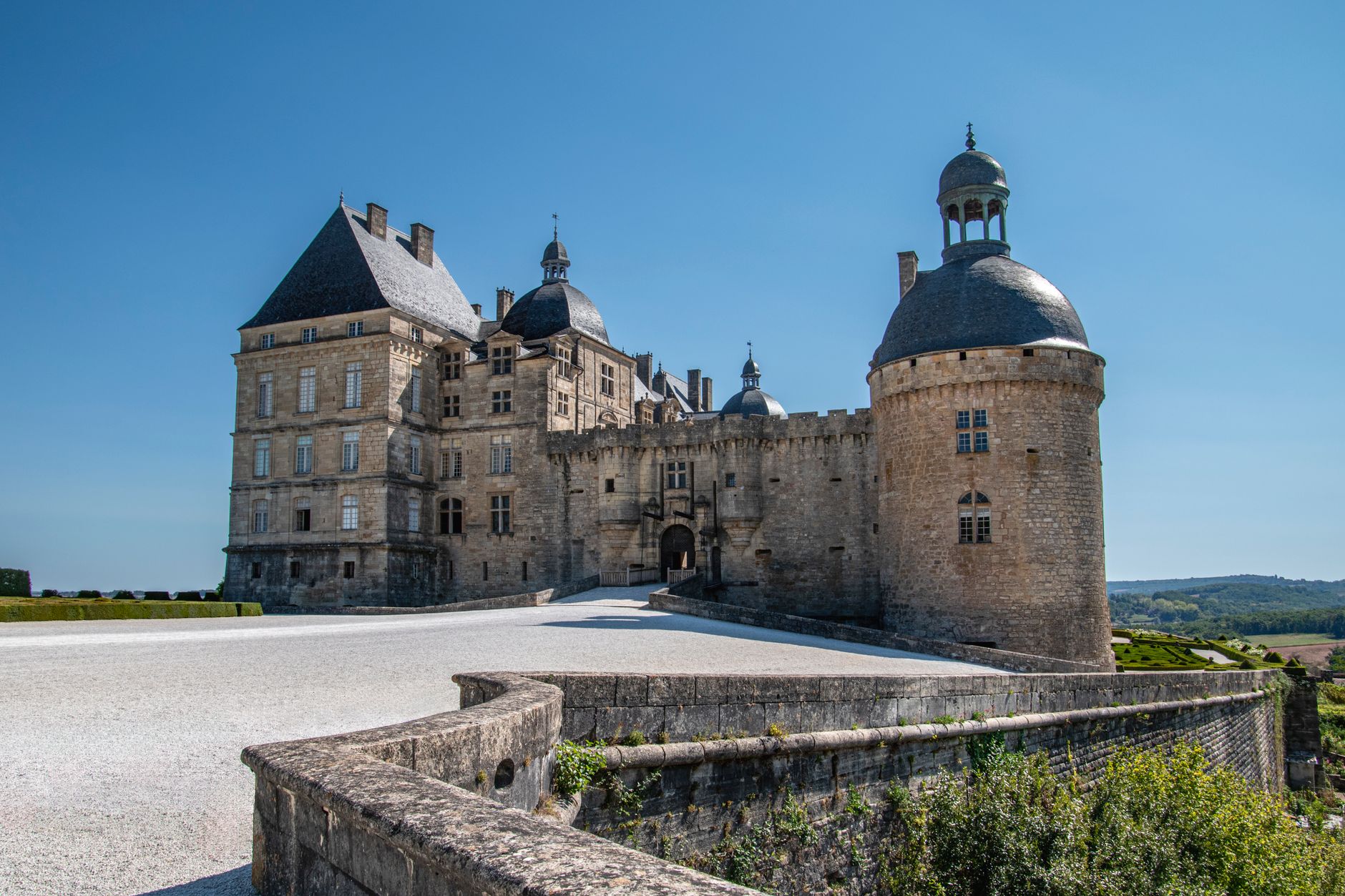
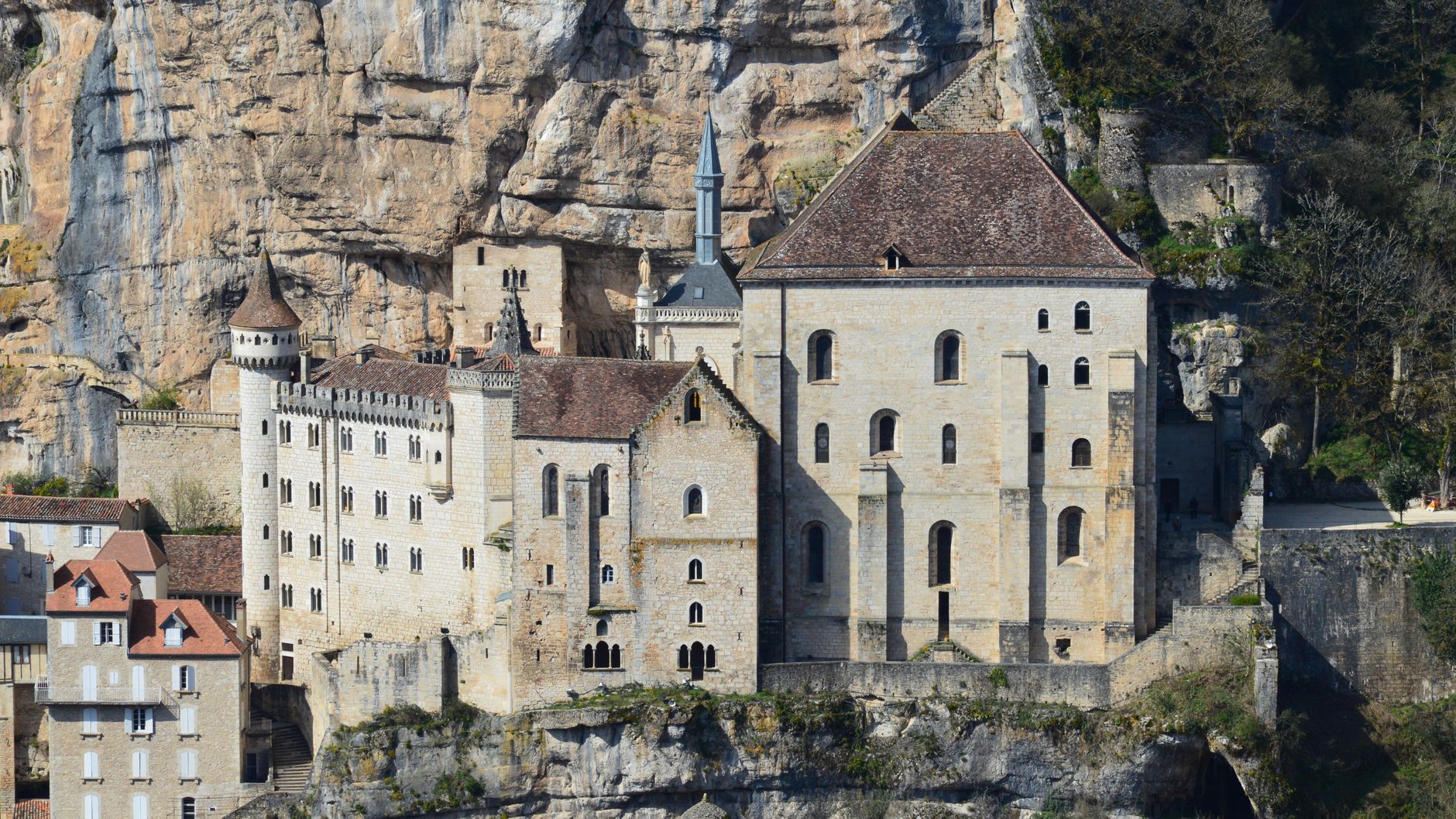
The English finally lost their grip, and by 1607 Henry IV had folded the territory into the French crown after inheriting it through the House of Albret and the crown of Navarre. The Revolution reorganised it as the department of Dordogne on 4 March 1790 — one of the original 83 created that year. The castles that punctuate every ridge were built and rebuilt across those same centuries, which is why Beynac looks feudal and Milandes looks late-Gothic: each era left its layer.
Who and what shaped it
People who shaped it
Landmark buildings
See Dordogne (Périgord) in motion
Plan your visit
On the map
When to go
Summers are warm and dry, with July and August bringing the bulk of visitors and genuine heat in the valleys. Spring arrives gently from April, and autumn — particularly September and October — offers mild days, golden light, and walnut harvest season; winters are quiet and occasionally sharp.
Right now
↡ Cities
No places match these filters.
Background & history adapted from Wikipedia (CC BY-SA) · specs from Wikidata (CC0) · weather from Open-Meteo · map data © OpenStreetMap contributors · photos from Wikimedia Commons / Unsplash with per-image credit. No third-party reviews or social posts reproduced.