
Nontron
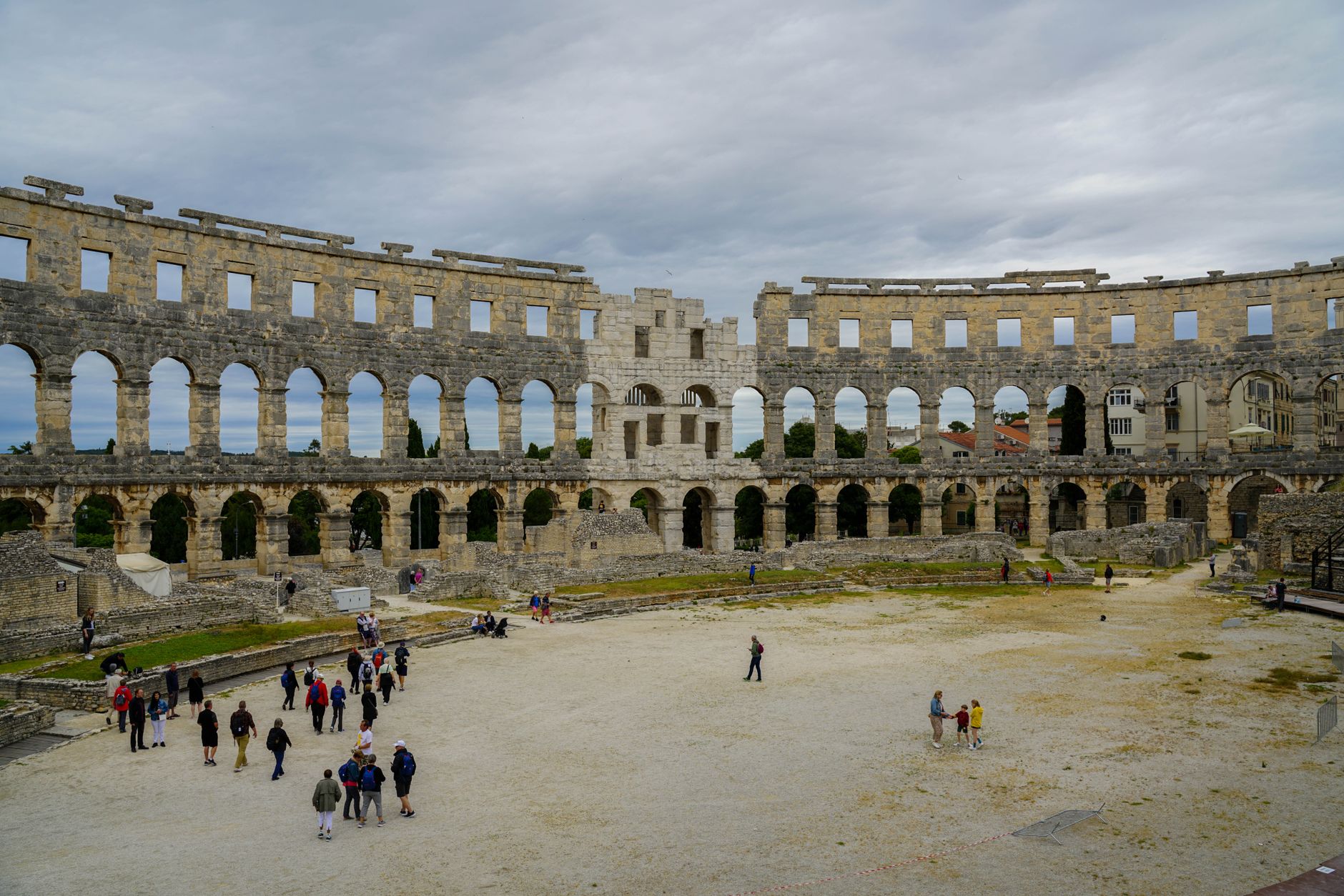
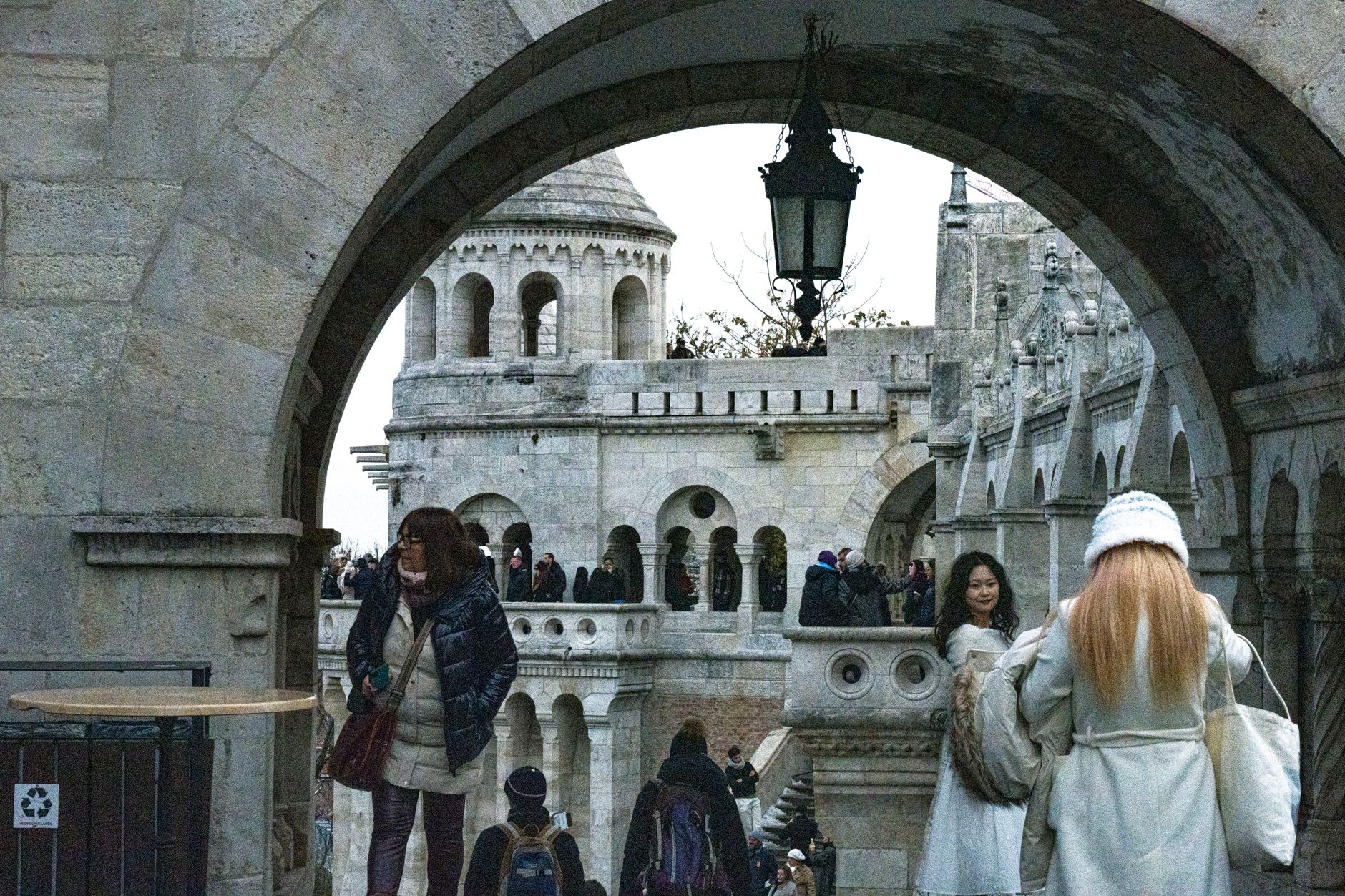
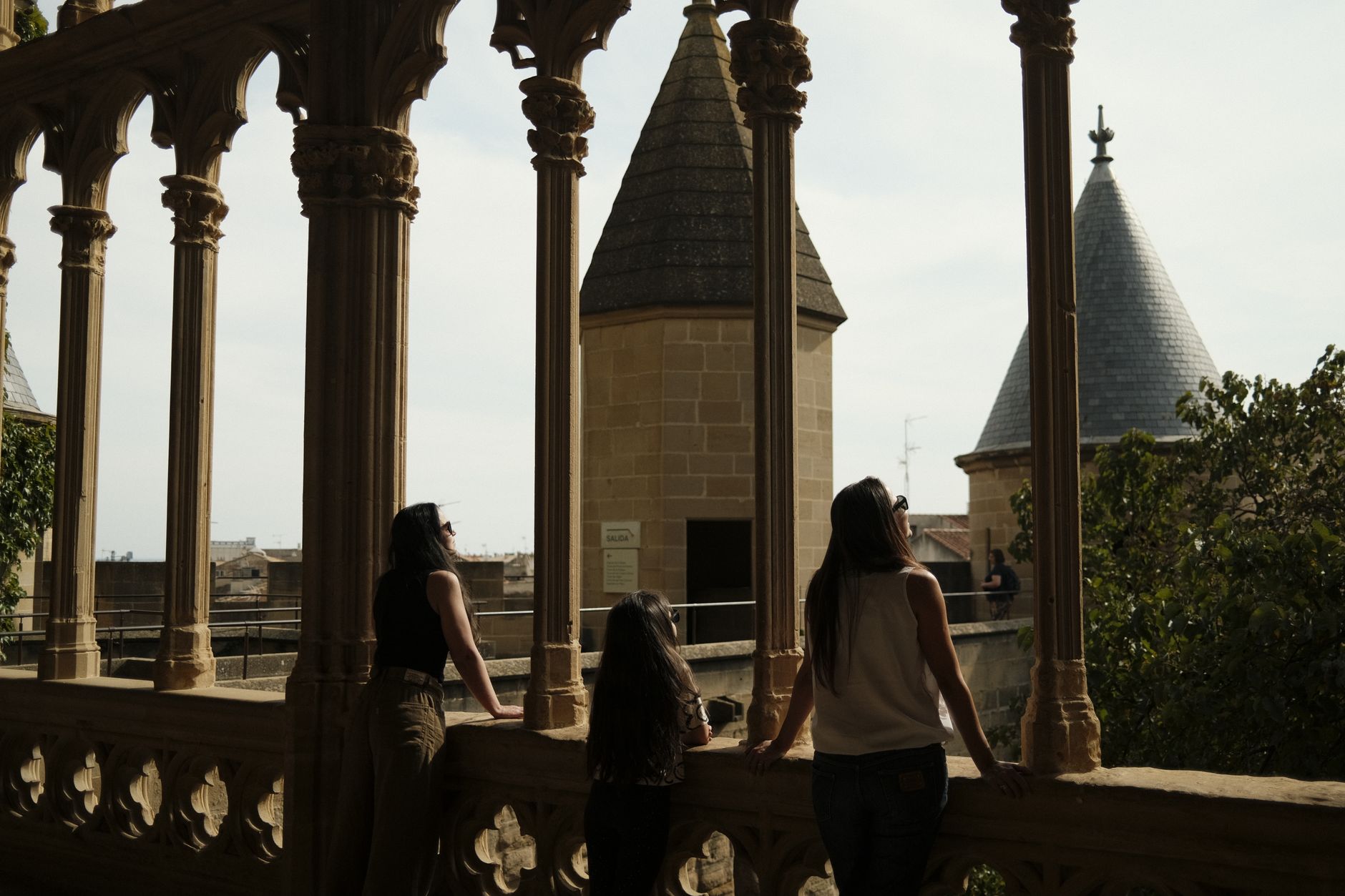
Nontron is a small town in the northern Périgord that has been making the same folding knife — boxwood handle, brass ferrule, a blade that locks open with a satisfying click — for at least four centuries. The Coutellerie Nontronnaise, the last of what were once 39 knife workshops, still employs twenty cutlers and turns out more than 65,000 blades a year. You can watch them work through thick glass from the viewing gallery above.
The town sits on a ridge above the Bandiat valley, anchored by a château that has been rebuilt so many times — fire, siege, fire again — that its present neoclassical face dates only from the late eighteenth century. It is a working town that happens to have a good garden and a serious craft tradition.
💛 What travellers fall for
People who come back tend to time it for the first weekend of August, when La Fête du Couteau draws around a hundred knife-makers from across the world and the town briefly becomes an unlikely centre of bladesmithing conversation. The Saturday morning market is also worth arranging your schedule around — it is genuinely local in the best sense.
Experiences you don't want to miss


Deals in Nontron
Book directly at the provider

How Nontron came to be
The name traces back to a Gallo-Roman landowner, Nantironius, and the settlement was already old when the Saracens sacked it in the eighth century. A castle appears in documents from 769 and 785, donated by Roger, Count of Limoges, to Charroux Abbey. By the medieval period it had become a proper fortress — the kind worth besieging. Richard Coeur de Lion was wounded during the siege of 1199; Bertrand du Guesclin was here in 1377 before pushing the English back across the border.
Fire took the castle in 1672 and again in 1713. Jean-Charles de Lavie, President of the Bordeaux Parliament, rebuilt it entirely between 1751 and 1788 in the symmetrical neoclassical style you see today. The town's other thread — its knife-making — goes back at least to October 1653, when a Parisian cutler named Guillaume Legrand settled here and began manufacturing what became the Nontron knife.
Who and what shaped it
People who shaped it
Landmark buildings
See Nontron in motion
Plan your visit
On the map
When to go
Summers are warm and dry, with August averaging around 27°C — comfortable for walking the ridge and the garden. Winters are mild by northern European standards but cool, with February highs around 10°C; the town is quieter then but the château and workshop remain accessible.
Right now
Background & history adapted from Wikipedia (CC BY-SA) · specs from Wikidata (CC0) · weather from Open-Meteo · map data © OpenStreetMap contributors · photos from Wikimedia Commons / Unsplash with per-image credit. No third-party reviews or social posts reproduced.