
Rocamadour
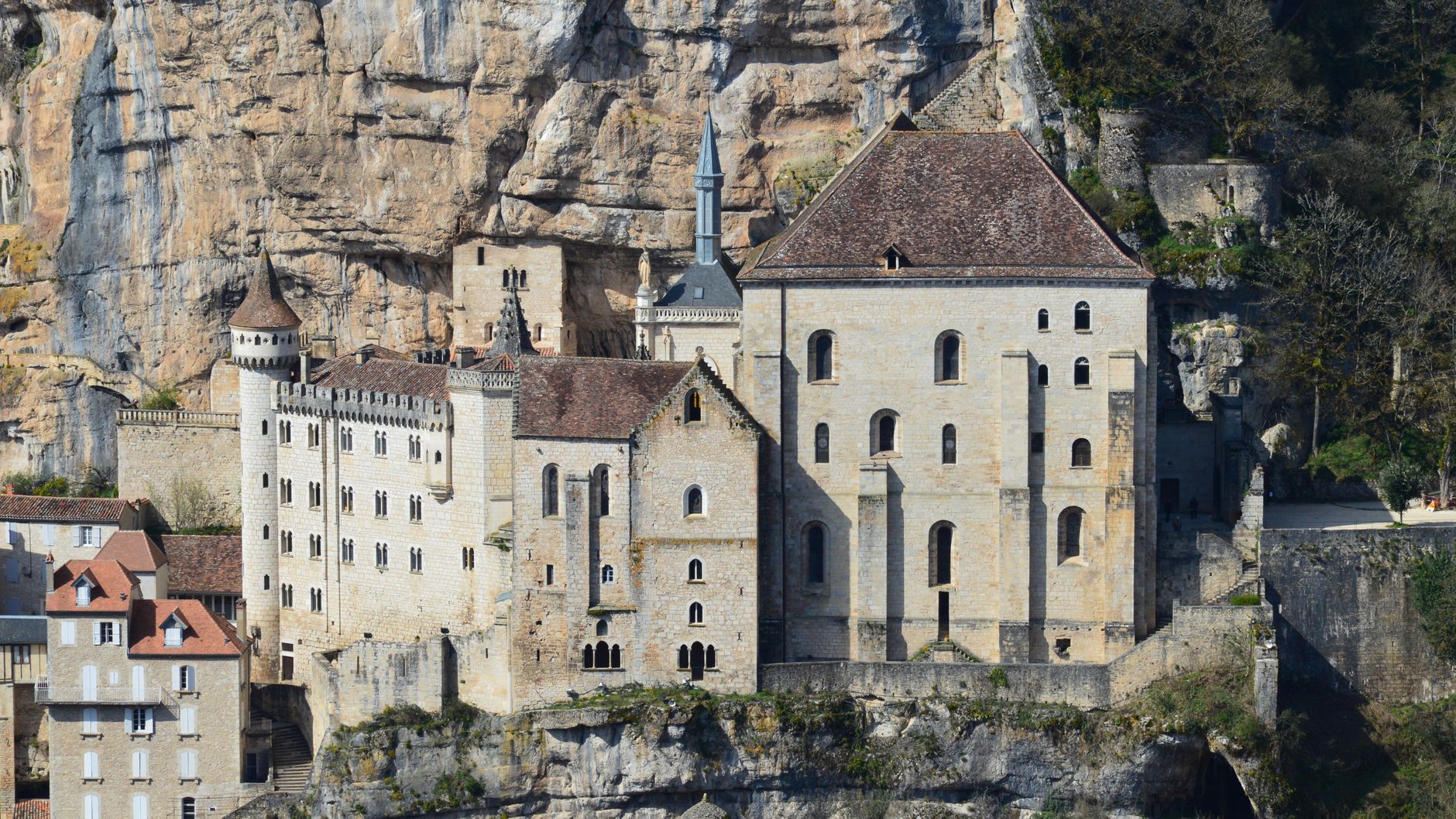
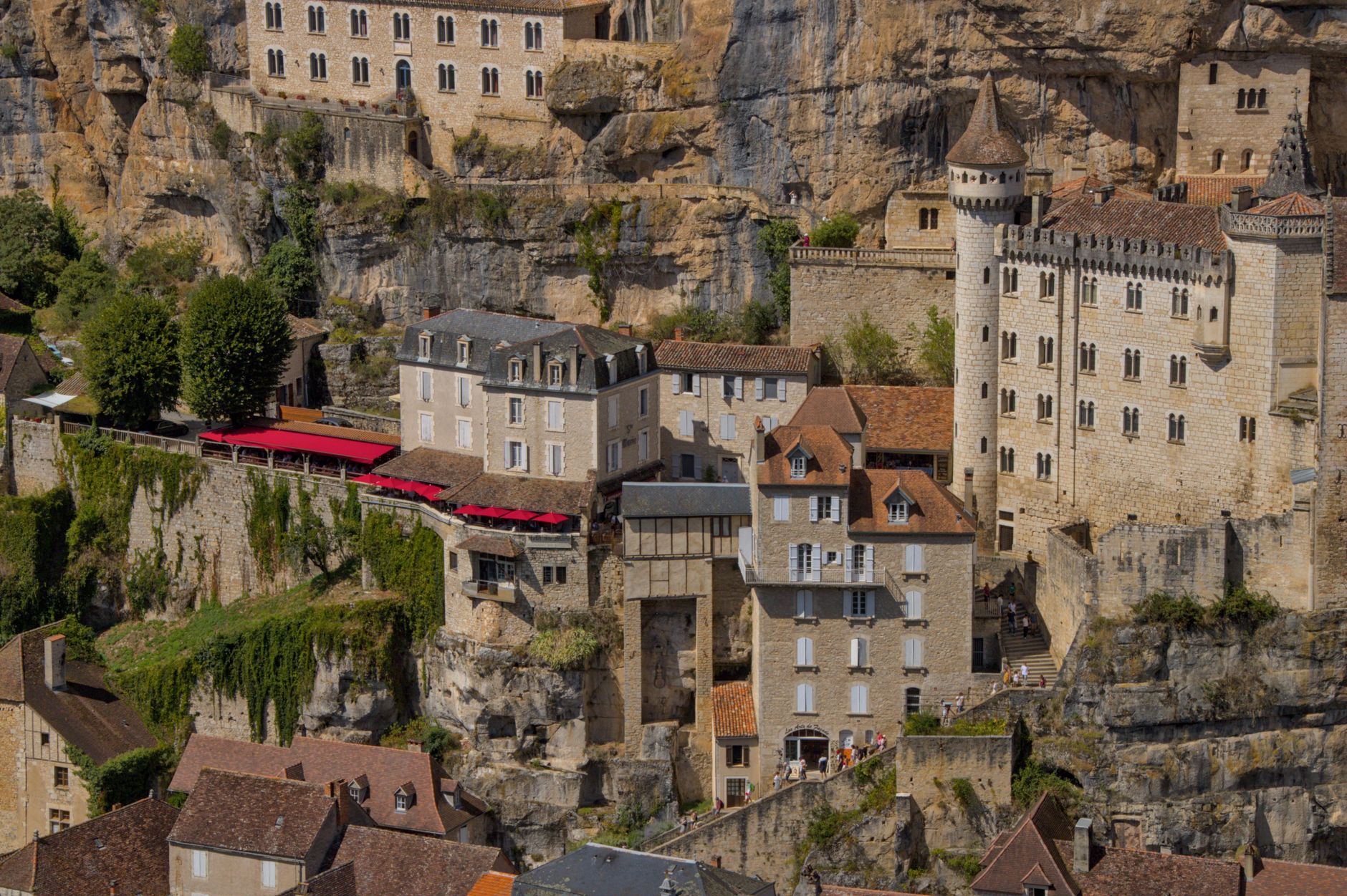
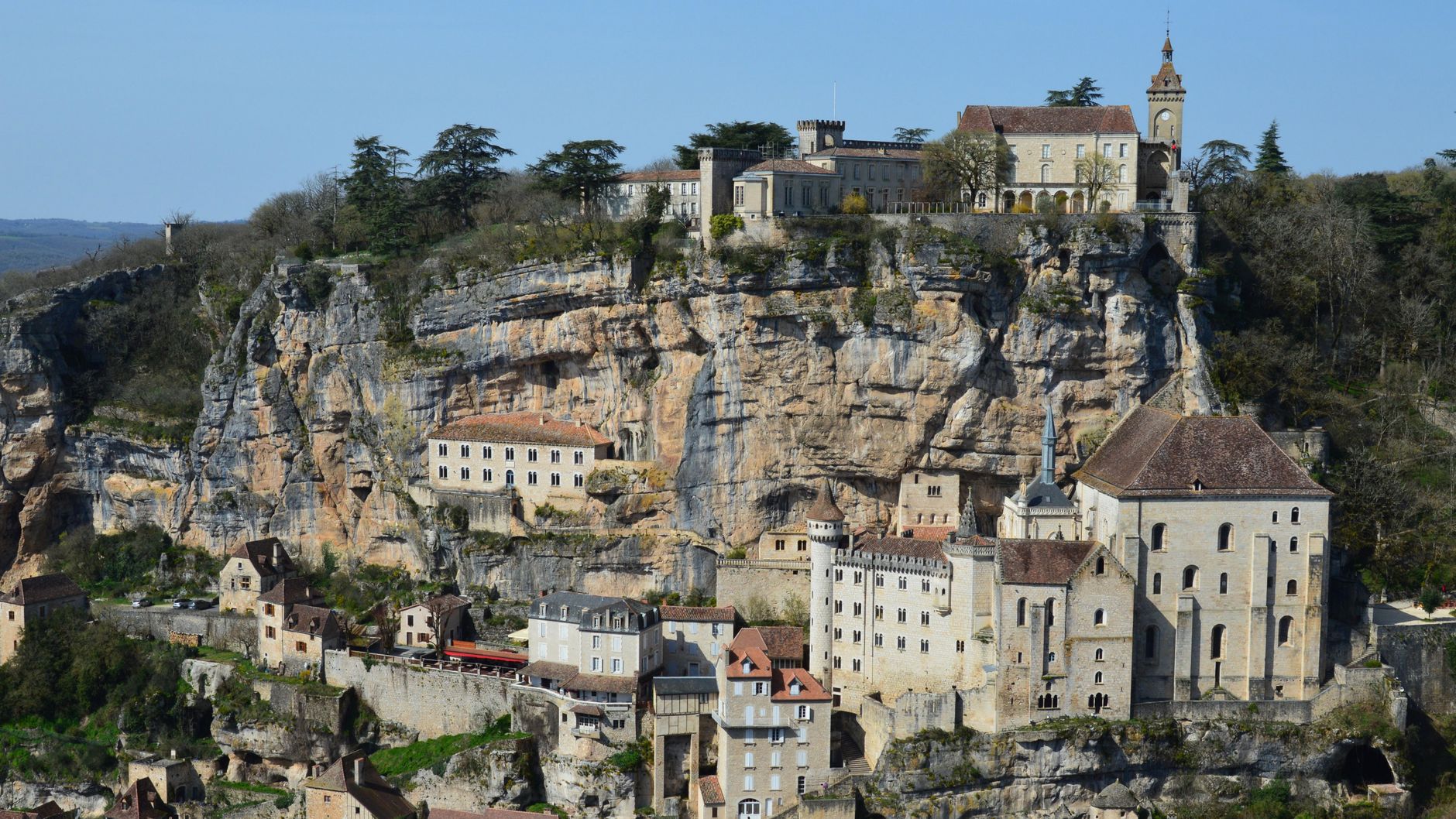
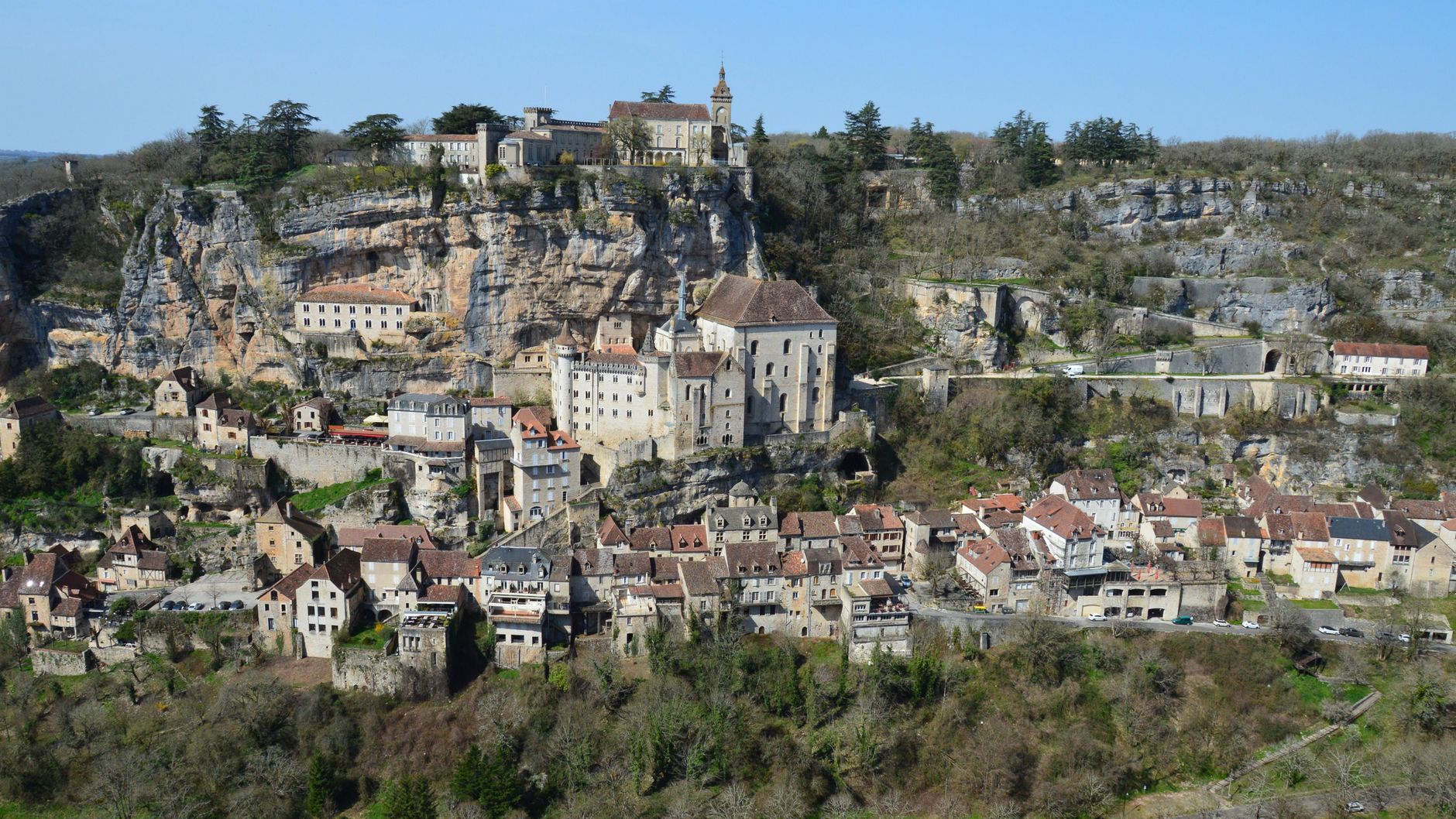
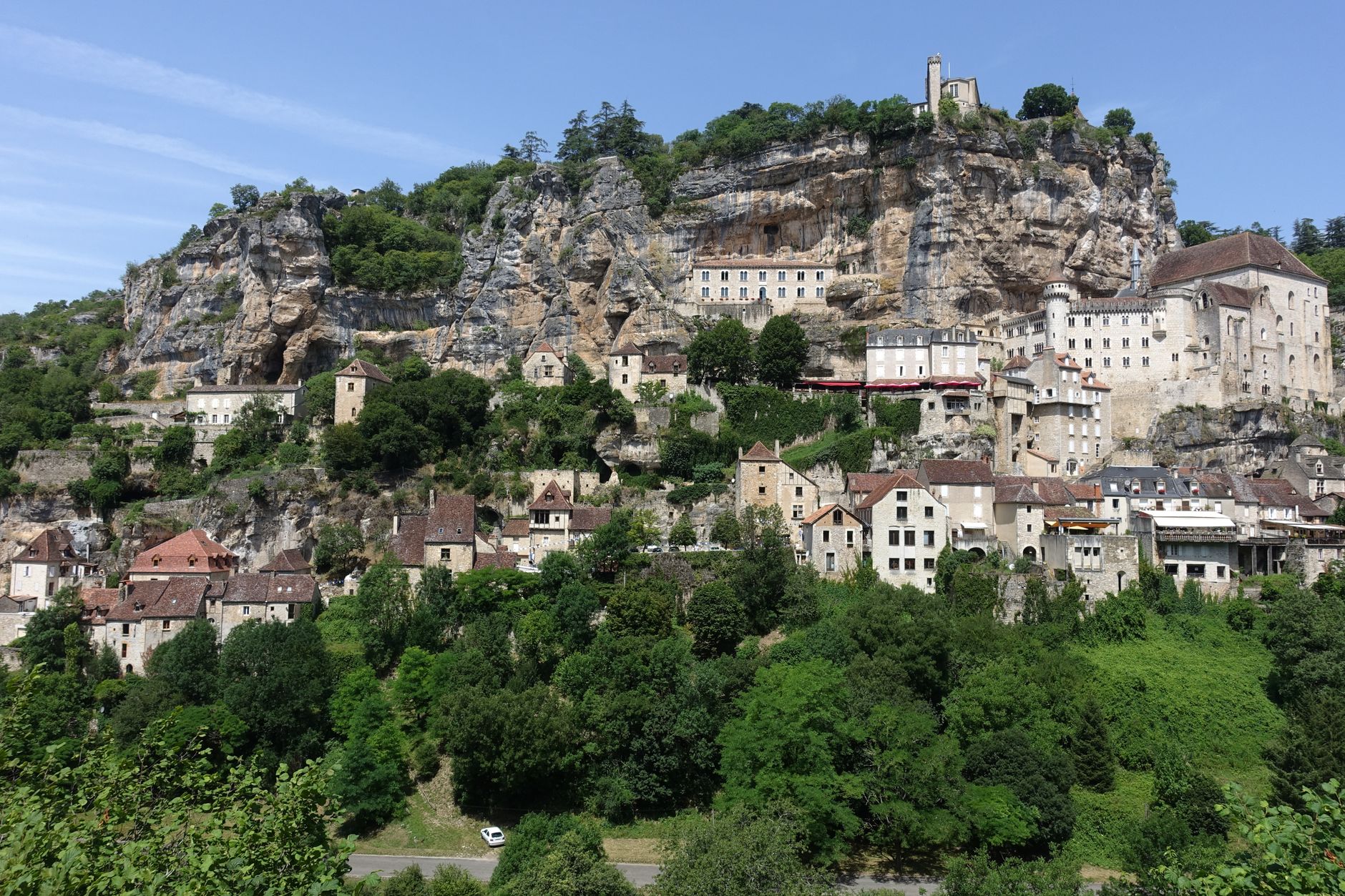
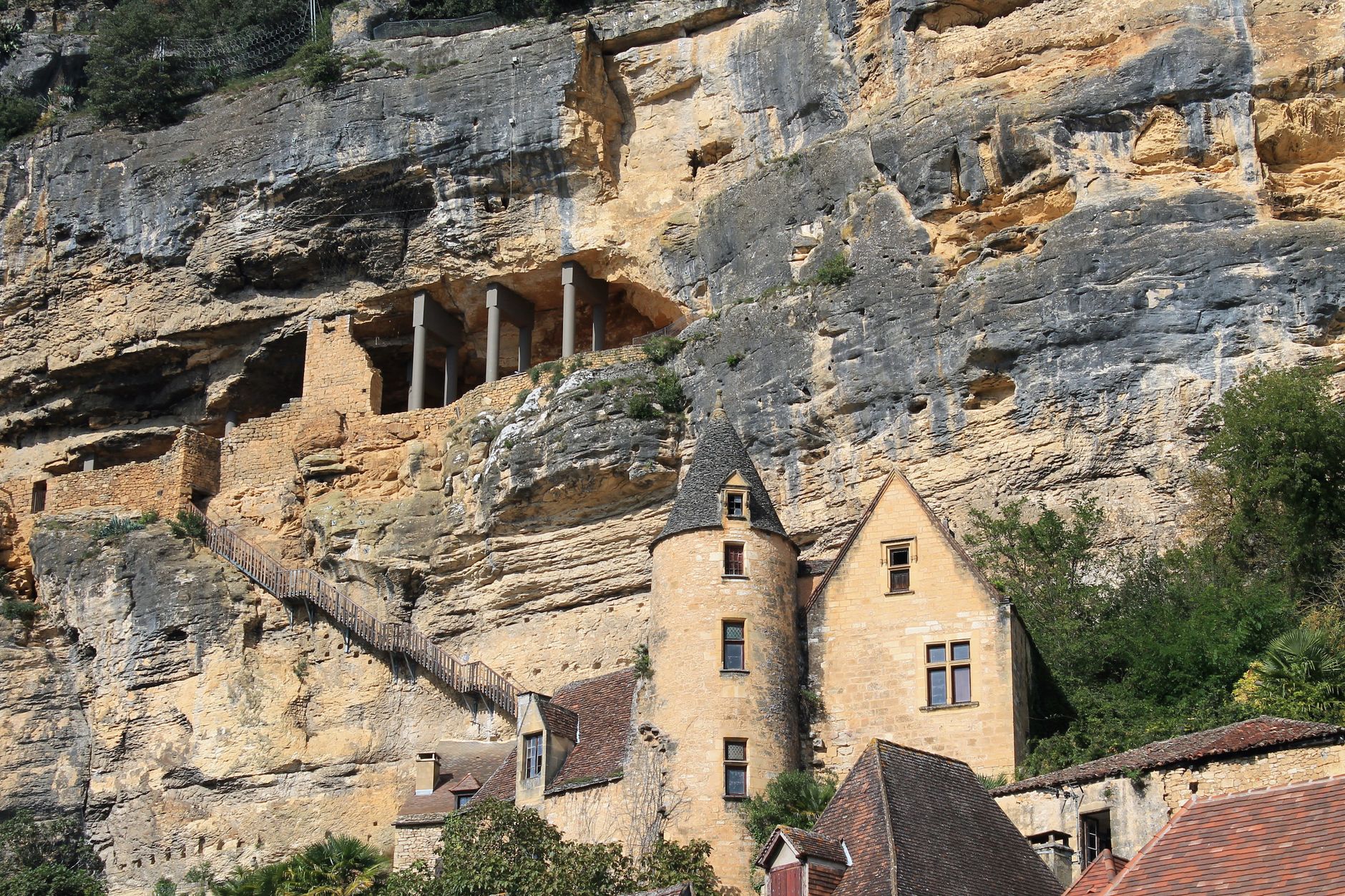
Rocamadour does something most medieval towns only promise: it stops you mid-step. The village clings to a vertical cliff above the Alzou gorge in a way that looks structurally improbable — seven chapels, a basilica, a 14th-century château, all stacked in tiers up the rock face, connected by a staircase of 216 steps that pilgrims once climbed on their knees.
At its centre, inside the Chapelle Notre-Dame, sits a small Black Madonna carved from walnut wood, drawing over a million visitors a year to a village of around 600 people. That ratio tells you something about the weight this place carries — and how quickly the narrow main street fills up in summer.
💛 What travellers fall for
People who've come back more than once tend to say the same thing: stay the night. Once the day-trippers leave, the sanctuary lit against the cliff in the dark is a different place entirely. Mid-October is the sweet spot — cool enough for the climb, quiet enough to hear your own footsteps on the Grand Escalier.
Experiences you don't want to miss


Deals in Rocamadour
Book directly at the provider
How Rocamadour came to be
The site enters the record in 968 CE, when the Bishop of Cahors donated a chapel here to a Benedictine abbey. Pilgrimage began in earnest after 1148, when the first miracle was announced, and accelerated in 1166 when excavation in front of the Virgin's chapel uncovered an intact body, identified as Saint Amadour himself. Henry II of England had already come in 1159 to give thanks for his recovery; later, Saint Louis and Blanche de Castille would make the same journey. Géraud d'Escorailles, abbot from 1152 to 1188, financed the building of the sanctuary complex from pilgrims' donations.
The Wars of Religion brought Protestant mercenaries through in 1562, and the destruction was extensive. A rock fall had already forced the rebuilding of the Notre-Dame chapel in 1479 under Bishop Denys de Bar. Much of what you see today dates from a 19th-century restoration overseen by Abbot Chevalt, a pupil of Viollet-le-Duc. The site is now listed as part of the UNESCO World Heritage St James' Way pilgrimage route.
Who and what shaped it
People who shaped it
Landmark buildings
See Rocamadour in motion
Plan your visit
On the map
When to go
Summers push toward 28°C and the exposed cliff path offers little shade; winters settle around 10°C with over a metre of rain spread across the year. Spring and autumn are the most comfortable seasons for the climb, and the light on the pale limestone in October is worth the trip on its own terms.
Right now
Background & history adapted from Wikipedia (CC BY-SA) · specs from Wikidata (CC0) · weather from Open-Meteo · map data © OpenStreetMap contributors · photos from Wikimedia Commons / Unsplash with per-image credit. No third-party reviews or social posts reproduced.