
Bergerac
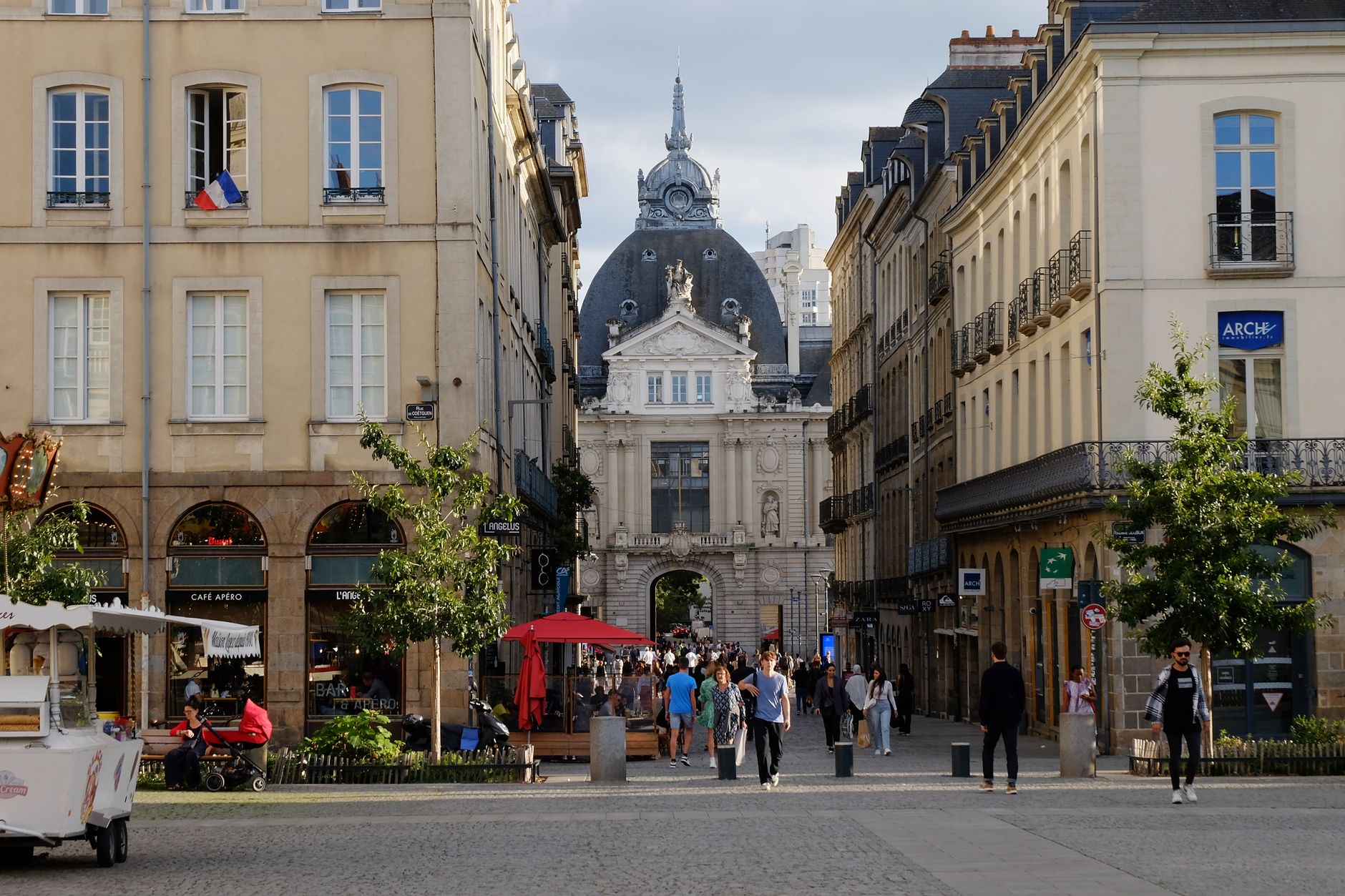
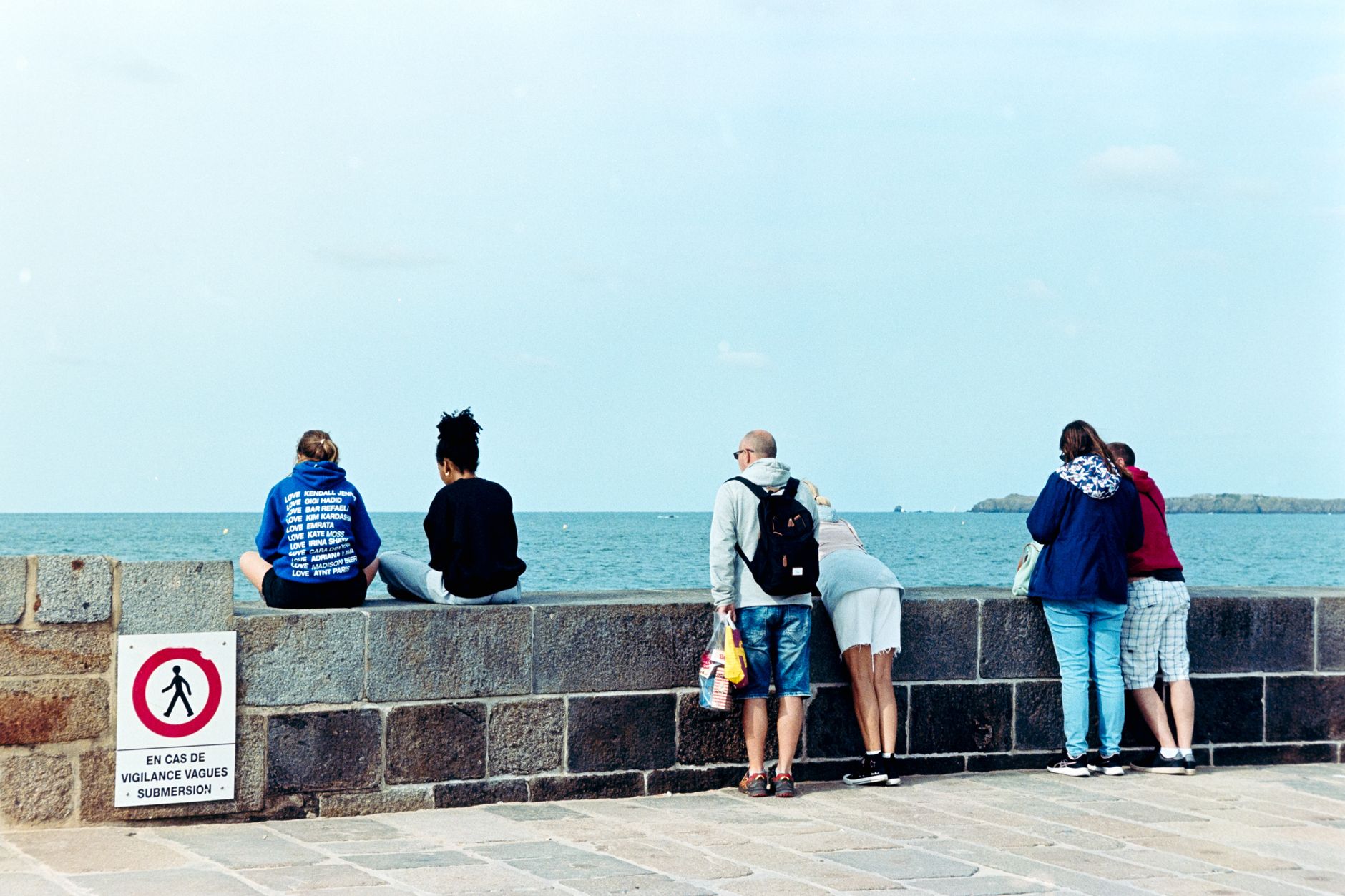
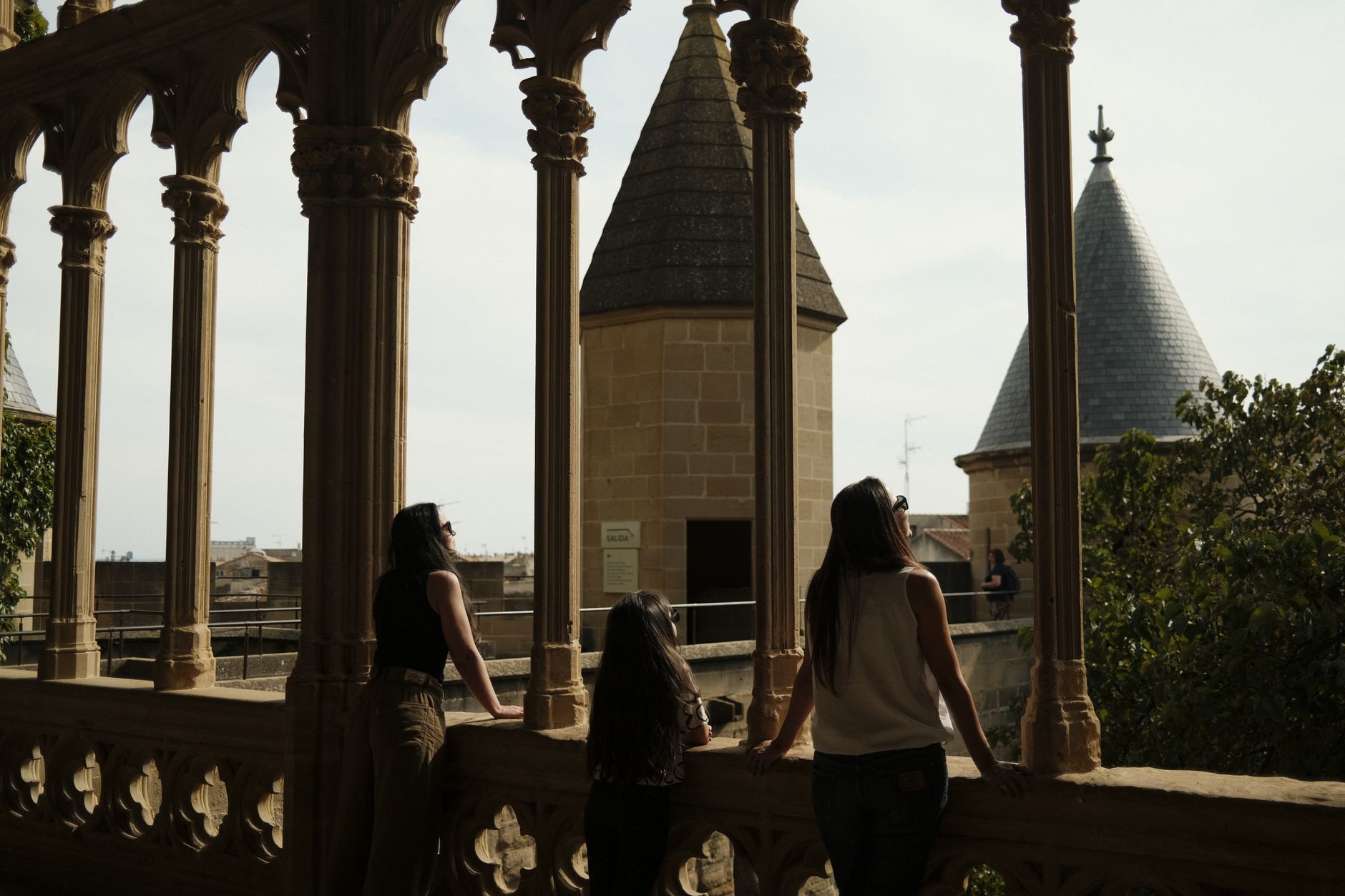
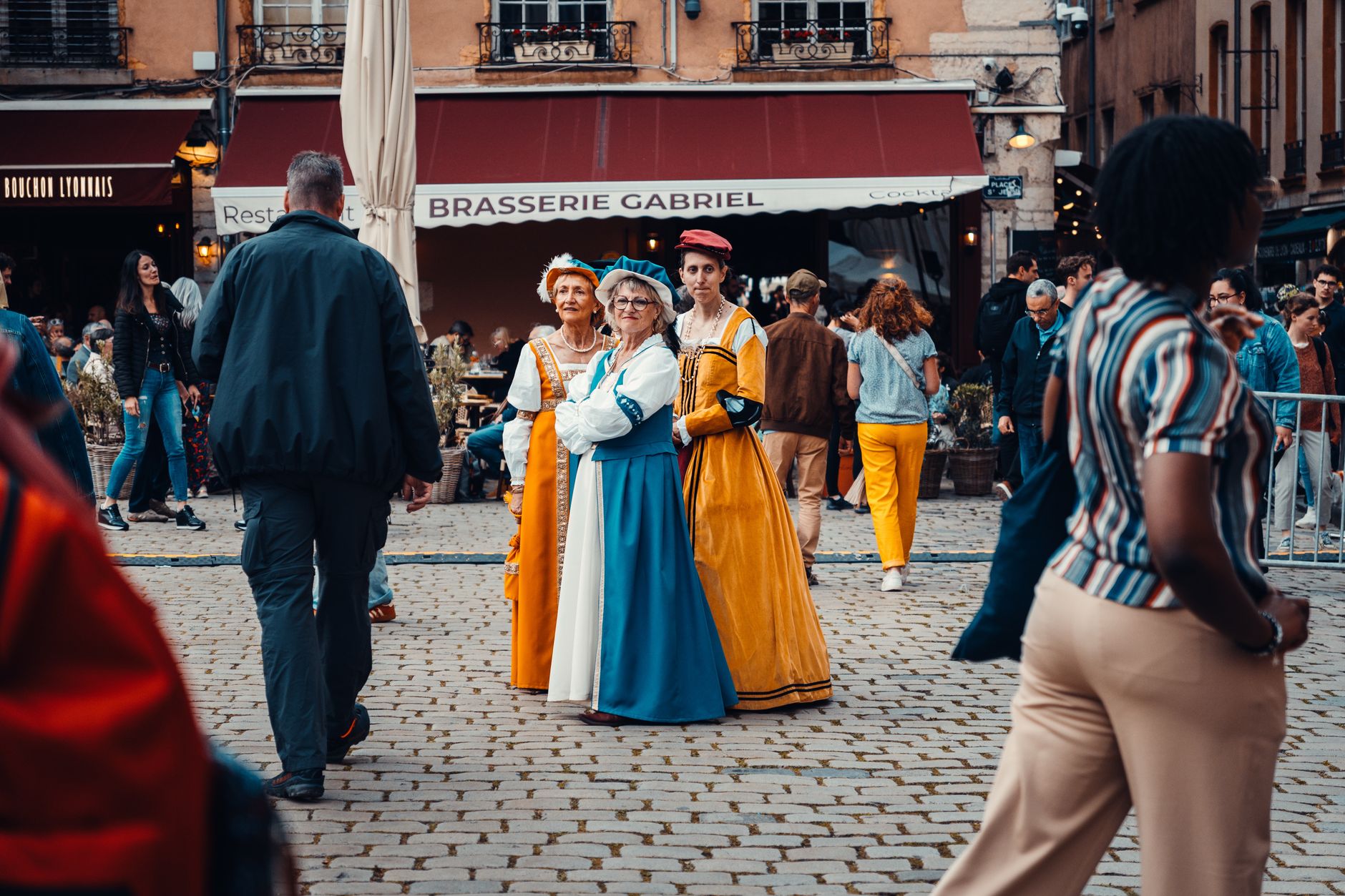
Bergerac earns its reputation on two things: wine and a nose that never existed. The Dordogne River slides past the old stone quays here, and the town that grew up beside it did so on the back of barrels — Bordeaux merchants once controlled this stretch of water, and Bergerac's vintners spent centuries fighting for the right to ship their own. That tension shaped the place as much as any war.
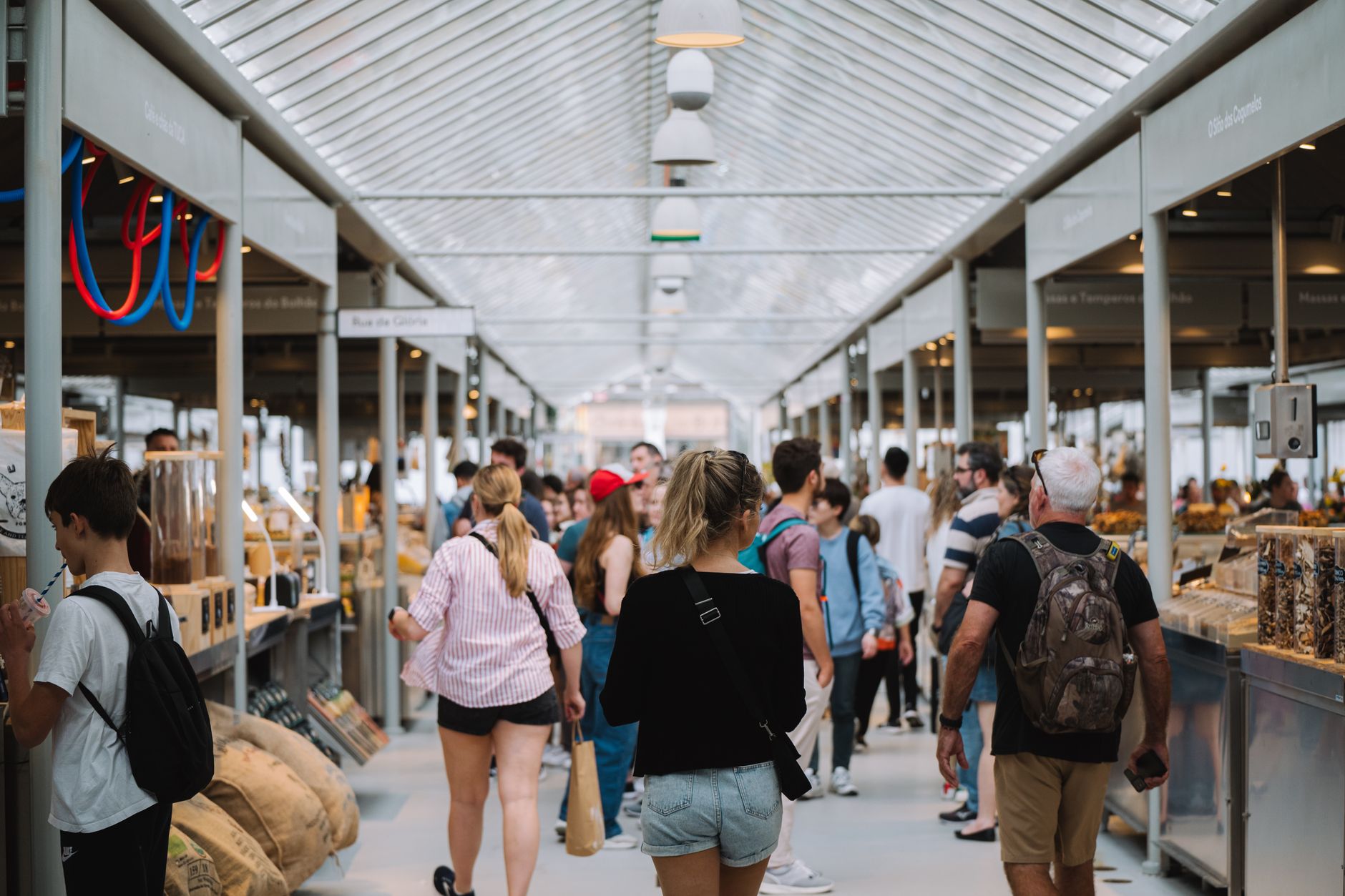
The old quarter is compact and walkable, its half-timbered houses clustering around Place Pelissière, where the bell-tower of the Église Saint-Jacques rises above the café tables. It's a working town, not a museum piece, and the Saturday market — one of the largest in the Dordogne — makes that clear.
💛 What travellers fall for
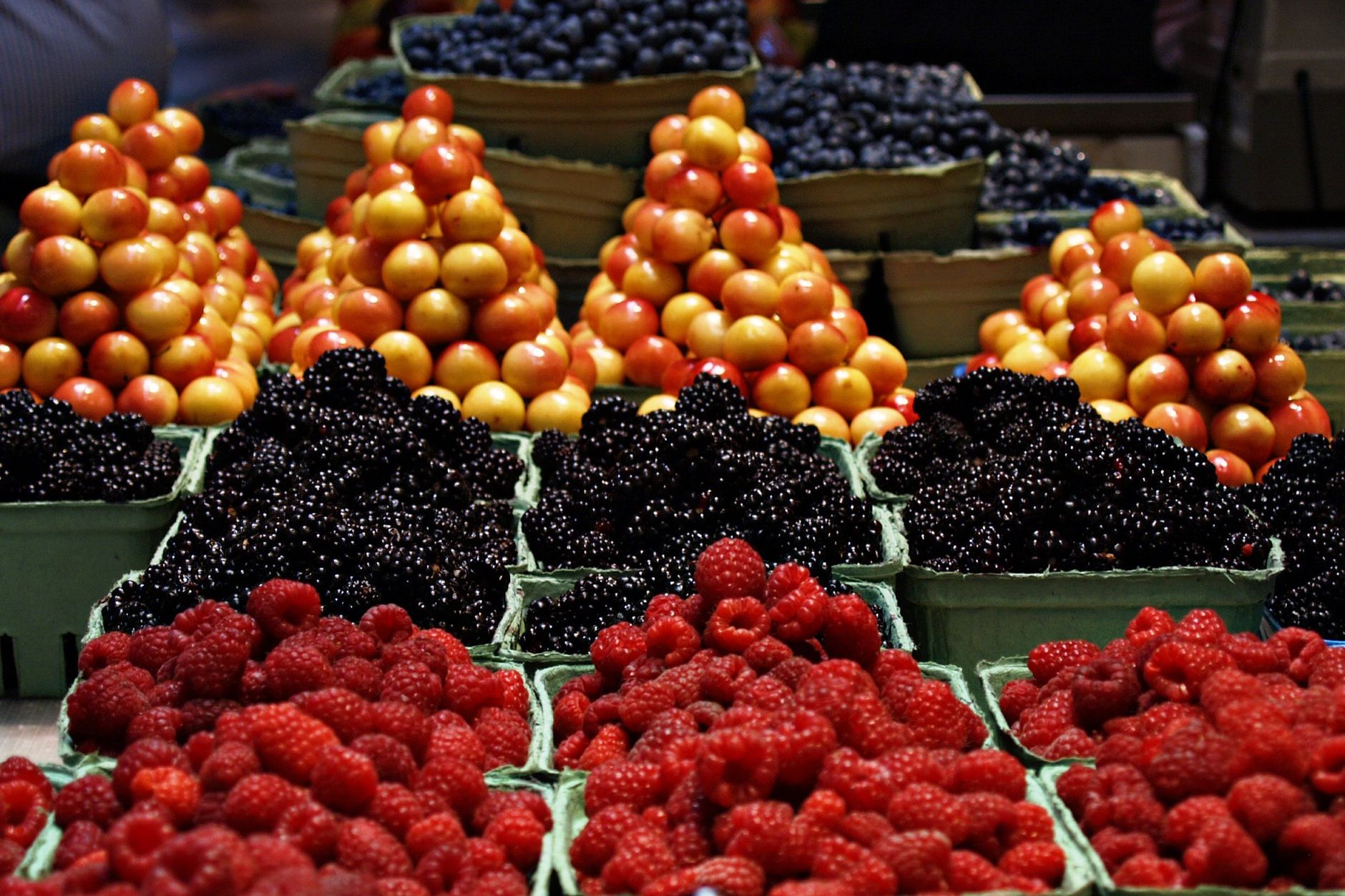
People who come back tend to time it around the Saturday market, arriving early before the stalls fill up. The Récollets Cloister, where the Maison des Vins sits, is worth a slow circuit even if you don't taste anything — the 12th-century stonework is quietly extraordinary. And the Musée Costi, free in summer, surprises almost everyone.
Experiences you don't want to miss



Deals in Bergerac
Book directly at the provider
How Bergerac came to be
A castle stood here in the 11th century, and for a long time Bergerac mattered for one simple reason: it held the only bridge across the Dordogne in the region. That bridge made it a prize. Through the Hundred Years War the town changed hands repeatedly between French and English forces, each side understanding that whoever controlled the crossing controlled the river trade.
The town's Protestant community gave it another chapter. On 17 September 1577, Henri III of France signed the Treaty of Bergerac here, a peace agreement with the Huguenots during the Wars of Religion — though the peace didn't last. Persecution through the late 17th century drove much of the Protestant population away, and the town contracted. It recovered slowly, re-establishing itself through tobacco and wine in the 20th century, and was designated a Town of Art and History by the French Ministry of Culture in 2013.
Who and what shaped it
People who shaped it
Landmark buildings
See Bergerac in motion
Plan your visit
On the map
When to go
Summers are warm and sunny — August pushes to around 29°C, and June delivers a reliable ten hours of daylight. Winter is cool and damp, with December and January bringing frequent rain and occasional light snow; if you're coming between December and February, pack accordingly. April is the wettest month overall, but spring and autumn sit in a comfortable middle ground.
Right now
Background & history adapted from Wikipedia (CC BY-SA) · specs from Wikidata (CC0) · weather from Open-Meteo · map data © OpenStreetMap contributors · photos from Wikimedia Commons / Unsplash with per-image credit. No third-party reviews or social posts reproduced.