Region

Île-de-France (Paris Region)

City break Culture & history Romantic getaway

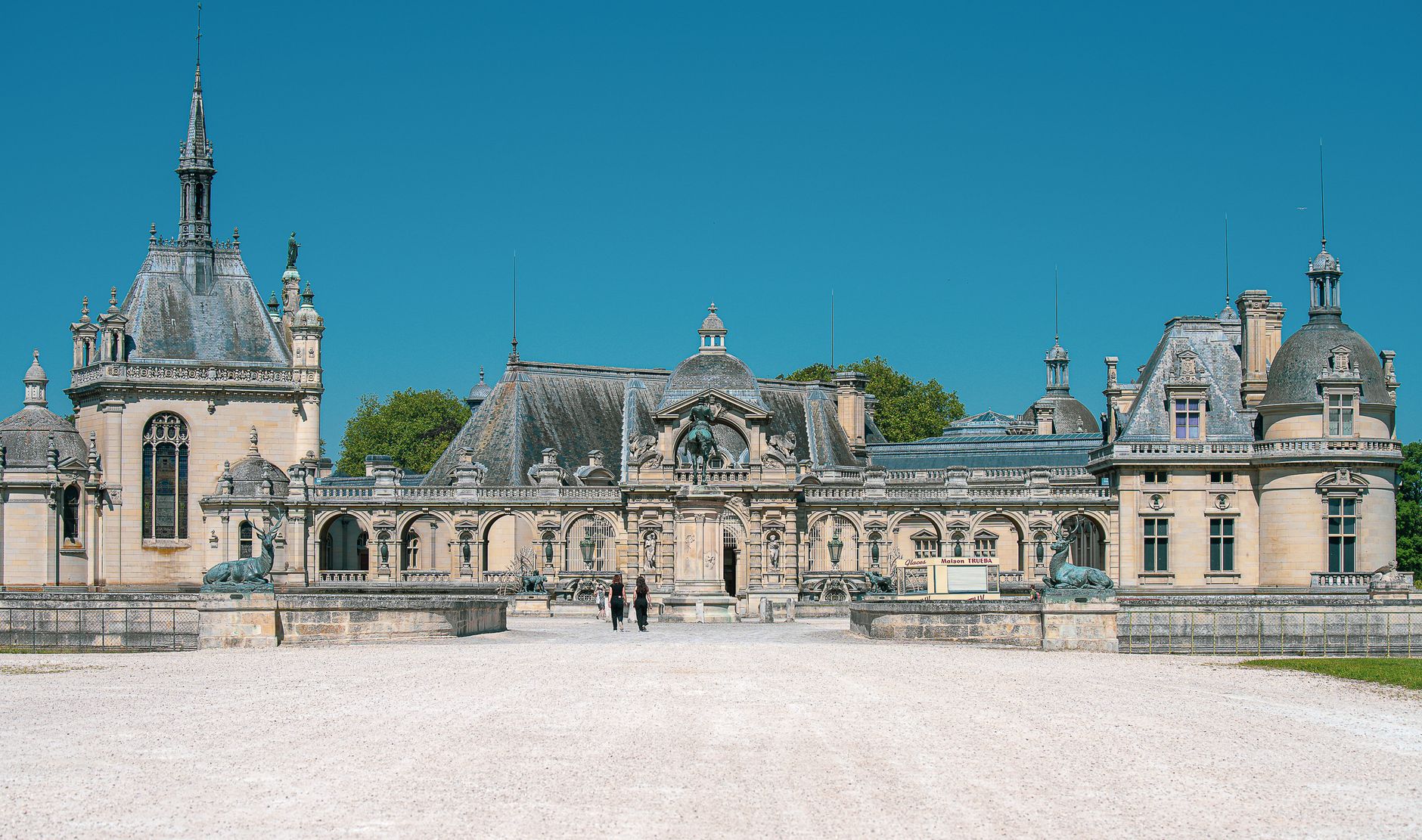
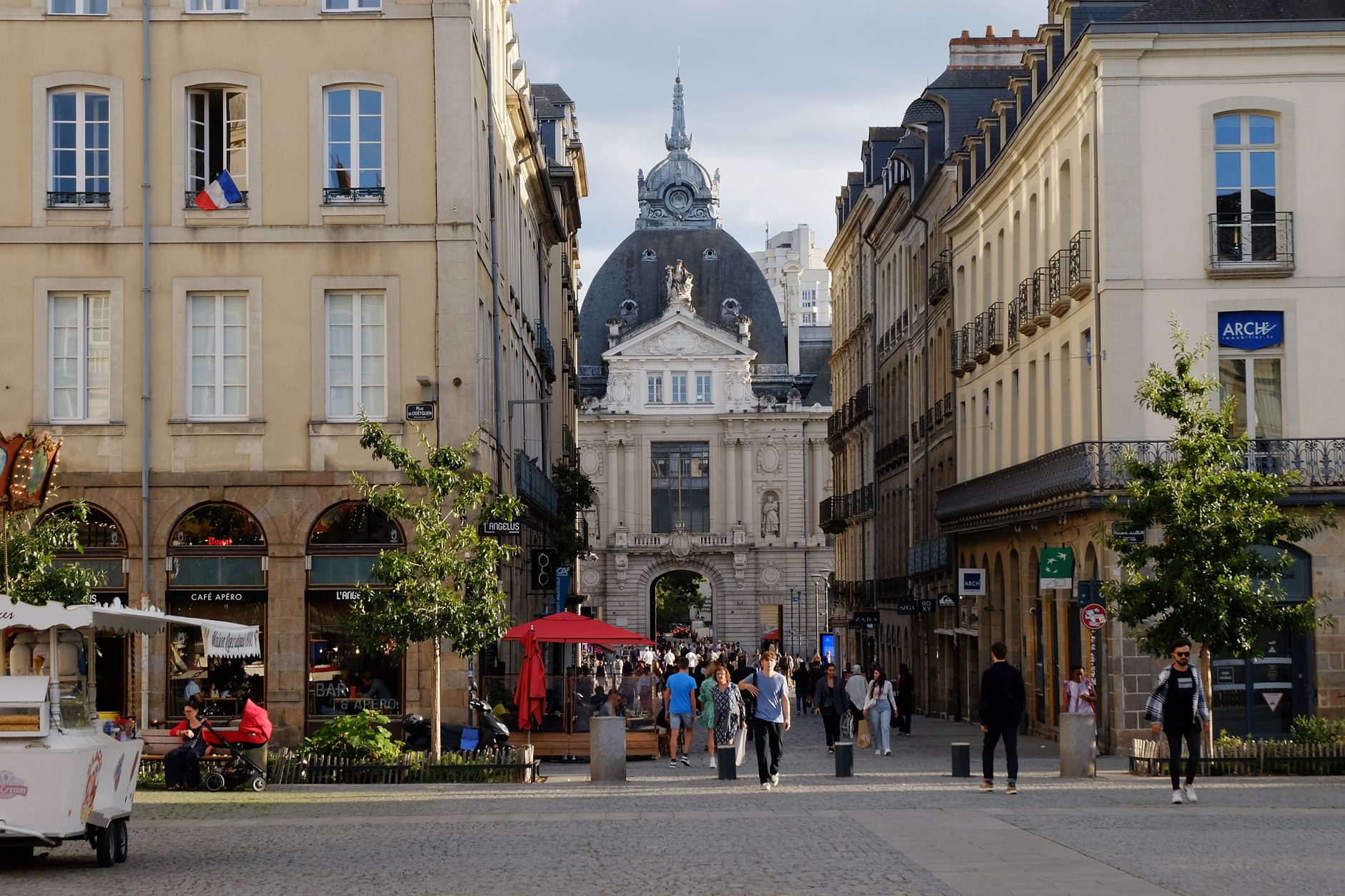
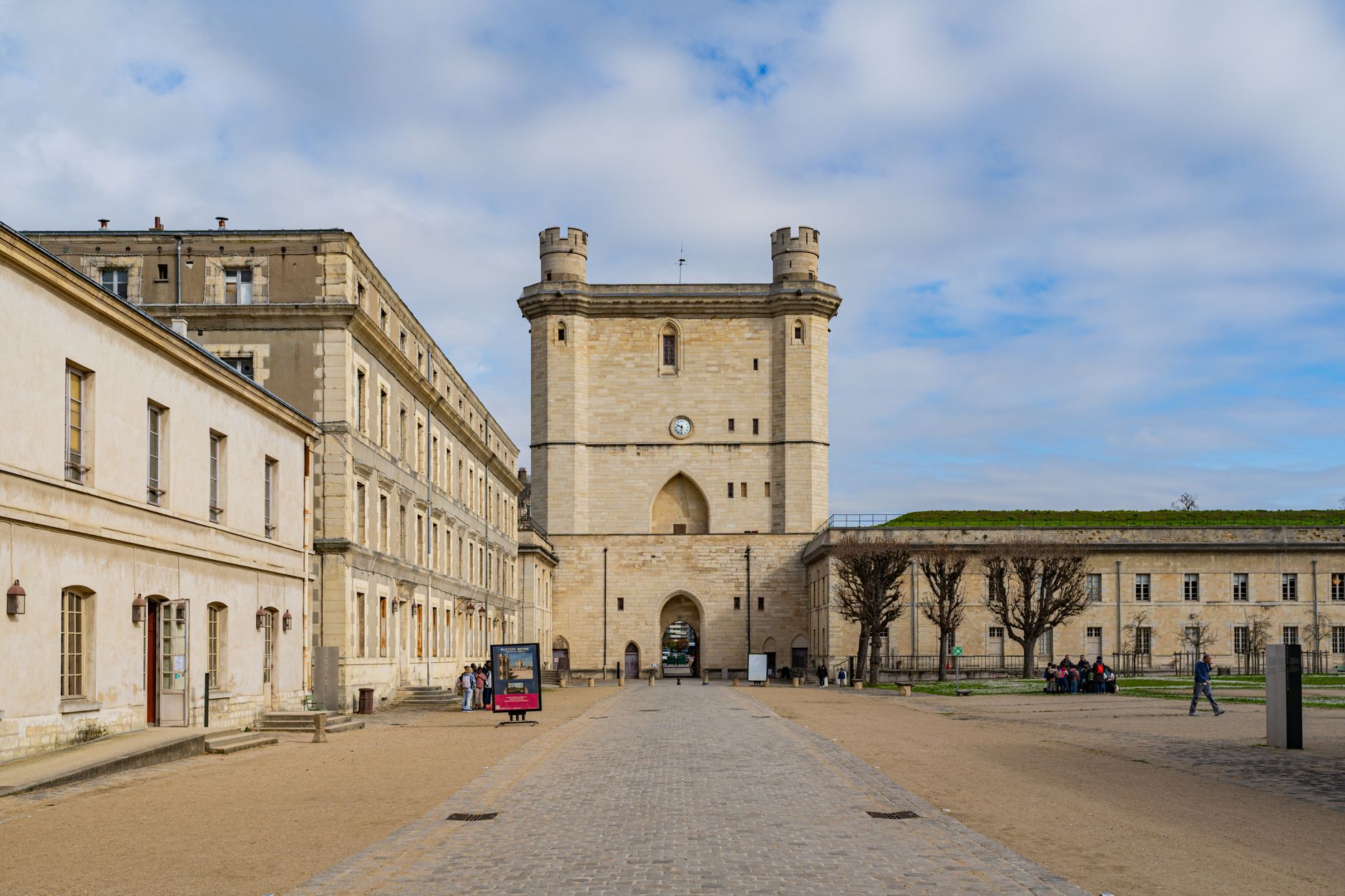
The Île-de-France is the ring of land that Paris sits at the centre of — eight departments, roughly twelve million people, and a concentration of monuments, royal estates and Gothic cathedrals that took the better part of a millennium to accumulate. The city itself is only part of the picture. Step outside the périphérique and you find the Hall of Mirrors at Versailles, the forest trails around Fontainebleau, the soaring nave of Chartres cathedral, and the quiet rooms at Malmaison where Napoleon kept his country life.

Good to know
The RER suburban rail network covers 602 km of track and connects central Paris to Versailles, Chartres, and the outer châteaux without a car. Spring and early autumn keep the crowds manageable. Summer weekends at Versailles and Vaux-le-Vicomte are genuinely crowded — weekday mornings are a different experience.
The story

How Île-de-France (Paris Region) came to be

The name 'Île-de-France' first appears in a document from 1387, describing the lands held directly by the French crown — the island, in effect, of royal power in a feudal sea. Long before that, the Parisii, a Gaulish tribe, had settled on an island in the Seine between 250 and 200 BC; Julius Caesar took it in 52 BC. The region's centrality was confirmed in 987 when Hugh Capet, Count of Paris, became king, and the Capetian dynasty that followed turned the city into the undisputed capital of France.

For much of the 17th and 18th centuries, Versailles — not Paris — was the seat of French government, a deliberate decoupling of royal authority from the capital's unruly streets. The modern administrative region took its current shape gradually: a Paris District was decreed in 1959, reorganised in 1966 and 1976, and finally given full political status as a territorial collectivity in 1982. President Valéry Giscard d'Estaing personally chose to revive the historic name, retiring the blander 'Région Parisienne' in the process.

People & landmarks

Who and what shaped it

People who shaped it

Hugh Capet
Count of Paris who became King of France in 987, establishing the Capetian dynasty and Paris as the nation's capital.
Philip II Augustus
King (1180–1223) who nearly doubled royal resources and quadrupled territory under direct control by defeating the English Plantagenets.
Louis XIV
Commissioned the Hôtel des Invalides as a hospital for wounded soldiers and made Versailles the official royal residence and seat of government.
Saint Denis
First Bishop of Paris; his martyrdom on Montmartre in the 3rd century established the region's early religious significance.
Napoleon Bonaparte
Commissioned the Arc de Triomphe in 1806 following the Battle of Austerlitz; maintained a country house at Malmaison.
Valéry Giscard d'Estaing
President who personally chose to revive the historic name 'Île-de-France' for the region in 1976, replacing 'Région Parisienne'.

Landmark buildings

Notre-Dame de Paris
Gothic cathedral begun in 1163 under Bishop Maurice de Sully, completed by the early 14th century.
Eiffel Tower
Built by Gustave Eiffel for the 1889 Exposition Universelle; now 330 metres tall with a 2022 digital radio antenna.
Arc de Triomphe
Monument commissioned by Napoleon in 1806 to celebrate his military victories, completed in 1836.
Sainte-Chapelle
Built in the early 13th century by King Louis IX to house his collection of passion relics, including Christ's crown of thorns.
Panthéon
18th-century mausoleum housing remains of Voltaire, Rousseau, Victor Hugo, Émile Zola, and Marie Curie.
Hôtel des Invalides
Commissioned by Louis XIV as a hospital for wounded soldiers; once housed up to 6,000 invalids, topped by a gilded dome.
Palace of Versailles
Official royal residence and seat of government from Louis XIV through the French Revolution; receives 7.7 million visitors annually.
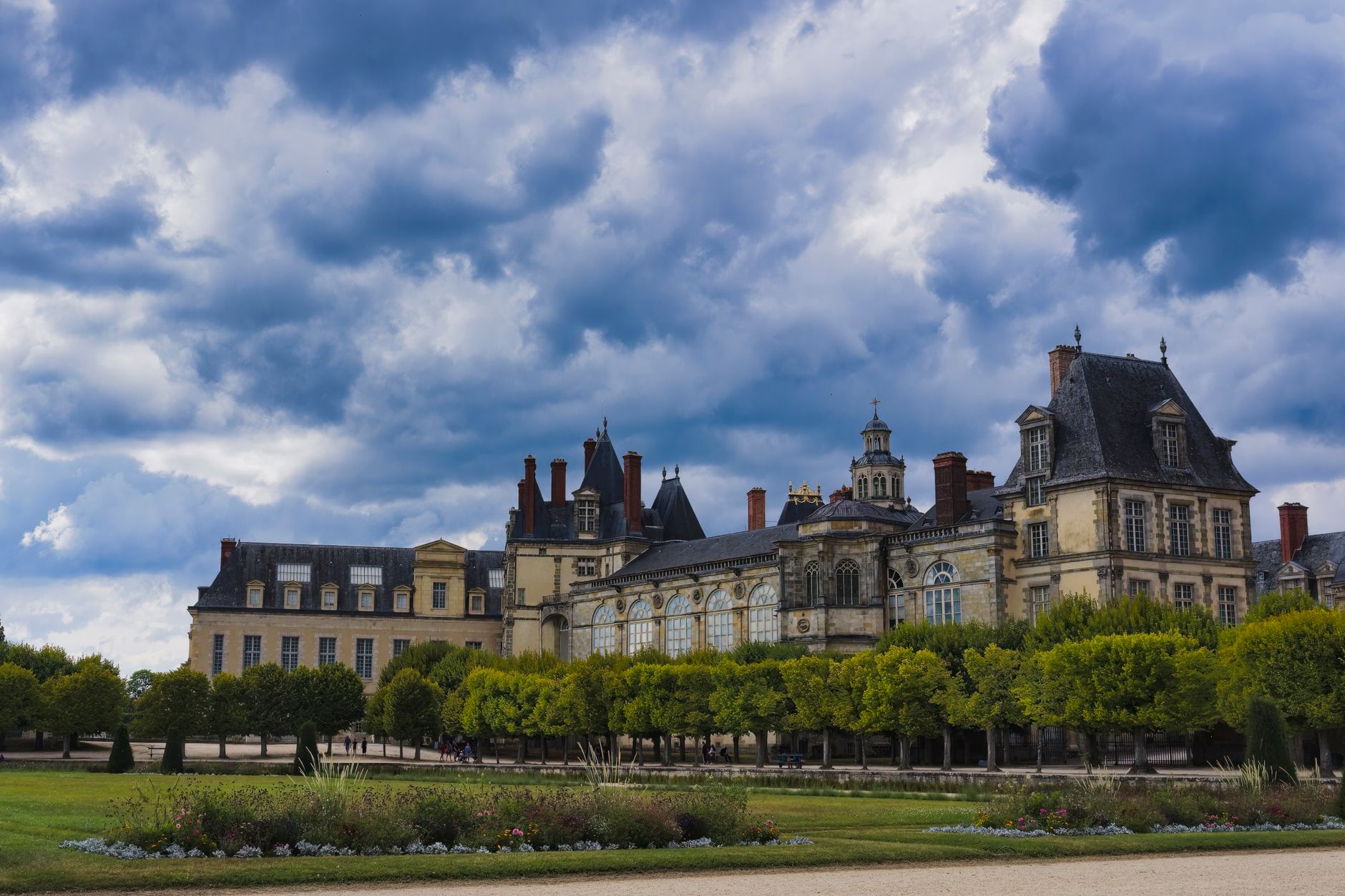
Palace of Fontainebleau
Historic royal palace in the Île-de-France region; receives approximately 500,000 visitors annually.
Château de Vaux-le-Vicomte
Historic château in the region attracting approximately 300,000 visitors annually.
Château de Malmaison
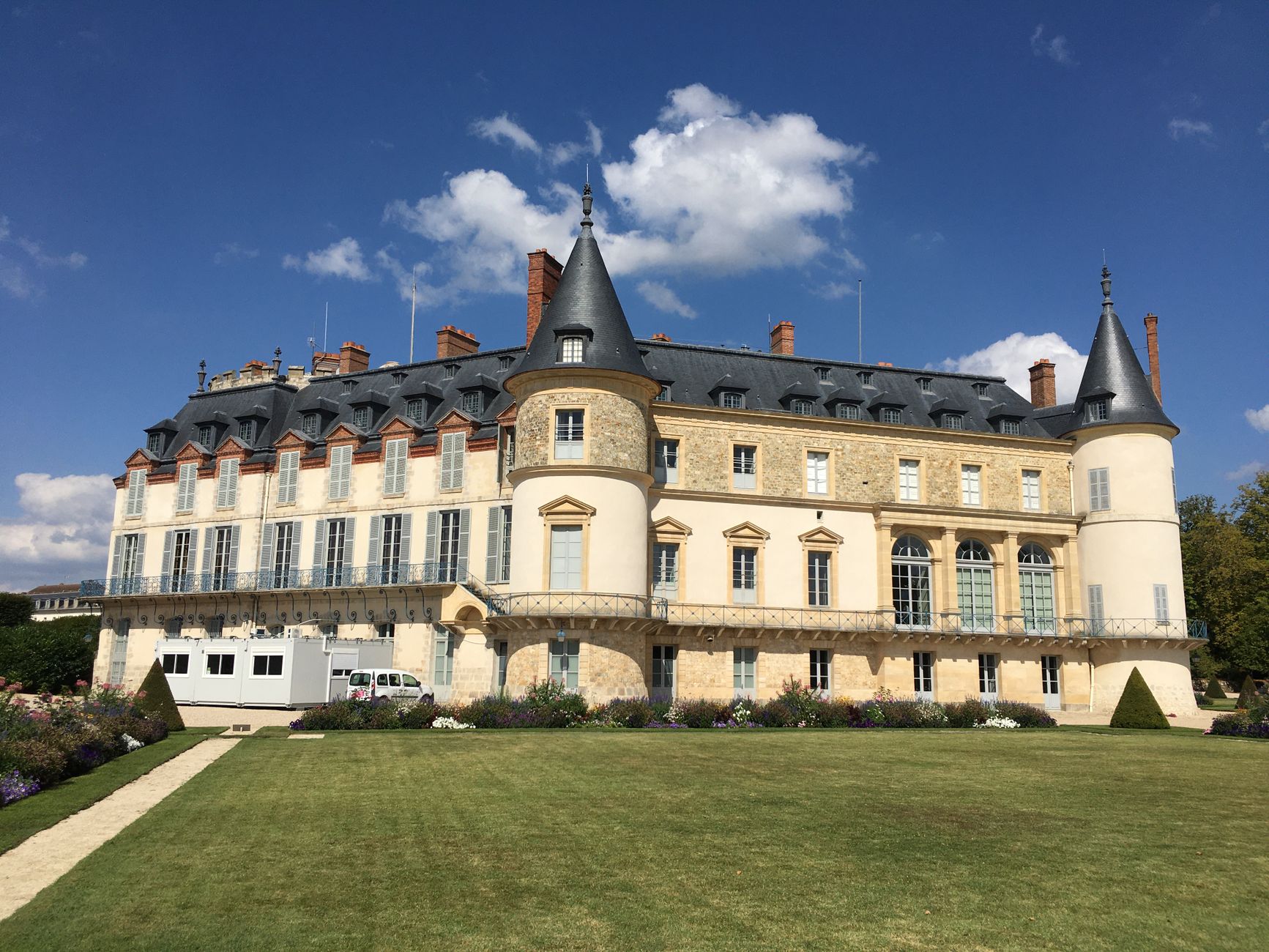
Napoleon's former country house, now a historic site in the Île-de-France region.
Basilica of Saint-Denis
Royal necropolis where the Kings of France were interred before the French Revolution.
Notre-Dame de Chartres
Gothic cathedral 80 km south-west of Paris, largely dating from the 13th century; considered a pinnacle of European Gothic architecture.
Watch

See Île-de-France (Paris Region) in motion

Practical

Plan your visit

On the map

When to go

Île-de-France has a temperate oceanic climate: mild, grey winters with occasional frost, warm summers that can tip into genuine heat in July and August. Spring and September offer the most reliable combination of light, greenery and moderate temperatures for moving between outdoor sites.

Right now

23°C
Partly cloudy
Sat
30°
19°
Sun
26°
15°
Mon
25°
13°
Tue
26°
14°
Weather data: Open-Meteo

↡ Cities


Background & history adapted from Wikipedia (CC BY-SA) · specs from Wikidata (CC0) · weather from Open-Meteo · map data © OpenStreetMap contributors · photos from Wikimedia Commons / Unsplash with per-image credit. No third-party reviews or social posts reproduced.

Top