
Meaux
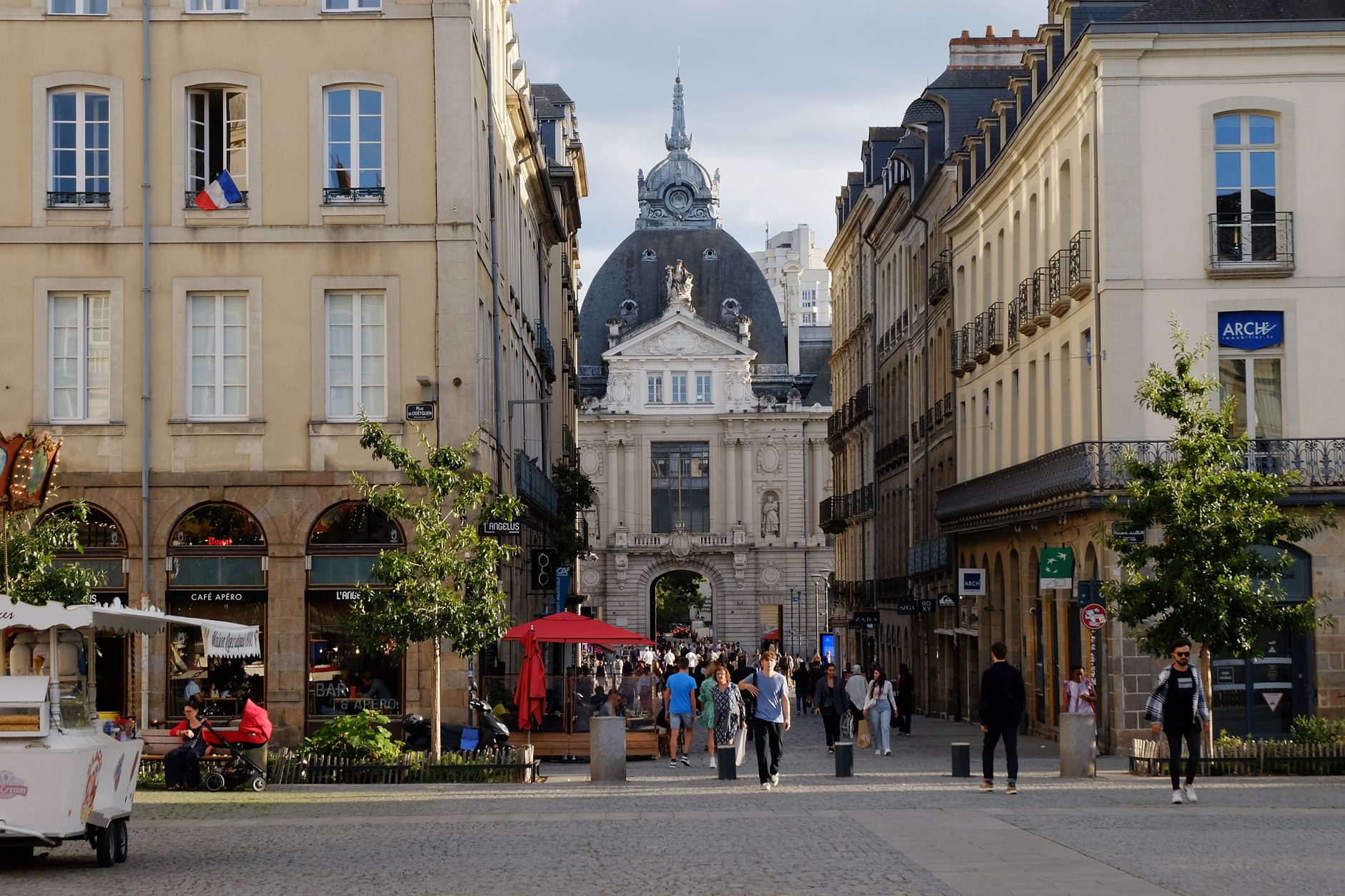
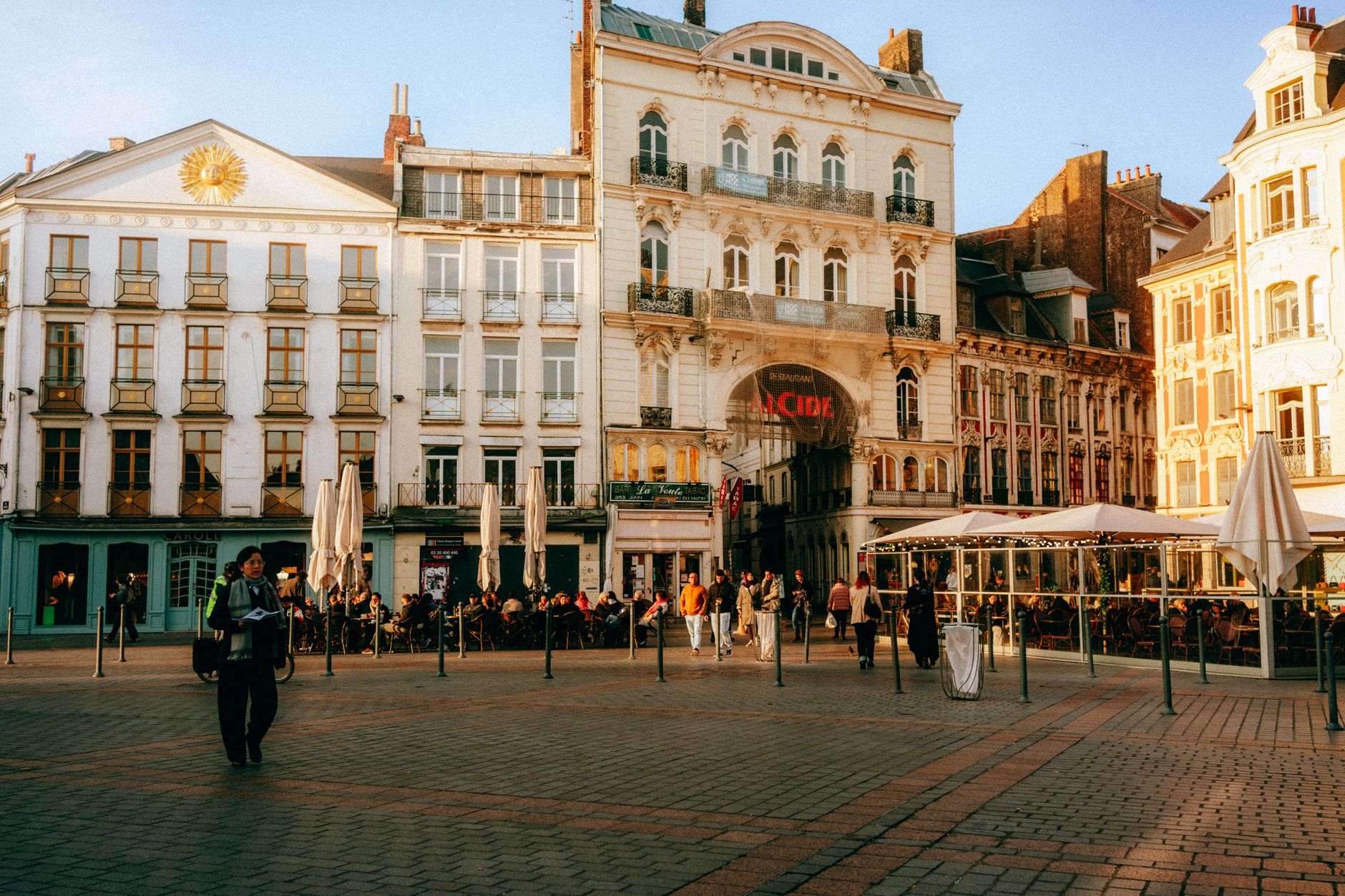
Forty minutes east of Paris on the Transilien from Gare de l'Est, Meaux sits in the Marne valley with the quiet confidence of a place that has never needed to explain itself. The cathedral — begun around 1170, not finished until the 1530s — anchors the old town, its flamboyant Gothic facade carrying five carved portals, the central one dense with Last Judgement figures that reward a long look.
Meaux also holds the world's largest World War I museum, opened in 2011 near the fields where the First Battle of the Marne was fought in September 1914. These two things — the medieval and the catastrophically modern — sit within easy walking distance of each other, which is part of what makes a day here feel unexpectedly full.
💛 What travellers fall for
People who come back tend to mention the Jardin Bossuet more than almost anything else — the 100-year-old lime trees, the box-edged beds, the pond, the sense that the garden hasn't been restaged for visitors. The cathedral is free to enter, so the temptation to duck back in a second time costs nothing.
Experiences you don't want to miss


Deals in Meaux
Book directly at the provider

How Meaux came to be
The city's name traces back to the Meldi, a Gaulish tribe the Romans found here; the episcopal see followed in the 4th century, giving Meaux its long ecclesiastical identity. From 923 to 1361 it belonged to the counts of Champagne, and in 1421–1422 Henry V's forces laid siege to it during the Hundred Years' War, mining and bombarding the walls until they fell.
The Reformation left a sharp mark too. In 1546, Étienne Mangin opened his house at 73 Rue du Marché as the first Calvin-inspired Protestant church in France; fourteen of the congregation were burned at the stake on October 8 of that year. Three and a half centuries later, in September 1914, the fields around Meaux became one of the defining battlegrounds of the First World War.
Who and what shaped it
People who shaped it
Landmark buildings
See Meaux in motion
Plan your visit
On the map
When to go
May through September is the most comfortable window, with daytime highs running from around 20°C in late spring to 26°C in August. February days can sit at 8°C, and nights through winter drop close to freezing, so a cold-season visit calls for layers.
Right now
Background & history adapted from Wikipedia (CC BY-SA) · specs from Wikidata (CC0) · weather from Open-Meteo · map data © OpenStreetMap contributors · photos from Wikimedia Commons / Unsplash with per-image credit. No third-party reviews or social posts reproduced.