
Fontainebleau
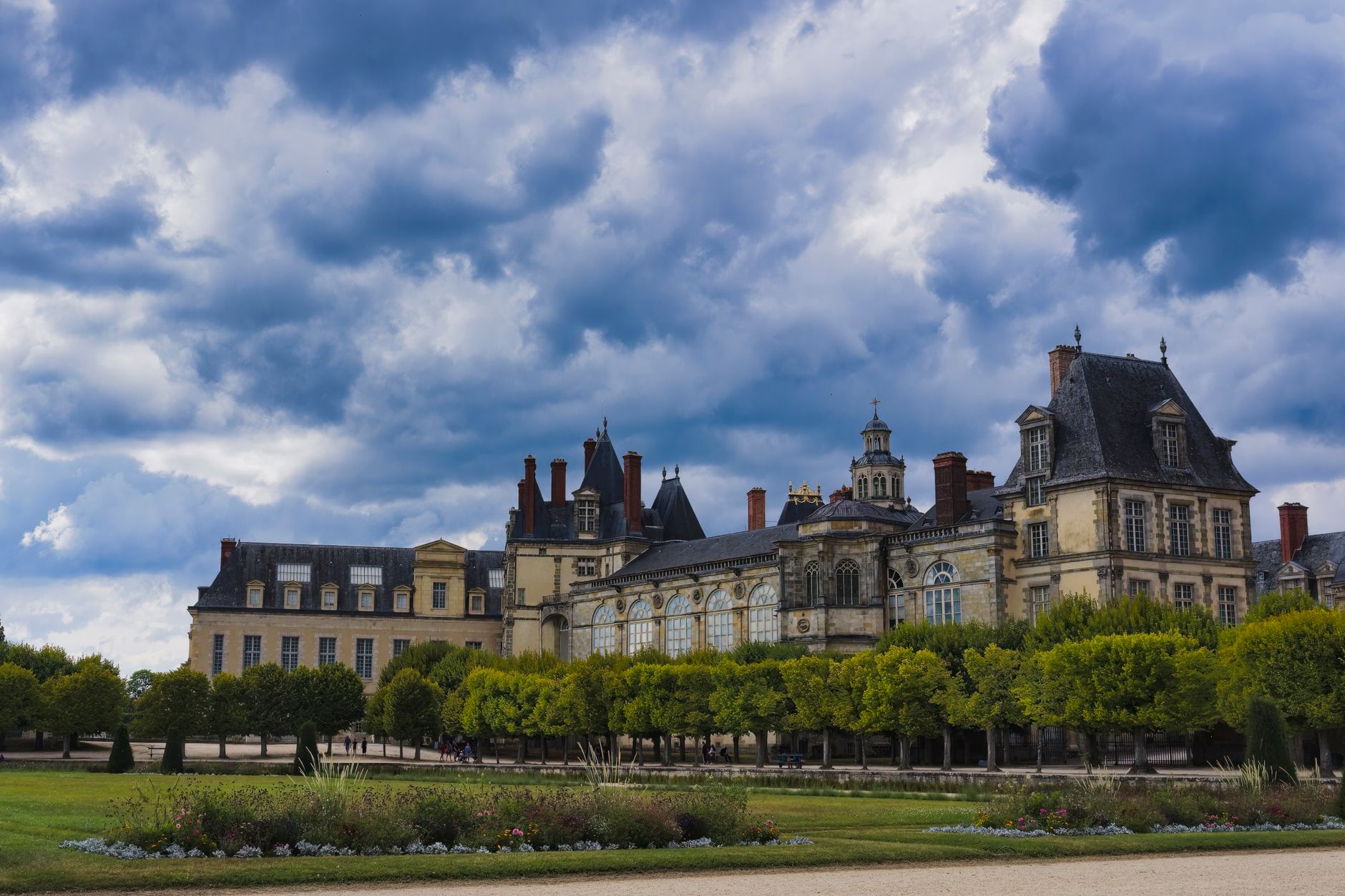
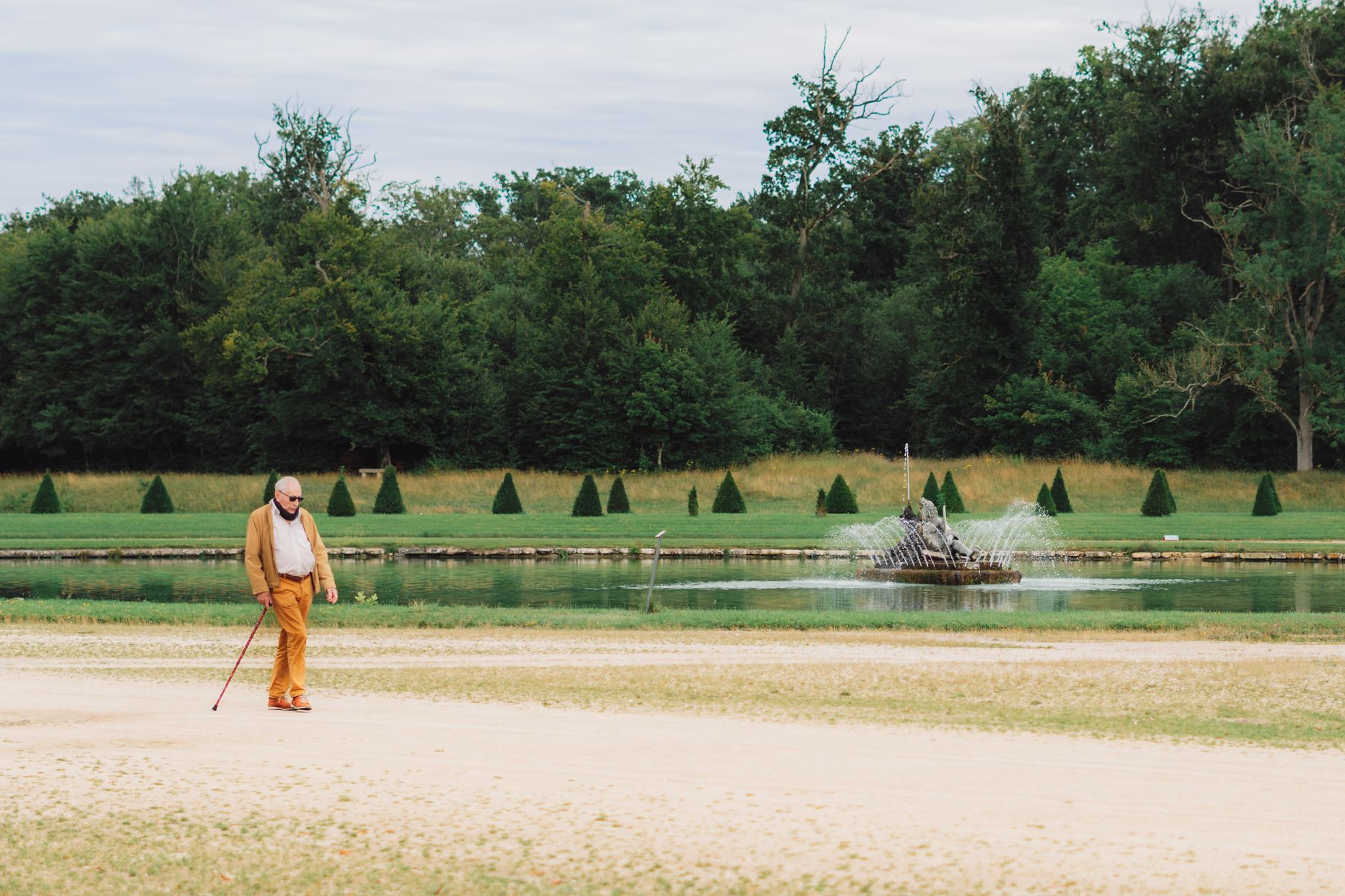
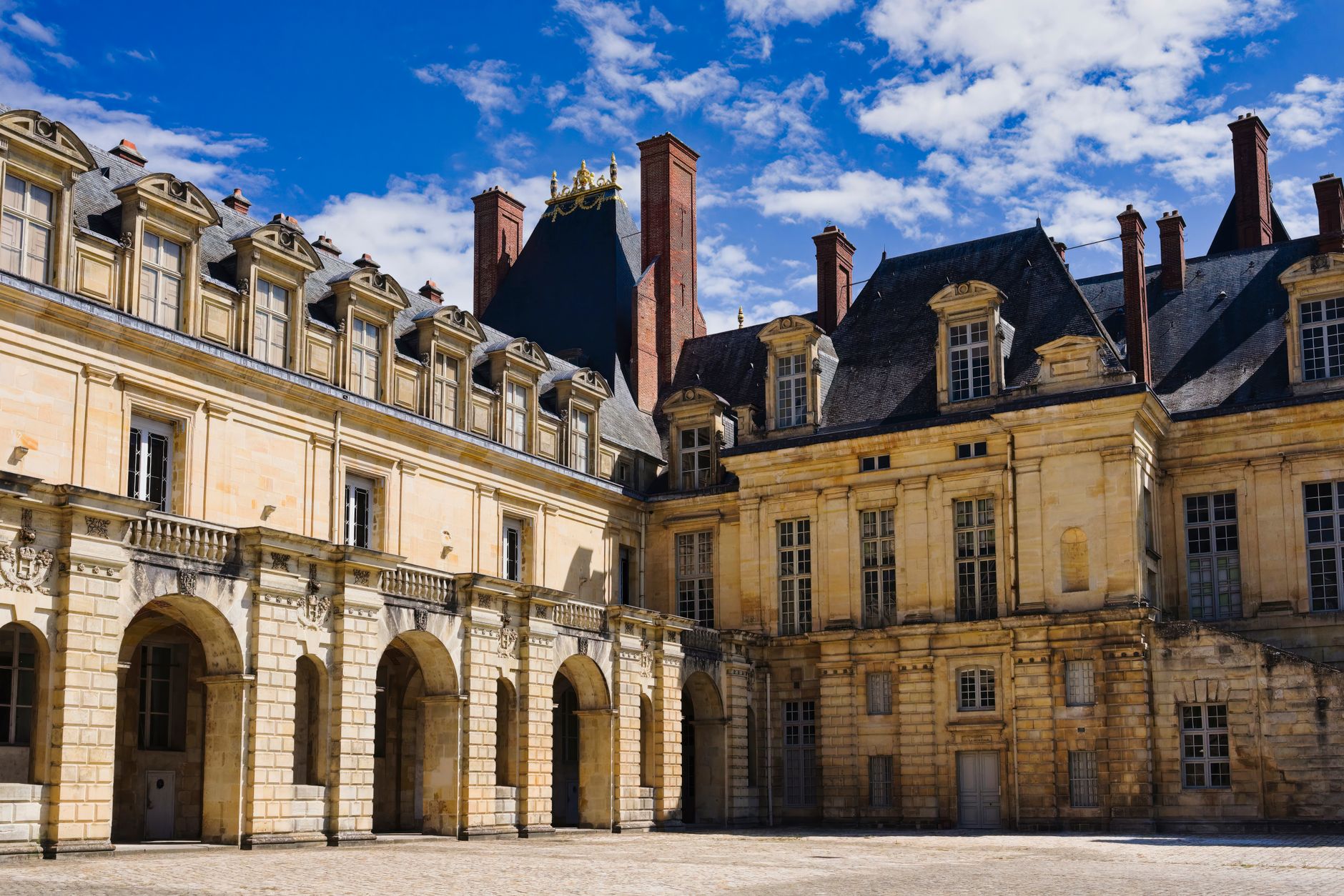
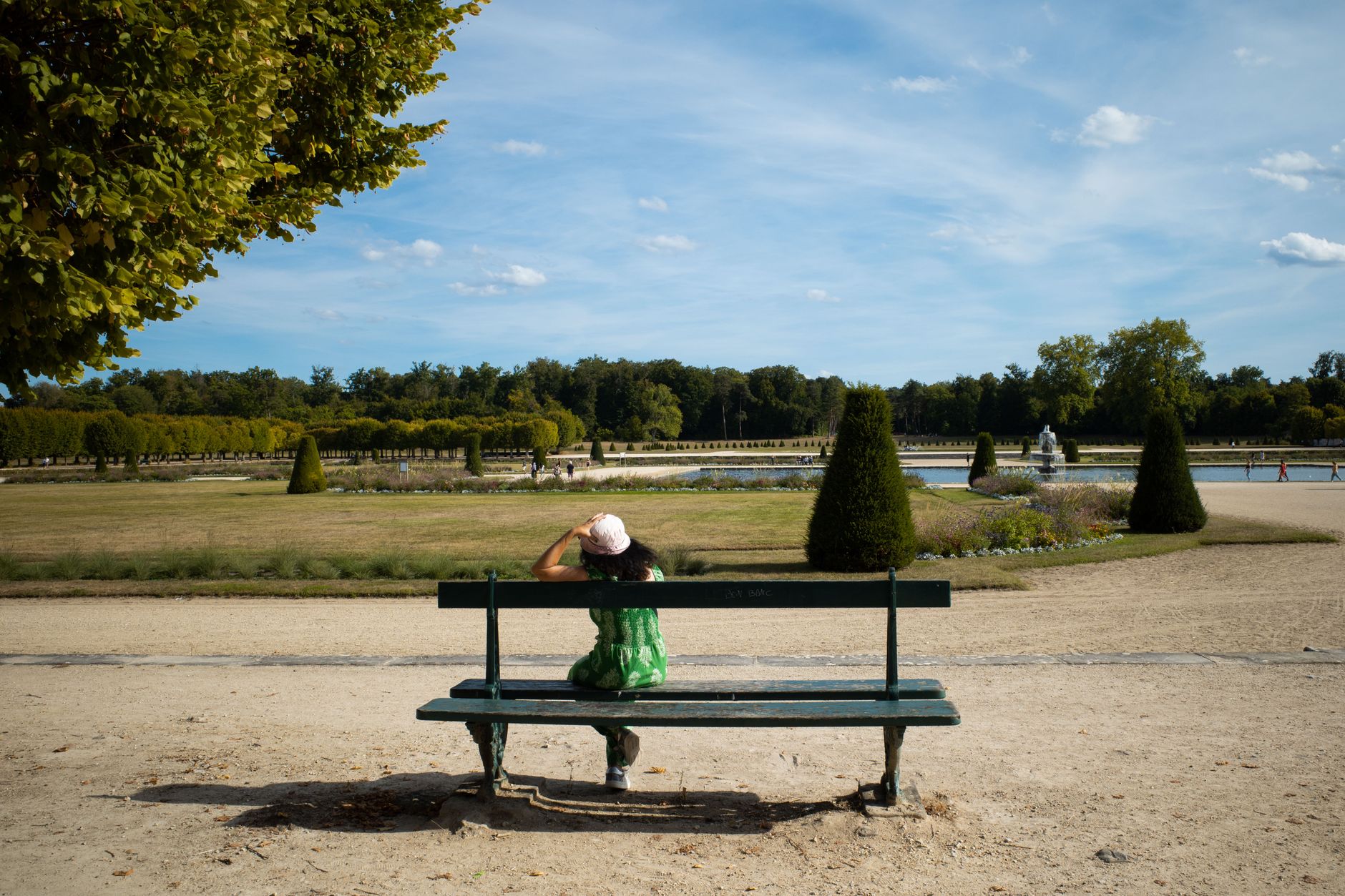

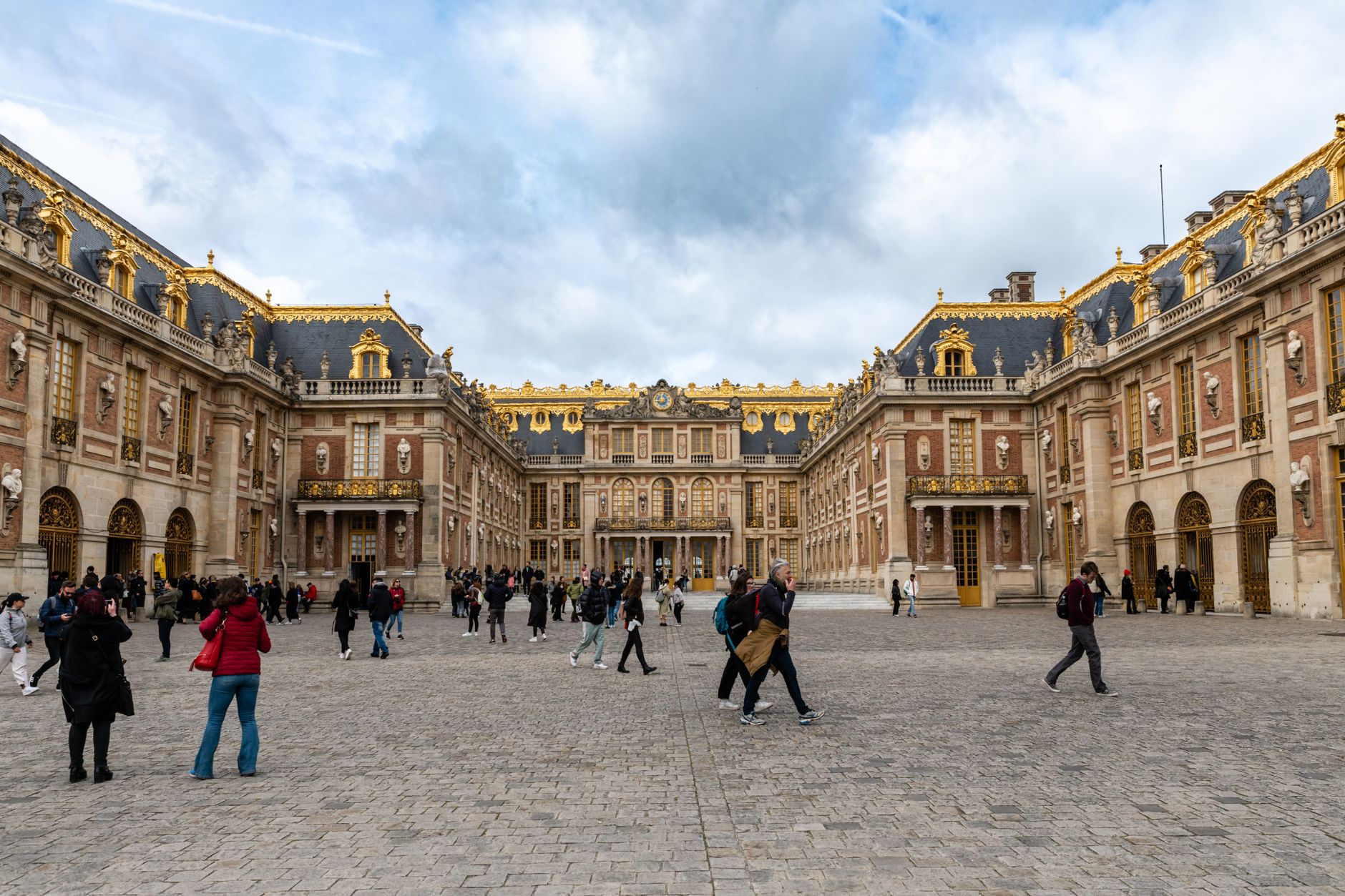
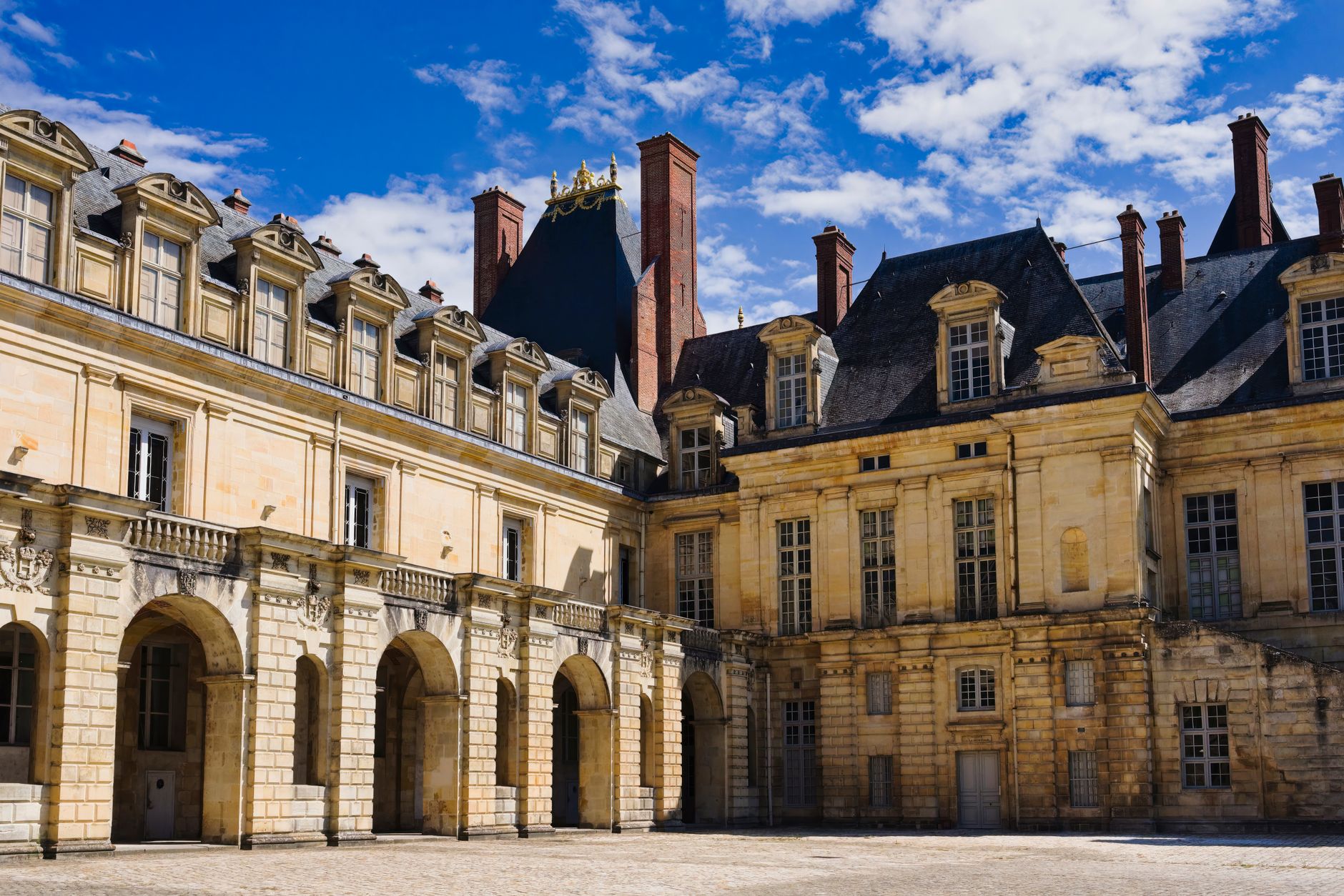
The first thing you notice at Fontainebleau is the scale — not of the château alone, but of everything together: five courtyards of different shapes, 130 hectares of gardens, a carp pond whose oldest residents have been swimming since before the Revolution. Louis XIV spent more days here than at any other palace, arriving each autumn to hunt the surrounding forest, and the accumulated attention of five centuries of French monarchy is visible in every wing.
The town of Fontainebleau sits 55 kilometres south of Paris, quiet enough that the palace genuinely dominates it. The forest beyond — vast, boulder-strewn — is its own destination for climbers and walkers.
💛 What travellers fall for
People who come back tend to make for the Bassin des Carpes first, partly to see the carp (genuinely ancient, genuinely large), partly because the octagonal pavilion at the centre earns its place in any photograph. The Jeu de Paume court — among the oldest three surviving in France — is easy to overlook and worth finding.
Experiences you don't want to miss




Deals in Fontainebleau
Book directly at the provider
How Fontainebleau came to be
A royal charter places Louis VII at Fontainebleau as early as 1137, and he founded the chapel here in 1169. A medieval hunting lodge followed, fell into neglect, and might have stayed that way — but in 1528 Francis I commissioned a wholesale reconstruction. Architect Gilles Le Breton directed the first phase, building the Oval Courtyard; Sebastiano Serlio arrived from Italy, and painters Rosso Fiorentino and Francesco Primaticcio filled the Gallery of Francis I with frescoes and stucco that would define the School of Fontainebleau.
Every monarch from Francis I to Louis XV left a mark. Henry IV cut the canal and built extensively. Louis XIV added the Grand Parterre — still the largest formal garden in Europe — and had André Le Nôtre redesign the grounds. Napoleon signed his first abdication here on 4 April 1814 in the council chamber, a moment the palace wears with a certain gravity. It became a national museum in 1927 and a UNESCO World Heritage Site in 1981.
Who and what shaped it
People who shaped it
Landmark buildings
See Fontainebleau in motion
Plan your visit
On the map
When to go
Fontainebleau follows the temperate Île-de-France pattern: mild springs, warm summers that peak around 25°C, and cool autumns when the forest turns and the light is particularly good. Winters are cold and occasionally grey, but the palace and gardens remain open and are rarely crowded.
Right now
Background & history adapted from Wikipedia (CC BY-SA) · specs from Wikidata (CC0) · weather from Open-Meteo · map data © OpenStreetMap contributors · photos from Wikimedia Commons / Unsplash with per-image credit. No third-party reviews or social posts reproduced.