
Provins
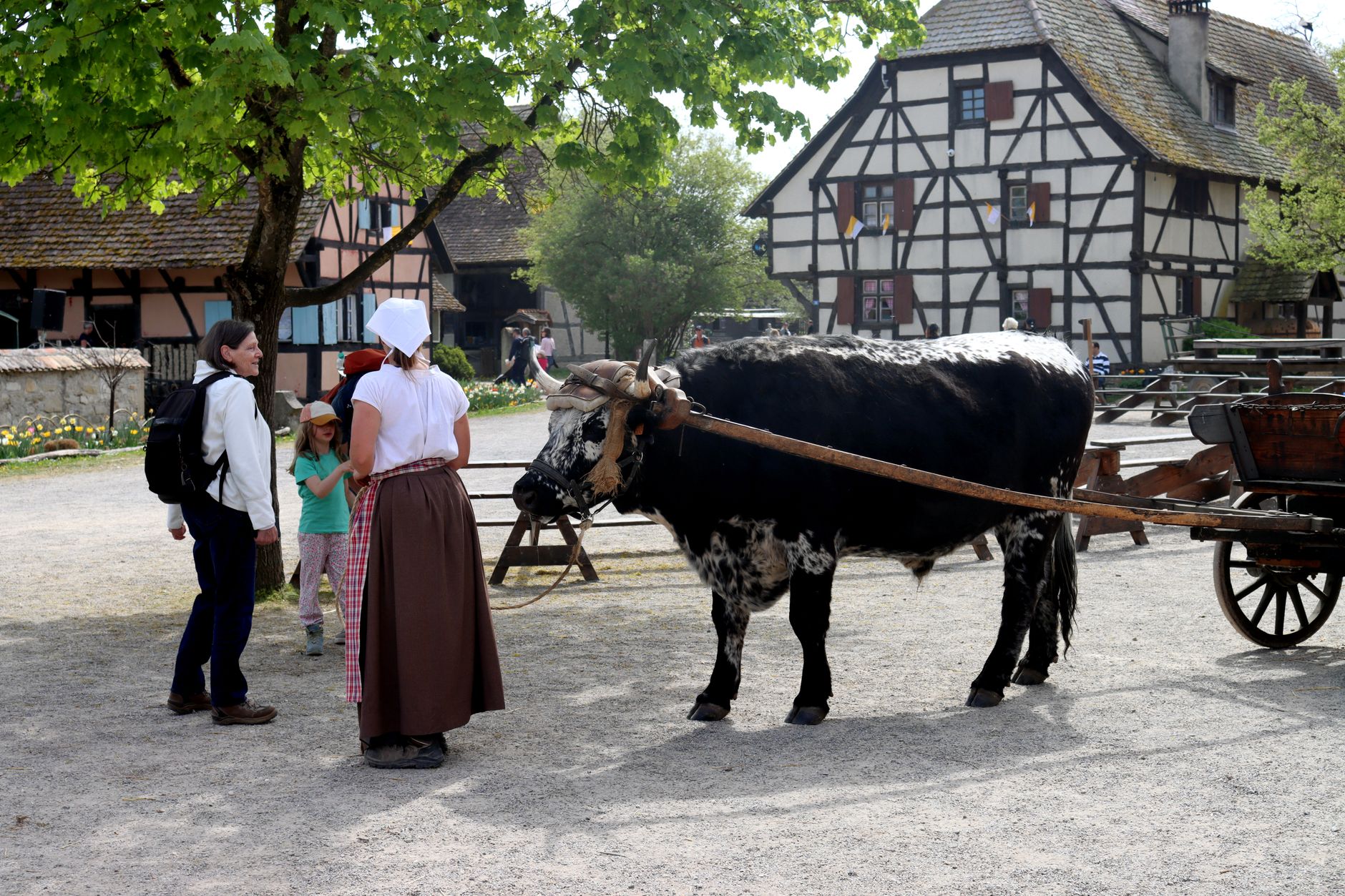

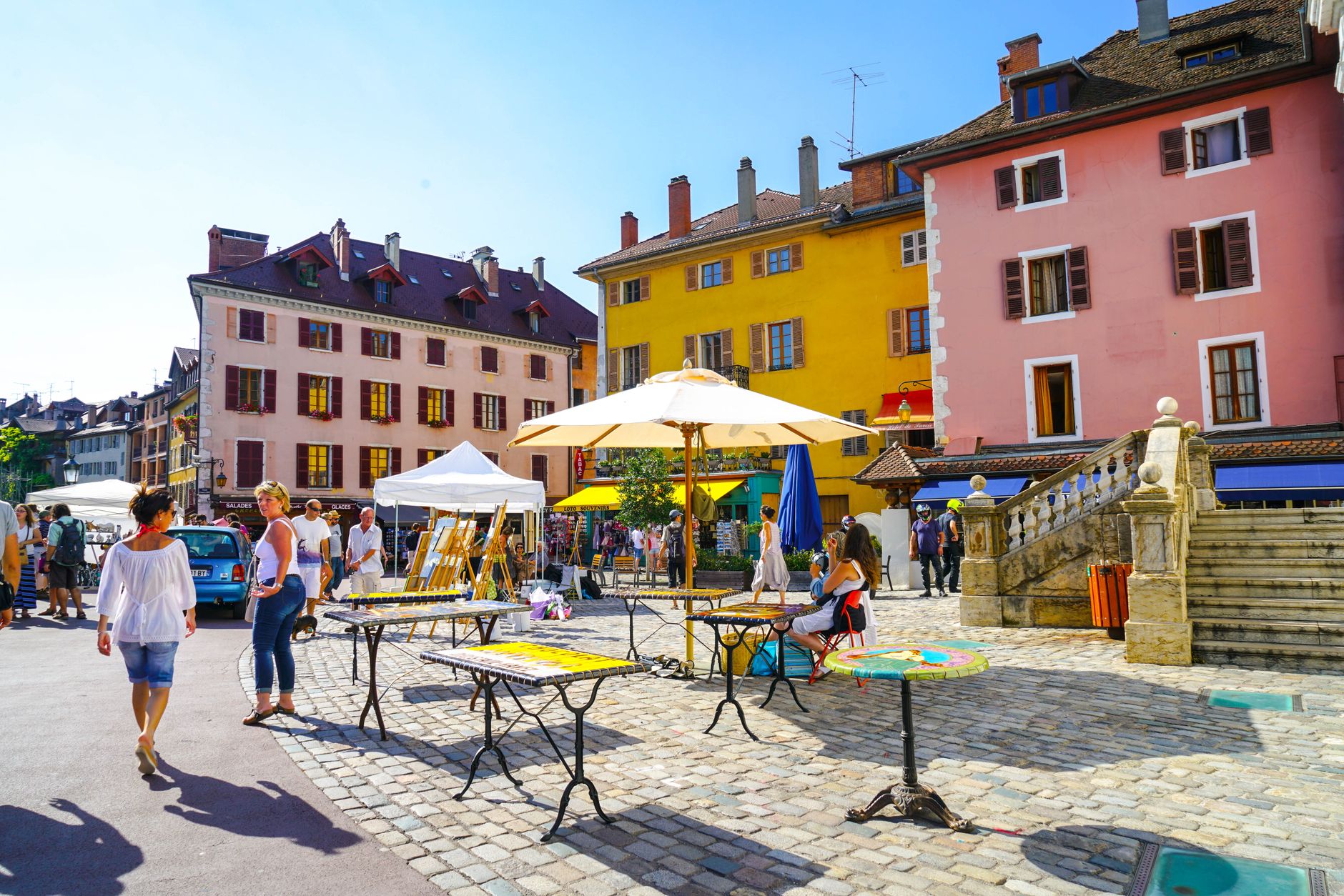
The train from Paris-Est drops you at a medieval market town where the upper streets still run along a ridge fortified in the 13th century, 22 towers and 1,200 metres of wall intact enough to walk beside. At its centre, the César Tower — a 12th-century keep that has served as watchtower, refuge and prison — stands over a lower town of merchant houses whose stone-vaulted cellars once held bolts of Flemish cloth and barrels of spice.
Provins was, briefly, one of the most consequential commercial addresses in Europe. The Champagne Fairs ran here from roughly 1120 to 1320, drawing traders from as far as Italy and Flanders. The town has not forgotten: UNESCO listed it in 2001, and the medieval fabric — church, tithe barn, underground galleries — is better preserved than most places with a comparable past.
💛 What travellers fall for
People who come back tend to arrive early and head straight underground — the limestone galleries beneath the upper town are several kilometres long and far less crowded than the tower. The Provins Pass at €17 is genuinely good value if you plan to do more than one site; pick it up at the tourist office on chemin de Villecran before the monuments open.
Experiences you don't want to miss




Deals in Provins
Book directly at the provider


How Provins came to be
Provins sits at a crossroads that was already in use during Roman Gaul, where a route from Soissons to Troyes met the road toward Sens. By the 9th century the town was minting its own coin, the denier provinois, and Charlemagne's inspectors had passed through. Monks fleeing Norman raids established the lower town in the same century.
The Champagne Fairs transformed it. Between roughly 1120 and 1320, Provins became one of the great trading nodes of medieval Europe, its population reaching 80,000 at the height of the 13th century. The tithe barn, the merchant houses with their counting rooms, and the kilometres of storage cellars carved from limestone all date from this period. King Philip IV's punishing tax regime in the late 13th century broke the cycle — residents fled, the fairs collapsed, and the Saint-Quiriace Collegiate Church, begun in the 12th century, was never completed. Its dome was added only in the 17th century, a quiet record of interrupted ambition.
Who and what shaped it
People who shaped it
Landmark buildings
See Provins in motion
Plan your visit
On the map
When to go
Provins has a temperate northern-French climate: mild and often grey in winter, with spring and early summer the most reliable for walking the ramparts. July and August are warm and busy; autumn turns the upper town quieter and the light more interesting for photography.
Right now
Background & history adapted from Wikipedia (CC BY-SA) · specs from Wikidata (CC0) · weather from Open-Meteo · map data © OpenStreetMap contributors · photos from Wikimedia Commons / Unsplash with per-image credit. No third-party reviews or social posts reproduced.