
Chantilly
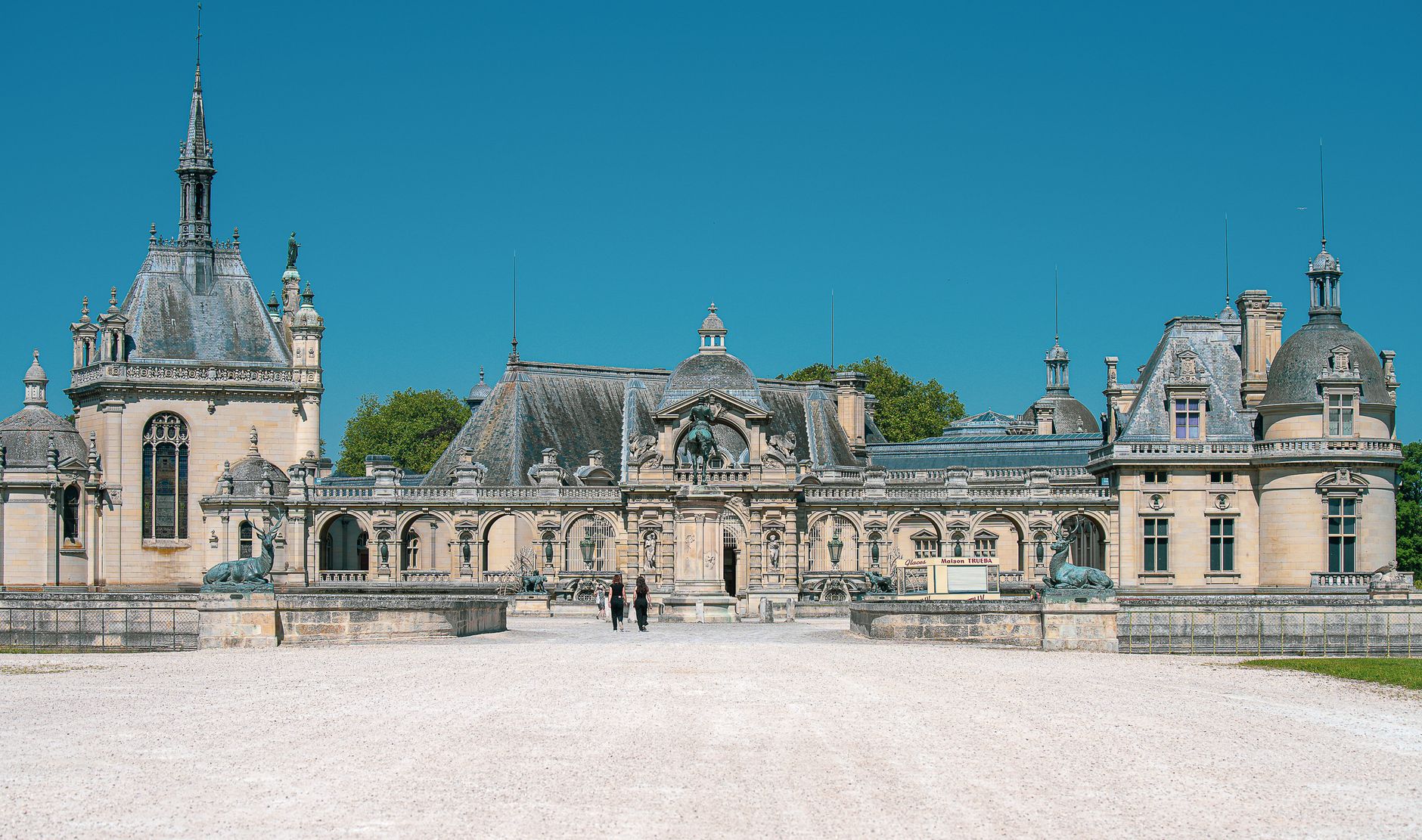
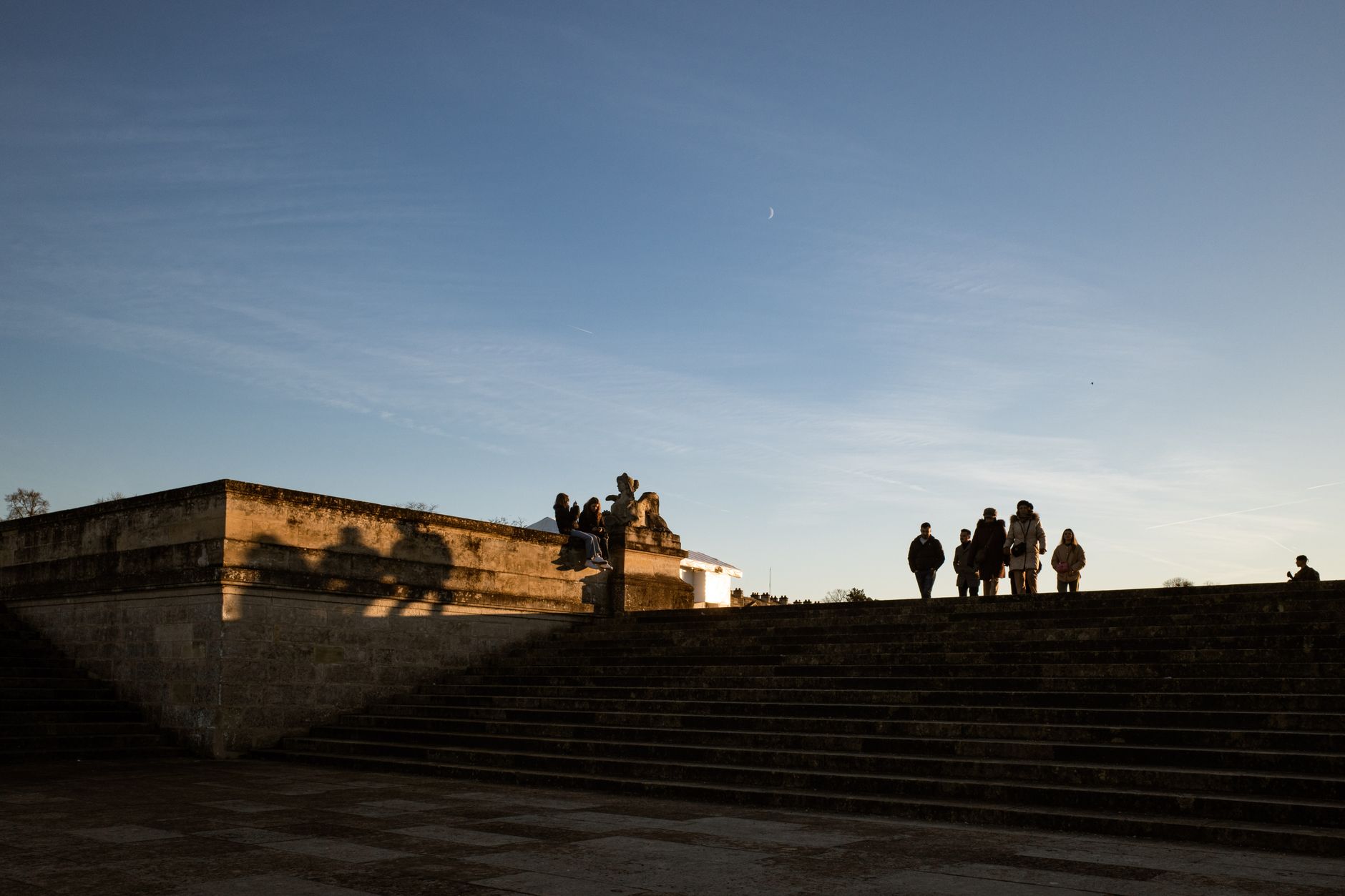
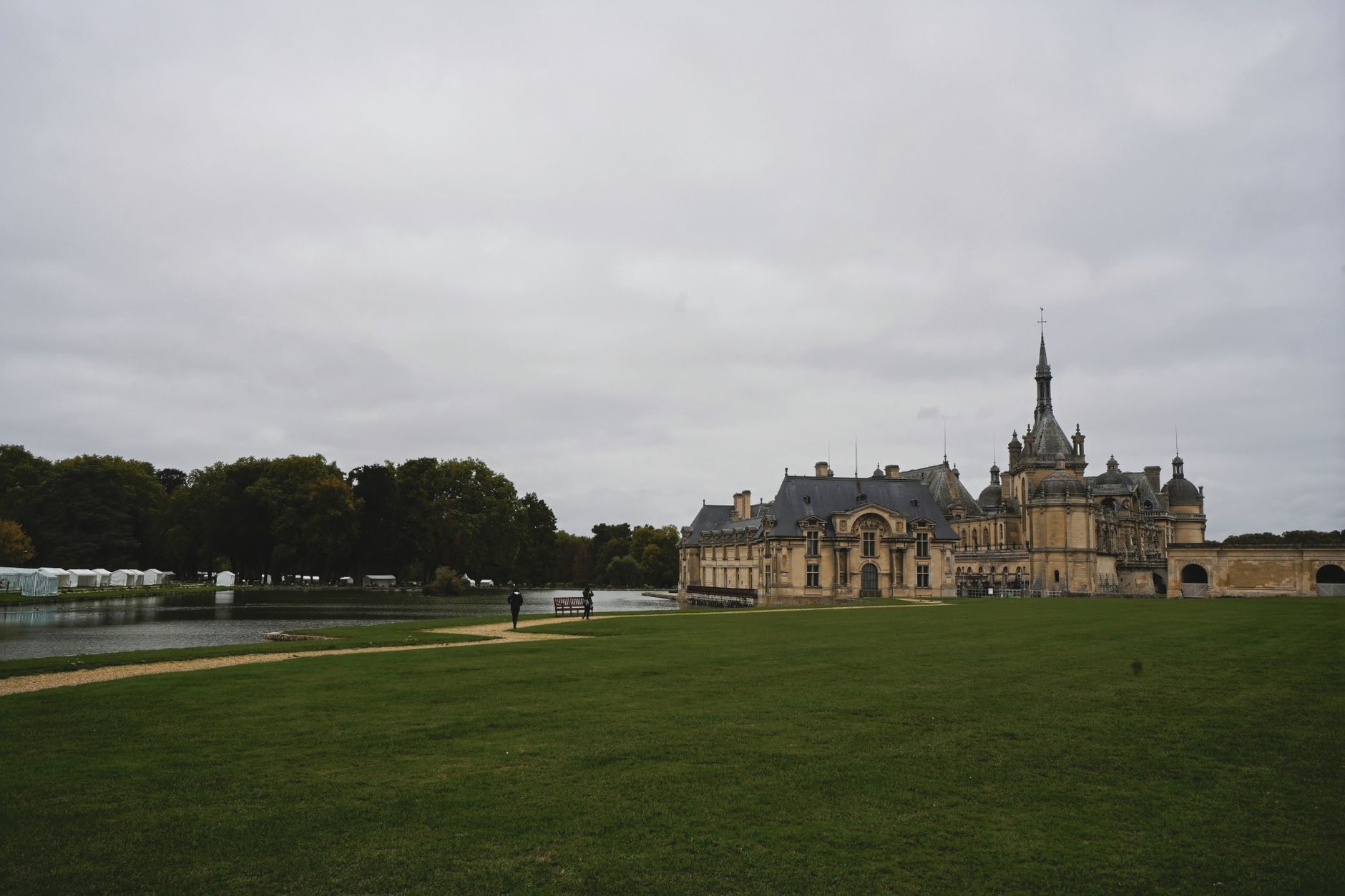
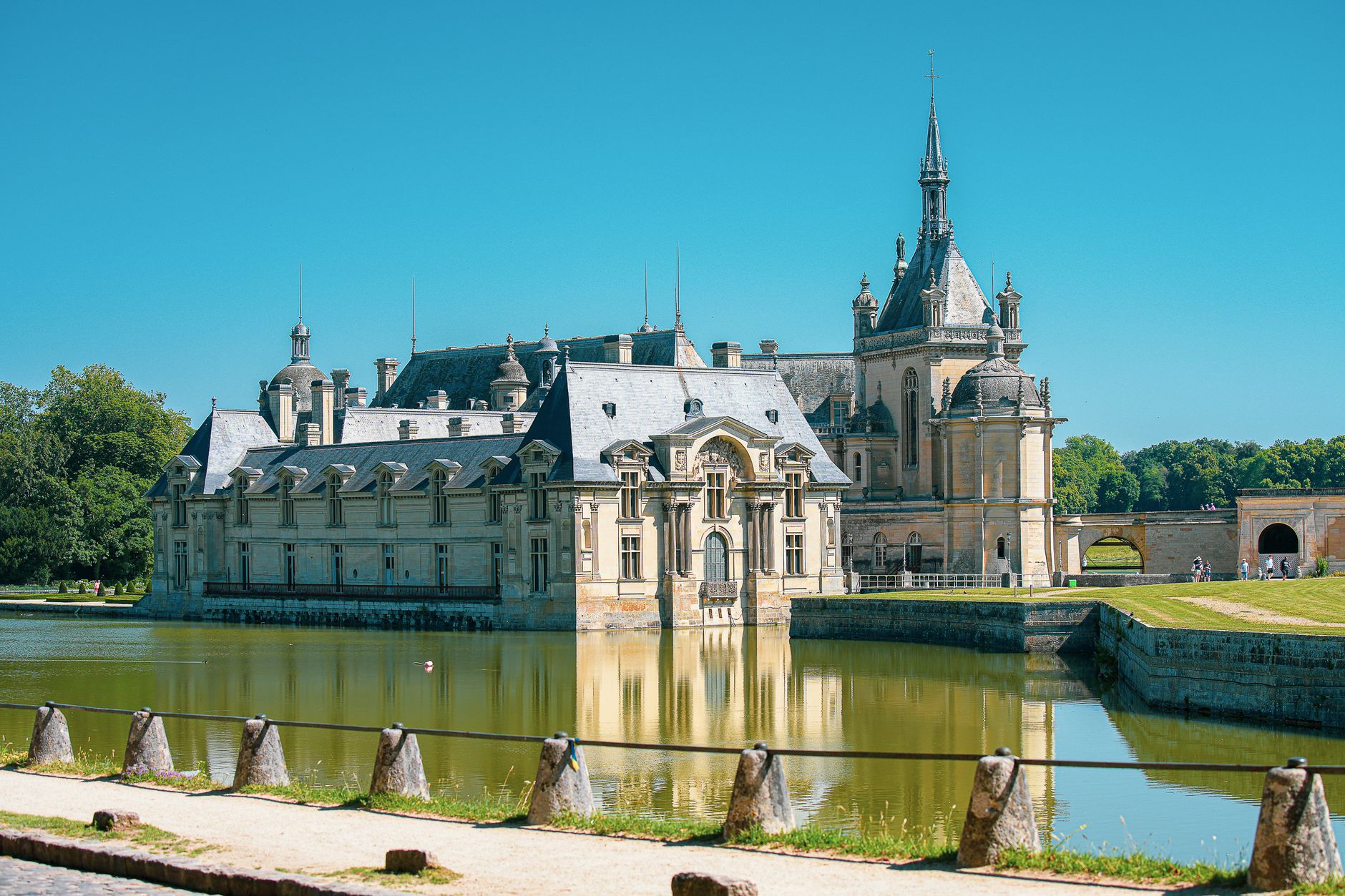
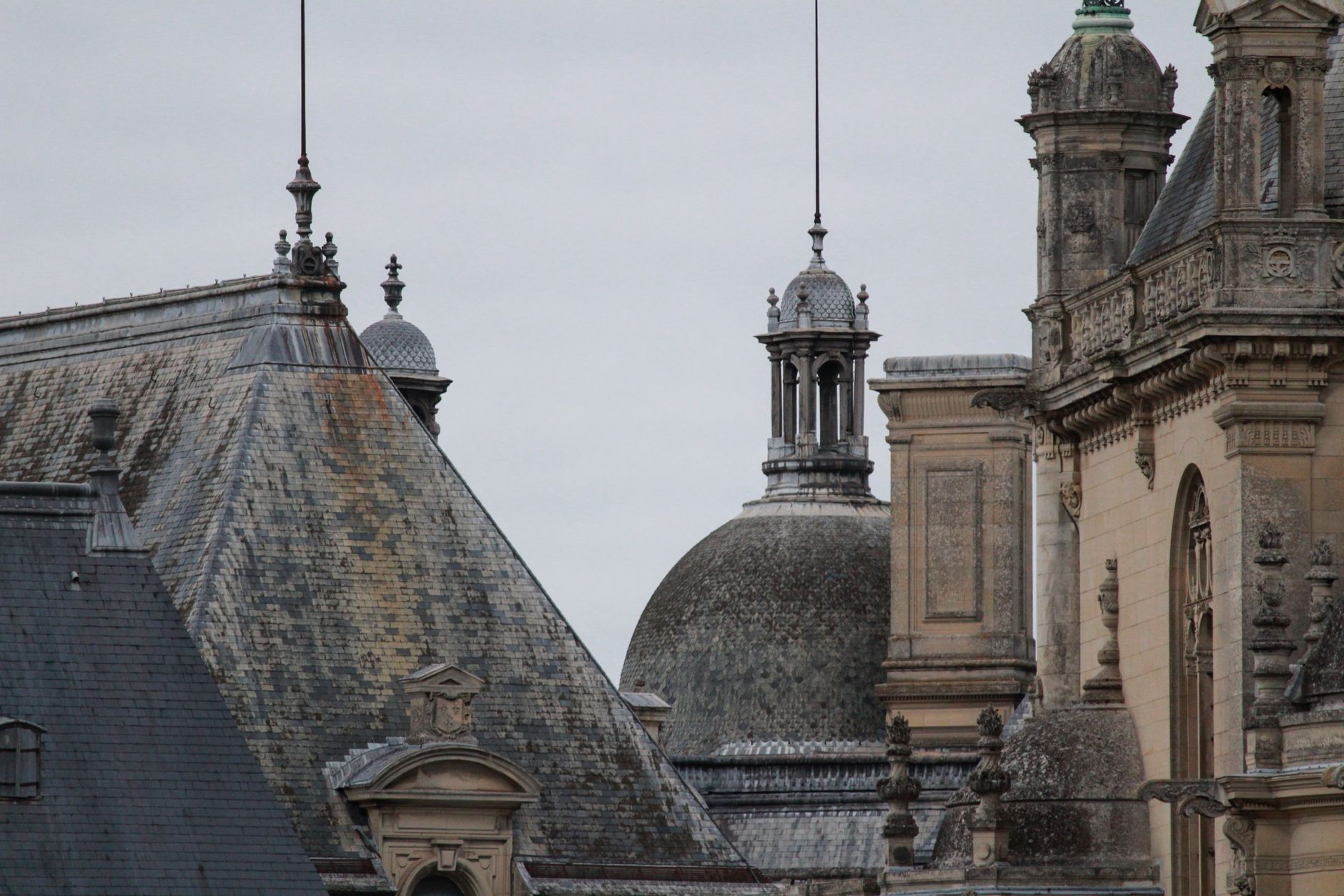
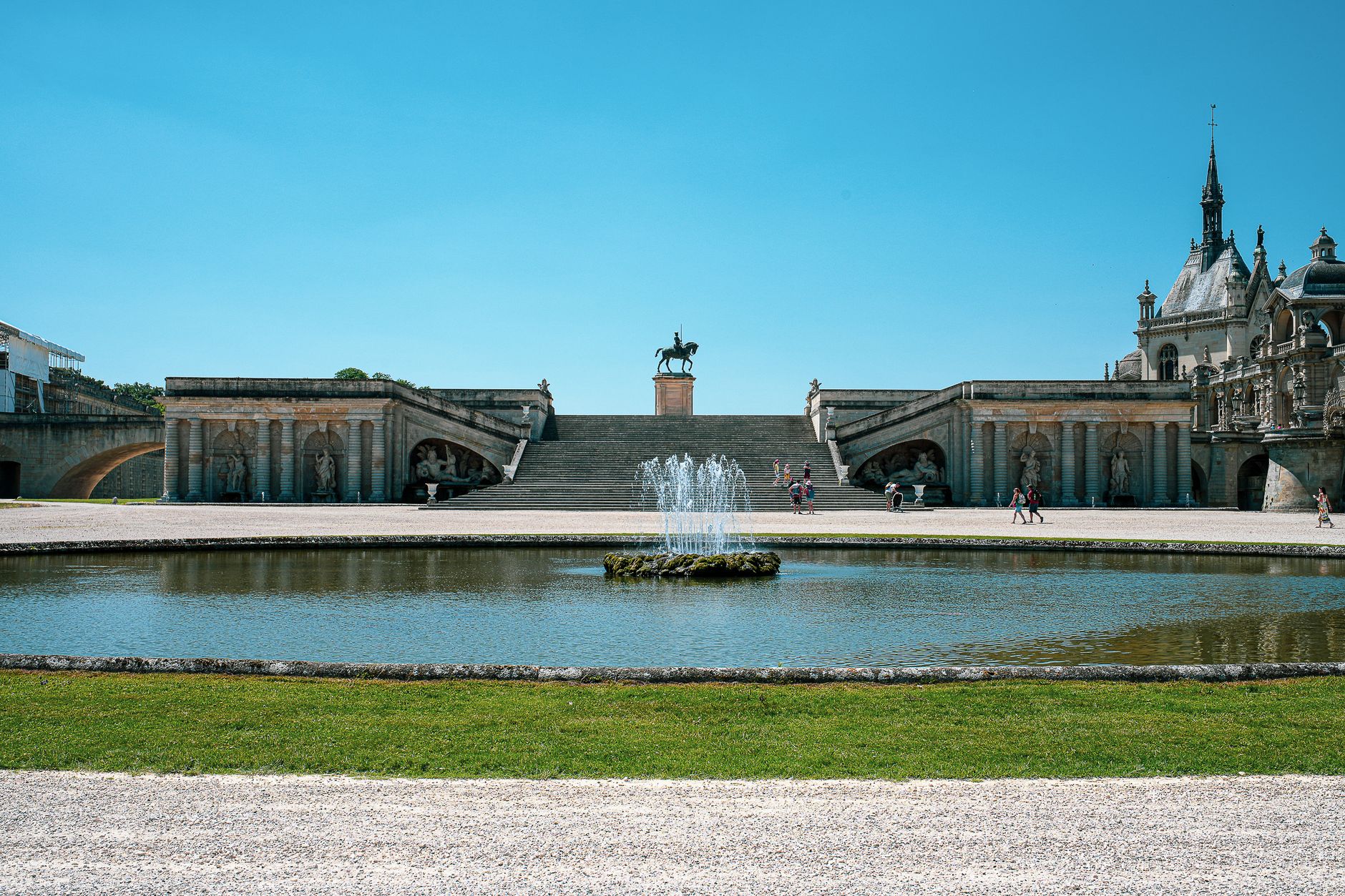
An hour north of Paris, Chantilly earns its reputation on specifics: a château rebuilt stone by stone in the 1870s that houses Raphael paintings and a 15th-century illuminated manuscript so fragile it's kept behind glass, stables designed to hold 240 horses that are now a working museum, and a racecourse that has been drawing crowds since 1834. The town itself is quiet and unhurried in the way that places sustained by a single great estate tend to be.
The cream that bears the town's name was reportedly perfected here by François Vatel, the maître d'hôtel who died on the premises in 1671 over a late fish delivery. That story — high stakes, culinary pride, a very bad morning — says something about the register Chantilly has always operated at.
💛 What travellers fall for
People who come back tend to time a visit for the Musée Condé's manuscript room, where the Très Riches Heures du Duc de Berry sits in near-darkness. They also recommend arriving early at the Grandes Écuries before the equestrian demonstrations fill up, and walking the Le Nôtre gardens before the afternoon tour groups arrive.
Experiences you don't want to miss




Deals in Chantilly
Book directly at the provider

How Chantilly came to be
The land takes its name from Cantilius, a Gallo-Roman who built the first villa here. By 1386 it had passed to Pierre d'Orgemont, Chancellor of France, who raised a new fortress completed by 1394. The Montmorency family took ownership in 1484, and Anne de Montmorency — one of the most powerful men in 16th-century France — commissioned the Petit Château around 1560 and had architect Pierre Chambiges build the first grand mansion between 1528 and 1531.
The estate later became the domain of Louis II de Bourbon, the Grand Condé, whose descendants shaped much of what stands today. Jean Aubert's Great Stables went up between 1719 and 1735. The Revolution destroyed the Grand Château entirely; it was rebuilt between 1875 and 1882 by Henri d'Orléans, duc d'Aumale, who then bequeathed the whole estate — buildings, art, library, park — to the Institut de France in 1886. It opened to the public in April 1898.
Who and what shaped it
People who shaped it
Landmark buildings
See Chantilly in motion
Plan your visit
On the map
When to go
Summers are warm and the gardens are at their best from May through June, before the driest heat sets in. Winters are cold and grey but the château interiors are unaffected, and the crowds thin considerably from October onward.
Right now
Background & history adapted from Wikipedia (CC BY-SA) · specs from Wikidata (CC0) · weather from Open-Meteo · map data © OpenStreetMap contributors · photos from Wikimedia Commons / Unsplash with per-image credit. No third-party reviews or social posts reproduced.