
Poissy
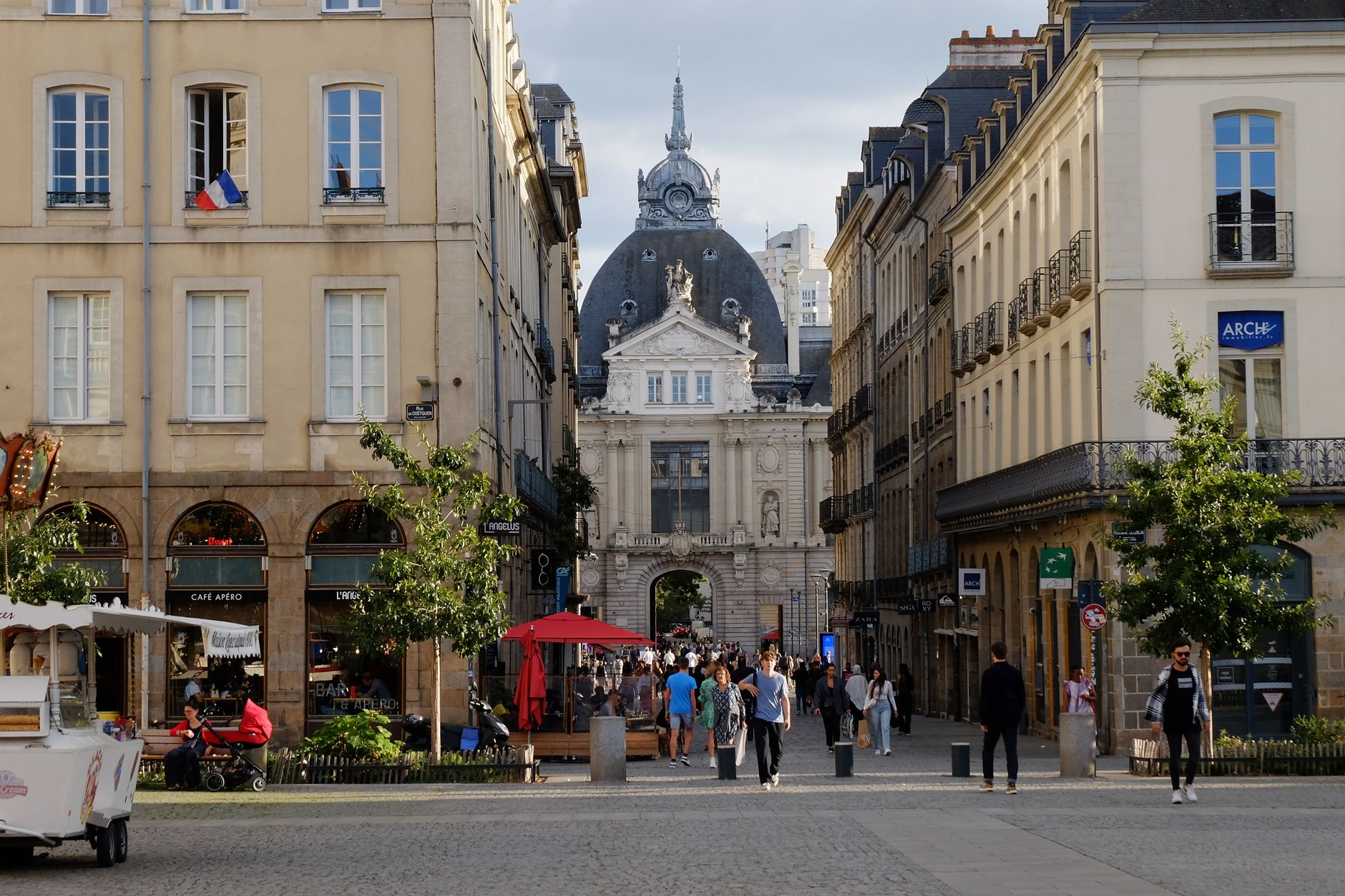
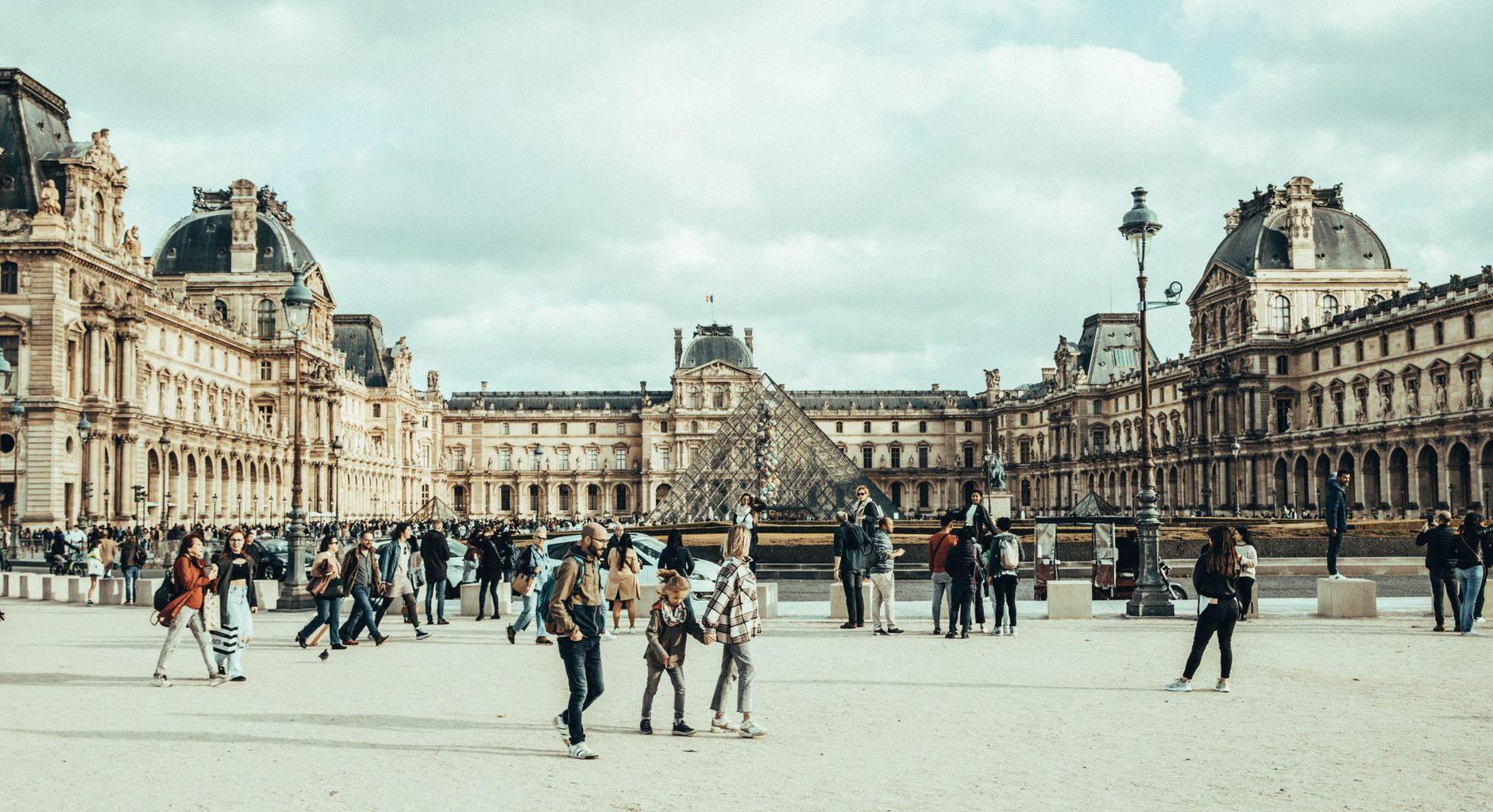
Poissy sits on a bend of the Seine about thirty kilometres west of Paris, and it holds two things that shouldn't logically coexist: the baptismal font where Louis IX was christened in 1214, still inside the Collégiale Notre-Dame where it has always been, and Villa Savoye, Le Corbusier's 1928–1931 reinforced-concrete manifesto on a quiet suburban lawn. One town, twelve centuries of architectural argument.
For most of the twentieth century Poissy was synonymous with cars — Ford, Simca, Chrysler, Peugeot all ran production lines here. That chapter is winding down by 2028, but the Musée de l'Aventure Automobile already frames the era as history. What remains is a riverside town with genuine medieval bones, a world-class modernist landmark, and a toy museum tucked into a 14th-century gatehouse.
💛 What travellers fall for
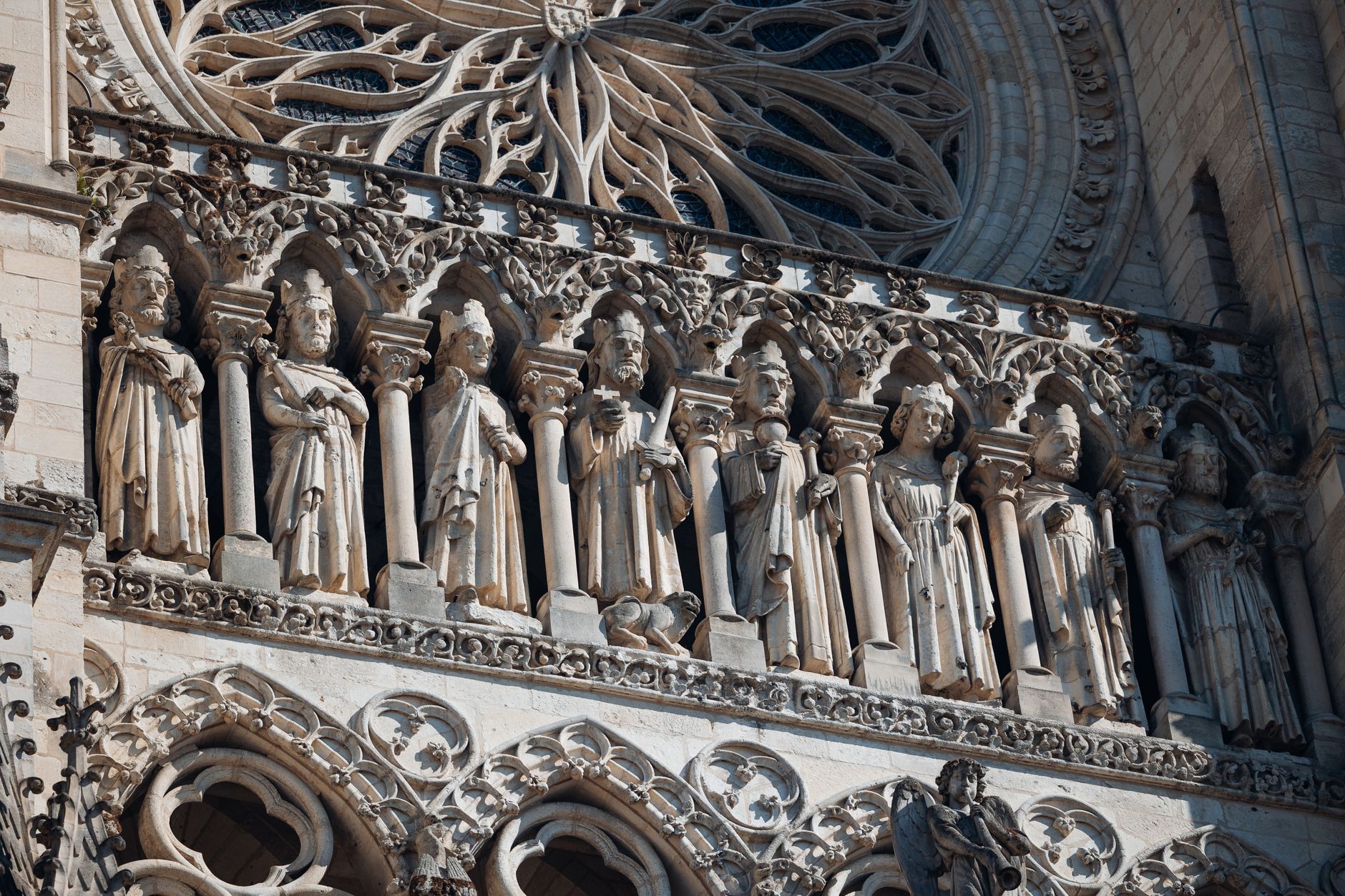
People who come back tend to time it around Villa Savoye on a weekday morning, before the architecture students arrive with their sketchbooks. Then they walk down to the Collégiale Notre-Dame and find the rolling pulpit — it came from a nearby Ursuline convent and looks slightly out of place, which is exactly why it's worth finding.
Experiences you don't want to miss




Deals in Poissy
Book directly at the provider

How Poissy came to be
The site has been inhabited since the Neolithic, but Poissy's defining moment came on 25 April 1214, when the future Louis IX was baptised in the Collégiale Notre-Dame — a church already mid-rebuild, its Romanesque foundations being coaxed toward early Gothic between 1130 and 1160. Louis never forgot it: his son Philippe IV le Bel later founded a Dominican convent here in 1304 in his father's memory. The town also hosted the Colloquy of Poissy in September 1561, when Catherine de Medici convened Catholic and Protestant theologians — including Théodore de Bèze — in a failed attempt at reconciliation.
For centuries Poissy ran one of the largest livestock markets in northern France, exchanging around ten thousand cattle a week before the trade moved to La Villette in 1867. The industrial era arrived in 1902 with the first automobile works, eventually drawing Ford, Simca, Chrysler and Peugeot to the same riverside corridor — a concentration of car manufacturing that shaped the town's identity for over a century.
Who and what shaped it
People who shaped it
Landmark buildings
See Poissy in motion
Plan your visit
On the map
When to go
Poissy follows the temperate Île-de-France pattern: mild and often grey from November through February, genuinely warm from June to August. April, May and September tend to offer clear light without summer crowds — ideal for the outdoor geometry of Villa Savoye.
Right now
Background & history adapted from Wikipedia (CC BY-SA) · specs from Wikidata (CC0) · weather from Open-Meteo · map data © OpenStreetMap contributors · photos from Wikimedia Commons / Unsplash with per-image credit. No third-party reviews or social posts reproduced.