
Sèvres
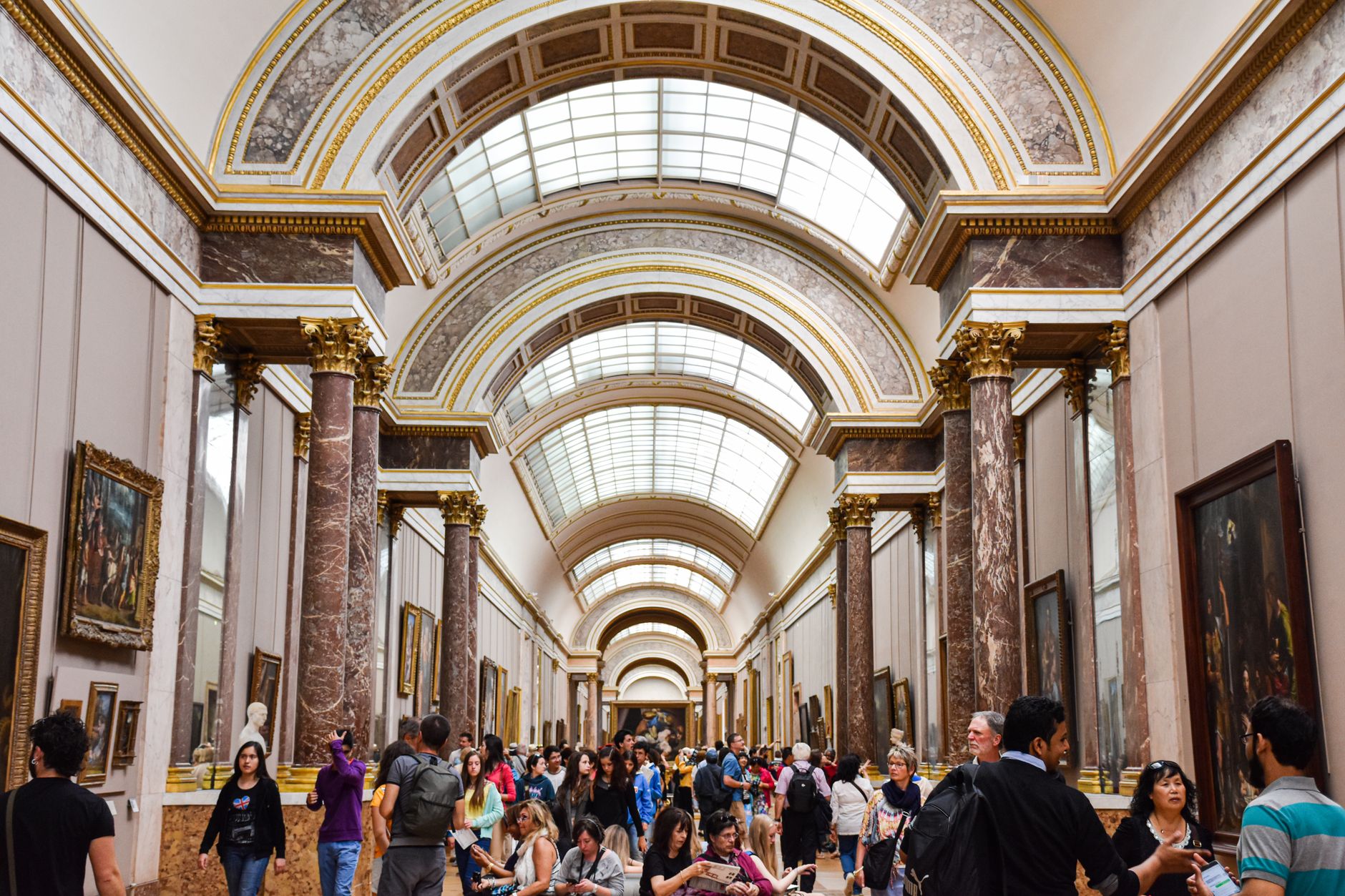
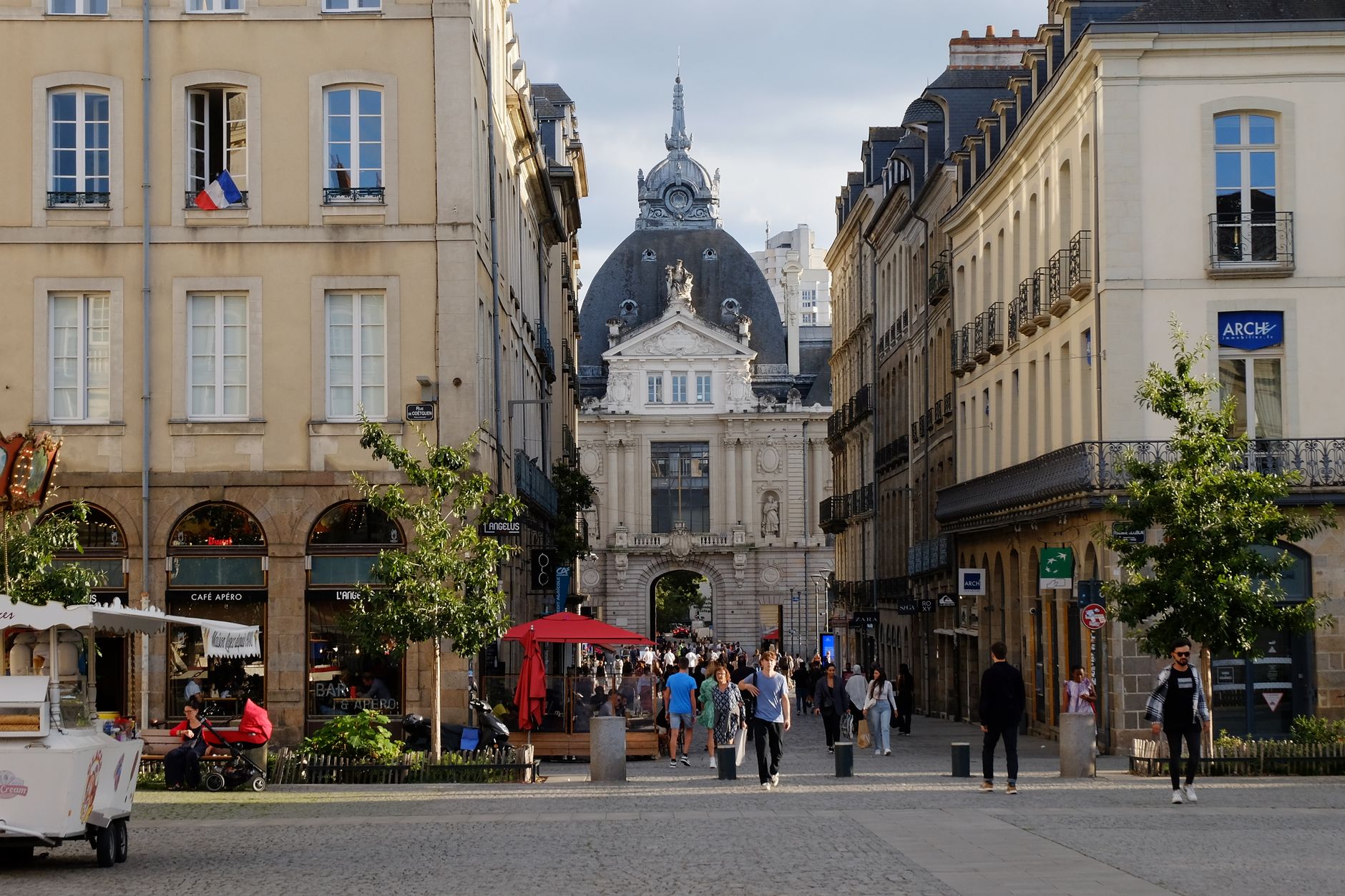
Sèvres sits on the Seine just southwest of Paris, and the thing most people come for is the porcelain — specifically, the Manufacture nationale de Sèvres, a working factory and museum campus of twenty-four buildings spread across nearly ten acres on the riverbank. The pieces made here have been setting the standard for European hard-paste porcelain since the 18th century, and the factory is still producing.
But Sèvres holds a few other surprises: a church with a 12th-century bell tower dedicated to Saint Romain, patron of boatmen; the Pavillon de Breteuil, where the International Bureau of Weights and Measures has kept the world's standards since 1884; and the Tinh Tam pagoda, one of the most active Buddhist temples in France.
💛 What travellers fall for
People who come back tend to time their visit around the Musée National de Céramique rather than the factory tour — the museum collection spans cultures and centuries in a way that rewards slow looking. The T2 tram drops you at Musée de Sèvres without any fuss, and the walk down to the Seine from there takes about five minutes.
Experiences you don't want to miss




Deals in Sèvres
Book directly at the provider


How Sèvres came to be
Sèvres appears in written records as early as 558, in the founding deed of the Abbey of Saint-Germain-des-Prés. By 560 there was a church and a village; the Church of Saint Romain still carries the base of its 12th-century bell tower.
The town's deeper identity, though, was shaped by porcelain. The Manufacture de Vincennes, founded in 1740 with the backing of Queen Marie Leszczyńska, relocated here in 1756 at the request of Madame de Pompadour, who wanted it close to her château. It received a royal warrant in 1759. Over the following century, figures including the sculptor Étienne-Maurice Falconet, painter François Boucher, and administrator Alexandre Brongniart — who also founded the ceramics museum in 1824 — defined its output. In 1920, the factory served as the signing venue for the Treaty of Sèvres, the post-WWI peace agreement with the Ottoman Empire.
Who and what shaped it
People who shaped it
Landmark buildings
See Sèvres in motion
Plan your visit
On the map
When to go
Sèvres has a mild oceanic climate — winters are cool and grey, summers warm but rarely harsh. April through June offers the most pleasant conditions for walking the riverside campus and exploring on foot.
Right now
Background & history adapted from Wikipedia (CC BY-SA) · specs from Wikidata (CC0) · weather from Open-Meteo · map data © OpenStreetMap contributors · photos from Wikimedia Commons / Unsplash with per-image credit. No third-party reviews or social posts reproduced.