
Vincennes
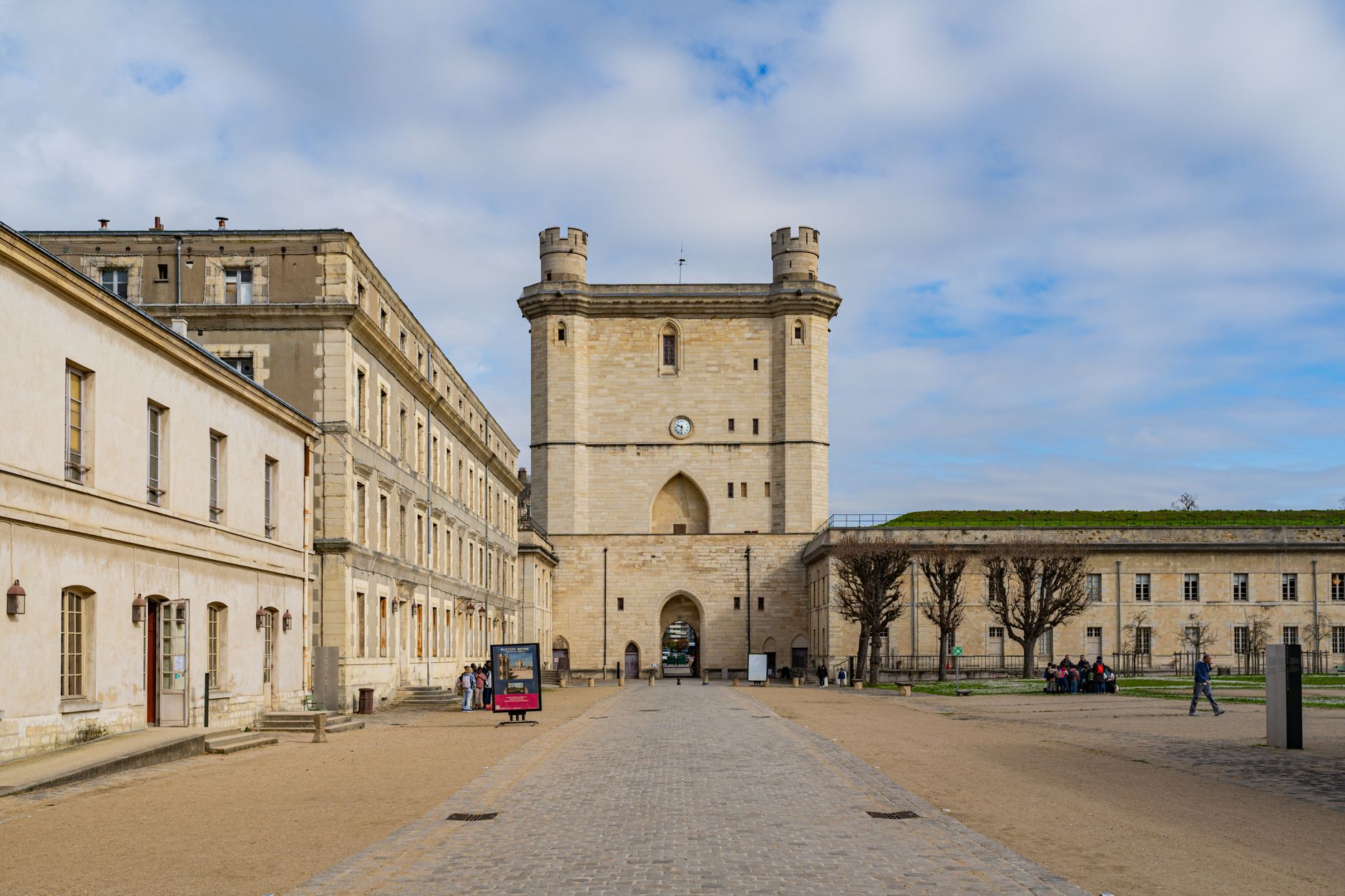
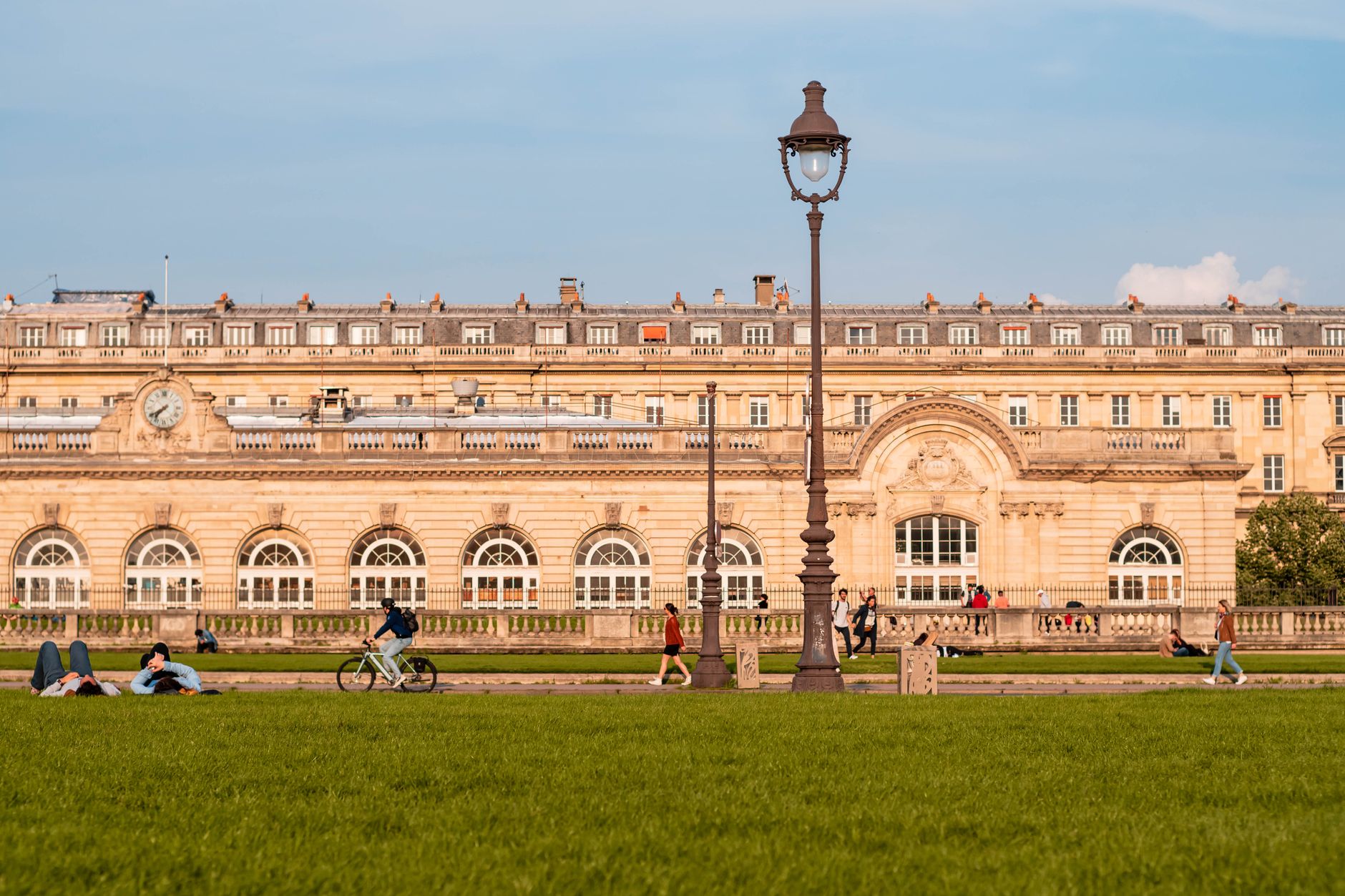
Six kilometres east of Paris, Vincennes feels like the city forgot to absorb it. The château rises above the rooftops with a keep that once stood as the tallest fortified structure in Europe — 52 metres of medieval stone that still stops you mid-stride. The surrounding Bois de Vincennes, enclosed as a royal hunting preserve in the 12th century, gives the whole commune an air of breathing room that the inner arrondissements simply don't have.
This is a place where French royal history plays out in full, unhurried scale. Charles V built here, Louis XIV departed from here, and somewhere inside those walls the Marquis de Sade spent seven years composing his grievances with the world.
💛 What travellers fall for
People who come back tend to time their visit to catch the keep and the Sainte-Chapelle before the midday closure — the chapel shuts between noon and 1 or 2pm depending on season, and the light through that Flamboyant rose window is worth planning around. The metro Line 1 drops you right at the gate, which makes a half-day from central Paris entirely sensible.
Experiences you don't want to miss



Deals in Vincennes
Book directly at the providerHow Vincennes came to be
Louis VII established a royal manor here in the mid-12th century, and Philippe Auguste extended it decades later, but it was Louis IX — Saint Louis — who turned Vincennes into a genuine seat of power, holding council here and keeping his family in residence. The keep that defines the skyline today was begun under Philip VI and completed under Charles V, who ascended the throne in 1364 and poured his reign into the project. By 1369–70, the donjon was finished.
The Sainte-Chapelle, begun in 1379, took nearly two centuries to complete, its Flamboyant facade finally closing in 1552. Louis Le Vau added the Pavillon du Roi and Pavillon de la Reine under Cardinal Mazarin's direction in the 17th century. Louis XIV left with his court in 1682, and the château spent subsequent centuries as a prison — Diderot, Mirabeau and the Marquis de Sade among its reluctant guests — before serving as French General Staff headquarters until German occupation in 1940.
Who and what shaped it
People who shaped it
Landmark buildings
See Vincennes in motion
Plan your visit
On the map
When to go
Île-de-France summers are mild and walkable, making May through September the most comfortable window for the château's exterior and the Bois. Winter visits are quieter and the stone interiors feel appropriately austere, though the shorter opening hours (closing at 5pm from late September through May) are worth factoring in.
Right now
Background & history adapted from Wikipedia (CC BY-SA) · specs from Wikidata (CC0) · weather from Open-Meteo · map data © OpenStreetMap contributors · photos from Wikimedia Commons / Unsplash with per-image credit. No third-party reviews or social posts reproduced.