
Cannes
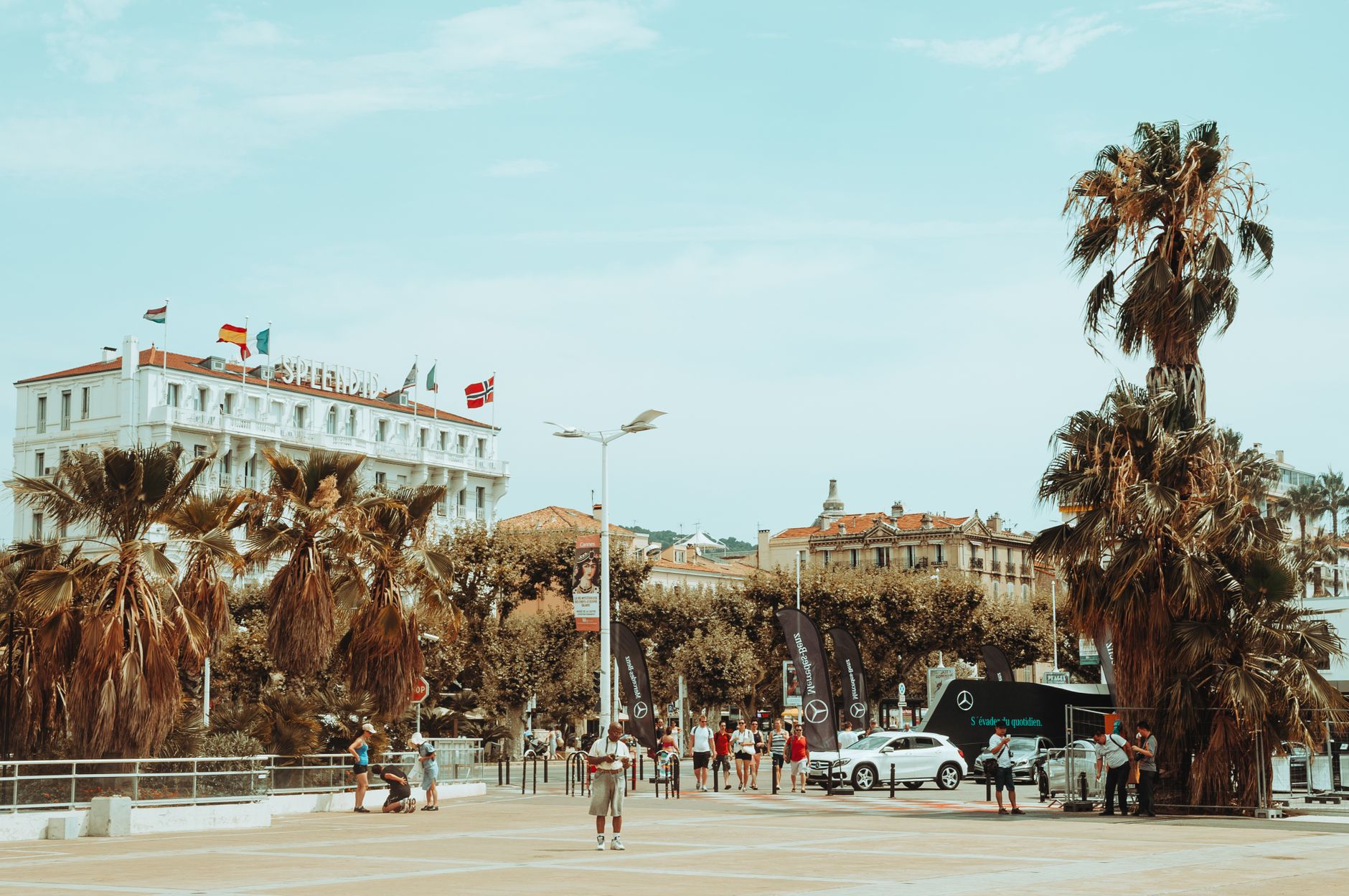
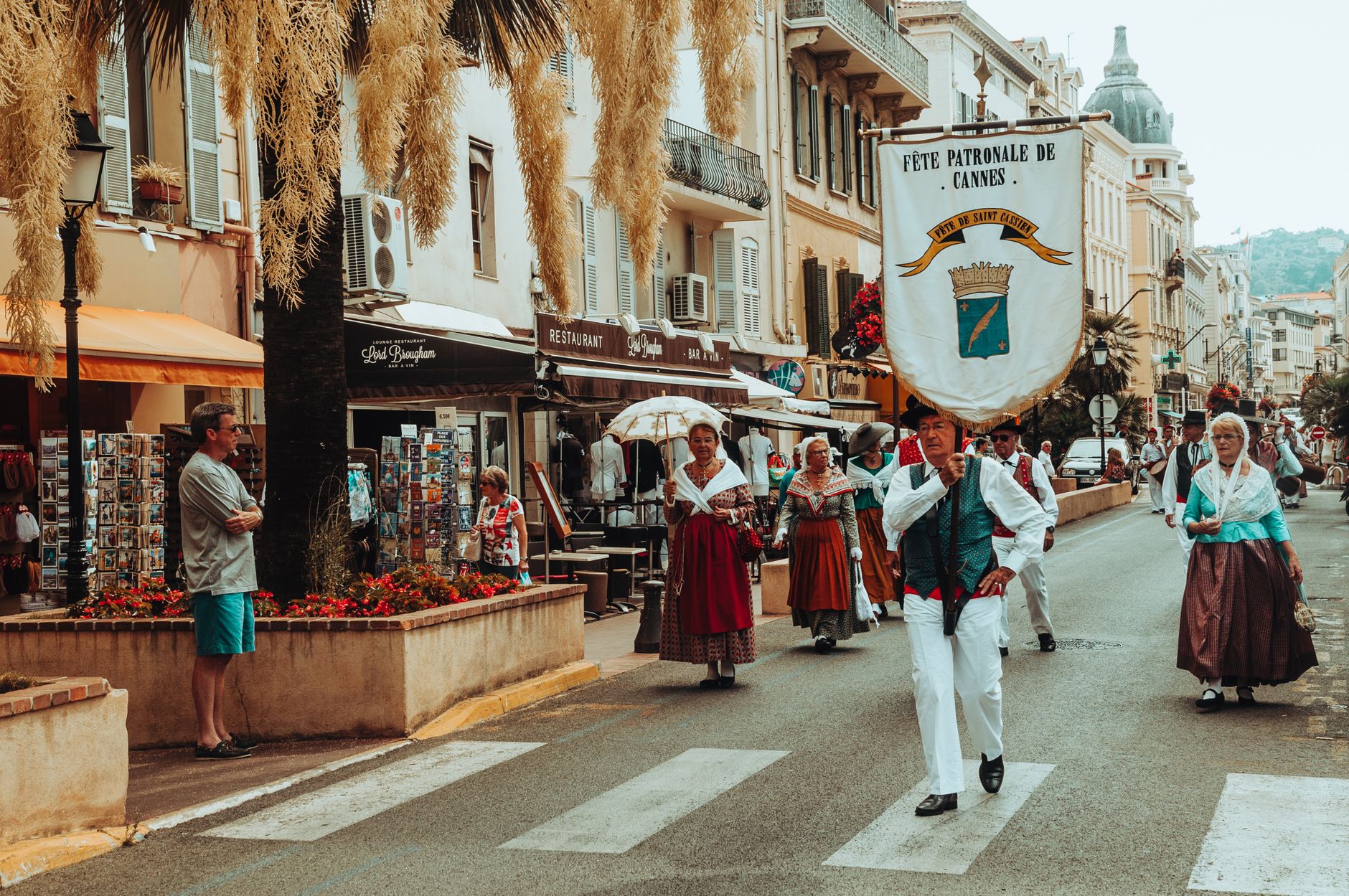
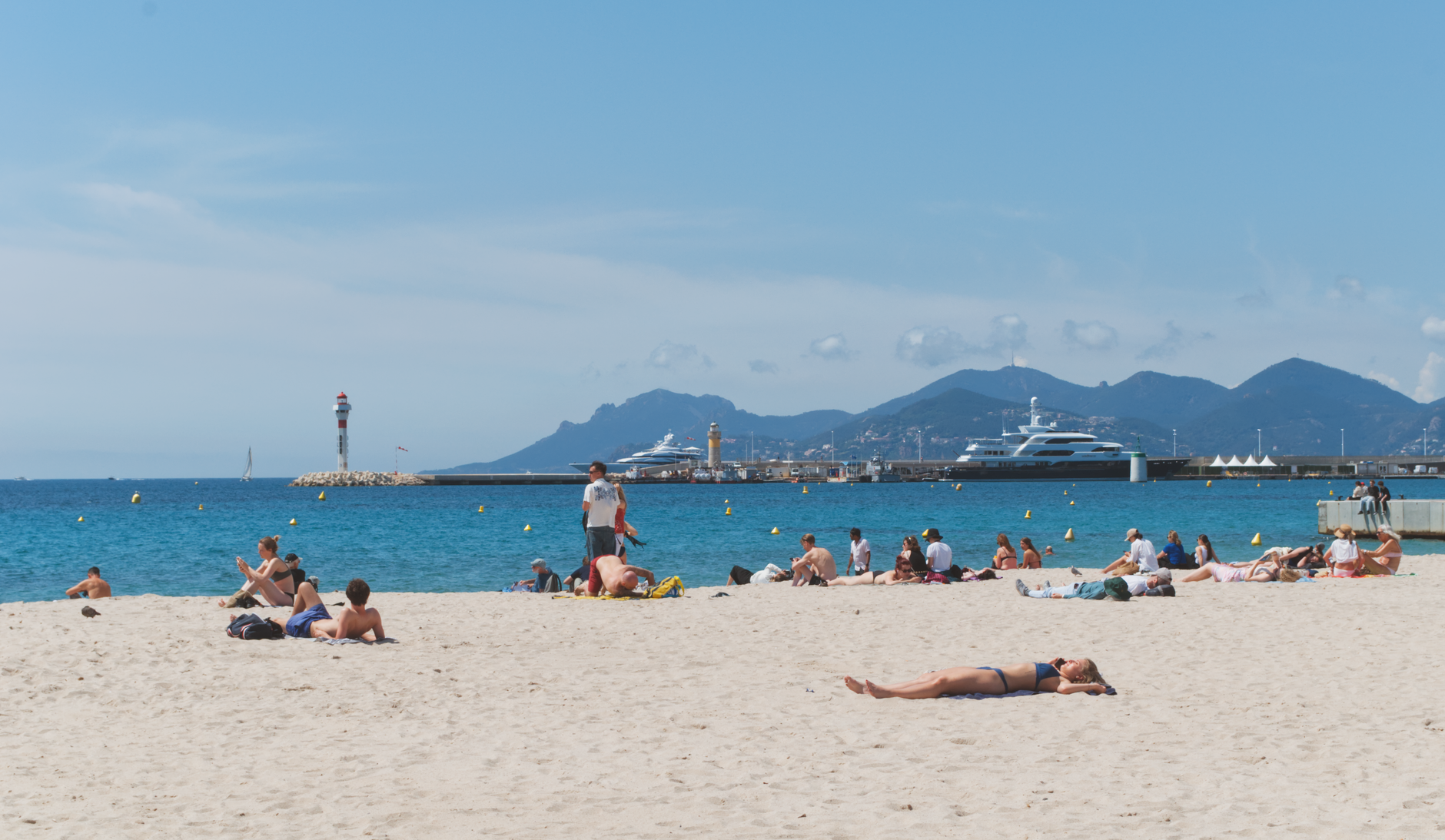
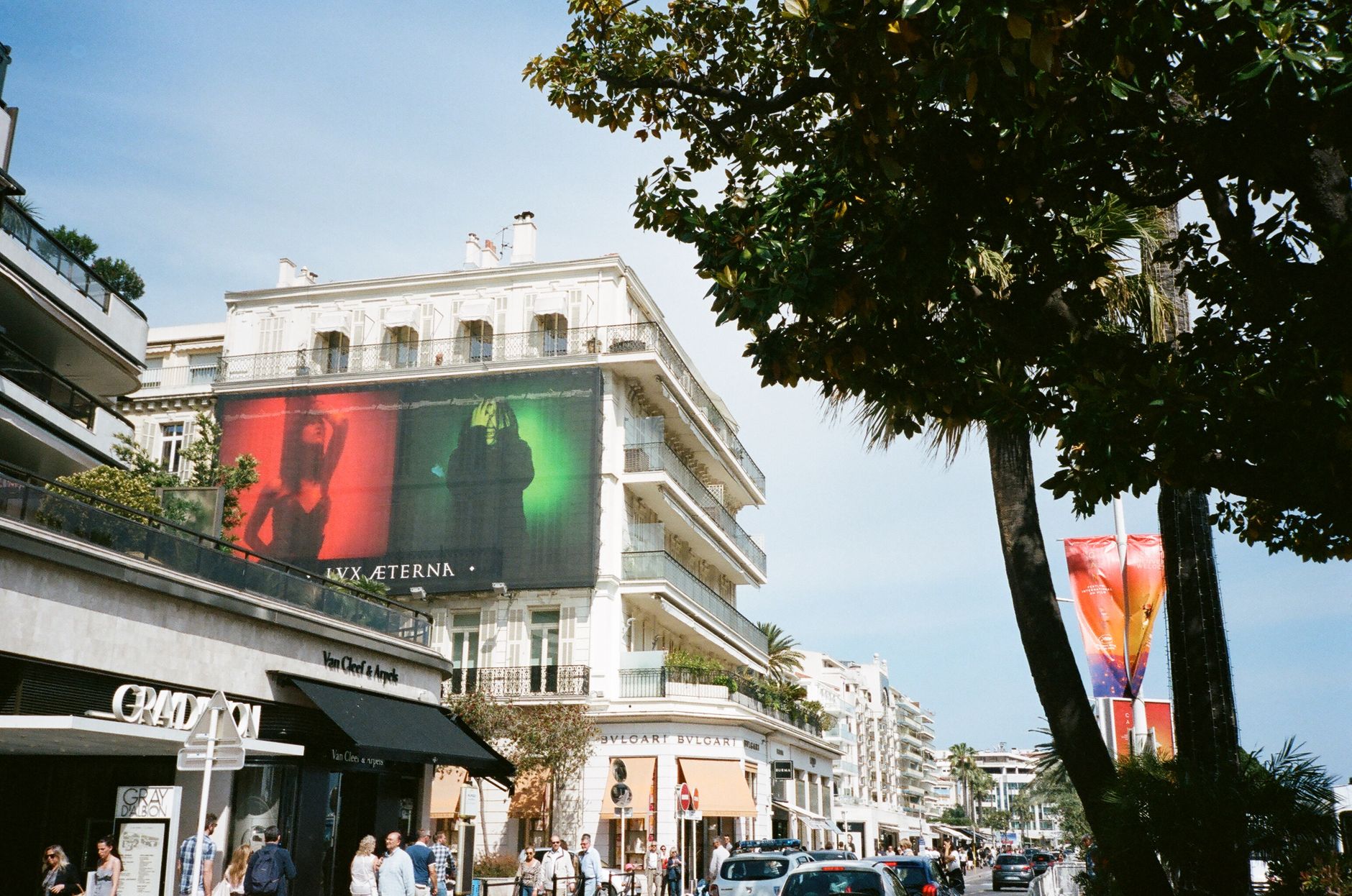
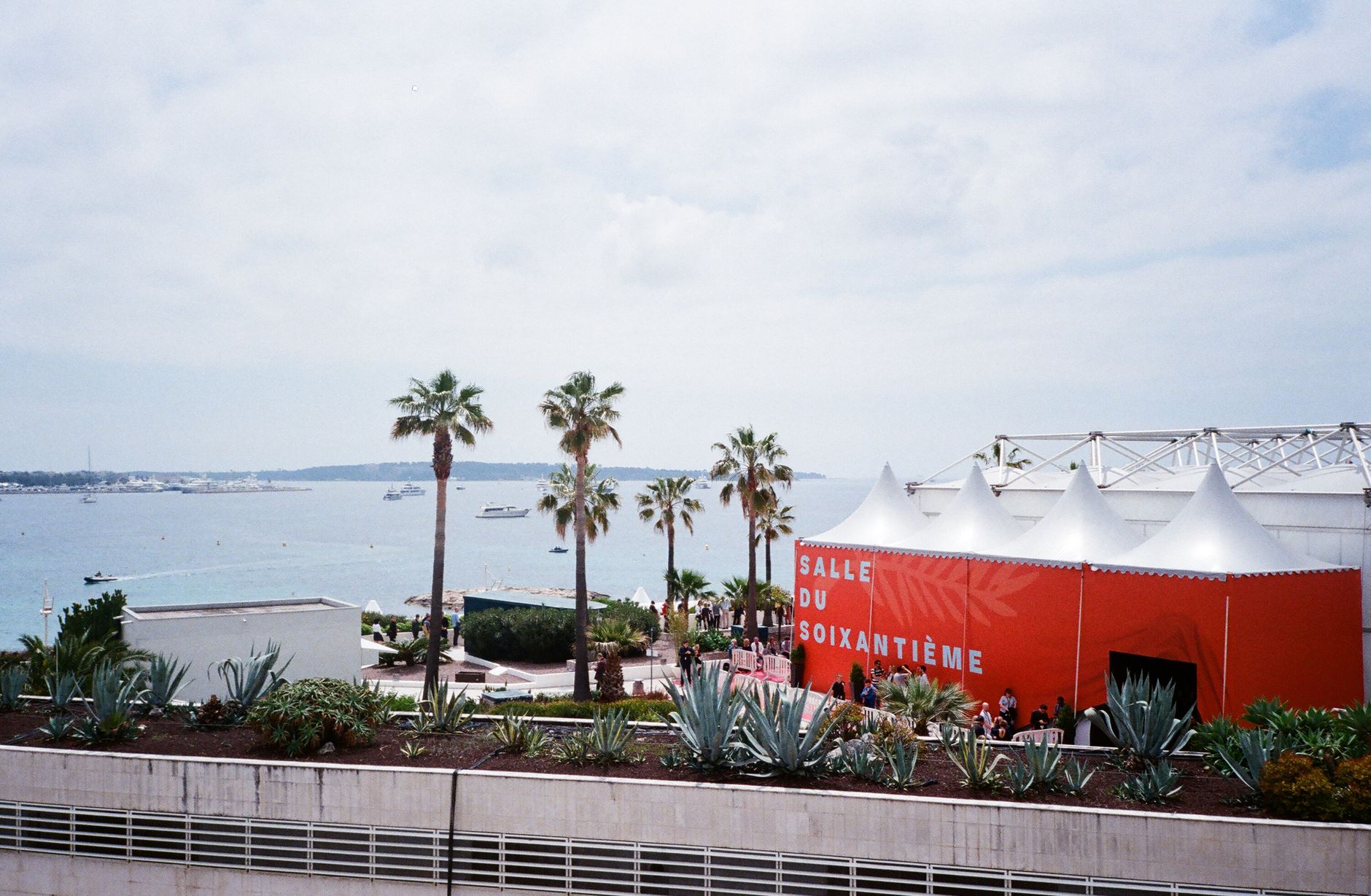
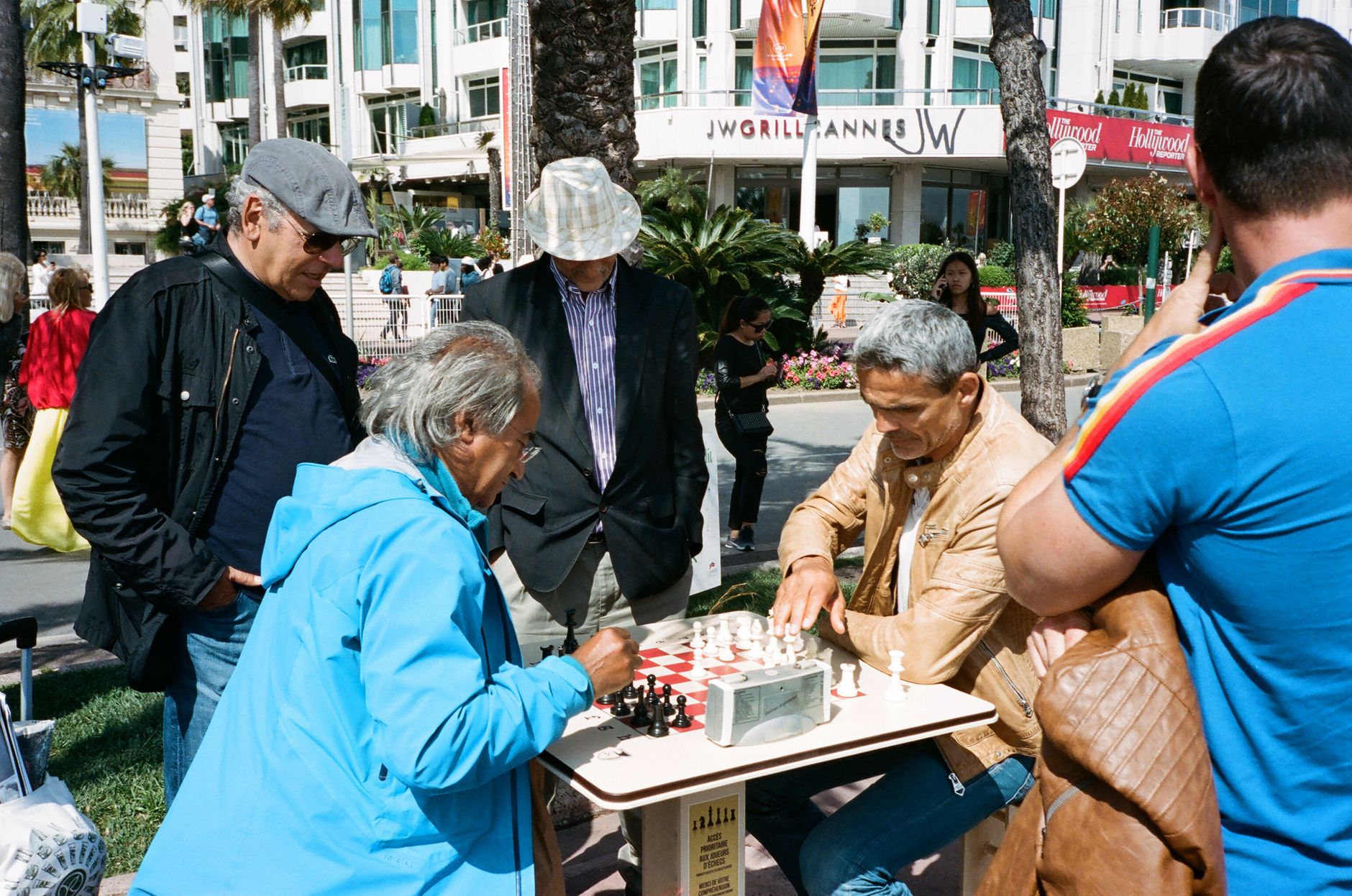
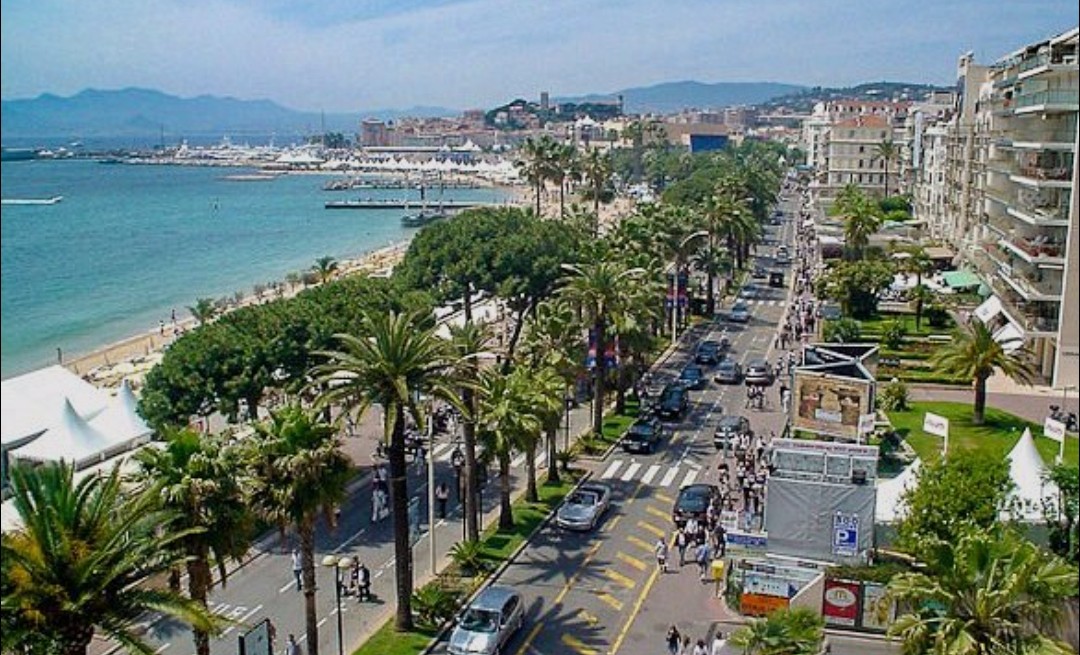
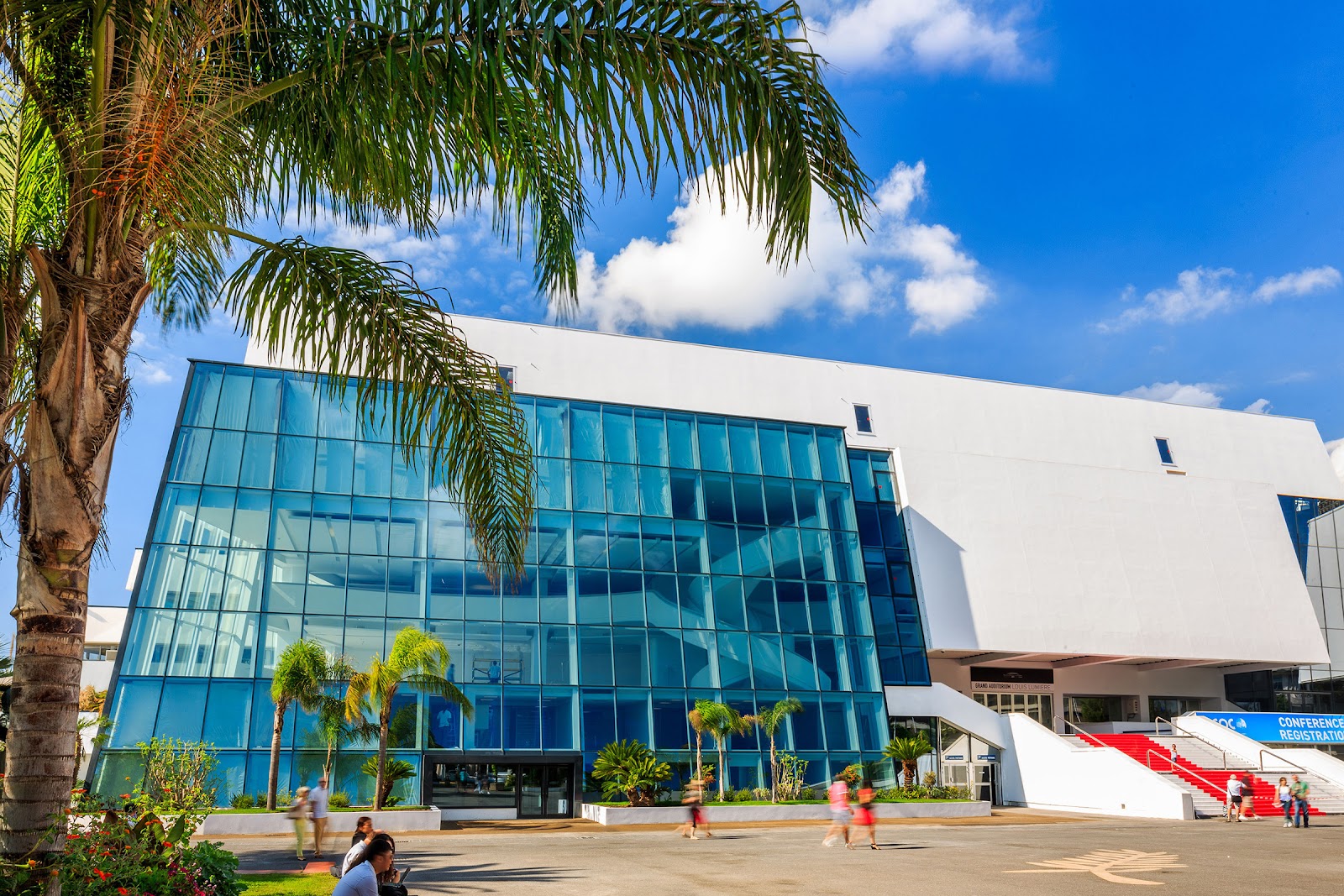
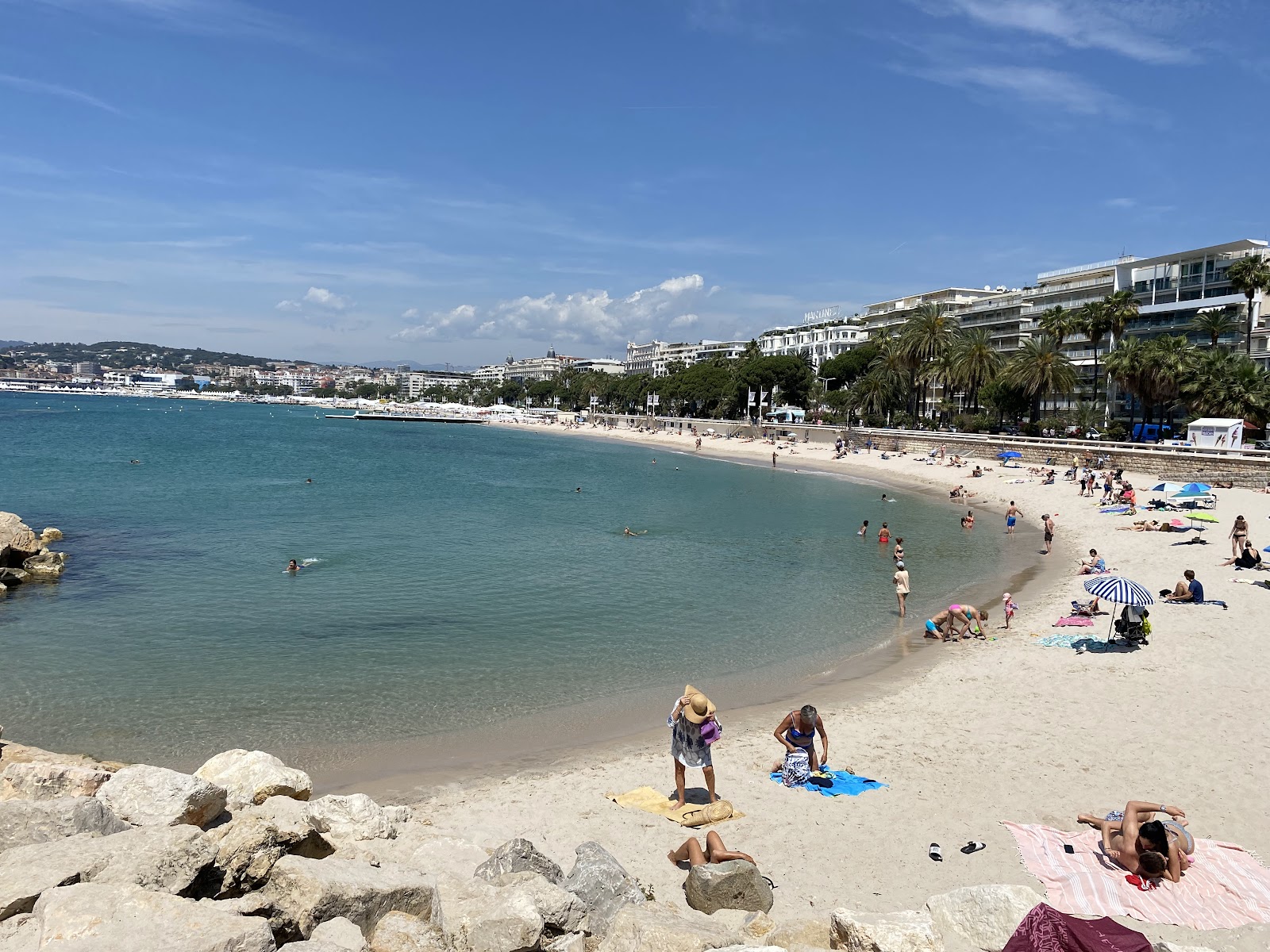
Cannes is two cities sharing one coastline. For eleven months of the year, the Boulevard de la Croisette is a wide, palm-lined promenade where locals walk small dogs and the Carlton Hotel — a 1911 Historic Monument with twin cupolas said to be modelled on a famous courtesan's attributes — holds court above the beach. Then May arrives, the red carpet unrolls down the Palais des Festivals' twenty-four steps, and the whole equation shifts.
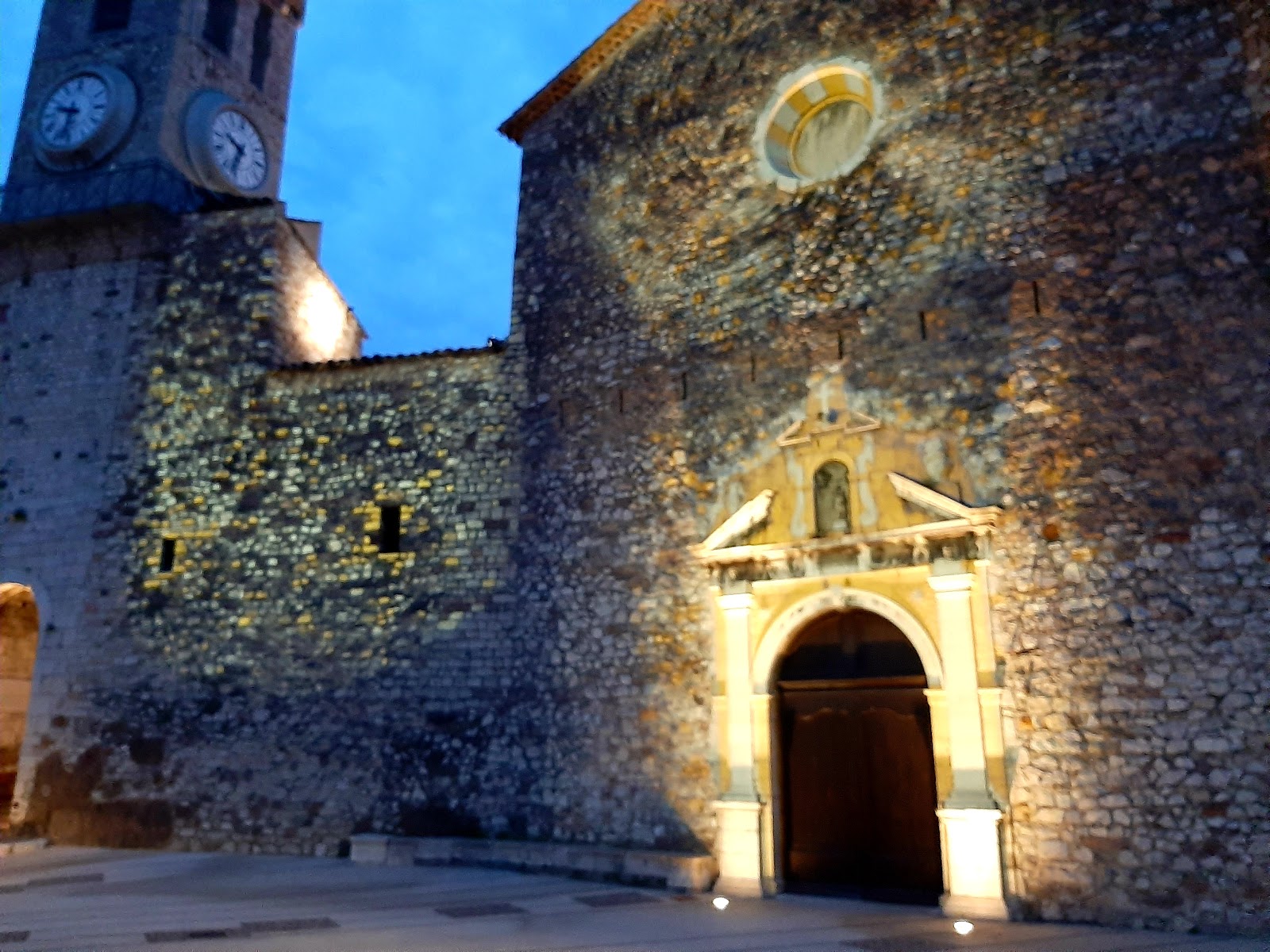
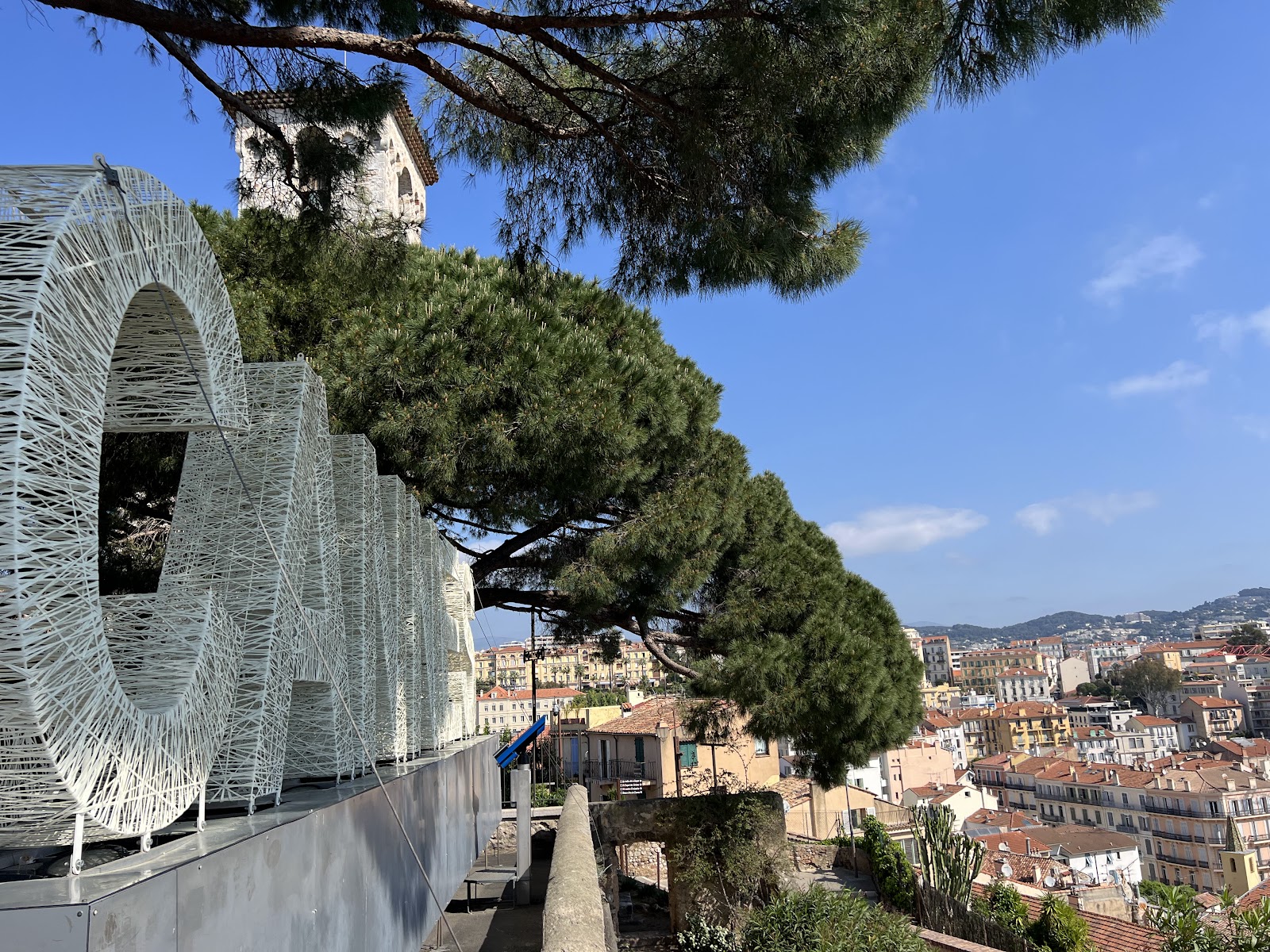
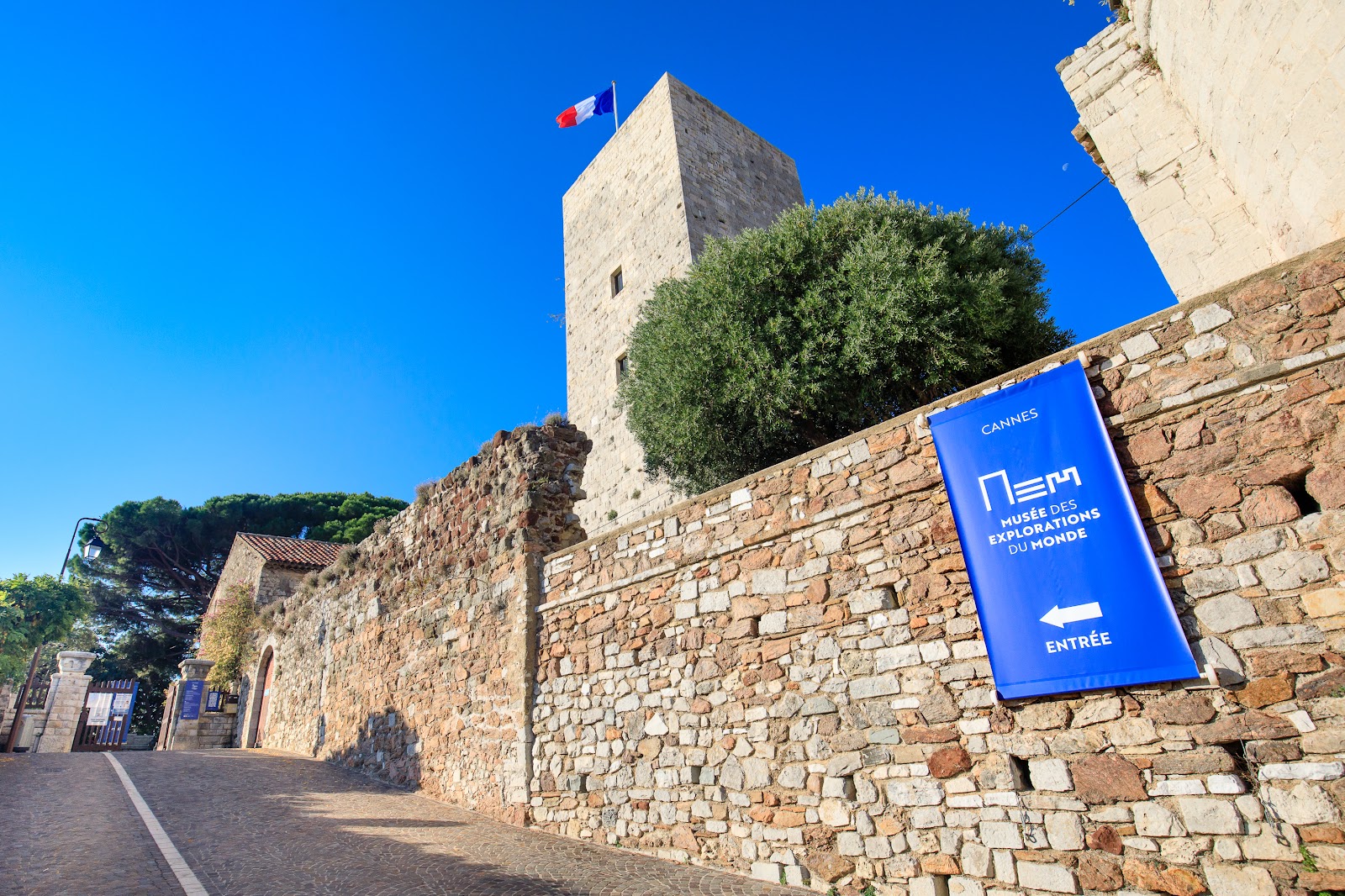
But Le Suquet, the old hill quarter where a medieval castle now houses the Museum of World Explorations, stays largely its own thing year-round. Climb up there on a weekday morning and you'll find the Gothic stone of Église Notre-Dame d'Espérance, a church from the early 1600s, and a view over the bay that explains why Ligurians, Romans, and eventually an English lord all decided to stay.
💛 What travellers fall for
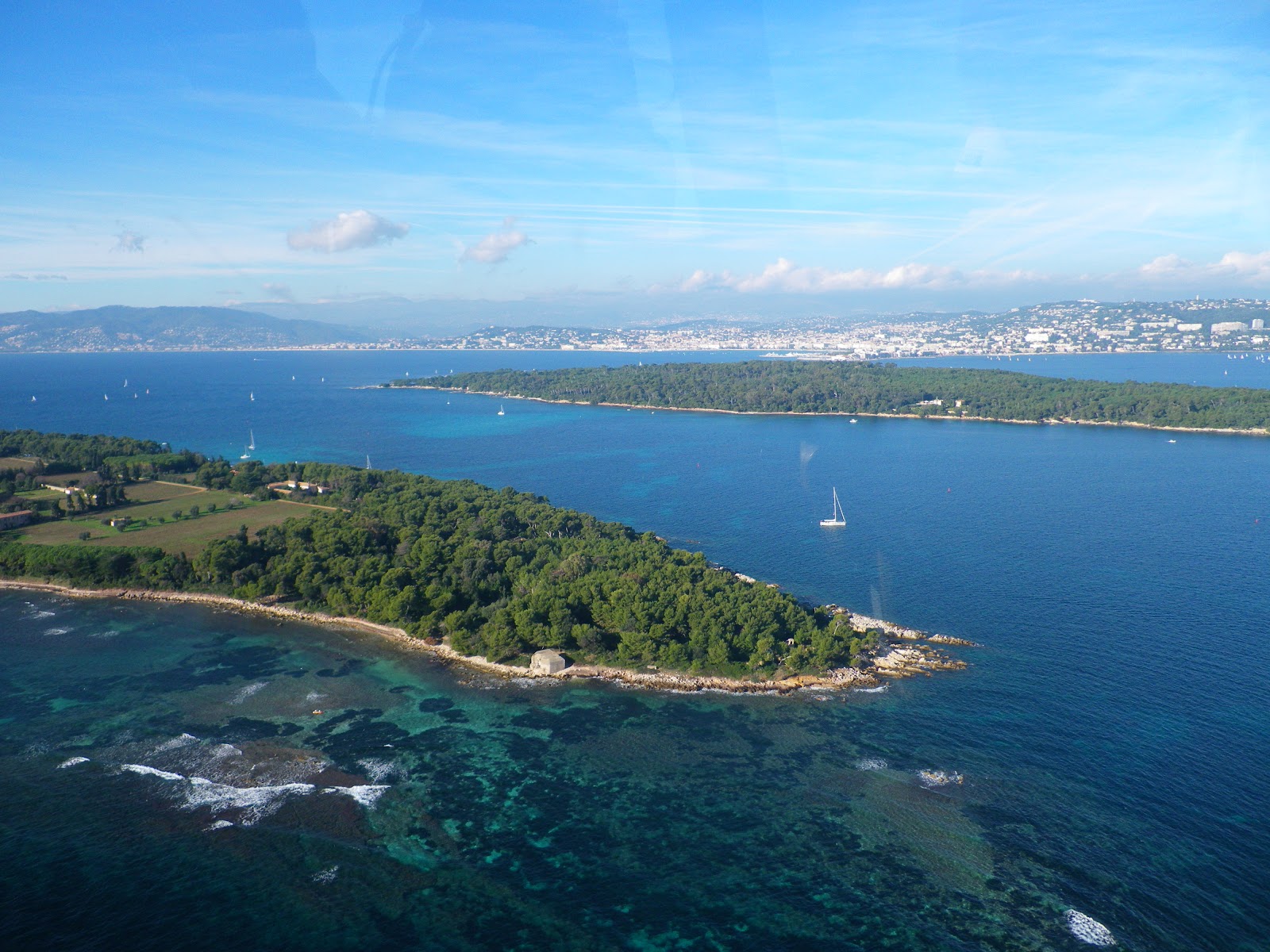
People who come back tend to take the 20-minute train from Nice rather than driving — it drops you 350 metres from the Croisette and costs almost nothing. They also learn quickly that Le Suquet rewards an evening rather than a midday visit, when the light over the Lérins Islands goes orange and the hill empties of day-trippers.
Experiences you don't want to miss



Deals in Cannes
Book directly at the provider


How Cannes came to be
A Ligurian settlement on Le Suquet hill, later a Roman outpost, Cannes spent much of the early medieval period under monastic control before breaking free around 1530. A Saracen raid in 891 had already reshaped the region; the castle built in 1035 was partly a response to that vulnerability. The city modernised slowly, its late-1860s expansion of casinos, villas, hotels and a railway line pushed forward by Marie de Lametz and Prince Charles III. The Town Hall, completed in 1877, still stands as a well-preserved record of that era.
The film festival has a stranger origin than its glamour suggests. It was announced for 1 September 1939 — the same morning Hitler invaded Poland. One film screened; the rest was cancelled. A revival in 1946 brought 18 nations to the Croisette, and by 1951 the festival had shifted to May to avoid competing with Venice, where it has remained ever since.
Who and what shaped it
People who shaped it
Landmark buildings
See Cannes in motion
Plan your visit
On the map
When to go
Summers are long, dry and genuinely hot — beach weather from June through September, with July and August the most crowded. Spring and autumn are mild and often clear; winter is short and rarely harsh, making the Croisette walkable even in January.
Right now
↡ Attractions

Background & history adapted from Wikipedia (CC BY-SA) · specs from Wikidata (CC0) · weather from Open-Meteo · map data © OpenStreetMap contributors · photos from Wikimedia Commons / Unsplash with per-image credit. No third-party reviews or social posts reproduced.