
Palais des Festivals et des Congrès
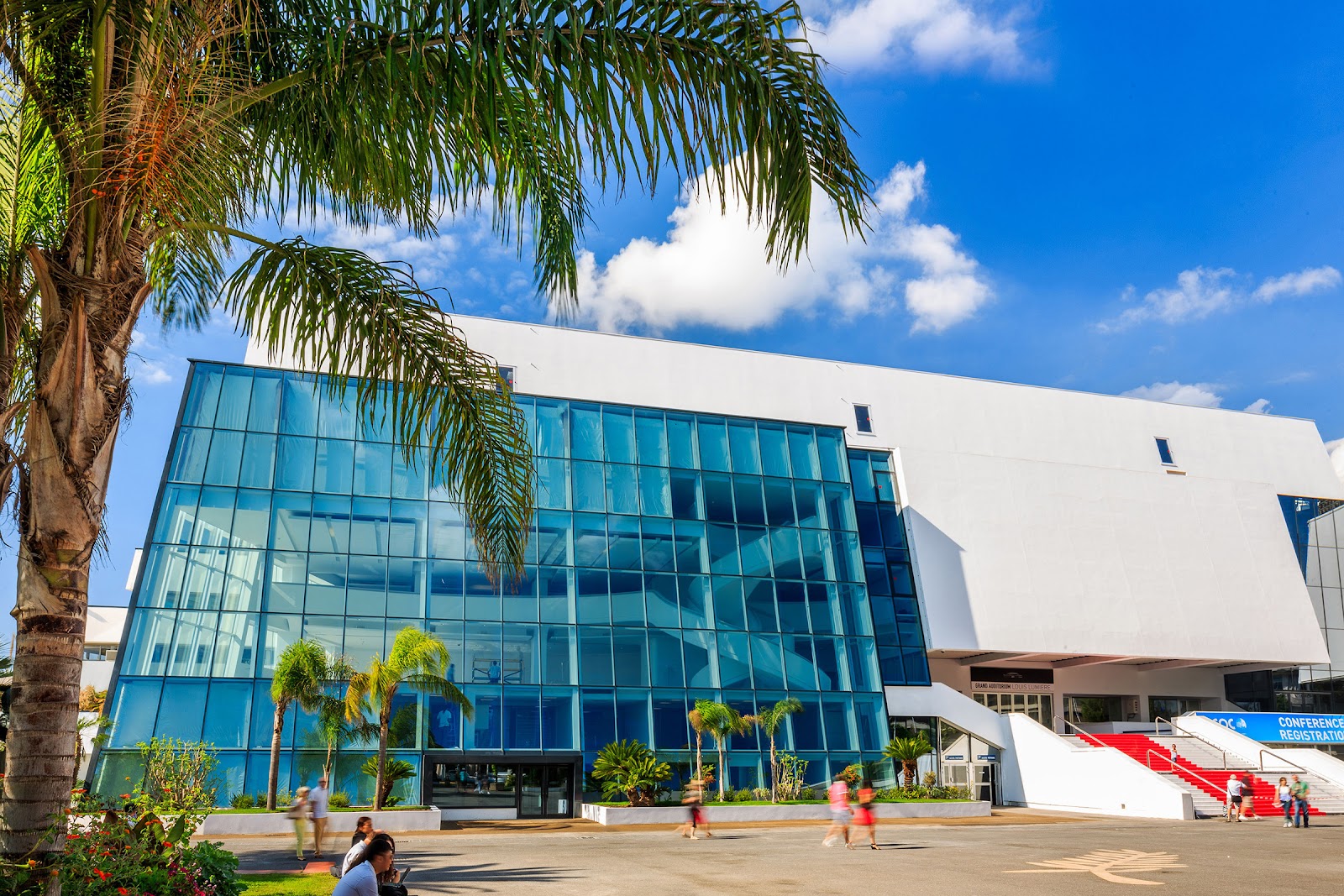
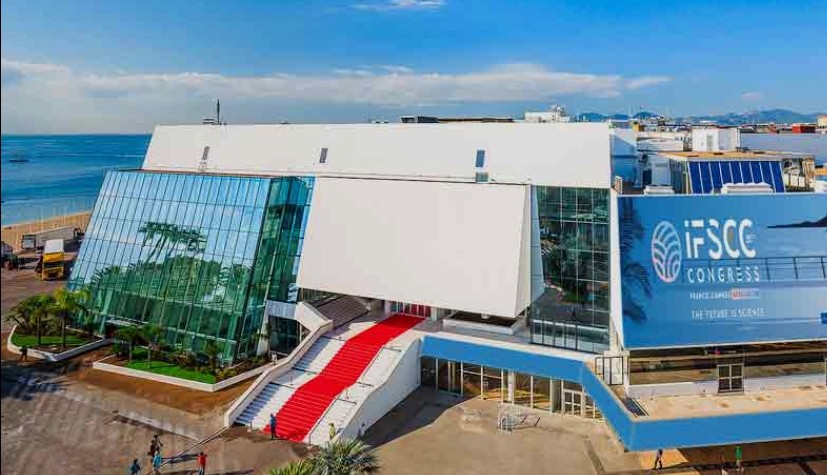
The red carpet on the Montée des Marches stays out all year — not just in May — which means on a quiet Tuesday in October you can stand at the foot of those steps, look up at the grey concrete bulk that locals call 'le bunker', and take the whole thing in without a publicist in sight.
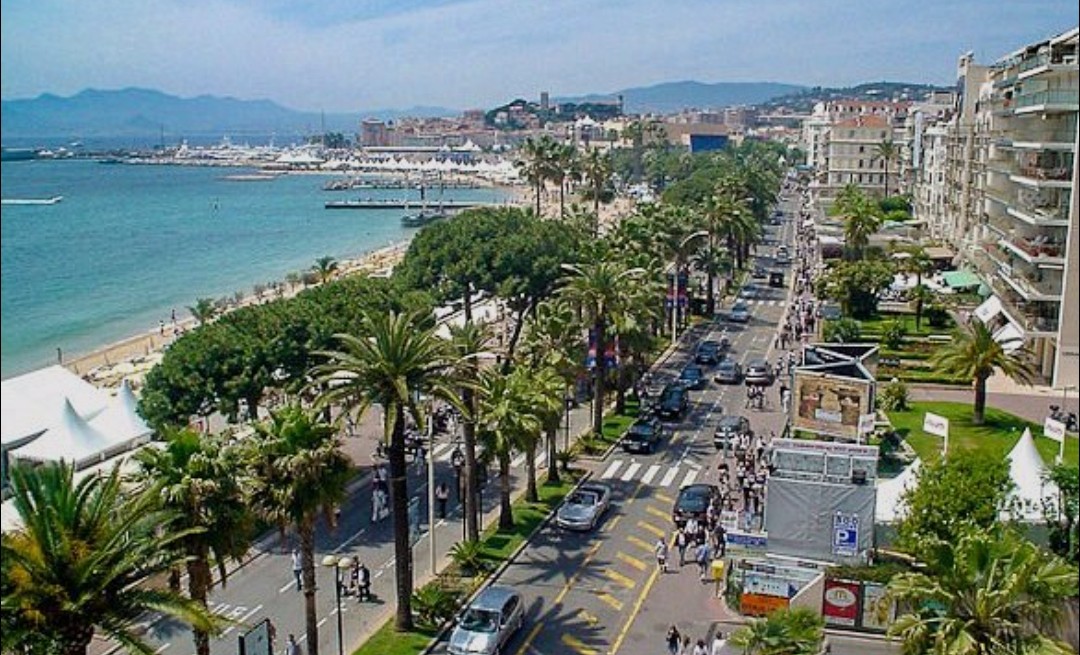
The Palais des Festivals et des Congrès dominates the western end of the waterfront: six stories of modernist concrete designed by Sir Hubert Bennett and François Druet, inaugurated in December 1982 after costing 550 million francs to build. Inside, 18 auditoriums and 35,000 square metres of exhibition space make it one of Europe's busiest convention venues, though for most visitors it remains inseparable from the one fortnight in May that turned Cannes into a proper noun.
💛 What travellers fall for
People who come back tend to book guided tours in English — offered year-round outside festival season — to get inside the Grand Auditorium Louis Lumière and stand in those 2,300 seats. The Walk of Fame in the forecourt rewards a slow look; the hand and footprints in cement are more intimate than you expect.
The story behind Palais des Festivals et des Congrès
Cannes hosted its first film festival in 1946, but the city didn't get a purpose-built venue until 1949, when a Palais rose on the Croisette — on what is now the site of the JW Marriott. That original building was eclectic enough to host the 4th and 6th Eurovision Song Contests in 1959 and 1961, alongside cinema.
By the late 1970s, the festival had outgrown it. The arrival of MIPTV, the television market, in 1965 had signalled that Cannes was becoming a year-round convention city, not just an annual cinema party. Construction of the current Palais began in 1979 on the site of the old municipal casino; it opened in December 1982. Expansions followed — the Espace Riviera in 1999, the panoramic Rotonde Lérins in 2006 — along with a decade-long modernisation programme from 2009.
Good to know
Cannes SNCF station is a seven-minute walk. The Tourist Office inside the Palais keeps longer hours in summer. Avoid the second half of May entirely if you lack festival accreditation — access is severely restricted and prices spike. Year-round exterior access is free.
Where is Palais des Festivals et des Congrès?
More tickets & tours for Palais des Festivals et des Congrès
Book directly at the provider
What travellers say about Palais des Festivals et des Congrès
The Palais des Festivals is not about polished luxury — it’s about power, presence, and global relevance. Yes, parts of the building feel dated. But that becomes irrelevant the moment you step onto the Croisette side and feel the pulse of the Cannes Film Festival. This is where the world’s most influential voices in film, media, and culture converge — where careers shift, deals close, and stories move from idea to global stage. The iconic red carpet isn’t just a photo moment — it’s a symbol. Being here means you’re in the room where it happens. Come for the energy, the access, and the undeniable sense that something important is always unfolding inside. Not the most beautiful venue — but arguably one of the most powerful.
Great experience at Palais des Festivals et des Congrès while attending World AI Cannes Festival. The venue is modern, well organized, and perfectly located by the harbor. It’s exciting to be in such an iconic place. Definitely worth a visit when in Cannes!
Visit the site due to the famous Cannes Film Festival. Yet, if you have the same expectation as mine, it will somehow disappointed you… The only two places which open are the red carpet stairs and a tourist center. The former seems astonishing at first but fell short to exploring more than just a red carpet. The latter offers a great experience of the Festival, but the souvenir shop only sells the merchandise for Cannes and nothing about the festival itself… Maybe I gave it too much expectation…
If you ever get the chance to visit The Palais des Festivals et des Congrès in Cannes, don’t miss it! There are not many days in a year when the palace is open to tourists, so when it is - take that rare opportunity! This is not just a building - it’s where world-famous movie stars walk the red carpet. You get to see behind the scenes of the Cannes Film Festival and visit places you’d never normally be allowed to enter… unless, of course, you’re on your way to becoming a world-famous actor or director! Walking through the backstage areas, the theaters, and the press zones is truly exciting. You’ll feel the energy, the history, and maybe even a bit of the stardust left behind by celebrities.
Sense but over hyped. The fabulous red carpet wasn't there during our visit and the place was undergoing regular maintenance and repair works, so was heavily covered. We also strolled the heathy shops out of curiosity and found nothing special compared to regular outlets in London
More of Cannes
Discover where to stay, what to do and the best deals for your trip.
Explore Cannes →More attractions in Cannes
All of Cannes →
Background adapted from Wikipedia (CC BY-SA) · map data © OpenStreetMap contributors · ratings & place photos via Google · other photos with per-image credit. Ticket links may earn us a commission at no extra cost to you.