
Îles de Lérins
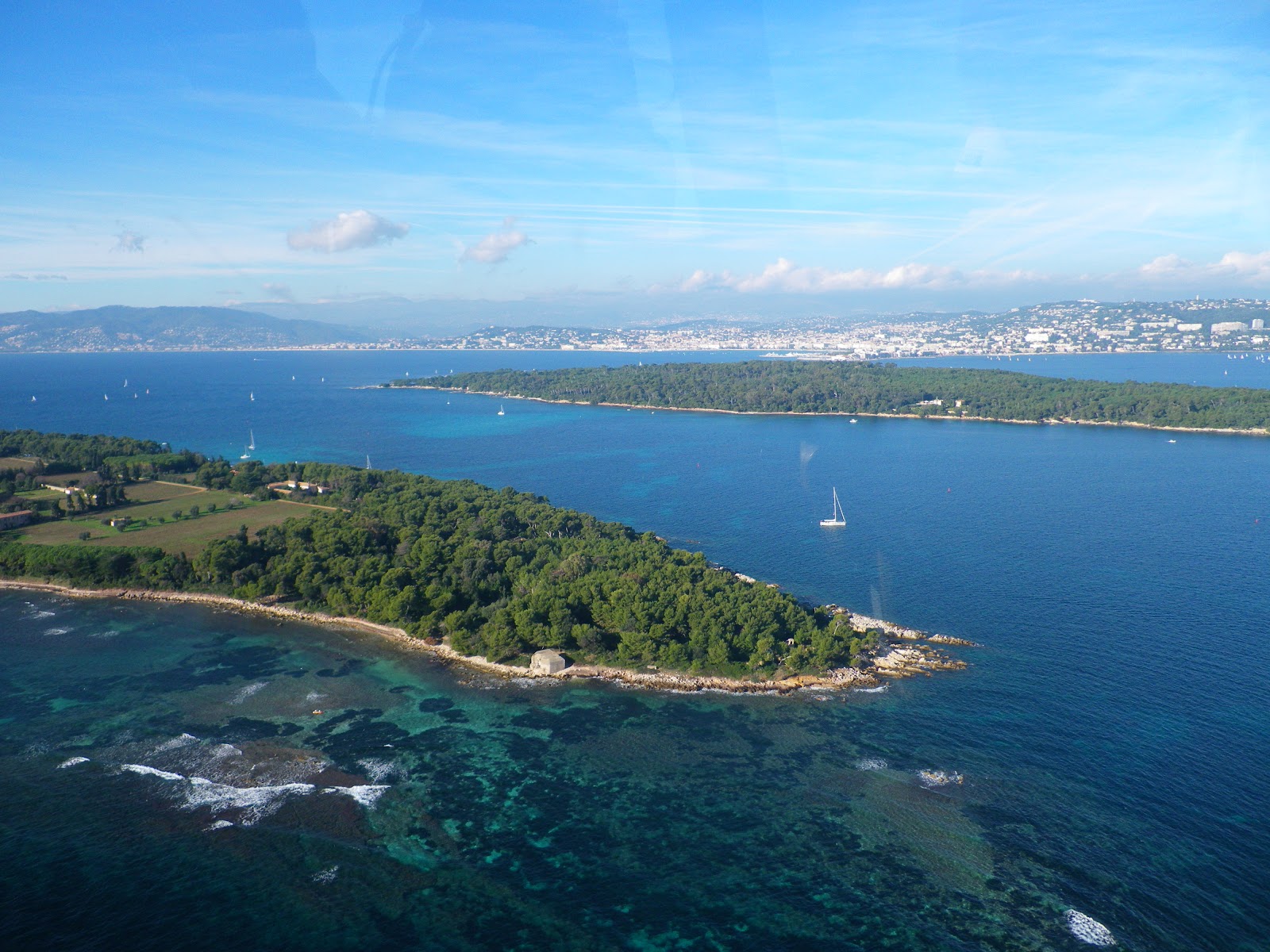
Fifteen minutes by ferry from the Cannes waterfront and you step onto an island where the only permanent residents are twenty lighthouse staff and twenty-one Cistercian monks. The Îles de Lérins — Sainte-Marguerite and Saint-Honorat — sit close enough to the Croisette to seem like a mirage, yet they run on a different clock entirely: no cars, no Wi-Fi, vineyards tended by hand, and a fortified monastery standing in the sea.
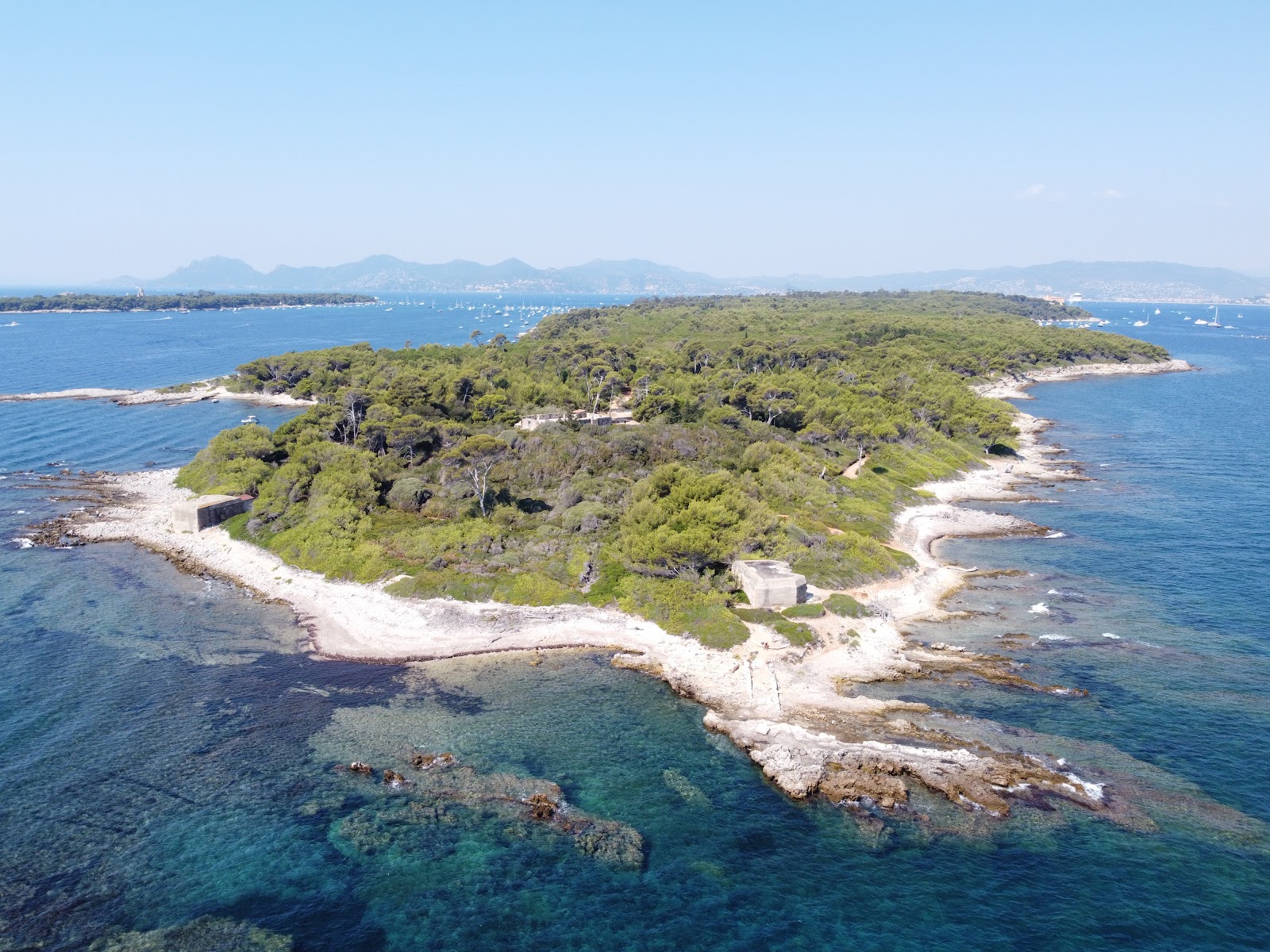
The two islands share a name but little else. Sainte-Marguerite holds Fort Royal, where the Man in the Iron Mask spent eleven years in a cell you can still enter. Saint-Honorat carries the older weight: a monastic community founded around 410 AD, seven small chapels scattered through pine and eucalyptus, and a fortified tower the monks retreated to when pirates came.
💛 What travellers fall for
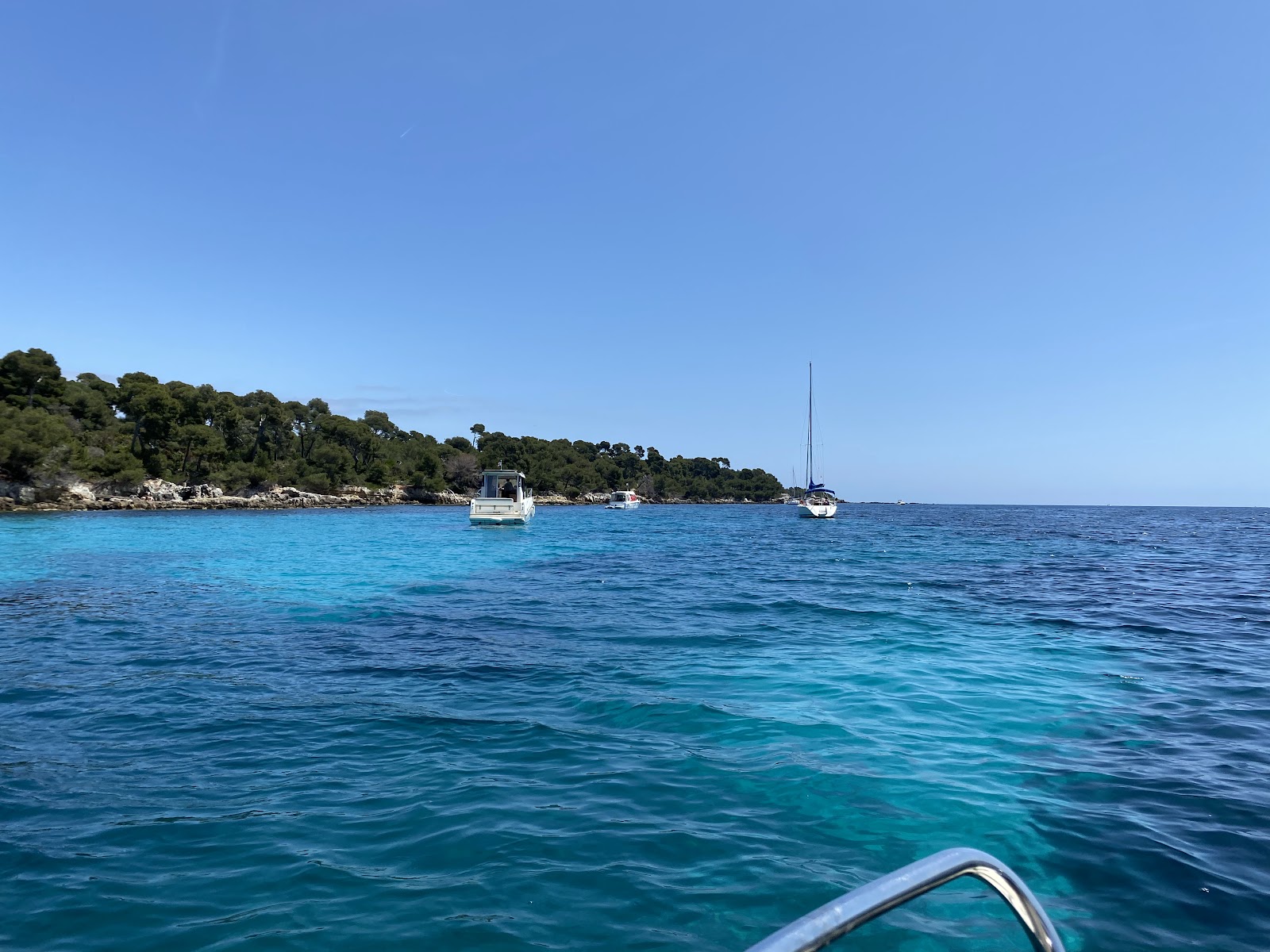
People who return tend to take the early 07:30 boat on a weekday — the one that skips Sundays in winter — to have the pine paths mostly to themselves. On Saint-Honorat, the abbey shop sells wine and liqueur the monks make themselves; it sells out. Bring a picnic: the single restaurant on Sainte-Marguerite fills fast in summer.
The story behind Îles de Lérins
Saint Honoratus founded his monastery on the smaller island around 410 AD, making it one of the earliest monastic communities in the Western world. Among those educated there was a young man who would become Saint Patrick. The community survived a Saracen massacre around 732 AD, Spanish occupation during the Thirty Years' War, and English naval seizure in 1707 before the French Revolution renamed the islands after secular martyrs — Île Marat and Île Lepeletier — and scattered the monks entirely.
On Sainte-Marguerite, Cardinal Richelieu ordered Fort Royal built in the 17th century; Vauban reinforced it under Louis XIV. The fort's most famous tenant arrived in 1687: the Man in the Iron Mask, who remained eleven years before transfer to the Bastille. Napoleon later added shot furnaces to heat cannonballs. The fort was classified a historical monument in 1927 and now houses the Musée de la Mer, which displays finds from underwater excavations off the island's coast.
Good to know
Ferries leave from Quai Laubeuf at the Vieux-Port; Sainte-Marguerite and Saint-Honorat are served by different companies with no island-to-island shuttle — you return to Cannes to switch boats. Last departures from the islands are around 6:30 pm. No public Wi-Fi on either island.
Spring and autumn offer the clearest light and thinner crowds; the pine shade makes summer days manageable, though the ferries and Fort Royal fill quickly in July and August. Winter crossings run daily but the earliest morning boat doesn't operate on Sundays between November and April.
Where is Îles de Lérins?
More tickets & tours for Îles de Lérins
Book directly at the provider
What travellers say about Îles de Lérins
Two Islands out of time, so close to Cannes but so far away at the same time. Winter seems to never exist in Saint Margaret and her little sister, Saint Honorat. Modern statues have been immersed between the two Islands making their discovery full of mystery...and fun.
A very nice place to visit, it was super nice to take a ferry from Golf Juan and come. We were with a small kid and it was all great, we were walking around the island, but what we did not expect is that we should have made a reservation for lunch (we bought sandwiches which were also super tasty and fresh). The only thing is that beach is not equipped at all, nowhere to lay, no changing cabins, no showers.
Clip in. A place of great Fathers, men of Christ. I stayed nearby. Recommend with emphasis.
Every time I go to south of France 🇫🇷 I have to visit this beautiful place
Great place to bring family and friends
More of Cannes
Discover where to stay, what to do and the best deals for your trip.
Explore Cannes →More attractions in Cannes
All of Cannes →
Background adapted from Wikipedia (CC BY-SA) · map data © OpenStreetMap contributors · ratings & place photos via Google · other photos with per-image credit. Ticket links may earn us a commission at no extra cost to you.