
La Croisette
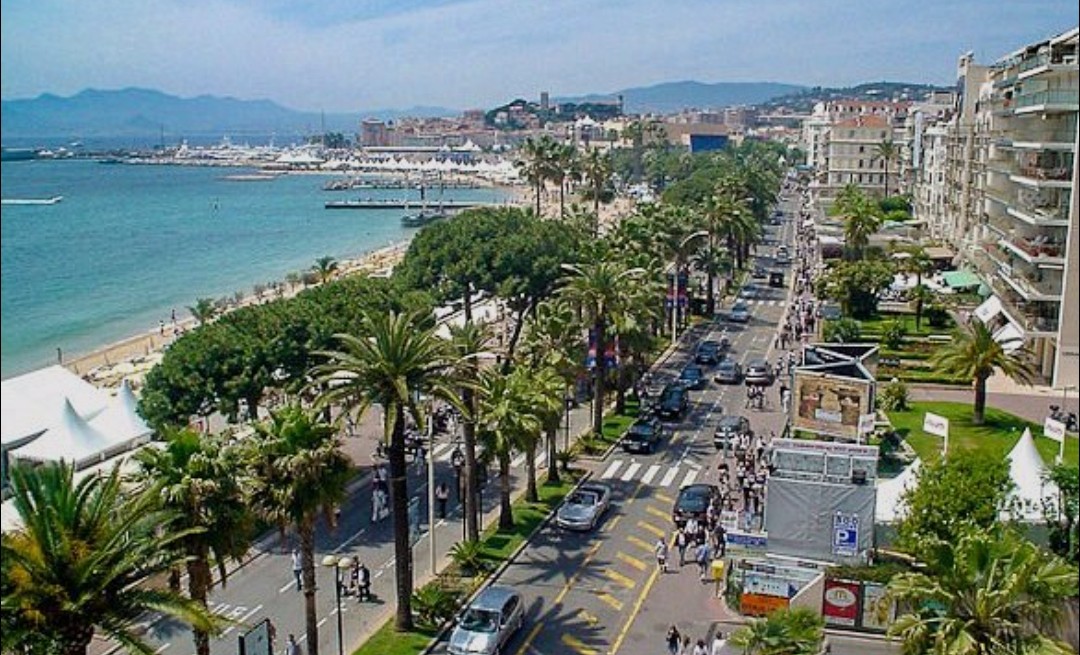
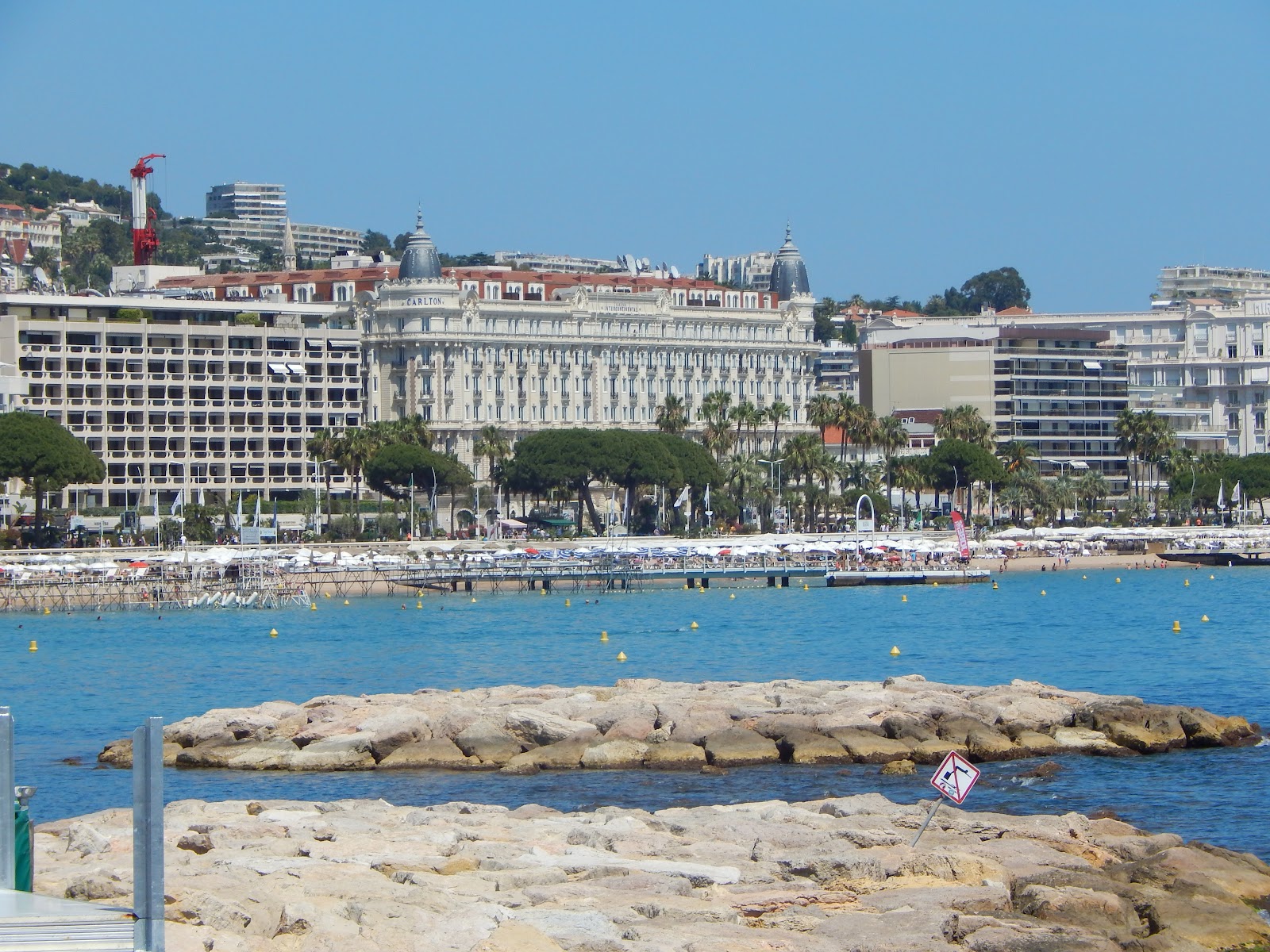
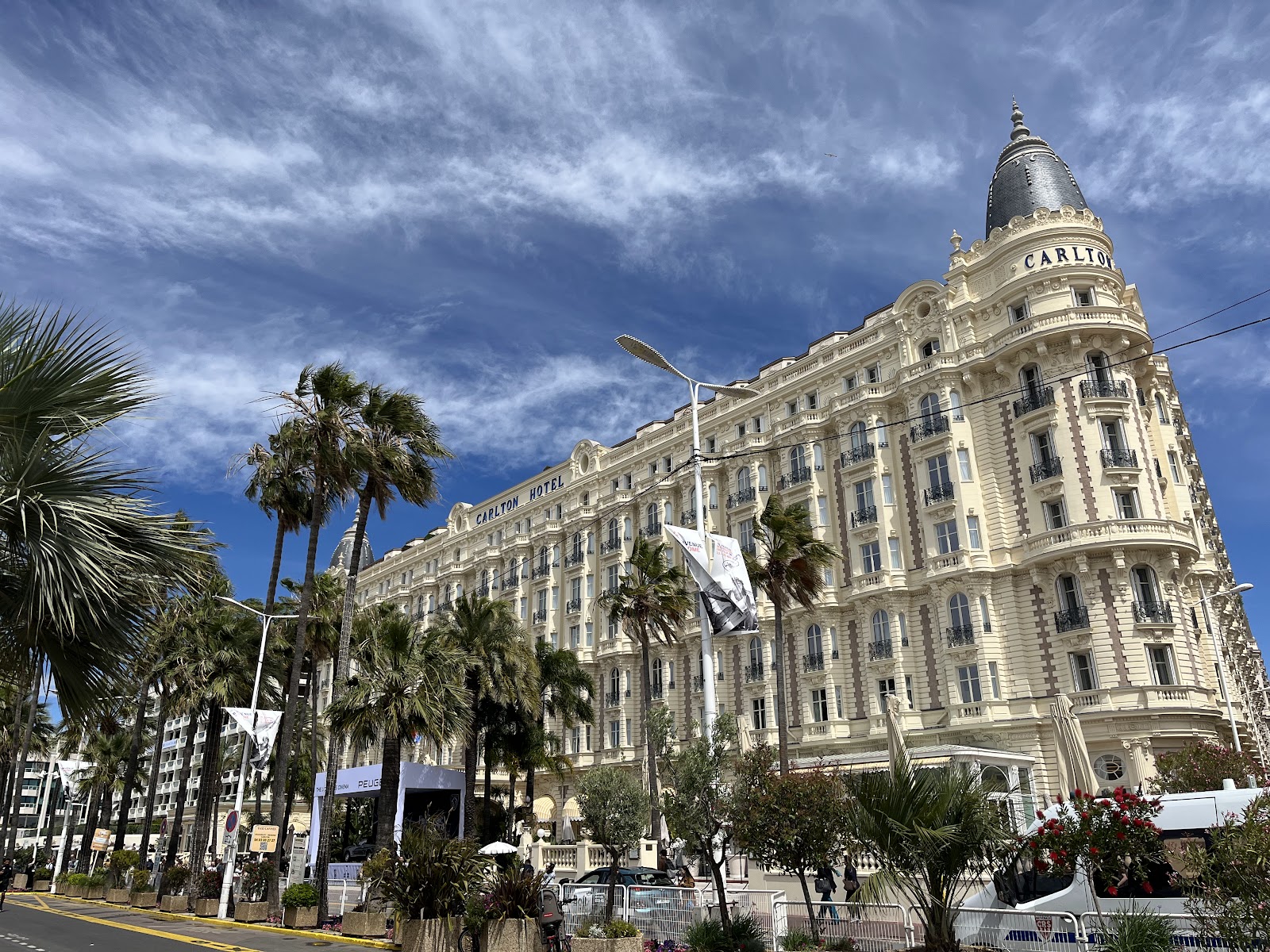
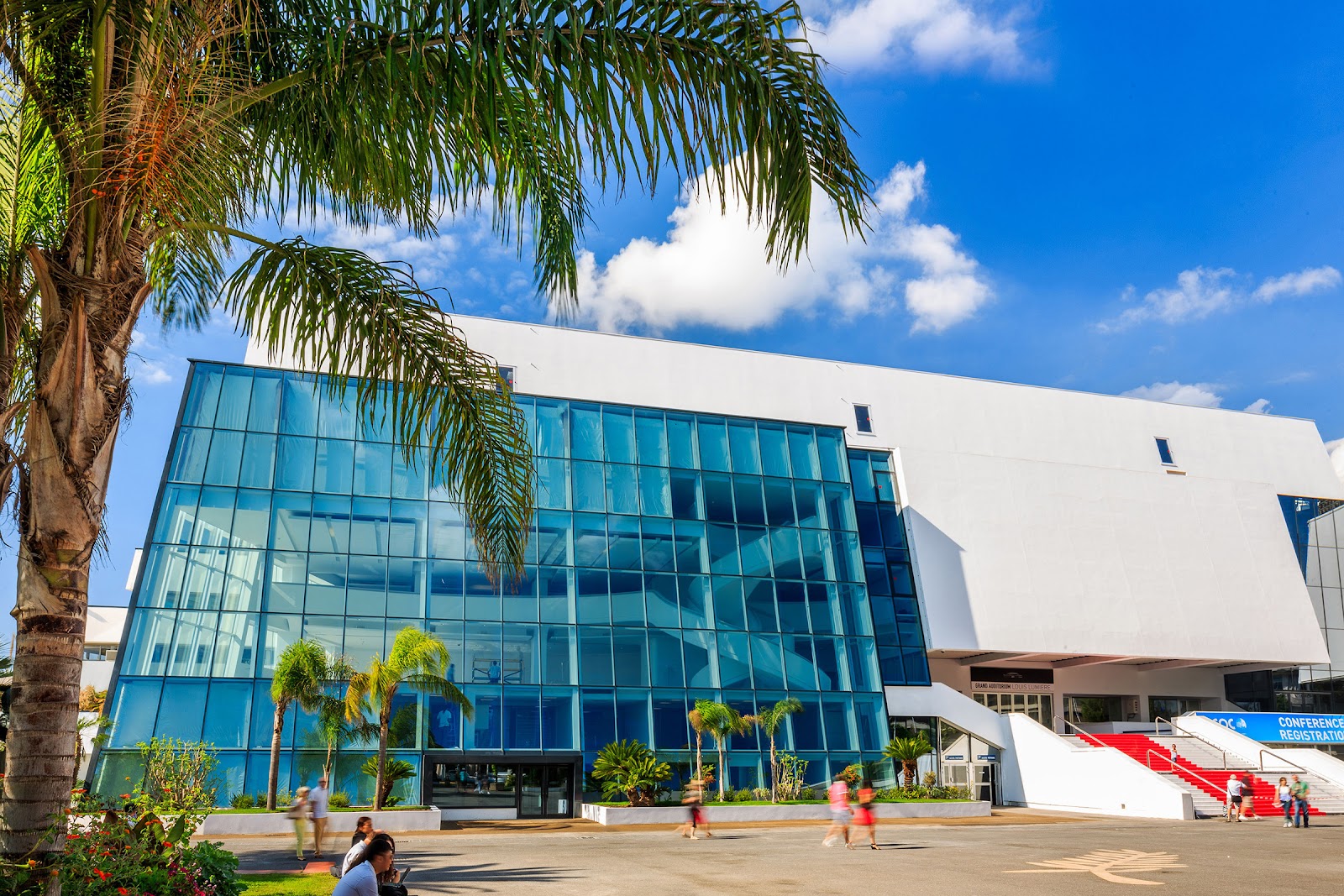
The name comes from the Provençal word for a small cross — a marker on the old pilgrimage route to the abbey on Île Saint-Honorat. That origin feels remote now when you're walking the three kilometres of pale pavement between the Palais des Festivals and Port Canto, the Carlton's twin domes rising white against the sky, the Mediterranean sitting flat and blue to your left.
La Croisette is Cannes's main act: a broad, palm-lined seafront boulevard where the public beach and the grand hotels share the same strip of coast. The blue chairs set out along the promenade are free to anyone who wants to sit and watch the water, or the people, or both.
💛 What travellers fall for
Regulars tend to walk the full length early, before the day heats up — west to east, from the Palais toward Port Canto, then back along the beach side. The Carlton's ground-floor terrace is a reliable stop for coffee. If you're here in May, the Chemin des Étoiles outside the Palais is worth a slow look — the handprints are more interesting than you'd expect.
The story behind La Croisette
In 1834, British aristocrat Lord Henry Brougham arrived in Cannes by accident — a cholera outbreak had closed the border into Nice — and stayed to build a residence. His presence drew other wealthy northern Europeans south, and by 1853 Mayor Marius Barbe was negotiating with residents to fund a proper coastal road. Construction finished in 1863, the same year the Paris-Lyon-Mediterranean railway reached Cannes. The boulevard was widened to 65 feet, lined with palms and gas lamps, and briefly renamed Boulevard de l'Impératrice before reverting to La Croisette after the Third Republic.
The Carlton followed in 1911, designed by Marcellin Mayère and Charles Dalmas; the Majestic opened in 1926. The first Cannes Film Festival was held at the Municipal Casino in 1946, and when the Palais des Festivals replaced it in 1983, the boulevard's character was set for the century: grand hotels, public beach, cinema mythology, all on the same pavement.
Good to know
The TER train from Nice Côte d'Azur airport reaches Cannes in about 30 minutes; the boulevard is a five-minute walk from the station. Spring — mid-April through June — gives you warm days without peak-summer crowds. The promenade itself costs nothing and is open around the clock.
Summer runs hot and dry — July and August push toward 28°C with a sea temperature around 24°C and long, bright days. Spring is the quieter window: temperatures reach the low 20s by May, the light is good, and the autumn rain hasn't arrived yet. November is the wettest month; January nights can drop to around 6°C.
Where is La Croisette?
More tickets & tours for La Croisette
Book directly at the provider
What travellers say about La Croisette
What a wonderful street to walk along and enjoy the views. It’s usually very crowded, but that’s exactly what gives it so much energy and vibe. You’ll find plenty of restaurants and luxury shops lining the street. And of course, there are some incredible cars parked around, which makes strolling here even more fun. It really gives off strong Monaco-style luxury vibes.
Very nice street with shops and restaurants 😃
Based not far from Cannes. If you one day visit Cannes you need to take a slow walk and stop one of restaurant along the way. Star for a day ✨️ 💫✨️💫👍
Quiet off season. Nice for a walk and a wonderful view.
Popularly known as Palais des Festivals et des Congres", La Croisette is about 22 km long promenade in Cannes along the shore of the Mediterranean Sea where the Cannes Film Festival is held. There is a sidewalk with hotels, casinos, brand stores, a rose garden and places with lots of shady trees where families meet and spend their quality time. There are interesting places around this place to stroll and explore. If you are falling short of time or do not have energy for a walk, then one can enjoy a small touristic city train tour to explore the nearby area. The place is dynamic with lots of hustle bustle of the tourists and locals. The evening sunsets and the night illuminations and combined with festive fireworks make this place truly romantic and mesmerizing. A must to visit when you are in France.
More of Cannes
Discover where to stay, what to do and the best deals for your trip.
Explore Cannes →More attractions in Cannes
All of Cannes →
Background adapted from Wikipedia (CC BY-SA) · map data © OpenStreetMap contributors · ratings & place photos via Google · other photos with per-image credit. Ticket links may earn us a commission at no extra cost to you.