
Port de Cannes (Vieux Port)

The thing that strikes you first is the scale of the boats — serious yachts, some stretching past 100 metres, moored alongside weathered fishing vessels whose nets are folded into wooden chests at the quayside. This is Cannes' old port, the Vieux Port, and it has been both working harbour and social stage for nearly two centuries.
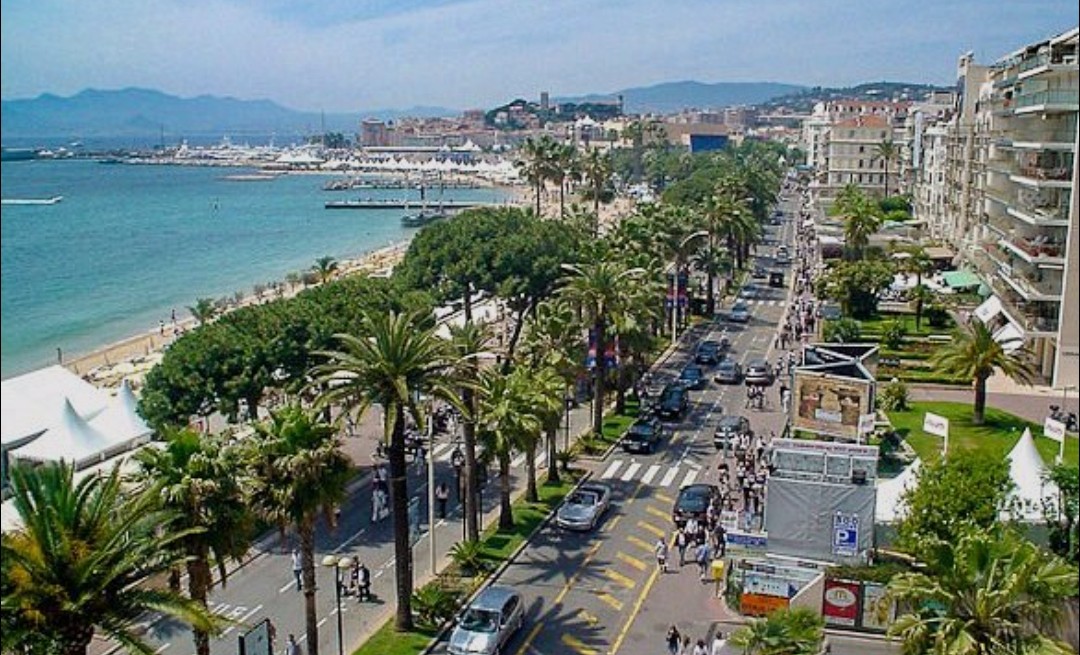
Quai Saint-Pierre runs along the south edge, its restaurant terraces spilling under palm trees toward the water. Behind it, the medieval streets of Le Suquet climb toward the old watchtower. In summer, water-jousting tournaments take place right in front of the quay, crowds pressed against the railings.

💛 What travellers fall for
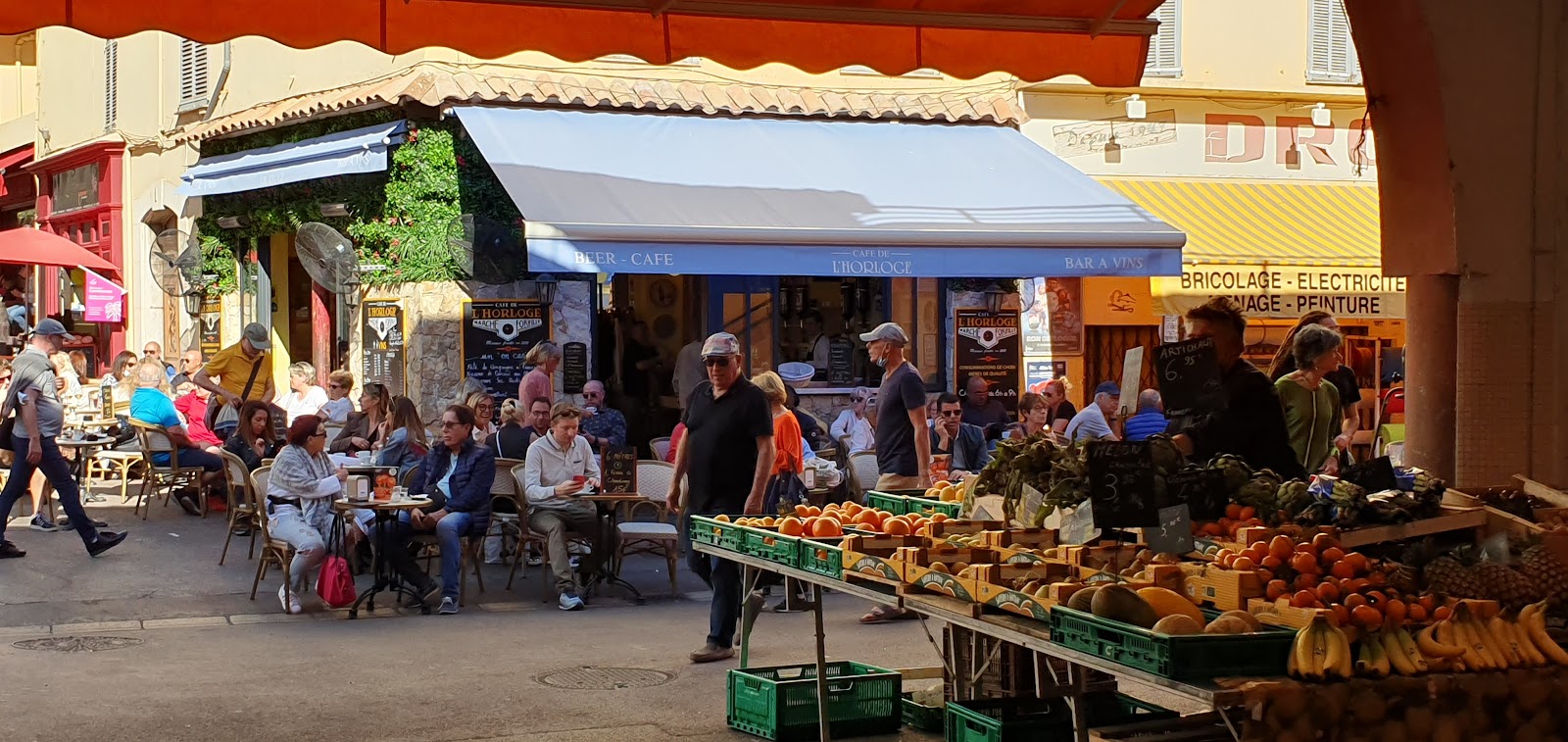
People who come back tend to arrive early: the fishermen from the night catch sell directly at Forville market, a hundred metres from the water, and the port itself is quietest before the terrace restaurants fill. The view up to Le Suquet is better in morning light, and you'll have the quay largely to yourself.
The story behind Port de Cannes (Vieux Port)
In December 1834, Lord Brougham — British statesman, en route to Nice — arrived at what was then a small fishing village and was stopped cold by a cholera epidemic that had closed the border. He stayed, built a house, and spent the next decades promoting Cannes to the British aristocracy. The Quai Saint-Pierre wharf opened in 1838, formalising the port's role as a point of arrival. Steam paddle boats were already connecting Cannes to Marseille by 1835.
Through the 19th century, British and then Russian nobility made the port their seasonal landing point. By the 1930s and 1940s, transatlantic liners were calling in from New York, and yachting culture was taking root. A major modernisation project begun in late 2012 brought the infrastructure into the modern era while keeping the historic quayside intact. The port now holds 650 berths and hosts the Yachting Festival and Régates Royales on the Pantiero esplanade each year.
Good to know
The port is a free, open public space, reachable on foot from anywhere in the city centre or in about ten minutes from Gare de Cannes. Cruise passengers arrive by tender from the bay — a 10-to-15-minute ride. An hour covers a good stroll; add lunch on the quay or a boat excursion to Îles de Lérins and you're looking at half a day.
Spring — mid-April through mid-June — is the most comfortable time to be here, with temperatures around 21°C and long sunny days without the summer heat. July and August are hot and occasionally muggy, though a sea breeze usually arrives by afternoon; September can bring sharp, concentrated rainfall, and October is the wettest month of the year.
Where is Port de Cannes (Vieux Port)?
More tickets & tours for Port de Cannes (Vieux Port)
Book directly at the provider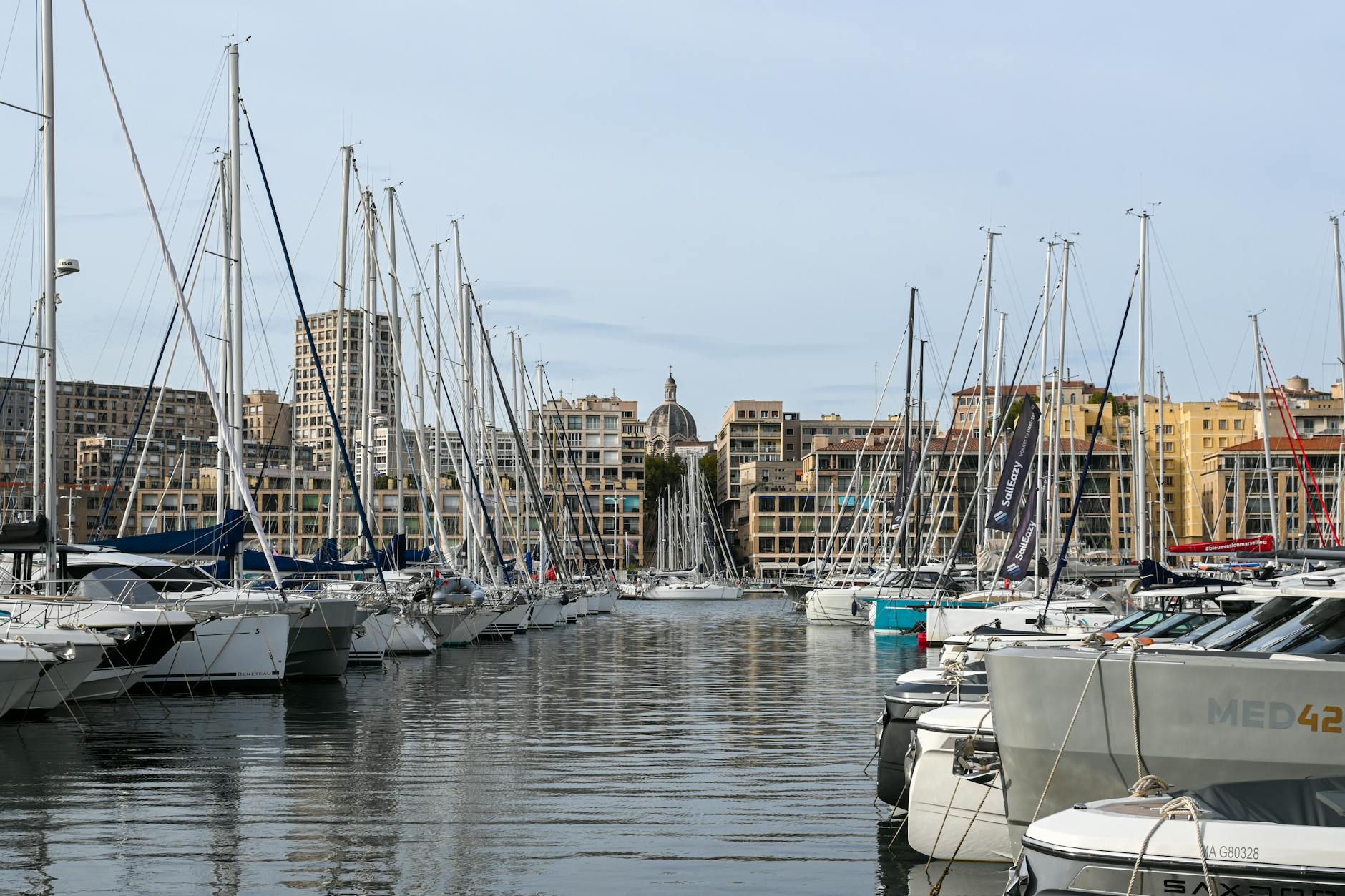
What travellers say about Port de Cannes (Vieux Port)
The Vieux-Port is Cannes’ historic harbor, located at the foot of the old town of Le Suquet. It is famous for its luxury yachts, charming waterfront promenades, excellent restaurants, and ferry connections to the beautiful Lérins Islands. The harbor area is lined with wonderful terraces and dining spots where you can spend hours enjoying the views and the authentic Côte d’Azur atmosphere. It is one of Cannes’ must-see locations and a place that is always a pleasure to return to.
We caught a ferry from here to isle st. Marguerite where we spent the day. We parked in the underground parking lot at the port. 21 €( about 10hrs).
This location has been excellent for what we needed. The facilities are very good and always kept clean. The port is very well run. The only issue we had was on the weekend the rubbish collection area seemed to pile up without collection. But there was a film festival on, so I can blame anyone for that. On occasion there were shower cubicles with soap dispensers that were not working or empty, but that's only a minor inconvenience. All in all, it's excellent here.
Nice place to have a walk!
Nice marina in Cannes. It offers good paths for walking with beautiful scenery. It’s very relaxing and charming for evening or night strolls. 🌙
More of Cannes
Discover where to stay, what to do and the best deals for your trip.
Explore Cannes →More attractions in Cannes
All of Cannes →
Background adapted from Wikipedia (CC BY-SA) · map data © OpenStreetMap contributors · ratings & place photos via Google · other photos with per-image credit. Ticket links may earn us a commission at no extra cost to you.