
Marché Forville
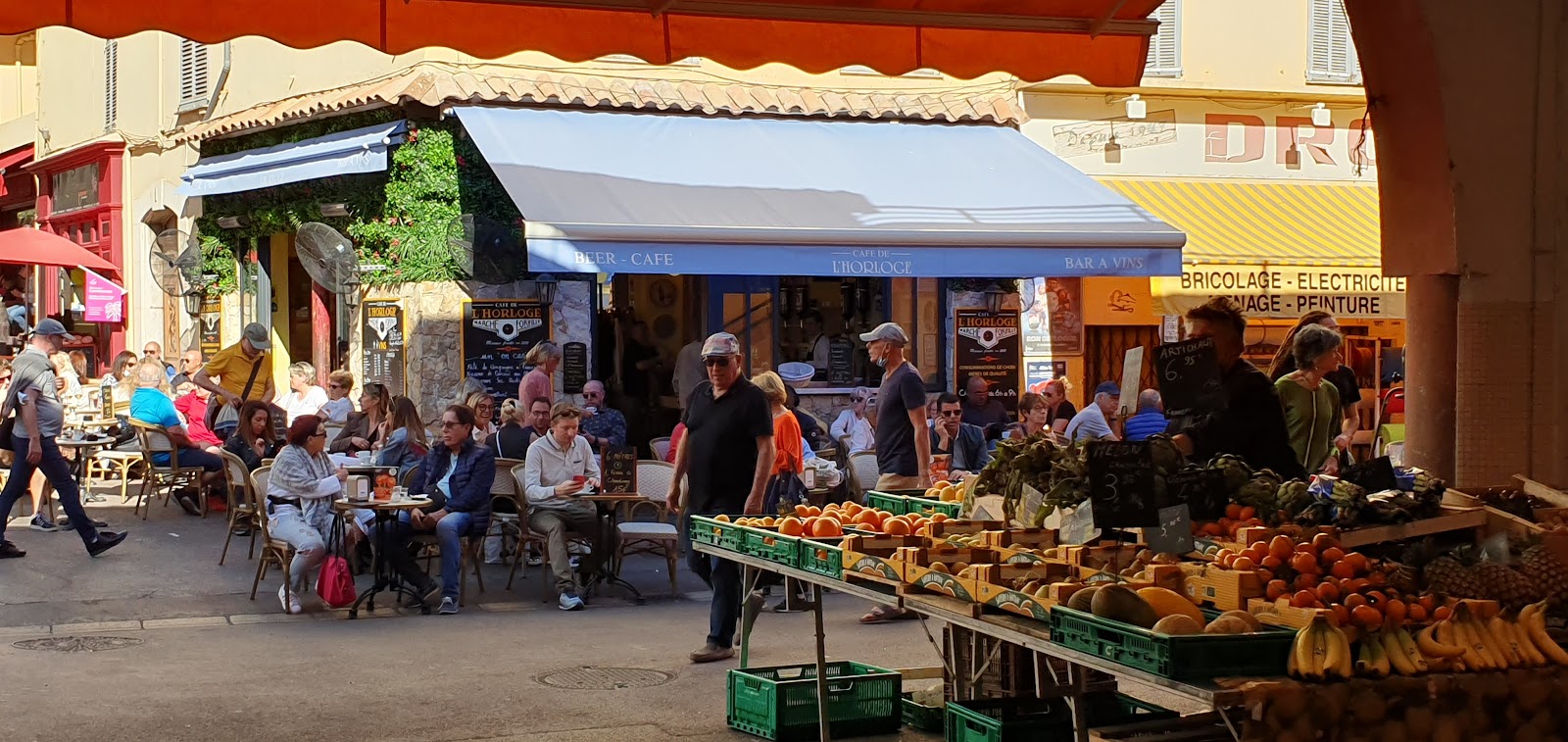
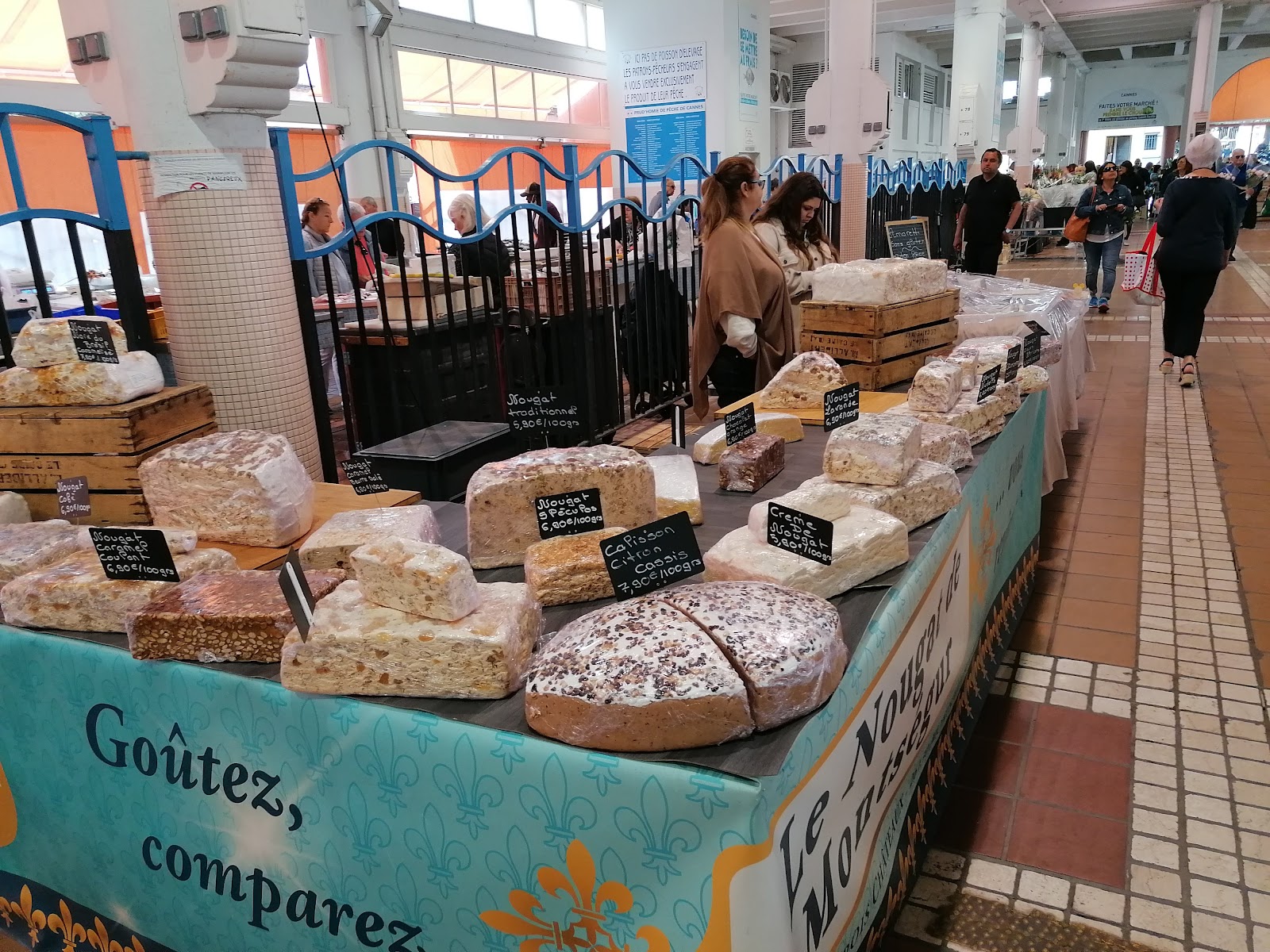
By seven in the morning, Marché Forville is already mid-conversation. Vendors stack tomatoes the colour of old brick, fishmongers lay out the night's catch on beds of ice, and François Tomé — whose family came from Spain — arranges serrano ham and chorizo alongside tripe sausage from Troyes and dried sausage from Lyon. The hall has been feeding Cannes since 1884, and the rhythm hasn't changed much.
The current structure, completed in 1932, is a confident piece of regionalist concrete: four arched entrances, ochre-red rusticated plaster, false dovecotes, and a terraced roof that once seemed indestructible. It wasn't — ongoing renovation through at least 2027 has shifted some vendors temporarily to Allées de la Liberté — but the market's character, its noise and particularity, has followed them.
💛 What travellers fall for
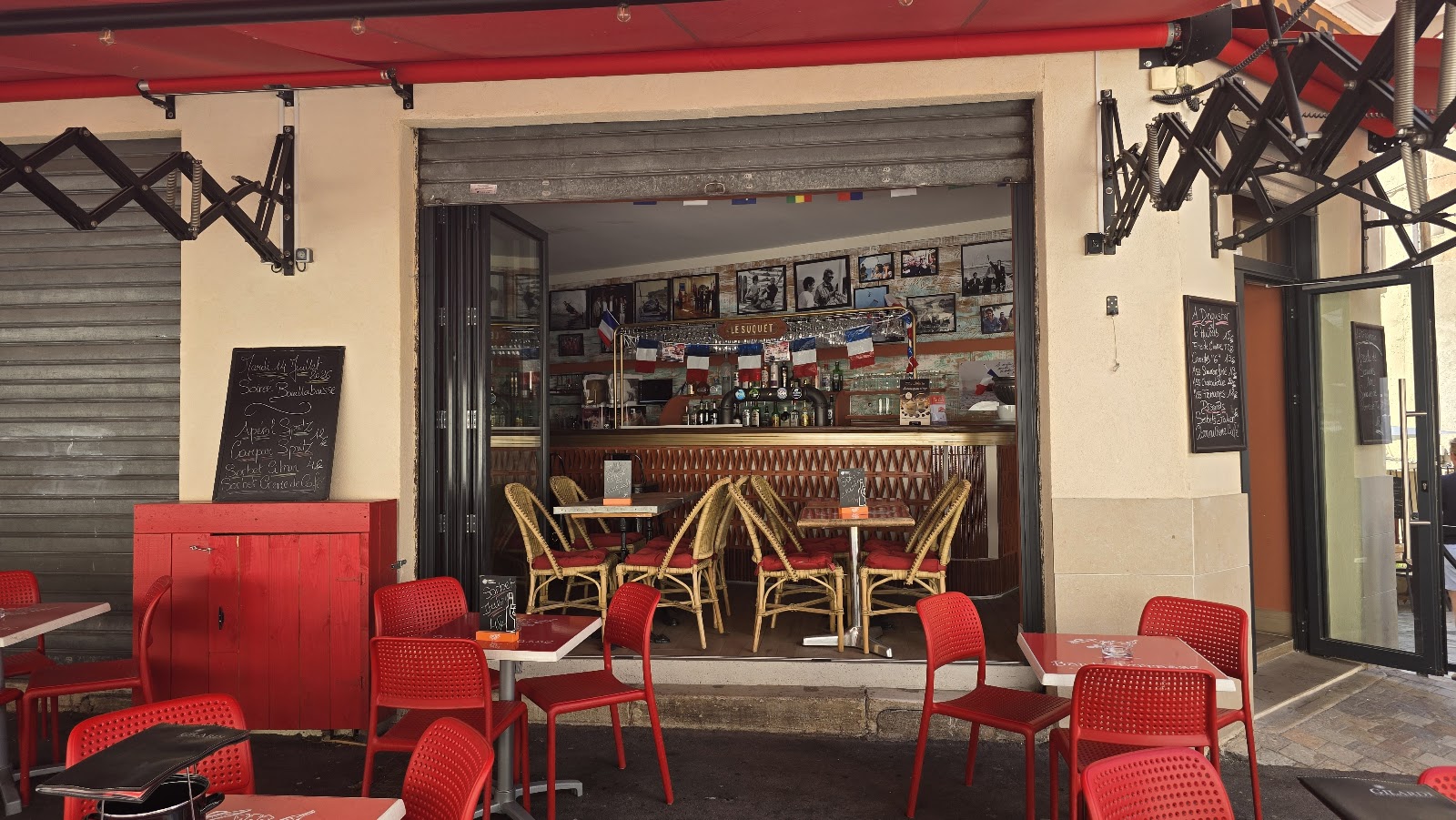
People who come back tend to arrive early and leave late. Willy Carayon, whose father and grandfather also sold fish here, is worth finding for oysters. The surrounding terraces do coffee and croissants; by ten, rosé appears. Many stalls are cash-only, so stop at an ATM before you arrive.
The story behind Marché Forville
An open-air market occupied the Allées de la Liberté before 1884, when a wooden hall on the current site replaced it. That structure served the neighbourhood for nearly fifty years before the city launched an architectural competition in 1929. The winning design came from Henri Bret, a Draguignan-born architect trained in Paris; construction was carried out by the firm Lisnard & Rance — Léon Lisnard, one of the builders, was the great-great-grandfather of Cannes' current mayor.
The hall that opened in 1932 covered 3,000 square metres of reinforced concrete and masonry, with a terraced roof originally intended as accessible space. Decades of deferred maintenance left the steel reinforcement corroded to a severity of seventy percent in places. The building was designated Regional Heritage in 2000 and carries a 20th Century Heritage label; the current renovation plans to transform the roof into a garden of Provençal trees, citrus, and aromatic plants, accessible by footbridge from Rue Louis Blanc.
Good to know
Open Tuesday through Sunday, 07:00–13:00 (daily in July and August; Mondays run a brocante flea market off-season). Free entry. About ten minutes on foot from Cannes SNCF station. The Forville car park offers one free hour. Bring cash — card readers are not universal.
Summer mornings are warm and dry — comfortable for an early market visit before the heat settles in. In winter and spring the air is cooler but the market runs on the same schedule, and the quieter stalls can make for a more unhurried browse.
Where is Marché Forville?
More tickets & tours for Marché Forville
Book directly at the provider
What travellers say about Marché Forville
IF YOU ARE A TOURIST READ THIS: IT JUST OPENS ON THE MORNINGS (Usually midday they start packing) A regional place for market, have food somedays, someothers clothes and antiques, not sure about the schedule so I would go everyday if you are in downtown cannes to check, have awesome food that you dont find easilly in many places (Zuca Flower Fried i.e.). The antiques you can find vintage bags and watches (some better than others). On other days really fresh jelly, meat, fish, spices and othes.
It is open till noon. You can find fresh vegetables&fruits, herbs, cheese and ham. You can buy food also.
I absolutely loved going to this market- so much food you can pick up and eat on the spot! What a gem!!
We arrived in Cannes at 10am and went straight to the Marché for breakfast. It felt so local and authentic to be there, surrounded by the lively market vibe. The only downside was that most stalls only accepted cash, so we had to pause our shopping and walk to the ATM on the corner. Once sorted, we enjoyed two small sandwiches that were super tasty—simple, fresh, and just perfect. A great way to start the day in Cannes! 🥖✨
Get a real sense of how the locals market and enjoy some beautiful food, wine and a great atmosphere too! The passion for quality is absolutely evident on every stall.
More of Cannes
Discover where to stay, what to do and the best deals for your trip.
Explore Cannes →More attractions in Cannes
All of Cannes →
Background adapted from Wikipedia (CC BY-SA) · map data © OpenStreetMap contributors · ratings & place photos via Google · other photos with per-image credit. Ticket links may earn us a commission at no extra cost to you.