
Mont Saint-Michel
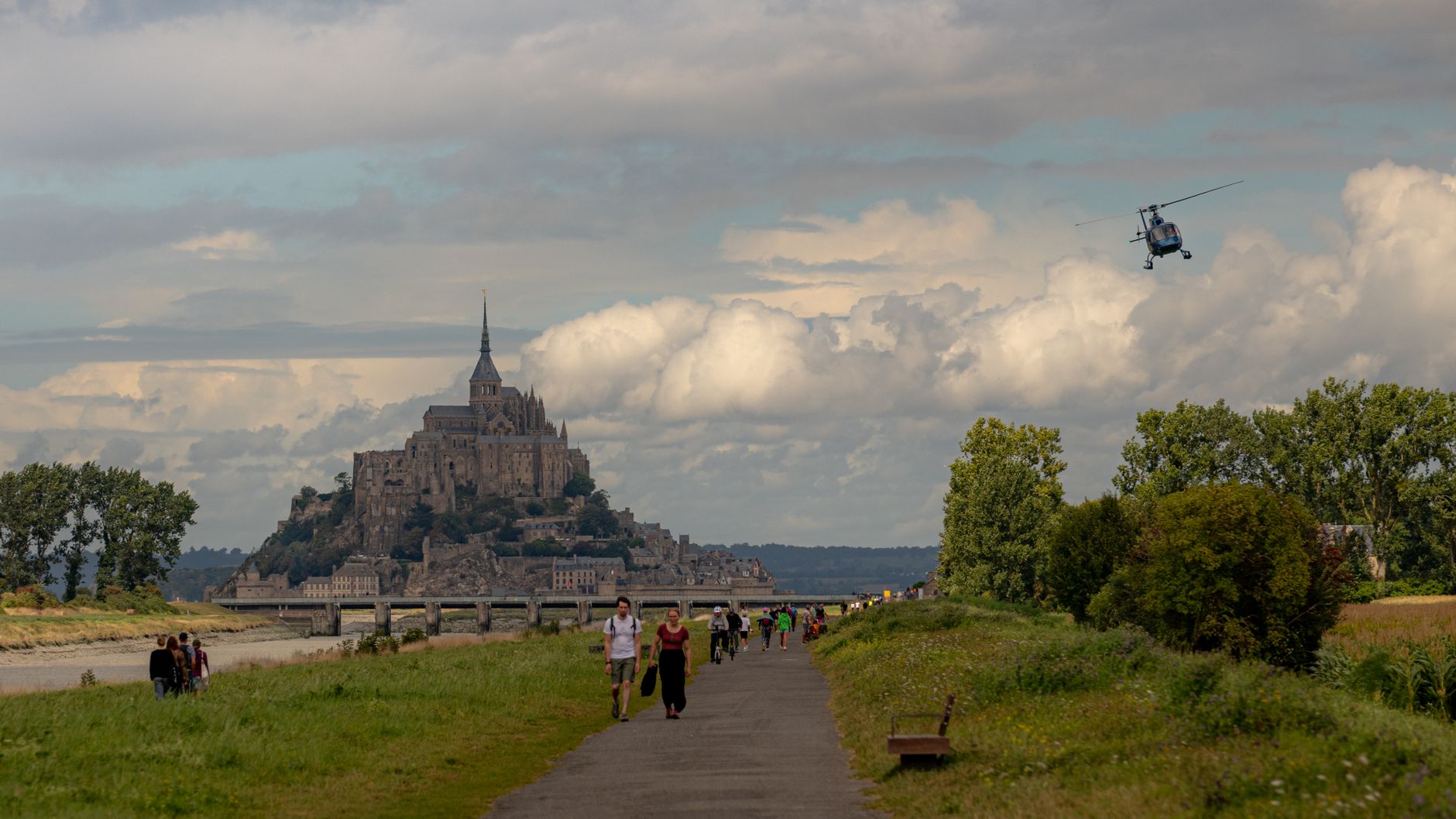
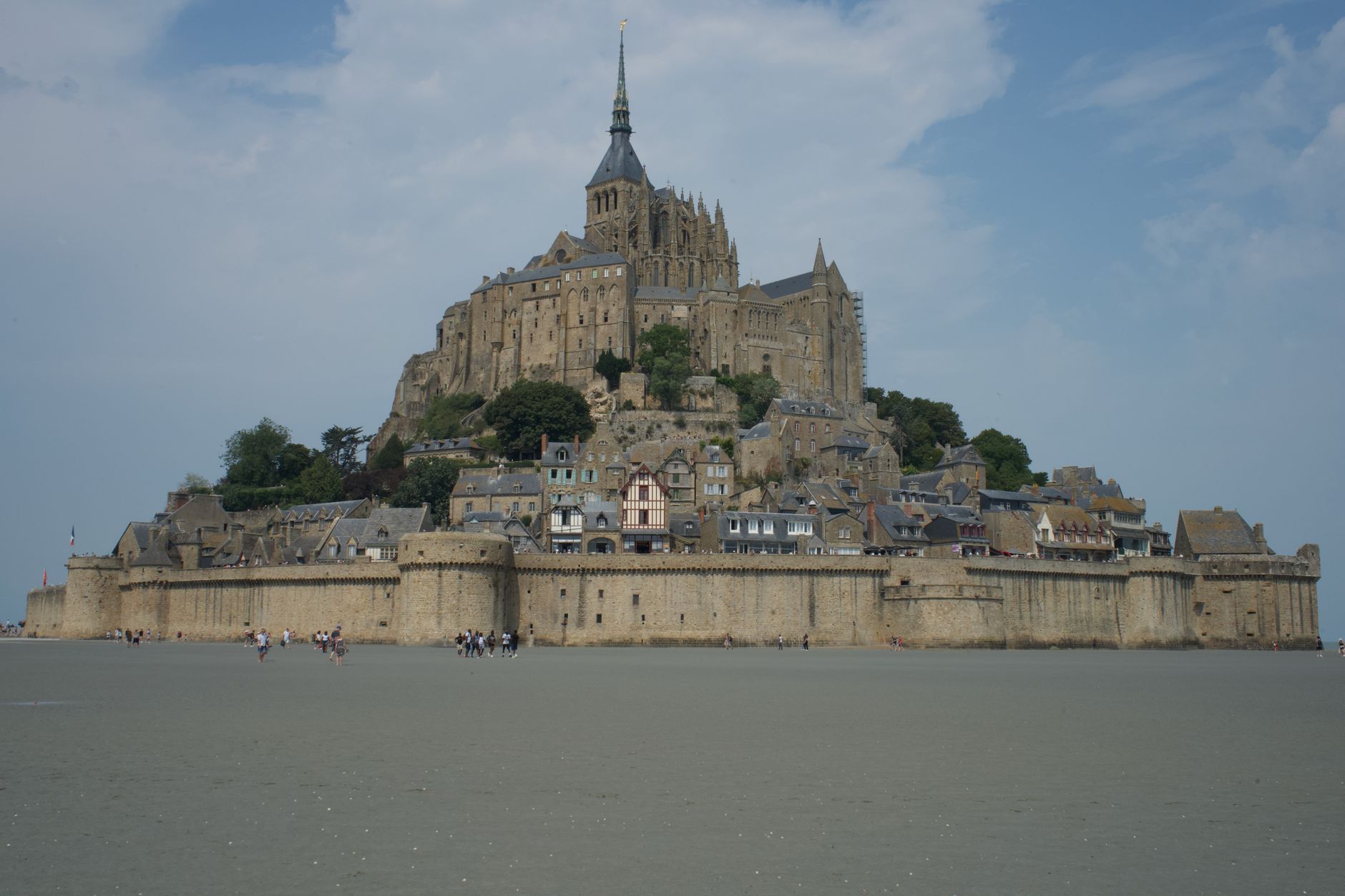
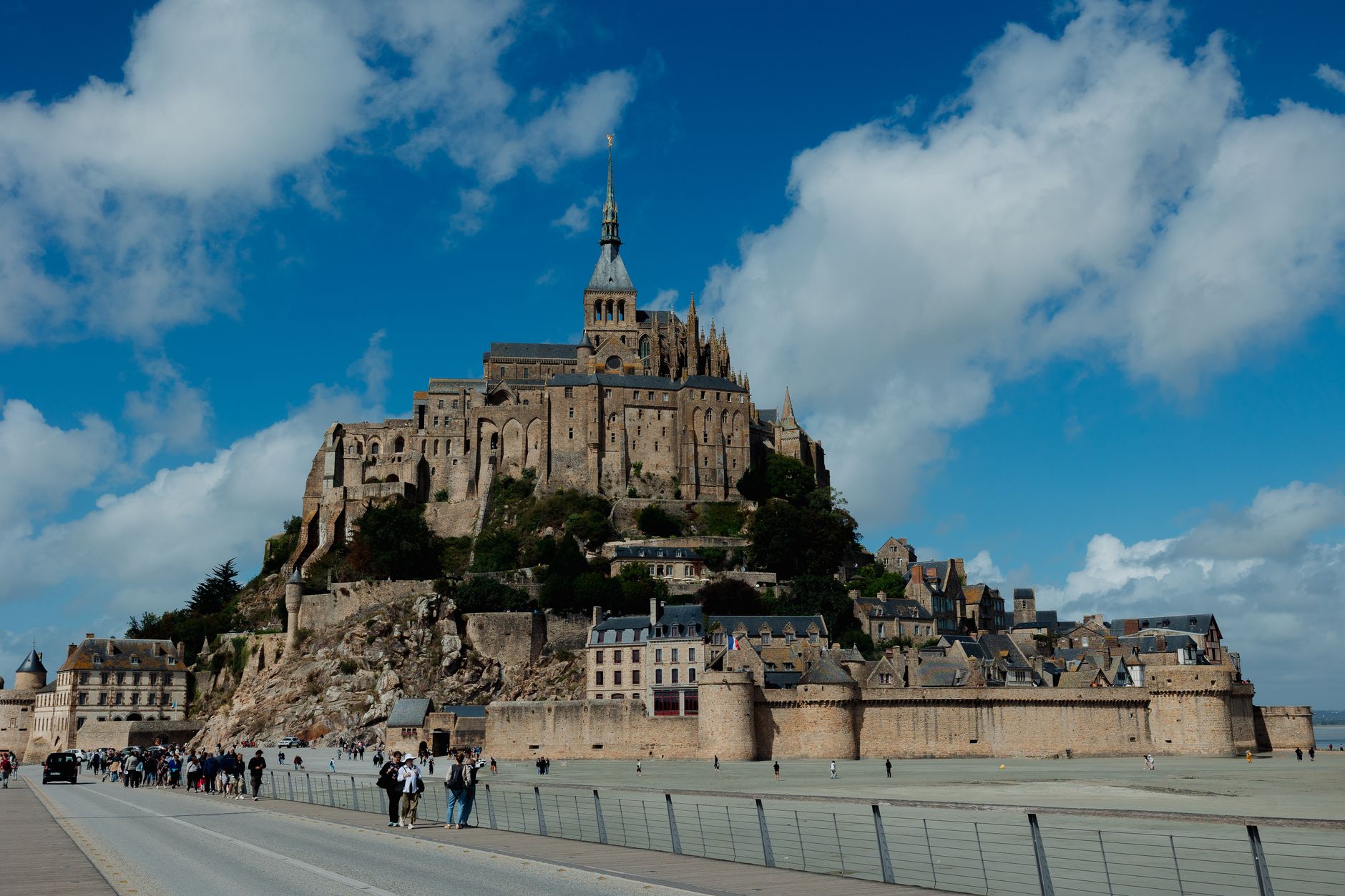
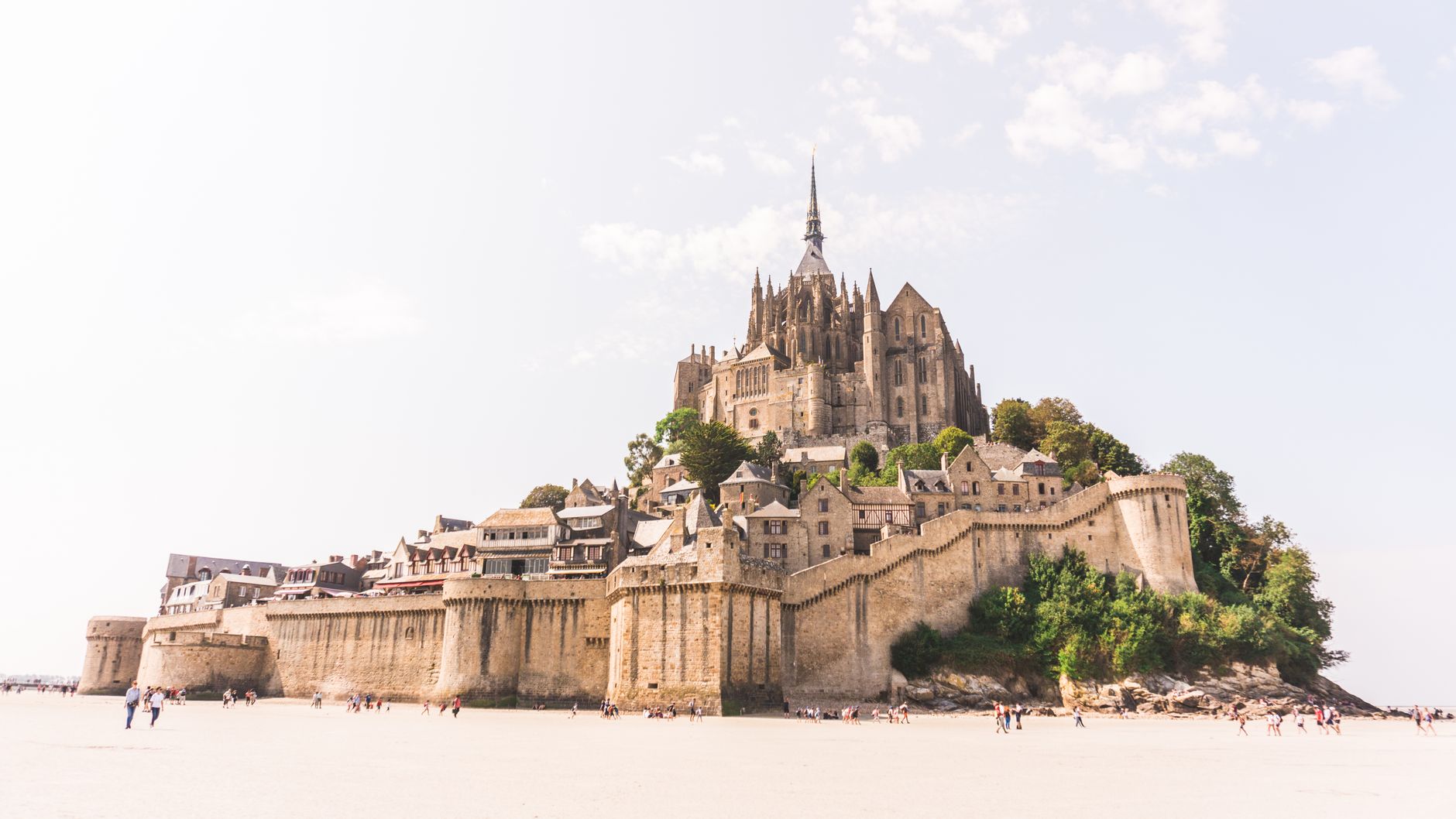
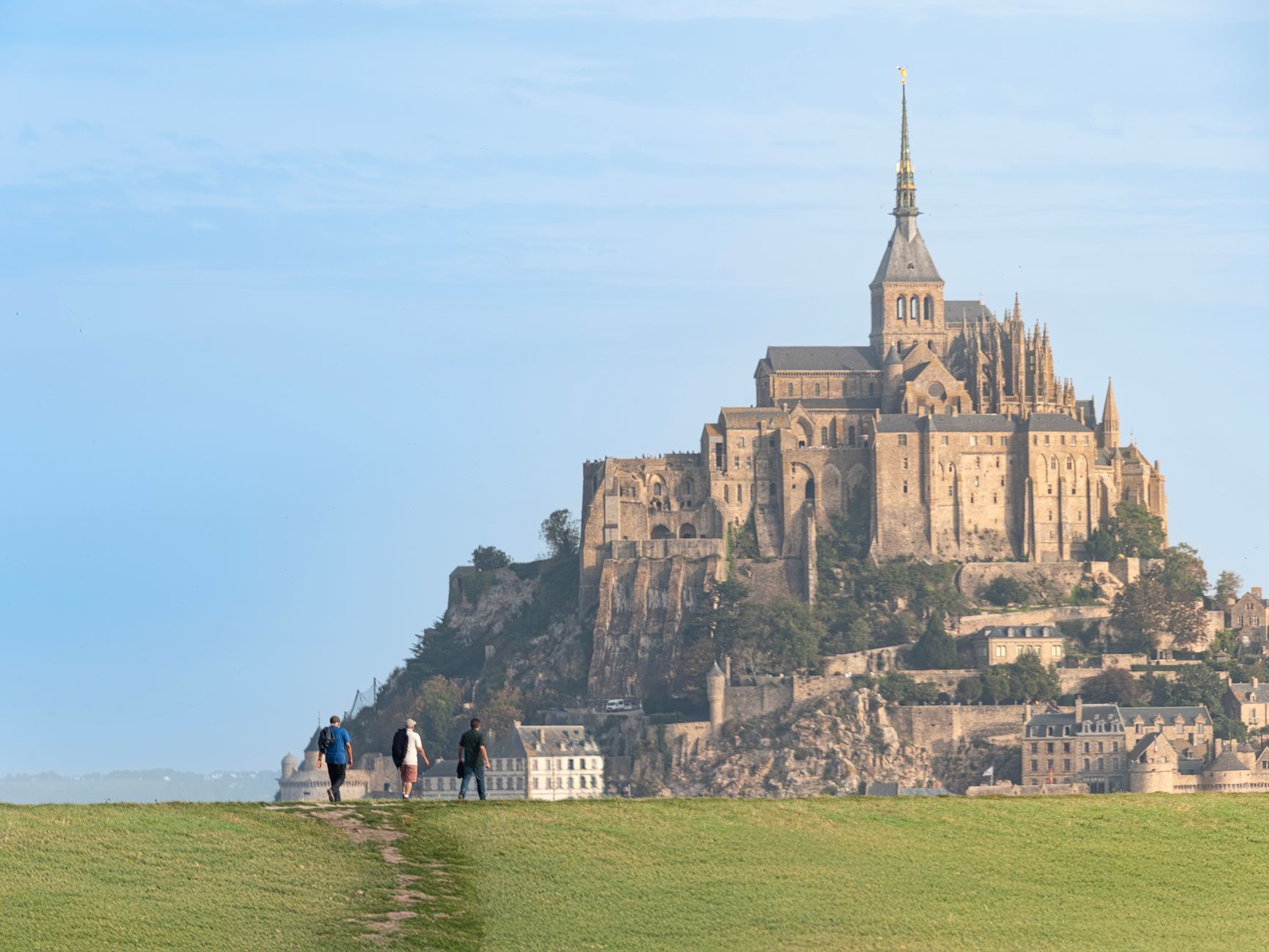
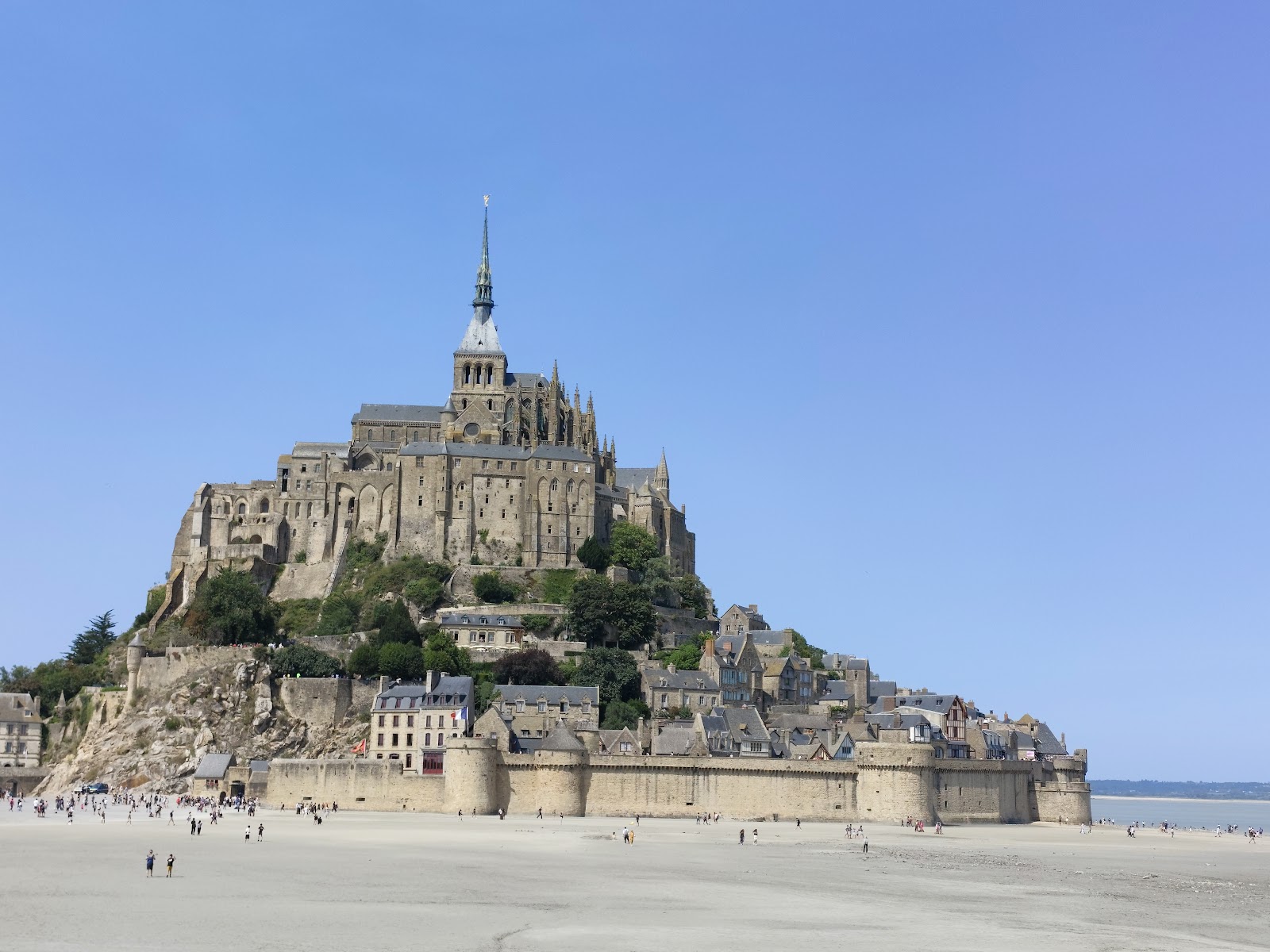
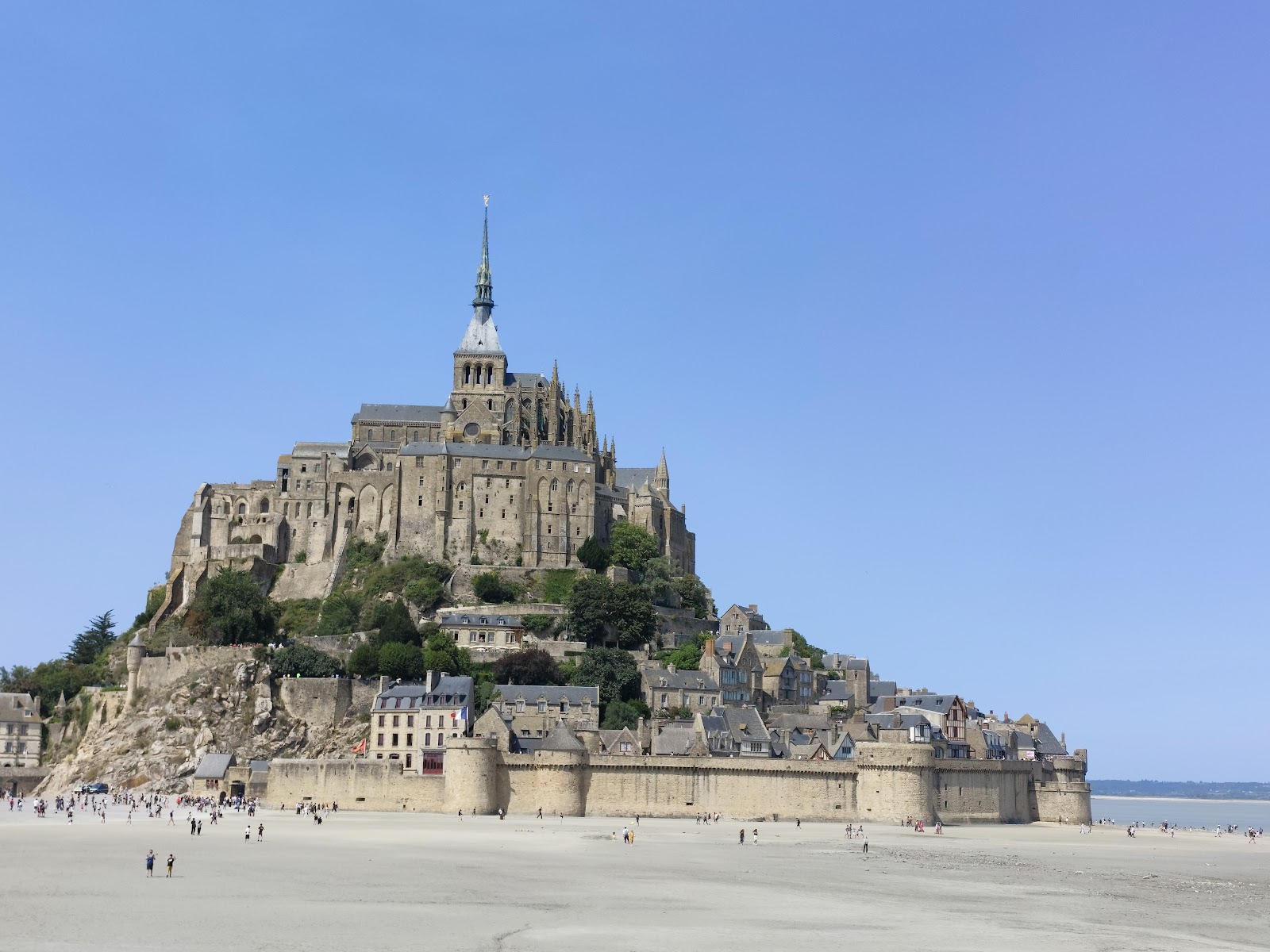
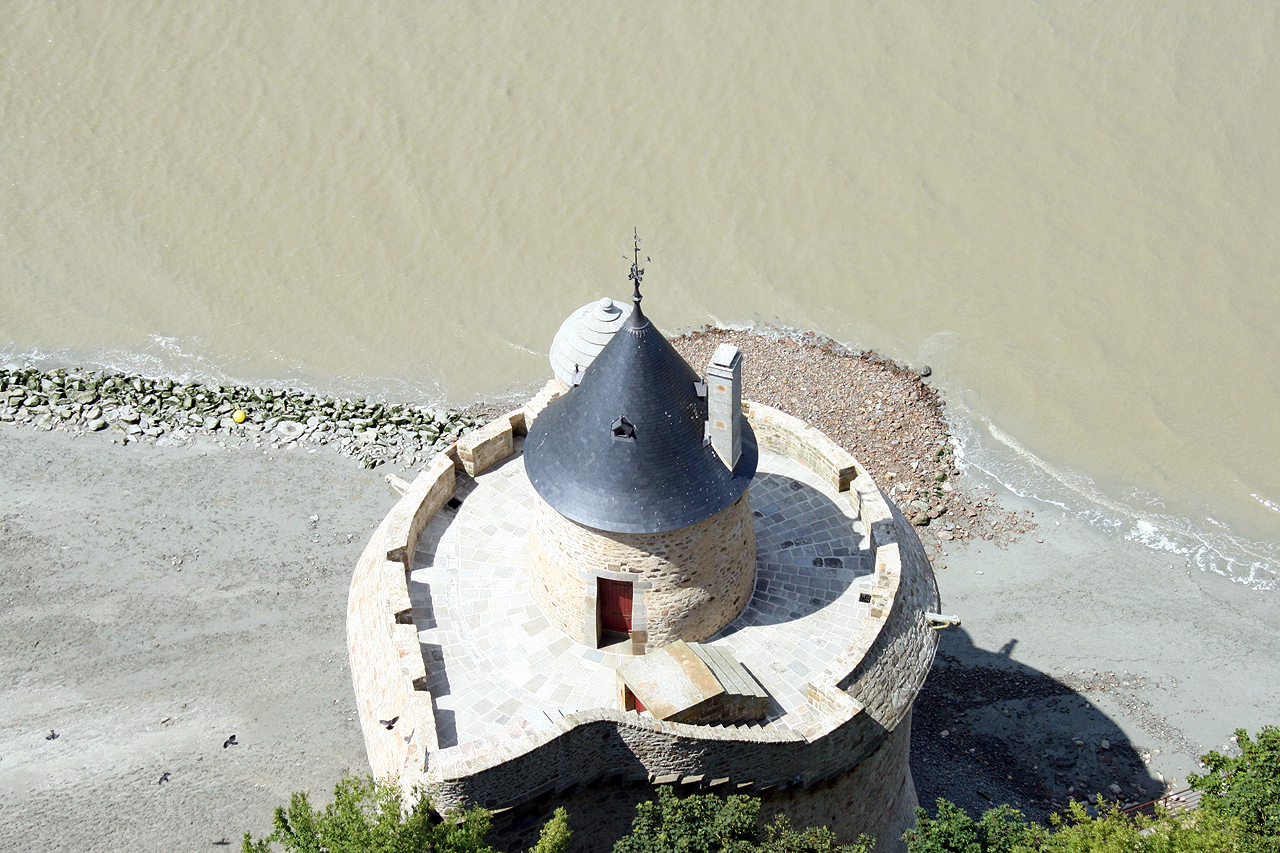
At high tide, Mont Saint-Michel sits completely surrounded by water, a granite spike rising from the bay with an abbey on top that took four centuries to build. The causeway road is gone, or near enough — replaced by a raised walkway since 2014, designed so the tides can scour the sandflats clean again. You take a free shuttle or walk the 2.4 kilometres in from the mainland car parks, and the approach itself is the thing: the mount gets bigger and stranger the closer you come.
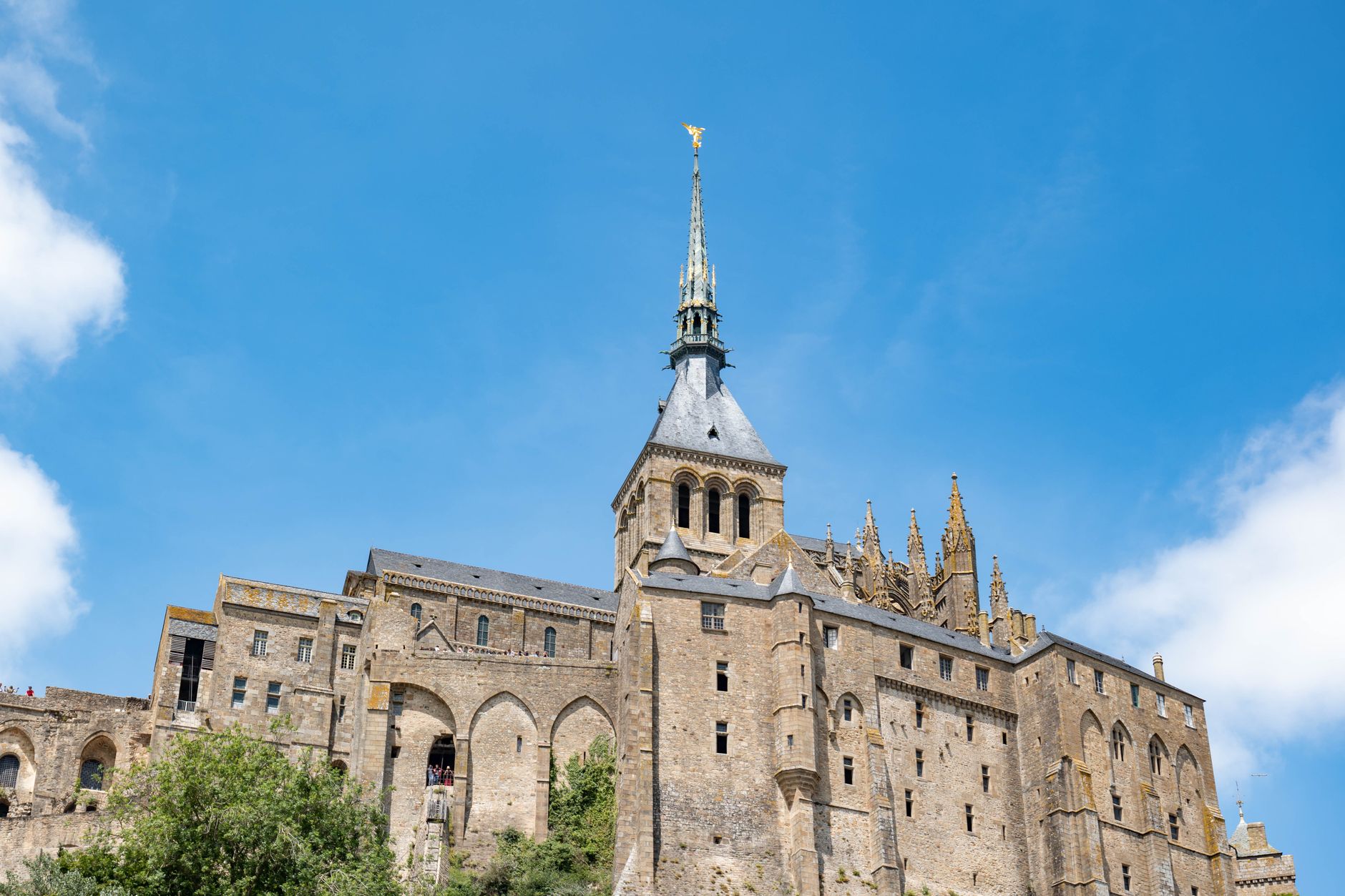
The village inside the walls is compact and commercial at ground level, but climb past the souvenir shops and the streets narrow and quiet down. The abbey sits at 91 metres, with a gilded statue of Saint Michael at the very tip of the spire.
💛 What travellers fall for
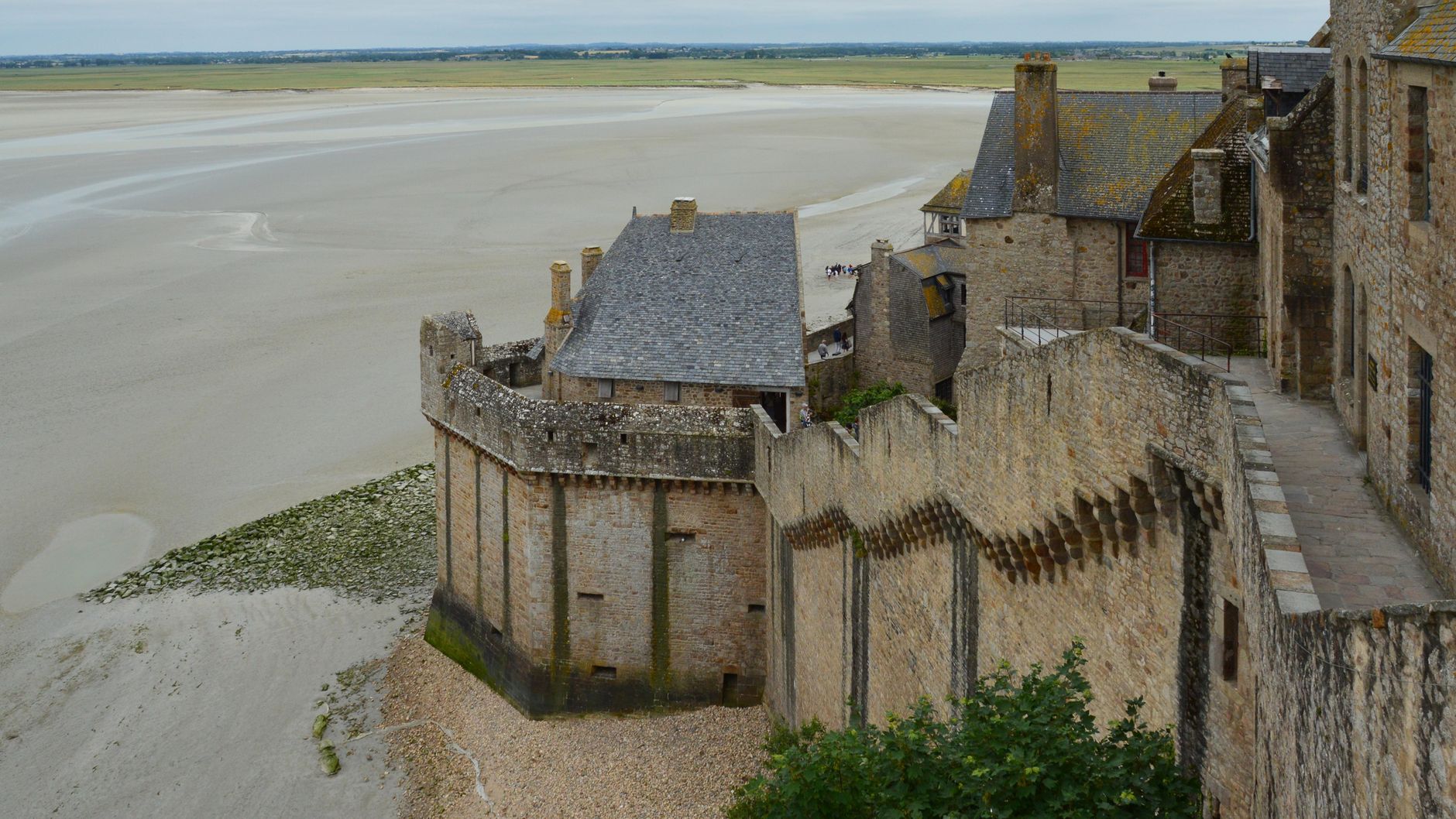
People who return tend to arrive early or stay the night. The shuttle runs from 07:30, and the first hour before tour groups arrive is a different place entirely. Those who sleep on the island — there are a handful of hotels within the walls — describe waking to near-silence, the bay glittering or fog-grey depending on the season, the ramparts theirs alone.
Experiences you don't want to miss



Deals in Mont Saint-Michel
Book directly at the provider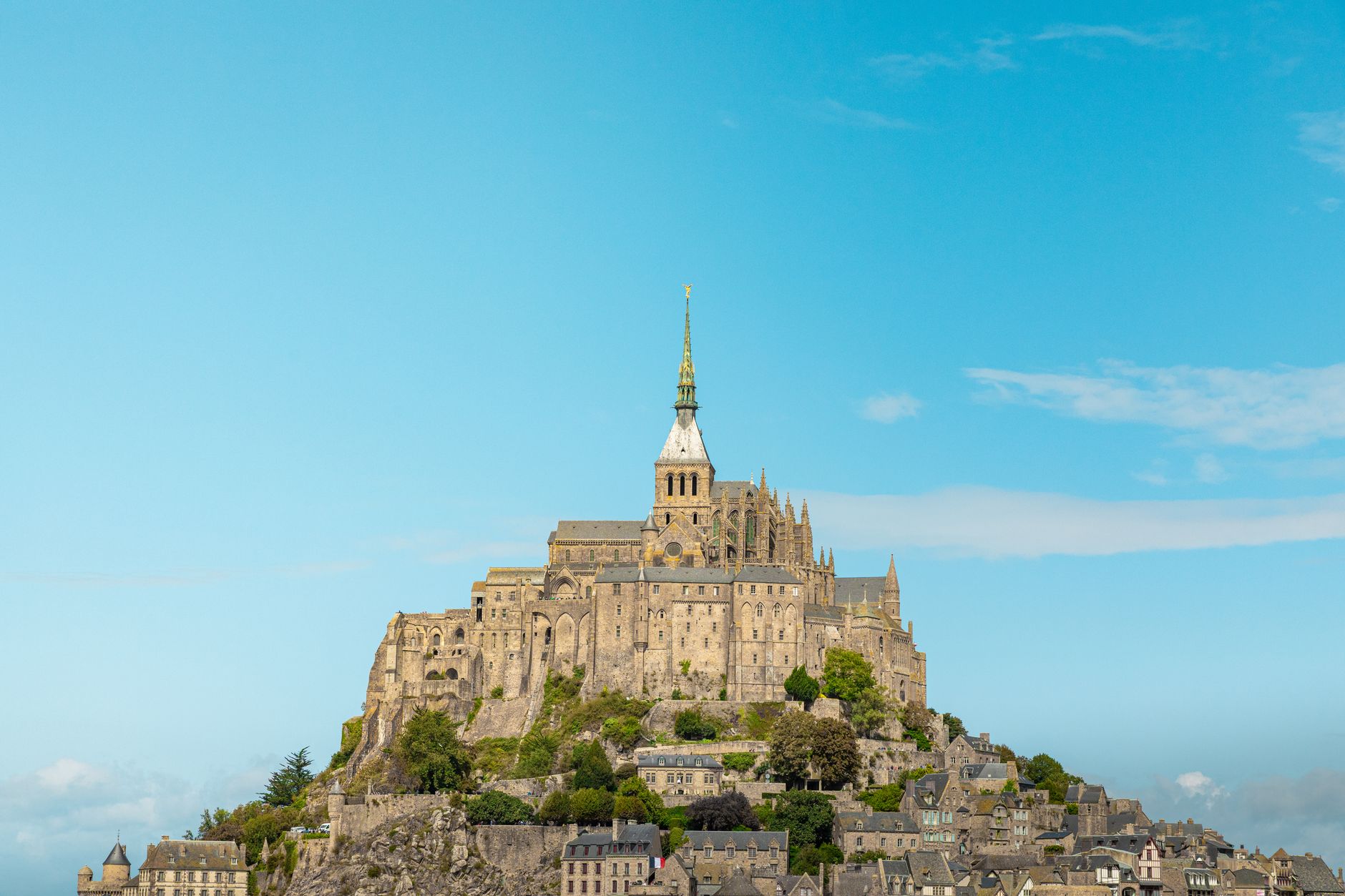
How Mont Saint-Michel came to be
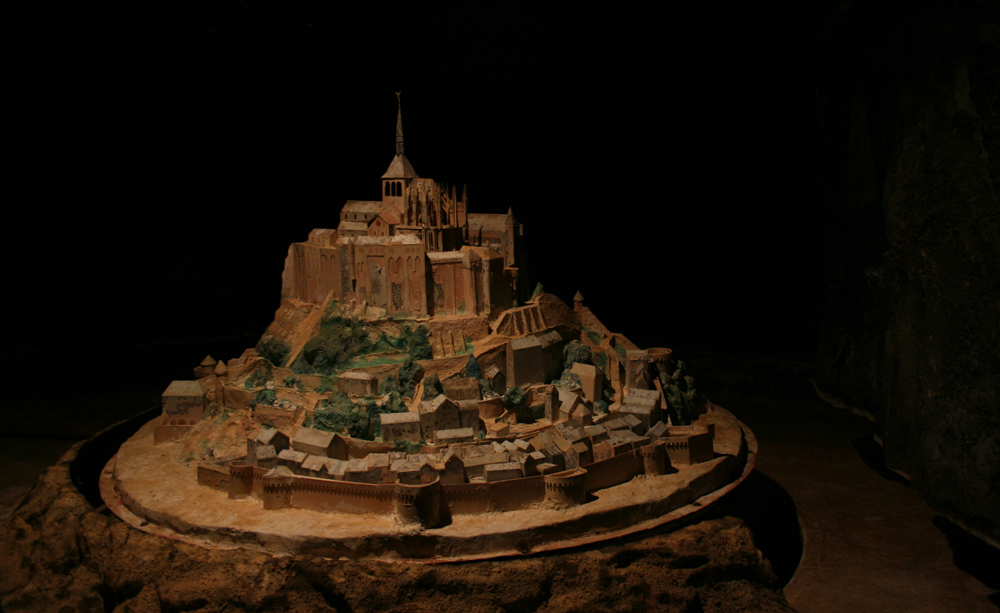
The mount's founding legend involves Bishop Aubert of Avranches receiving a vision of the Archangel Michael in 708, though that story comes from a 12th-century chronicle with little historical backing. What's documented is Duke Richard I of Normandy installing Benedictine monks here in 966. Construction of the Romanesque abbey church began in 1023, designed by the Italian architect William de Volpiano, who solved the problem of building on a granite peak by placing the transept directly over the rock's tip and raising four crypts beneath it first.
The Gothic complex known as La Merveille — three storeys of refectory, cloister, dormitory and hall, all built between 1203 and 1228 from mainland granite — came after King Philippe Auguste funded development following France's conquest of Normandy. During the Hundred Years' War the mount held out under siege for nearly thirty years. It became a prison during the French Revolution, closed in 1863, and was classified as a Historic Monument in 1874. UNESCO added it to the World Heritage list in 1979.
Who and what shaped it
People who shaped it
Landmark buildings
See Mont Saint-Michel in motion
Plan your visit
On the map
When to go
Summers are mild and busy, with long daylight hours good for watching the tide move across the bay. Spring and autumn bring quieter crowds and dramatic skies; winter is cold and occasionally icy on the rampart steps, but the light on the water on a clear January morning is unlike anything the high season offers.
Right now
↡ Attractions


Background & history adapted from Wikipedia (CC BY-SA) · specs from Wikidata (CC0) · weather from Open-Meteo · map data © OpenStreetMap contributors · photos from Wikimedia Commons / Unsplash with per-image credit. No third-party reviews or social posts reproduced.