
Grande Rue
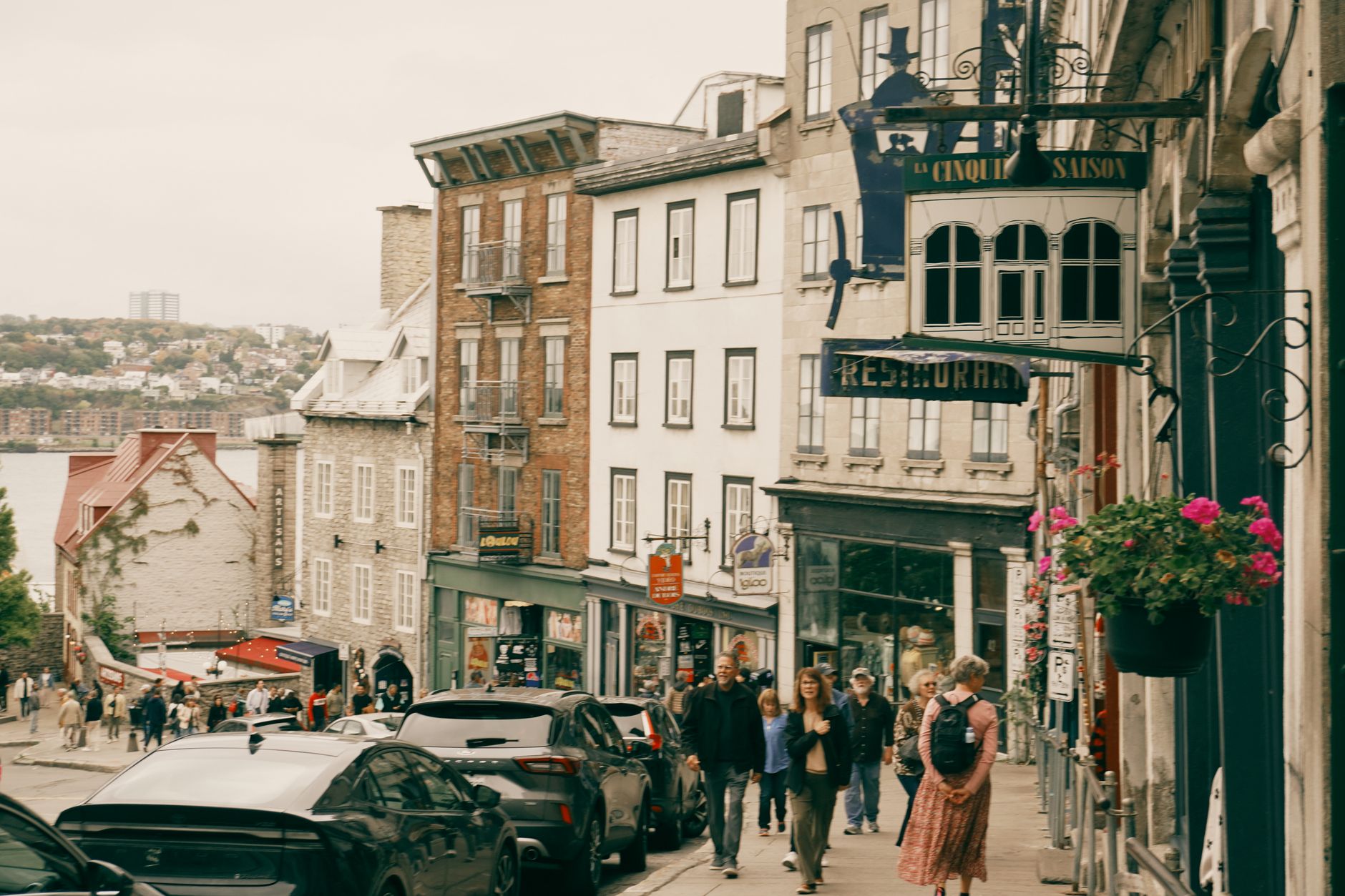
The Porte du Roy drawbridge marks the start of Grande Rue, and from that threshold the entire street unfolds before you — a single medieval lane climbing the rock, lined with 15th- and 16th-century stone buildings that replaced earlier timber ones lost to fire. Souvenir shops press close on both sides, but look above the shopfronts and the architecture holds.
At the top of the street, before the steps rise toward the abbey, you pass the Auberge de La Mère Poulard, where the sound of omelette batter being beaten in a long-handled copper pan still drifts through the doorway much as it has since 1888.
💛 What travellers fall for
People who return tend to come back before 9am or after 5pm, when the lane belongs mostly to those staying on the island. They also mention stopping at the Porte de l'Avancée courtyard on the way in — the old Corps de Garde des Bourgeois is easy to walk past without noticing, but worth a pause.
The story behind Grande Rue
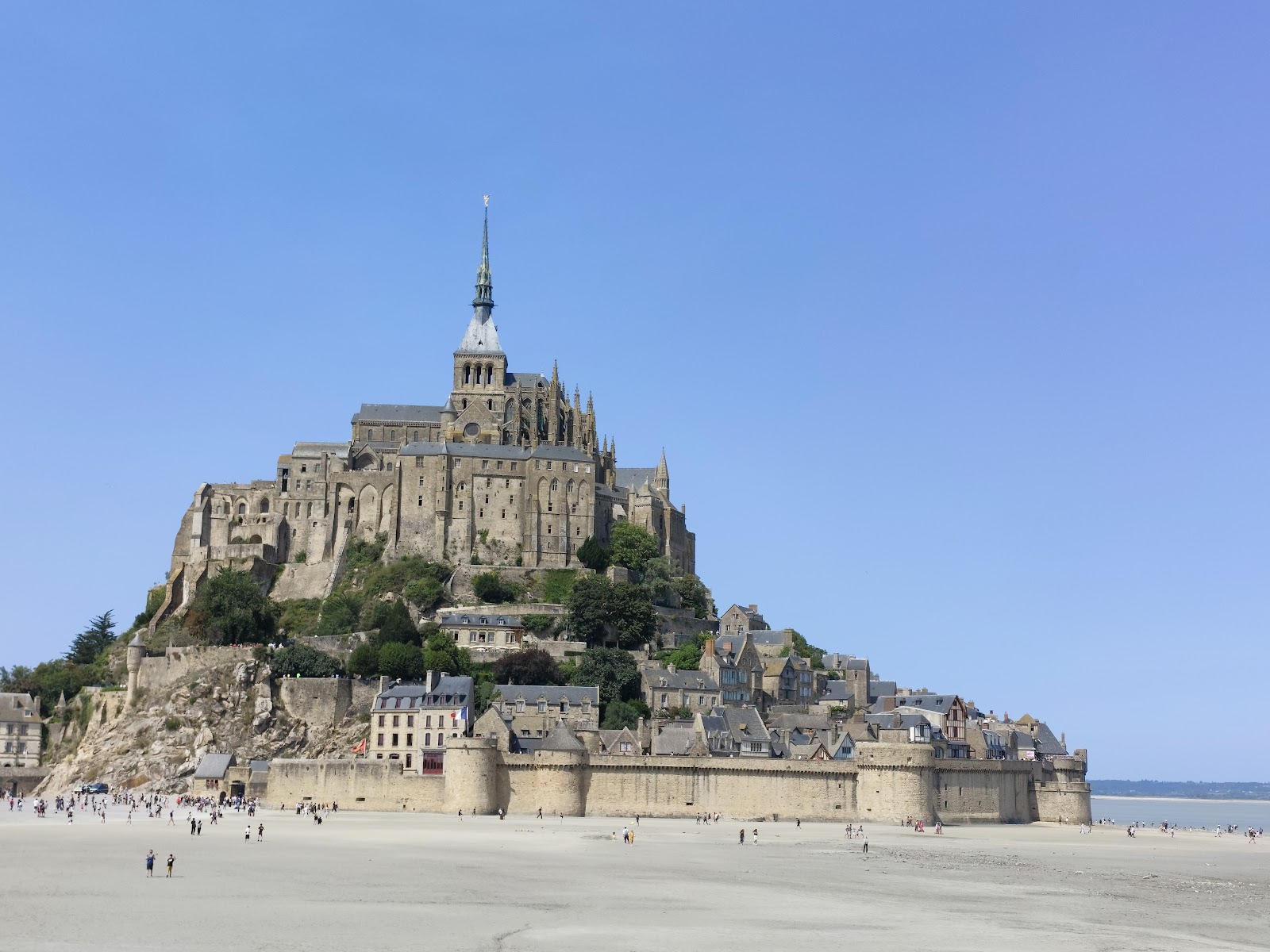
The street's origins trace back to 708, when Bishop Aubert of Avranches built the first oratory on what was then called Mont Tombe. As pilgrims and monks arrived, traders and craftsmen followed, building the first rough dwellings at the rock's base. The buildings standing on Grande Rue today date largely from the 15th and 16th centuries — though the originals were timber-framed, and fire swept through repeatedly, forcing reconstruction in stone.
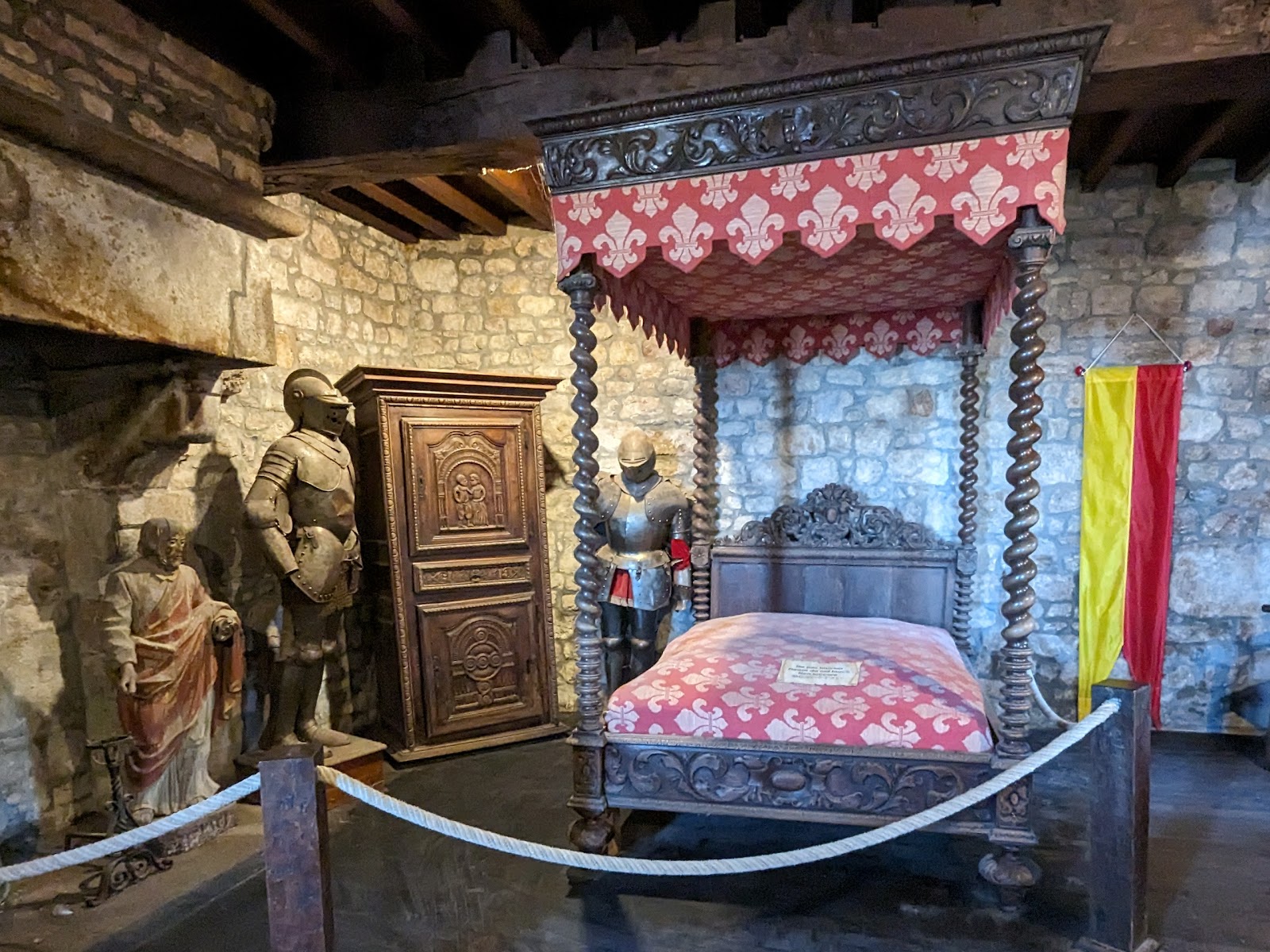
The ramparts that frame the street's lower end took shape during the Hundred Years' War, giving Mont Saint-Michel the reputation it still carries as a fortress that was never taken. Logis Tiphaine, just off the main lane, dates from the same era — built by the knight Bertrand du Guesclin in the 14th century.
Good to know
The village is free to enter, 24 hours a day, no reservation needed. The abbey costs €11 (2026 price) and closes one hour after last entry. Arrive before 11am or after 3pm to avoid the densest coach-tour traffic. The free shuttle from the main car park takes minutes; the pedestrian bridge walk is about 40 minutes.
Summer temperatures on the bay rarely climb above 21°C, and even July and August bring rain on roughly a dozen days each month. Spring is cooler still. Layers and a light waterproof are sensible in any season.
Where is Grande Rue?
Location
- In Mont Saint-Michel
- 48.6355, -1.5112
- Open in Google Maps
More tickets & tours for Grande Rue
Book directly at the provider
More of Mont Saint-Michel
Discover where to stay, what to do and the best deals for your trip.
Explore Mont Saint-Michel →More attractions in Mont Saint-Michel
All of Mont Saint-Michel →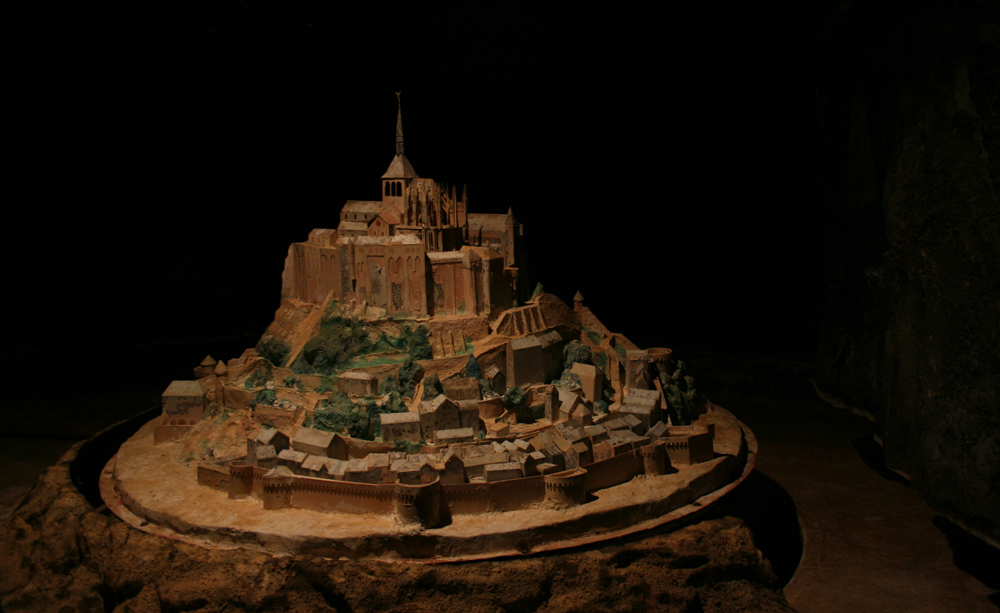
Background adapted from Wikipedia (CC BY-SA) · map data © OpenStreetMap contributors · ratings & place photos via Google · other photos with per-image credit. Ticket links may earn us a commission at no extra cost to you.